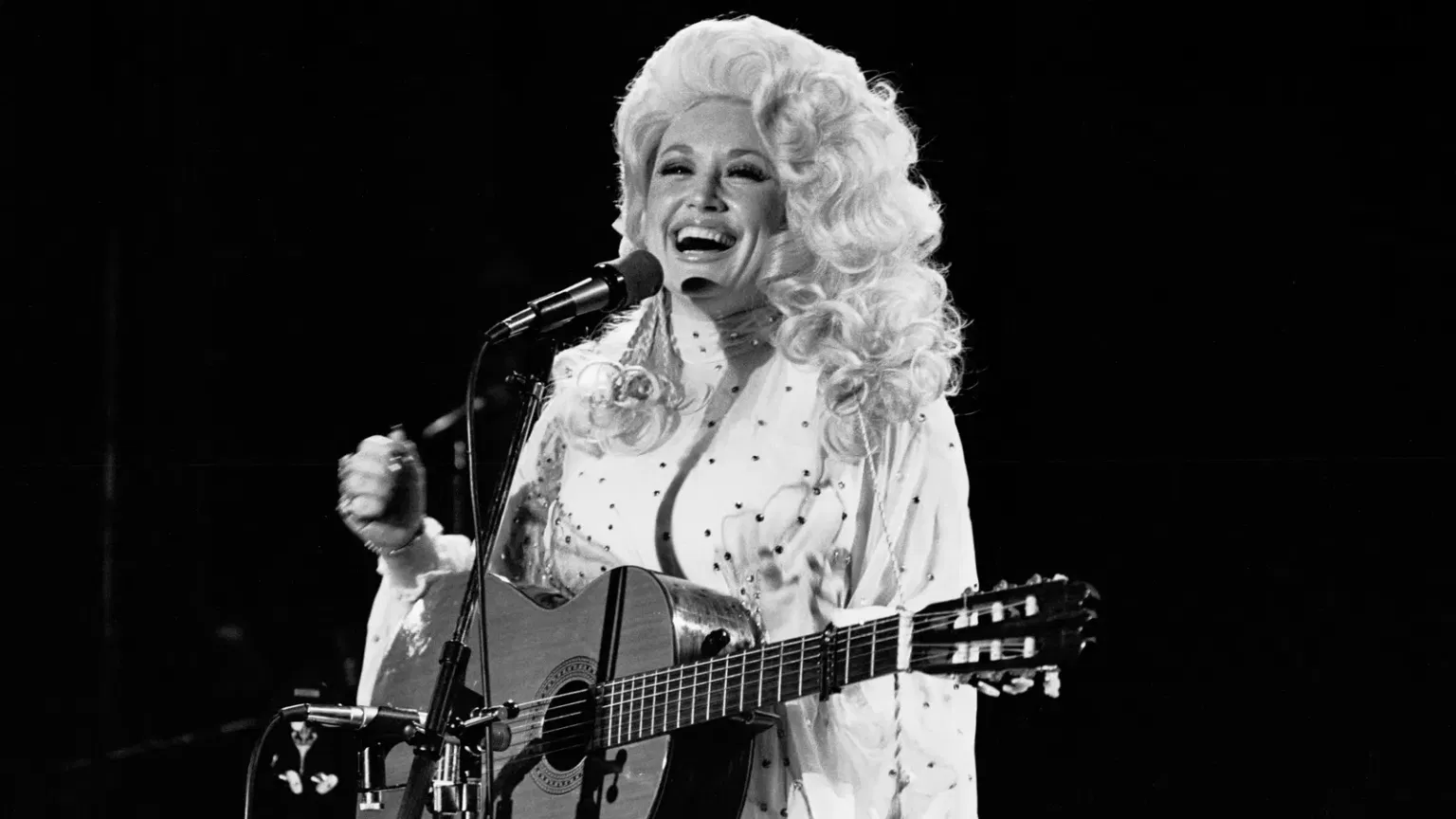
Dolly Parton's net worth was an estimated $650 million when she died on August 25, 2026, at the age of 80, making her one of the wealthiest self-made entertainers in American history. The more useful question, though, isn't just how much the "Queen of Country" was worth — it's how a girl born into a poor family of twelve in the Great Smoky Mountains turned songwriting, a Tennessee theme park, and a sharp instinct for ownership into a fortune that kept compounding for nearly six decades.
Parton's wealth never rested on a single lucky break. It was built on a repeatable strategy: she refused to surrender the rights to her songs, she attached her name to businesses that reflected her actual roots rather than simply licensing it to the highest bidder, and she reinvested in the same Appalachian community that made her. Here's exactly how she did it.
Owning Her Songs: The 'No' to Elvis Presley That Built a Fortune
The most important financial decision of Parton's career happened in 1973, and it began with tears. She had written "I Will Always Love You" as a farewell to her mentor and duet partner, Porter Wagoner — not a romantic breakup song, but a goodbye to the professional partnership that had made her famous. The song hit No. 1 on the Billboard country chart in 1974.
Not long after, Elvis Presley wanted to record it. Parton was thrilled — until Presley's manager, Colonel Tom Parker, insisted on the standard deal for Elvis recordings: half of the publishing rights. Parton refused. She later recalled crying over the decision, torn between the career boost an Elvis cover would bring and the principle that she simply could not give away half of a song she had written herself.
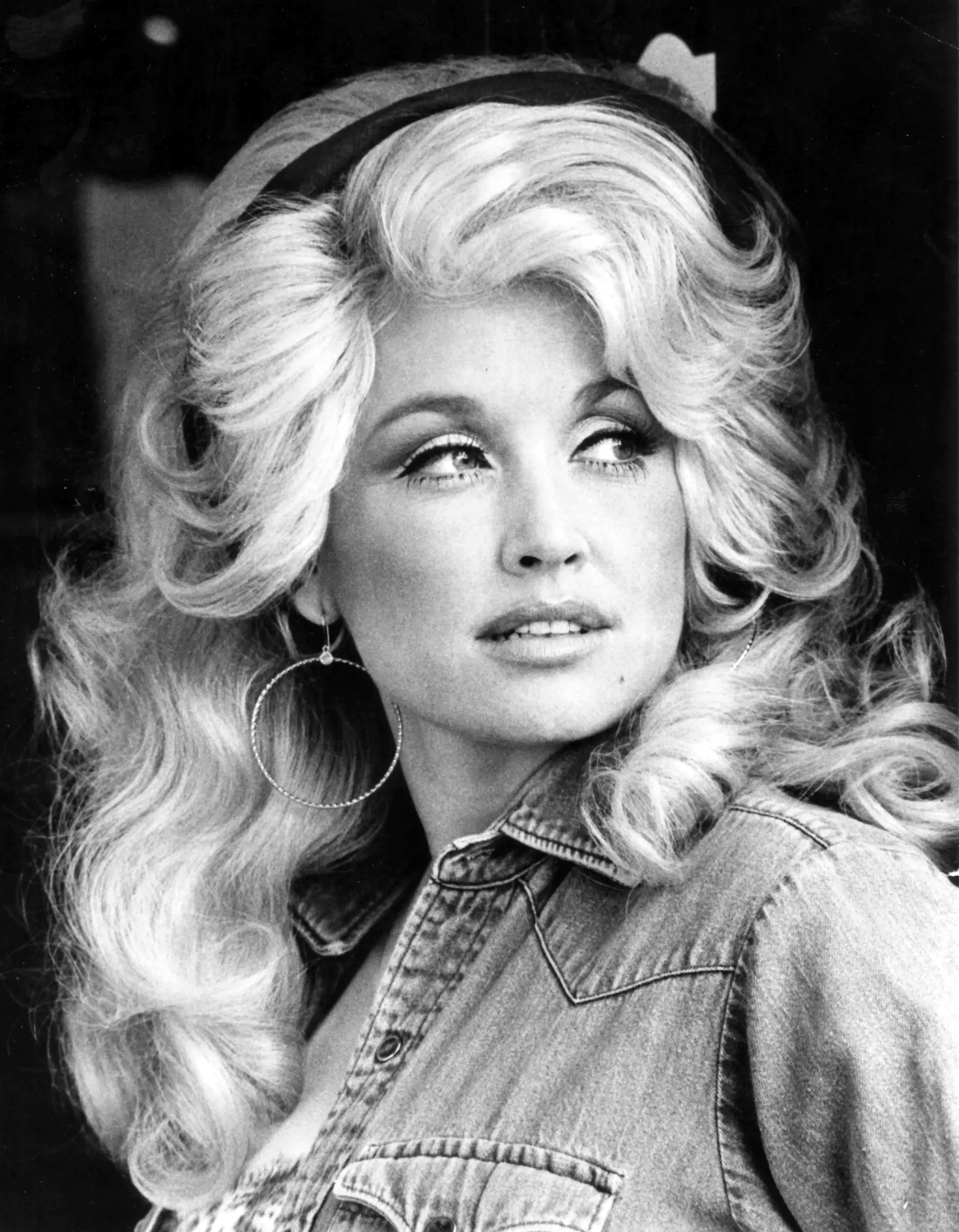
That refusal became one of the best business calls in music history. In 1992, Whitney Houston recorded "I Will Always Love You" for the film The Bodyguard, and it became a worldwide phenomenon, spending 14 weeks at No. 1 on the Billboard Hot 100 and becoming one of the best-selling singles in history. Because Parton had kept 100% of her publishing, the royalties flowed directly to her — around $10 million from Houston's version in the early 1990s alone.
The lesson shaped everything that followed. Parton went on to write more than 3,000 songs and sell more than 100 million records worldwide across 49 studio albums, and she made a point of owning as much of her work as possible — a rarity in an industry where artists routinely sign away their catalogs early for quick cash.
From a One-Room Cabin to the Queen of Country
Parton's rise was gradual, which gave her wealth time to compound. Here's how the key moments lined up:
- 1946: Born January 19 in Sevier County, Tennessee, the fourth of 12 children. Her father was a tobacco farmer and construction worker; family legend says he paid the doctor who delivered her with a bag of cornmeal.
- Ages 6 to 16: Wrote her first song as a child, performed on "The Cas Walker Show" by age nine, made her first recordings as a child, and moved to Nashville the day after high school graduation in 1964.
- 1967: Released her debut album "Hello, I'm Dolly" and joined "The Porter Wagoner Show," which made her a country star.
- 1973–1974: Wrote "I Will Always Love You"; "Jolene" and "I Will Always Love You" both reached No. 1 in 1974.
- 1977: "Here You Come Again" became her first million-seller and her first major pop crossover.
- 1980: Starred in "9 to 5," whose title song topped the charts and earned her an Academy Award nomination.
- 1986: Opened Dollywood in Pigeon Forge, Tennessee.
- 1992: Whitney Houston's cover of "I Will Always Love You" became a global smash.
- 1995: Founded the Imagination Library literacy program.
- 2022: Inducted into the Rock and Roll Hall of Fame.
- 2023: Released "Rockstar," her highest-charting album on the Billboard 200 (No. 3).
- 2026: Died August 25 at age 80 in Nashville.
Dollywood and the Business Empire Behind the Rhinestones
Music royalties made Parton rich; Dollywood made her wealthy on a different scale. In 1986, she partnered with Herschend Family Enterprises to transform an existing Pigeon Forge theme park into Dollywood. The gamble paid off spectacularly: Dollywood grew into one of Tennessee's largest tourist attractions and one of the region's most important employers.
The Dollywood Company expanded far beyond a single park, adding Dollywood's Splash Country, Dollywood's DreamMore Resort and Spa, and Dollywood's HeartSong Lodge & Resort, which opened in 2023 with more than 300 rooms. The company launched a $500 million, 10-year investment strategy, and by 2026 the broader campus was drawing more than four million visitors a year. One of the final projects, NightFlight Expedition, opened in 2026 after an investment of more than $60 million — the largest single-attraction investment in the park's history.
Around the park, Parton built a web of businesses spanning music publishing, film and television production, books, merchandise, branded beauty products, wine, food, pet products, jewelry, coffee, and home goods. Unlike many celebrity licensing deals, Dollywood was tied directly to Parton's actual life: it celebrated the Appalachian crafts, food, music, and Great Smoky Mountains culture she grew up in, and she stayed involved in major creative decisions even when she wasn't running day-to-day operations.
Why Dolly Parton's Wealth Strategy Was Different
Plenty of artists earn huge sums and lose them. Parton's fortune endured because of three principles that ran through nearly every move she made:
- Own your intellectual property. Refusing to hand Elvis half of "I Will Always Love You" wasn't sentimentality — it was the decision that kept her catalog paying out for decades, long after touring and acting income slowed.
- Build a brand that reflects who you actually are. Dollywood worked because it was authentic to Parton's roots, not a generic name slapped onto a product. That authenticity is why audiences trusted the brand across theme parks, resorts, and children's books.
- Diversify and reinvest locally. She spread her wealth across tourism, hospitality, publishing, and consumer products, and she reinvested heavily in Tennessee, which kept her businesses resilient and her connection to fans intact.
Her Final Chapter: Cancer, Loss, and a Legacy Beyond Money
Parton's final years were marked by both generosity and grief. Her husband of nearly 59 years, Carl Dean, died on March 3, 2025, at 82 — a loss she later said took a heavy emotional and physical toll. During 2025 and 2026, she experienced a series of health setbacks that forced her to cancel a planned Las Vegas residency.
Dolly Parton died on August 25, 2026, at Vanderbilt-Ingram Cancer Center in Nashville after a brief battle with cancer, surrounded by loved ones. Her nephew, Brian Seaver, announced her death on behalf of the Parton and Owens families — a task Parton had personally asked him to take on years earlier. Even in her final days, she was reportedly still discussing the creative and business projects she hoped to finish.
Her philanthropy was as central to her story as her earnings. The Imagination Library, which she founded in 1995 in honor of her father — who never learned to read or write — had mailed more than 304 million free books to children by the end of 2025, at a rate of more than three million books a month. She donated $1 million to Vanderbilt University Medical Center during the COVID-19 pandemic, funding that supported research tied to Moderna's vaccine, and gave another $1 million to Hurricane Helene relief in 2024. When Jeff Bezos awarded her a $100 million Courage and Civility prize in 2022, she gave the money away to causes she believed in.
What Happens to the Fortune Next
Parton did not leave her empire to chance. According to her longtime manager, Danny Nozell, she spent years working with a handpicked team on what he called a "project roadmap that will guide us for decades to come." The plans include unreleased music, books, consumer products, the SongTeller Hotel in downtown Nashville, a 20,000-square-foot Life of Many Colors Museum, and a Broadway production of "Dolly: A True Original Musical," scheduled to begin previews in December 2026.
Because Parton and her husband had no children, her death also raised the question of who will inherit her estate. The roadmap means her businesses and creative work — and the royalty streams behind them — are designed to keep generating value long after her death, a final demonstration of the same ownership-first thinking that built her fortune in the first place.
Key Takeaways: How Dolly Parton Built a $650 Million Empire
- Estimated net worth: Around $650 million at the time of her death in August 2026 (Forbes' earlier $450 million estimate dated to 2024).
- Foundation: Owning her songwriting and publishing rights, including the full rights to "I Will Always Love You."
- Biggest asset: The Dollywood Company and its resorts, which drew more than four million visitors a year.
- Formula: Control your intellectual property, build an authentic brand, and diversify across tourism, media, and consumer products.