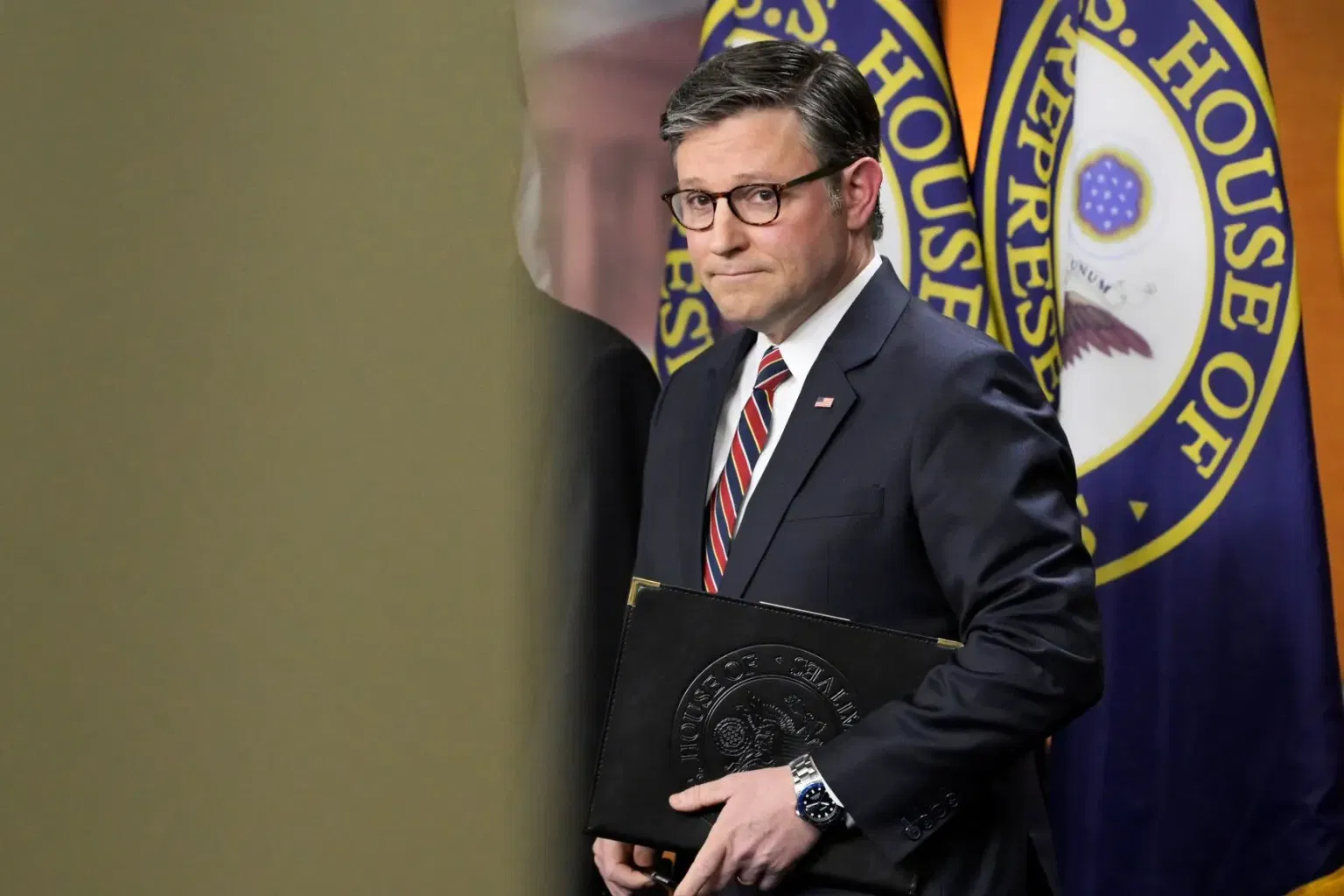
If you're wondering "is the government shut down?" the answer as of today is no—the U.S. federal government remains fully operational. However, government shutdowns have become a recurring crisis in American politics, with the most recent major shutdown lasting 35 days from December 2018 to January 2019. Understanding how government shutdowns work, what triggers them, and their real-world impacts is essential for every citizen.
How Government Shutdowns Actually Work
At its core, a government shutdown occurs when Congress fails to pass the necessary funding legislation to keep federal agencies operating. According to the Committee for a Responsible Federal Budget, each fiscal year requires Congress to pass 12 separate appropriations bills that fund different parts of the government. When these bills aren't passed by the October 1 deadline—or when temporary funding measures called "continuing resolutions" expire—agencies without approved funding must cease non-essential operations.
The process isn't all-or-nothing. A "partial shutdown" happens when Congress passes some but not all of the appropriations bills. In this scenario, only agencies without funding must shut down, while others continue normal operations. This creates a patchwork of closed and open services that can confuse the public and disrupt government functions.
What Happens When the Government Shuts Down
During a shutdown, federal agencies implement contingency plans that distinguish between "essential" and "non-essential" services. Essential services—those that protect life and property—continue operating. This includes air traffic control, border protection, law enforcement, and national security functions. Non-essential services, however, must stop completely.
The human impact is substantial. According to Brookings Institution analysis, federal employees fall into three categories during shutdowns: those deemed "essential" who must work without pay, those deemed "non-essential" who are furloughed (sent home without pay), and those whose salaries come from mandatory spending programs who continue working and receiving pay. In past shutdowns, hundreds of thousands of employees have been affected, creating financial hardship and uncertainty.
Public services also face disruption. National parks may close, passport and visa processing slows, IRS taxpayer assistance stops, and regulatory activities pause. The economic costs are significant—the 2018-2019 shutdown cost the U.S. economy an estimated $11 billion, according to Congressional Budget Office reports.
A Timeline of Major Government Shutdowns
Government shutdowns are a relatively modern phenomenon, with the first occurring in 1980 after changes to budget law. Since then, there have been over 20 funding gaps, though not all resulted in full shutdowns. Key historical shutdowns include:
- 1995-1996: Two shutdowns totaling 26 days under President Clinton, primarily over Medicare and education funding disputes.
- 2013: A 16-day shutdown sparked by disagreements over the Affordable Care Act implementation.
- 2018-2019: The longest shutdown in U.S. history at 35 days, centered on border wall funding negotiations.
Each shutdown follows a similar pattern: political deadlock leads to missed deadlines, followed by temporary resolutions that kick the can down the road until a more permanent solution emerges. As BBC News reported after the 2018-2019 shutdown, "it will still take days - even weeks - for things to go back to normal" even after funding is restored.
Why Government Shutdowns Keep Happening
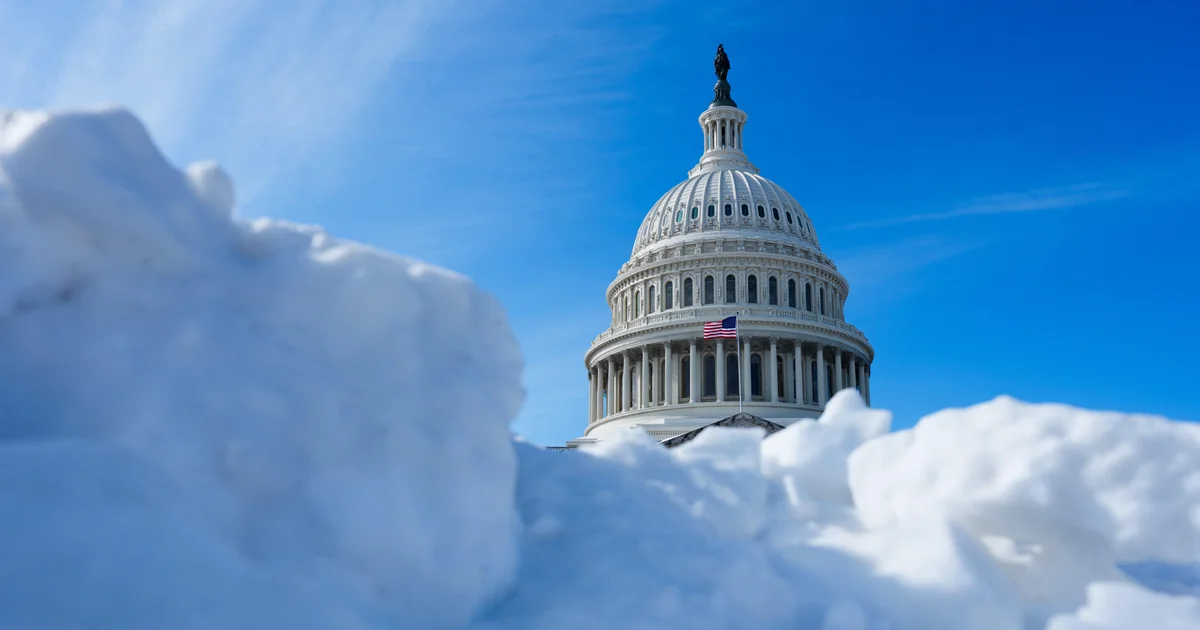
Government shutdowns persist because of fundamental structural issues in the U.S. budget process combined with intense political polarization. As Brookings expert David Wessel explains, "shutdowns have become a recurring feature of U.S. politics, the product of partisan standoffs over spending that force federal agencies to close."
Several factors contribute to this dysfunction:
- Short-term funding measures: Congress increasingly relies on continuing resolutions that provide temporary funding rather than full-year appropriations, creating frequent deadlines for potential shutdowns.
- Policy riders: Funding bills become vehicles for controversial policy changes, creating additional points of conflict.
- Political strategy: Some lawmakers view shutdown threats as leverage to achieve policy goals, despite the costs to government operations and the economy.
- Budget process complexity: The requirement to pass 12 separate bills each year creates multiple opportunities for disagreement and delay.
The Committee for a Responsible Federal Budget notes that shutdowns don't actually save money—they cost taxpayers through lost productivity, delayed services, and economic uncertainty. Yet the political incentives to use shutdown threats remain strong.
Current Status: Is the Government Shut Down Now?
As of the publication of this article, the U.S. federal government is not experiencing a shutdown. All appropriations bills for the current fiscal year have been passed, and agencies are operating with normal funding. However, the threat of future shutdowns remains ever-present, particularly as Congress approaches funding deadlines each fiscal year.
To check the current status of government operations, you can monitor official sources like the Office of Management and Budget website or major news outlets. The most reliable indicators include announcements about federal employee furloughs, closure of non-essential services, and statements from congressional leadership about funding negotiations.
Key Takeaways About Government Shutdowns
- Government shutdowns occur when Congress fails to pass funding legislation by established deadlines.
- Partial shutdowns affect only agencies without approved funding, while essential services continue operating.
- Federal employees may be furloughed or required to work without pay during shutdowns.
- Shutdowns cost the economy billions of dollars and disrupt important public services.
- The longest shutdown in U.S. history lasted 35 days from December 2018 to January 2019.
- Structural issues in the budget process and political polarization make shutdowns likely to recur.
- As of now, the government is not shut down, but future shutdown threats remain a feature of U.S. politics.
Understanding government shutdowns helps citizens navigate these periodic crises and advocate for more stable governance. While the immediate answer to "is the government shut down?" may change with political winds, the underlying mechanics remain consistent—and knowledge of how they work empowers everyone affected by these disruptive events.