The world of animation has captivated audiences for generations, but few projects generate as much excitement as the upcoming 'Avatar: Aang, The Last Airbender' movie scheduled for October 2026. While fans eagerly await this animated sequel, many wonder about the intricate process behind bringing such beloved characters back to life. Creating an animated feature film is a monumental undertaking that combines artistic vision with technical precision, taking viewers on a journey from initial concept sketches to the final magical experience on screen.
From Sketch to Screen: The Animation Production Pipeline
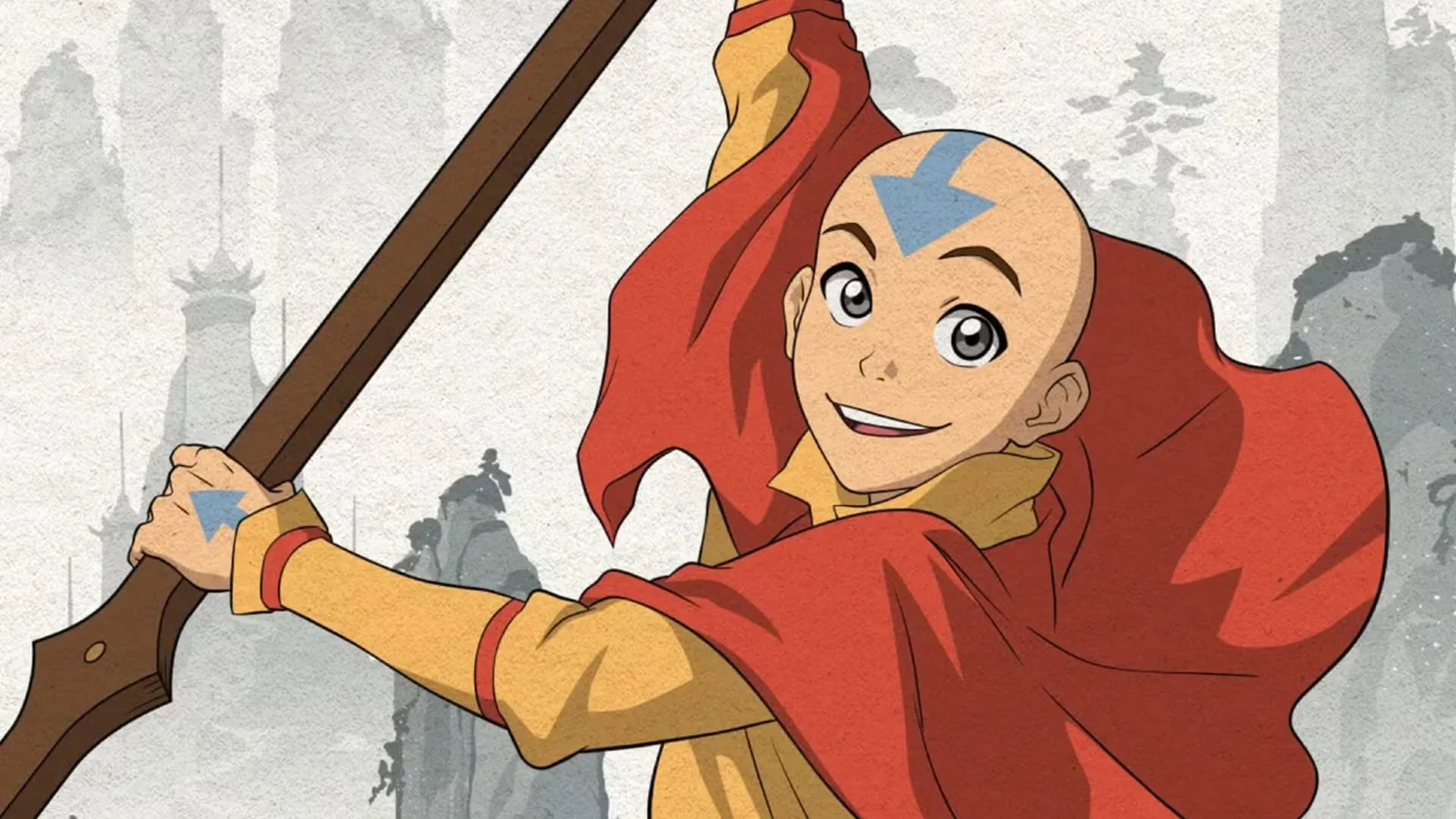
Every animated movie follows a structured production pipeline divided into three main phases: pre-production, production, and post-production. This systematic approach ensures that complex projects like 'The Legend of Aang: The Last Airbender' maintain consistency and quality throughout their multi-year development. The pre-production phase involves concept development, storyboarding, and character design—where artists establish the visual language that will define the entire film. For the Avatar movie, this means deciding how to evolve the beloved characters while staying true to the original series' aesthetic.
Production is where the actual animation happens, with artists creating thousands of individual frames that will eventually become moving images. In traditional 2D animation, each frame is drawn by hand, while 3D animation involves creating digital models and rigging them with virtual skeletons. Given that the Avatar movie is reportedly an animated feature rather than live-action, the production team likely uses a combination of both techniques—perhaps employing 3D models for complex action sequences while maintaining the 2D aesthetic that made the original series so distinctive.
Pre-Production: Where Avatar's Story Begins
The journey of any animated film starts long before the first frame is drawn. For 'Avatar: Aang, The Last Airbender,' the pre-production phase began with script development by original creators Michael Dante DiMartino and Bryan Konietzko, who returned to oversee the project. Scriptwriting for animation requires special consideration—dialogue must sync perfectly with visual timing, and action sequences need to be described in ways that animators can interpret visually. The script for the Avatar movie reportedly picks up years after the original series, requiring careful consideration of how characters have matured while maintaining their essential personalities.
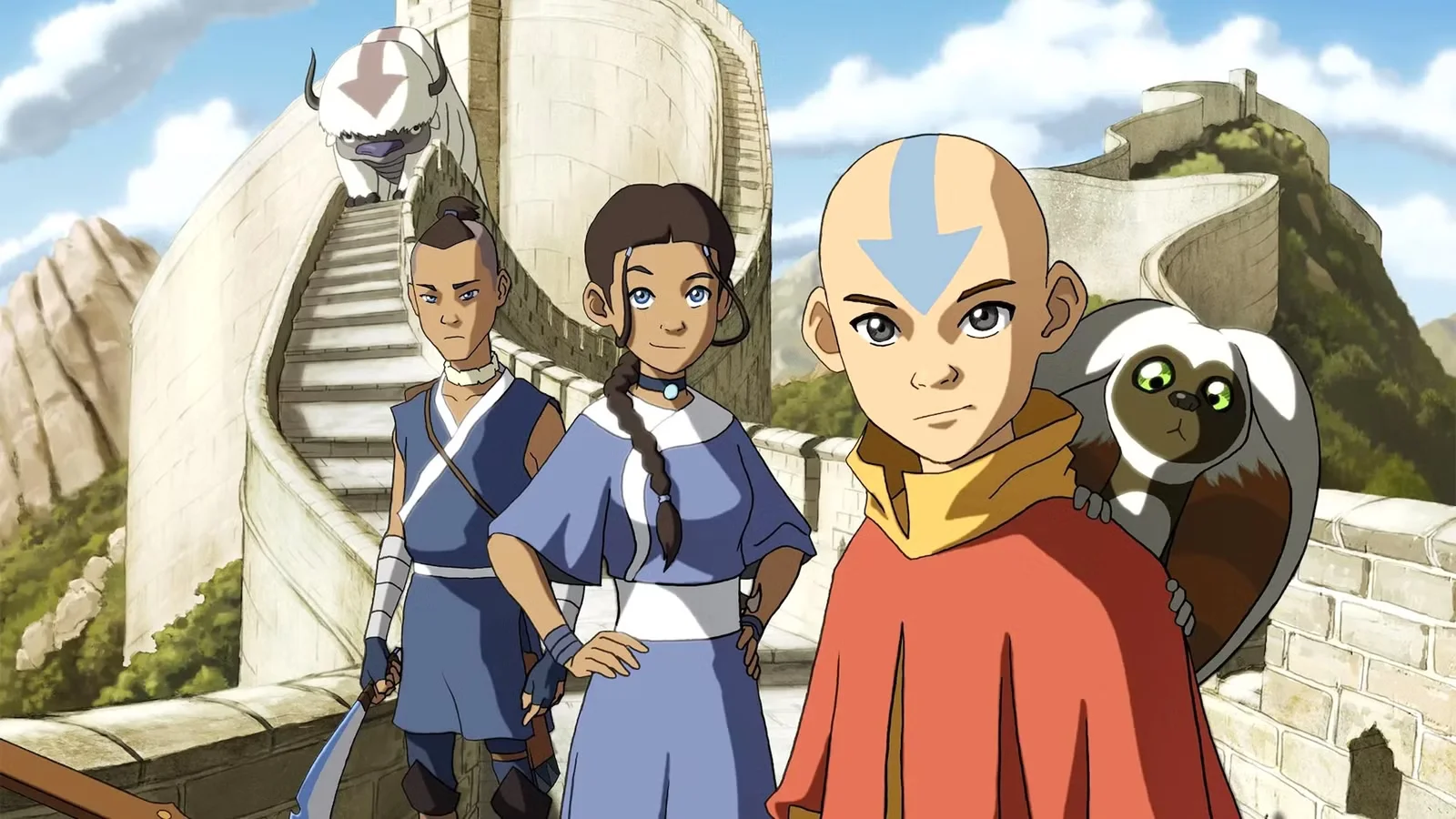
Storyboarding follows script completion, with artists creating sequential drawings that map out every shot in the film. These storyboards function as a visual blueprint, helping directors like Lauren Montgomery plan camera angles, character movements, and scene transitions. Character design is equally crucial, especially for a sequel where beloved characters need to appear older yet recognizable. Designers must consider how Aang, Katara, Sokka, and Zuko would look years after their original adventures, balancing artistic evolution with fan expectations.
Production: Bringing Aang and Friends to Life
Once pre-production is complete, the actual animation process begins—the most labor-intensive phase of filmmaking. For a feature-length animated movie, this can involve hundreds of artists working for several years. The production phase typically includes layout (establishing background scenes), animation (creating character movements), and visual effects (adding elemental bending effects, lighting, and magic). Given the Avatar universe's emphasis on elemental bending, the animation team faces the unique challenge of creating believable, visually stunning representations of air, water, earth, and fire manipulation.
Modern animation studios like Flying Bark Productions and Studio Mir—reportedly involved in the Avatar movie—often use hybrid techniques. They might employ 3D computer-generated imagery for complex scenes requiring precise camera movements through dynamic environments, while using 2D animation for character expressions and traditional action sequences. This combination allows for the visual richness of computer animation while preserving the hand-drawn aesthetic that fans associate with the Avatar universe. Each second of screen time requires 24 individual frames (in traditional animation), meaning a 90-minute film like the Avatar movie needs approximately 129,600 carefully crafted images.
Post-Production: Adding Magic to the Elements
After animation comes post-production, where all the pieces are assembled into a cohesive whole. This phase includes editing (arranging scenes for optimal storytelling), sound design (creating and mixing audio effects), music composition, and voice recording. For the Avatar movie, voice acting presents particular importance—while some original voice actors may return, others might need to be recast or adjusted to reflect character aging. The film's musical score must also evolve from the original series' themes while introducing new motifs that reflect the story's progression.
Visual effects in post-production enhance the animation, adding particle effects for elemental bending, lighting adjustments to create mood, and color correction to ensure visual consistency. Modern animation software allows for incredible detail—individual strands of hair moving in the wind, realistic water simulations, and dynamic fire effects that respond to character movements. These technical achievements must serve the story rather than distract from it, requiring careful balance between spectacle and substance.
The Avatar Movie: A Case Study in Animated Adaptation
'The Legend of Aang: The Last Airbender' represents a fascinating case study in animated adaptation. Unlike live-action remakes that often face criticism for altering original material, an animated sequel has different challenges and opportunities. The filmmakers must honor the established visual language of the original series while allowing for artistic growth appropriate to a feature film format. According to reports, the movie will pick up years after the television series' conclusion, showing how characters have matured and how their world has evolved—a narrative choice that requires careful handling of fan expectations.
The production faced unexpected challenges when details reportedly leaked online, highlighting the intense security measures surrounding major animation projects. Such leaks can disrupt marketing plans and create unrealistic expectations, demonstrating how modern animation studios must balance creative transparency with strategic secrecy. The movie's shift from theatrical release to Paramount+ streaming also reflects changing industry dynamics, where animation increasingly finds homes on digital platforms alongside traditional cinema.
Why Animated Movies Take Years to Make
The lengthy production timeline for animated features like the Avatar movie—with development beginning years before its 2026 release—often surprises audiences unfamiliar with animation's complexity. Each phase of production involves meticulous attention to detail: character designs may go through dozens of iterations, storyboards require constant refinement, and animation itself is famously time-consuming. A single complex scene can take weeks to animate, with artists painstakingly adjusting each frame to ensure fluid movement and emotional expression.
Technical considerations also extend production time. Rendering—the process of generating final images from 3D models—requires enormous computational power, with high-quality frames taking hours or even days to process. For a film with the visual complexity of Avatar, rendering farms (clusters of powerful computers) work around the clock to produce the final footage. Additionally, quality control involves multiple review stages where directors, producers, and sometimes test audiences provide feedback that leads to revisions—a process that can add months to the schedule.
The Future of Animation: What's Next for the Industry
Projects like the Avatar movie exist at an interesting crossroads in animation history. Traditional hand-drawn techniques increasingly blend with digital tools, while artificial intelligence begins to offer new possibilities for streamlining certain processes. However, the human element remains essential—the artistic vision that gives animation its soul cannot be replicated by algorithms. The Avatar movie's success may influence whether studios invest more in original animated sequels versus live-action remakes, potentially shaping industry trends for years to come.
As technology advances, animation becomes more accessible to independent creators while simultaneously allowing major studios to achieve previously unimaginable visual sophistication. The Avatar movie likely incorporates cutting-edge techniques for its elemental bending sequences, possibly using fluid simulation software for water effects and particle systems for fire and air. These technical achievements, when combined with strong storytelling and character development, demonstrate animation's unique power to create worlds that live-action cannot replicate.
Key Takeaways: Understanding Animation Appreciation
Creating an animated feature film represents one of the most collaborative art forms in existence, requiring the synchronized efforts of writers, storyboard artists, character designers, animators, voice actors, composers, and technical specialists. The upcoming 'Avatar: Aang, The Last Airbender' movie exemplifies this complex process, building on a beloved existing universe while pushing animation technology forward. By understanding the stages involved—from initial concept to final render—viewers can appreciate not just the finished product but the incredible journey that brings animated characters to life.
Whether you're a casual viewer or an aspiring animator, recognizing the skill and dedication behind every frame enhances the viewing experience. The next time you watch an animated film, remember the years of work, the thousands of artists, and the countless decisions that created the magic on screen. And when 'The Legend of Aang: The Last Airbender' finally arrives in 2026, you'll have a deeper appreciation for the elemental artistry behind every bending move, character expression, and breathtaking landscape.