
The killing of Nemesio "El Mencho" Oseguera Cervantes, leader of Mexico's powerful Jalisco New Generation Cartel (CJNG), in February 2026 sent shockwaves through the country and highlighted the complex, violent world of Mexican drug cartels. As narco-blockades, fires, and gun battles erupted across multiple states following the operation, many wondered: how do these criminal organizations actually work, and why does the death of one leader trigger such widespread chaos? Understanding the structure, operations, and resilience of Mexican cartels reveals why they remain such formidable criminal enterprises despite decades of government efforts to dismantle them.
The CJNG Power Vacuum: What El Mencho's Death Reveals About Cartel Structure
El Mencho's death during a security operation in Tapalpa, Jalisco, immediately triggered hundreds of narco-blockades and attacks across multiple Mexican states, demonstrating the CJNG's extensive network and rapid response capability. The cartel, which emerged from the remnants of the Milenio Cartel in 2009, had grown under El Mencho's leadership to become one of Mexico's most powerful and violent criminal organizations. Unlike traditional corporate hierarchies, Mexican cartels typically operate as decentralized networks of semi-autonomous cells that cooperate when necessary but can also function independently. This franchise-like structure explains why the CJNG could mount coordinated attacks across widespread territories even as its leader was being hunted down.
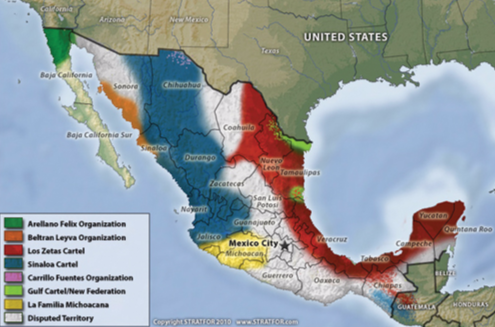
According to DEA analysis, the CJNG uses a "franchise-based command structure" that allows regional cells considerable autonomy while maintaining overall strategic direction from leadership. This decentralization serves as both a strength and vulnerability: while it makes cartels more resilient to leadership decapitation (individual cells can continue operating), it also creates internal competition that can erupt into violence when central authority weakens. The immediate violence following El Mencho's death represents competing factions within the CJNG jockeying for position while also sending a message to rivals and authorities about the cartel's continued potency.
From Drugs to Diversification: How Cartels Make Their Billions
While media often focus on drug trafficking, modern Mexican cartels have diversified into numerous criminal enterprises that make them more resilient and profitable. The CJNG, like other major cartels, generates revenue from multiple streams: fentanyl and methamphetamine production and trafficking, cocaine distribution, heroin smuggling, and increasingly, non-drug activities including fuel theft, extortion, human trafficking, kidnapping, and illegal mining. A 2024 study by the International Institute for Strategic Studies (IISS) found that Mexican cartels have been actively diversifying their criminal portfolios to reduce dependence on any single revenue source and to exploit new opportunities in local economies.
The financial scale is staggering. The CJNG alone is responsible for a significant portion of the fentanyl entering the United States, according to DEA assessments. But beyond drugs, cartels like the CJNG have developed sophisticated fuel theft operations (known as "huachicoleo") that siphon millions of dollars worth of petroleum products from Mexico's state-owned oil company pipelines. They also control extortion rackets targeting businesses from small stores to large corporations, and engage in illegal logging, avocado theft, and other resource crimes. This diversification makes cartels more economically resilient and harder to combat through traditional drug interdiction approaches.
.gif)
The Evolution of Mexican Cartels: From Hierarchies to Networks
Mexican cartels have undergone significant structural evolution since the heyday of monolithic organizations like the Guadalajara Cartel in the 1980s. Today's cartels resemble networked franchises more than traditional criminal pyramids. According to research from the Council on Foreign Relations, this shift began in the 1990s and accelerated after the fragmentation of large cartels like the Gulf Cartel and the arrest or killing of major capos. The result has been more agile, adaptable organizations that can quickly respond to market opportunities and law enforcement pressure.
The CJNG exemplifies this modern cartel structure. Rather than a single hierarchical organization, it operates as a coalition of criminal groups that pledge allegiance to the CJNG brand while maintaining operational independence. These groups pay taxes or percentages of their profits to the central leadership in exchange for protection, market access, and brand recognition. This structure allows for rapid expansion into new territories while limiting the damage from law enforcement actions against any single component. However, it also creates inherent tensions between different factions that can erupt into internal warfare when central leadership weakens or disappears.
Technology and Innovation: How Cartels Stay Ahead of Authorities
Mexican cartels have demonstrated remarkable adaptability in adopting new technologies to enhance their operations and security. From encrypted communication apps and social media recruitment to drone surveillance and even artificial intelligence applications, cartels like the CJNG have embraced digital tools that would surprise many traditional law enforcement agencies. A WIRED investigation revealed how the CJNG has used social media for recruitment, propaganda, and intimidation, while also employing drones for surveillance of rivals and authorities, and for delivering payloads in prison attacks.
This technological sophistication extends to their financial operations. Cartels use cryptocurrency, shell companies, and complex money laundering networks to move and hide their billions in profits. They also employ corruption as a systematic tool, bribing officials at all levels of government to protect their operations, gain intelligence about law enforcement actions, and ensure favorable treatment in the judicial system when members are captured. The combination of technological innovation and systemic corruption makes cartels exceptionally difficult to dismantle through conventional law enforcement approaches.
Leadership Decapitation: Why Killing Cartel Bosses Rarely Works
The violent response to El Mencho's killing illustrates a recurring pattern in Mexico's drug war: the decapitation of cartel leadership often triggers immediate violence but rarely results in long-term organizational collapse. Studies of counter-cartel strategies have shown that while removing top leaders can create temporary disruption, it frequently leads to increased violence as internal and external rivals compete to fill the power vacuum. The resulting fragmentation can create even more violent and unpredictable criminal groups, as seen after the takedown of cartel leaders like Joaquín "El Chapo" Guzmán.
According to analysis from InSight Crime, the CJNG has developed succession plans and decentralized leadership structures specifically designed to survive the loss of its top leader. While El Mencho was the public face and strategic director, operational control was distributed among regional commanders and trusted lieutenants who can maintain the cartel's activities during leadership transitions. This resilience highlights why simply targeting cartel leaders, while politically popular, often fails to significantly reduce cartel violence or criminal activity in the long term.
The Future of Mexican Cartels: What Comes After El Mencho
In the immediate aftermath of El Mencho's death, security analysts are watching several key indicators to predict the CJNG's future trajectory. The most likely scenarios include internal power struggles between El Mencho's family members and top lieutenants, potential fragmentation of the cartel into competing factions, and increased violence as rivals like the Sinaloa Cartel seek to exploit the perceived weakness. However, the CJNG's decentralized structure and diversified revenue streams make complete collapse unlikely.
Longer term, the evolution of Mexican cartels suggests they will continue adapting to changing circumstances. As pressure increases on drug trafficking routes, cartels are likely to further diversify into legal and illegal businesses that provide cover and additional revenue. They may also form temporary alliances with other criminal groups to defend against common threats while competing in other areas. The fundamental economic and social conditions that enable cartels to thrive—including poverty, corruption, and demand for illicit drugs—remain largely unchanged, suggesting that new versions of these criminal enterprises will continue to emerge regardless of individual leadership changes.
Key Takeaways: Understanding Cartel Resilience
Mexican drug cartels represent some of the most sophisticated and resilient criminal organizations in the world. Their decentralized, networked structures allow them to survive leadership decapitations and law enforcement pressure. Their diversified revenue streams beyond drug trafficking make them economically robust. Their adoption of technology and systematic corruption enable them to operate with relative impunity. And their deep integration into local communities and economies creates complex challenges for governments seeking to dismantle them.
The killing of El Mencho provides a real-time case study in cartel dynamics, showing both their vulnerability to targeted operations and their remarkable capacity for rapid, violent response. As Mexico and its international partners continue grappling with cartel violence, understanding these organizational realities is essential for developing more effective strategies that address not just individual leaders, but the structural conditions that allow cartels to thrive in the first place.