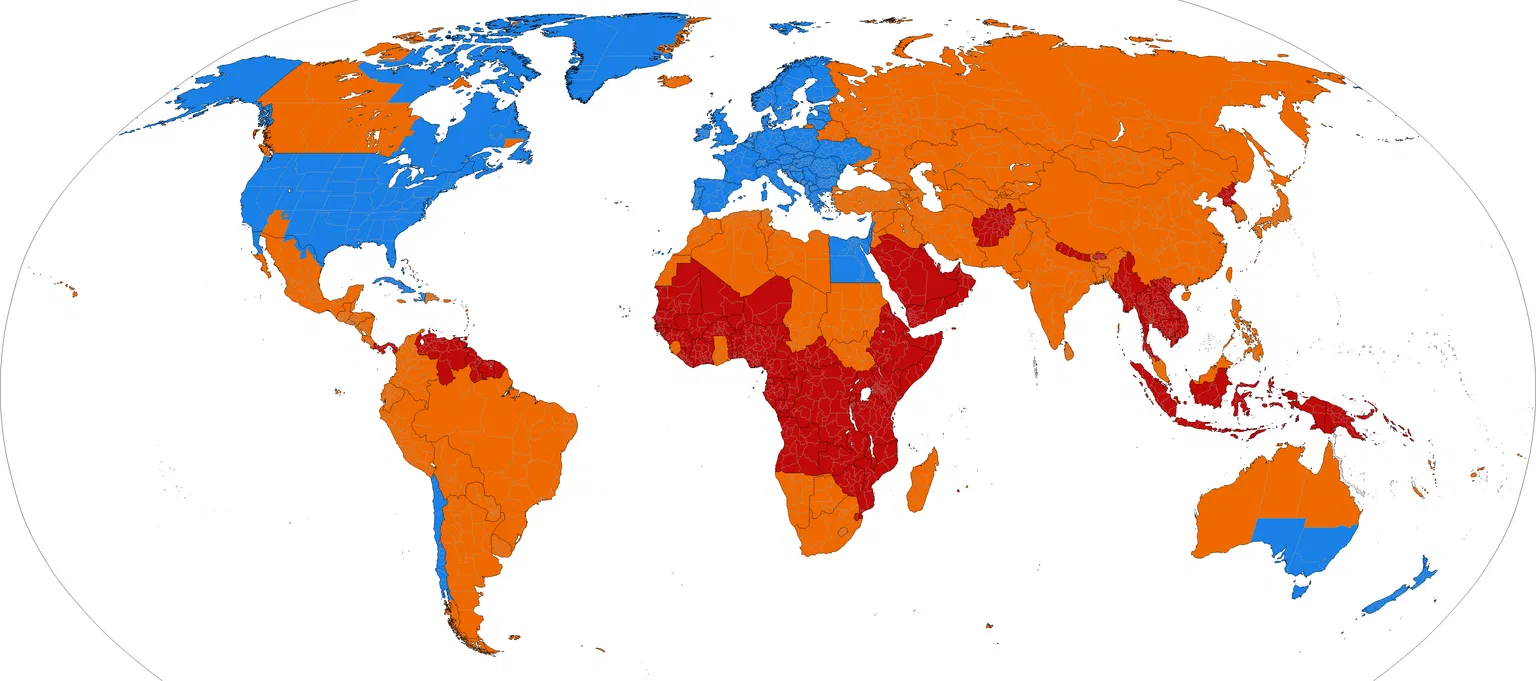
Daylight saving time (DST) is the twice-yearly practice of moving the clock forward one hour in the spring and back one hour in the fall — a routine millions of Americans know simply as "spring forward, fall back." On Sunday, November 1, 2026, at 2 a.m., most of the United States will turn the clocks back one hour and regain the hour of sleep lost back in March. But the ritual is far from settled: Congress is once again debating whether to make daylight saving time permanent and end the twice-yearly clock change for good.
Below, we break down exactly how daylight saving time works, why it began, what it does to your health and energy use, and where the push for permanent daylight saving time stands today.
How Daylight Saving Time Works: Spring Forward, Fall Back
The mechanics are simple, but the dates can trip people up. In the United States, daylight saving time begins on the second Sunday in March at 2 a.m. local time, when clocks jump forward one hour to 3 a.m. — the "spring forward" that costs an hour of sleep. It ends on the first Sunday in November at 2 a.m., when clocks fall back to 1 a.m., restoring standard time and granting an extra hour of sleep.
Those dates have been in place since 2007, when the Energy Policy Act of 2005 took effect. Before that, daylight saving time ran from the first Sunday in April to the last Sunday in October. The shift is designed to stretch daylight further into the evening during the warmer months, aligning waking hours with natural light so that people rely less on artificial lighting.
The change happens at 2 a.m. rather than midnight for a practical reason: it minimizes disruption. Most businesses are closed, few trains or flights are scheduled, and the shift is less likely to scramble work schedules or confuse the date for late-shift workers.
Not everyone participates. Most of Arizona and all of Hawaii, along with U.S. territories such as Puerto Rico, Guam, American Samoa, the U.S. Virgin Islands and the Northern Mariana Islands, stay on standard time year-round. Arizona opted out in 1968 largely because of its intense summer heat — an extra hour of evening sunlight means more air-conditioning use. Hawaii sits close to the equator, where daylight hours barely change from season to season, so shifting the clock provides little benefit.
Why We Change the Clocks: From Benjamin Franklin to World War I
Daylight saving time is often credited to Benjamin Franklin, but the founding father never actually proposed changing clocks. In a satirical 1784 essay, Franklin joked that Parisians could save money on candles by waking earlier to use morning sunlight. The idea was a punchline, not a policy.
The first country to formally adopt daylight saving time was Germany, which set clocks forward on April 30, 1916, to conserve coal during World War I. Britain and other European nations followed within weeks. The United States adopted the measure in 1918, also as a wartime fuel-saving effort, but it proved so unpopular — particularly with farmers, whose schedules were tied to sunrise rather than the clock — that it was repealed after the war.
It returned during World War II, when President Franklin D. Roosevelt imposed year-round "War Time" from 1942 to 1945 to conserve energy. After the war, the country fell into a patchwork of local start and end dates that created confusion for transportation companies and broadcasters alike. Congress resolved the chaos with the Uniform Time Act of 1966, which established consistent national dates for the spring and fall transitions.
Timeline: How U.S. Daylight Saving Time Took Shape
The path to today's system unfolded over more than a century:
- 1784 — Benjamin Franklin writes a satirical essay suggesting Parisians wake earlier to save candles; he never proposes changing clocks.
- April 30, 1916 — Germany becomes the first nation to adopt daylight saving time to save coal during World War I.
- 1918 — The United States adopts DST as a wartime measure; it is repealed the following year.
- 1942–1945 — President Roosevelt institutes year-round "War Time" during World War II.
- 1966 — The Uniform Time Act standardizes DST start and end dates nationwide.
- 2005/2007 — The Energy Policy Act extends DST, shifting it to the second Sunday in March and the first Sunday in November.
- March 2022 — The Senate passes the Sunshine Protection Act by unanimous consent, but the House never votes on it.
- July 14, 2026 — The House passes a reintroduced Sunshine Protection Act, 308–117, sending it to the Senate.
Does Daylight Saving Time Actually Save Energy?
The original justification for daylight saving time was energy conservation, but modern research suggests the savings are minimal — and sometimes nonexistent. A 2017 meta-analysis of 44 studies found that DST reduces electricity consumption by only about 0.3% during the period it is in effect.
Some studies go further, finding that daylight saving time can actually increase energy use. A well-known 2011 study of Indiana found that after the state adopted statewide DST, residential electricity demand rose by about 1% — roughly $9 million per year — because longer, brighter evenings drove more air-conditioning use in warm months, outweighing any savings from reduced lighting.
The bottom line: in an era of LED bulbs and round-the-clock cooling, the energy-saving rationale that launched daylight saving time more than a century ago largely no longer holds up.
The Health Effects of Losing an Hour of Sleep
The strongest argument against the twice-yearly shift is its effect on human health. The "spring forward" transition disrupts circadian rhythms and costs an hour of sleep, and research has linked it to measurable spikes in health risks.
A widely cited 2014 study from the University of Michigan found that the risk of heart attack rose by roughly 24% on the Monday after the spring transition, when clocks jump ahead. Other studies have associated the shift with a modest increase in stroke risk and a rise in traffic accidents in the days following the change, as sleep-deprived drivers take to the road.
This is why many medical organizations — including the American Academy of Sleep Medicine and the American Medical Association — support ending the clock changes. Importantly, however, they argue for permanent standard time rather than permanent daylight saving time, because standard time aligns more closely with the body's natural circadian rhythms and with morning light, which helps regulate sleep and alertness.
The Push for Permanent Daylight Saving Time: Where the Sunshine Protection Act Stands
Public frustration with changing clocks has translated into political momentum. In recent years, 19 states have passed legislation or resolutions to adopt year-round daylight saving time, pending federal approval. The list includes Florida, Georgia, Louisiana, Minnesota, Mississippi, Ohio, Oklahoma, South Carolina and Tennessee, among others. States are currently barred from making DST permanent on their own; under federal law, they can only opt out and stay on standard time — the choice Arizona and Hawaii have made.
The vehicle for change is the Sunshine Protection Act. The bill, championed for years by Florida's Marco Rubio — now the U.S. Secretary of State — would make daylight saving time the permanent, year-round standard across the country. In March 2022, the Senate passed the bill by unanimous consent, but it died in the House.
In 2026, the measure made its furthest push yet. On July 14, the House passed a reintroduced version of the Sunshine Protection Act by a bipartisan 308–117 vote, with the support of President Donald Trump. But the bill has since stalled in the Senate, where it needs 60 votes to overcome procedural hurdles — a threshold that has so far proved elusive. Senate Majority Leader John Thune has cautioned that support may fall short.
What Happens Next: The Road Ahead for Permanent DST
For now, the twice-yearly clock change remains the law of the land. Americans will fall back on November 1, 2026, and spring forward again on March 14, 2027.
The fate of permanent daylight saving time hinges on the Senate. If the Sunshine Protection Act clears the 60-vote threshold and reaches the president's desk, daylight saving time would become year-round — meaning darker winter mornings but more evening light. If it fails, the 19 states that have already approved permanent DST will keep waiting for federal permission that may never come.
Either way, the debate has shifted. The question is no longer whether the country should keep changing clocks — a growing majority wants that to stop — but whether to lock the clock on permanent standard time or permanent daylight saving time.
The Bottom Line: Key Takeaways
- Daylight saving time means "springing forward" one hour in March and "falling back" one hour in November; in 2026, it ends on November 1.
- Germany first adopted DST in 1916 to save coal during World War I; the U.S. standardized its dates with the Uniform Time Act of 1966.
- Modern research shows DST saves little energy — about 0.3% — and some studies find it increases electricity use.
- The spring shift is linked to a roughly 24% rise in heart attack risk; sleep experts favor permanent standard time over permanent DST.
- The Sunshine Protection Act, which would make DST permanent, passed the House in July 2026 but remains stalled in the Senate.
- Arizona (mostly), Hawaii and U.S. territories don't observe DST, while 19 states have passed laws supporting permanent DST if Congress allows.