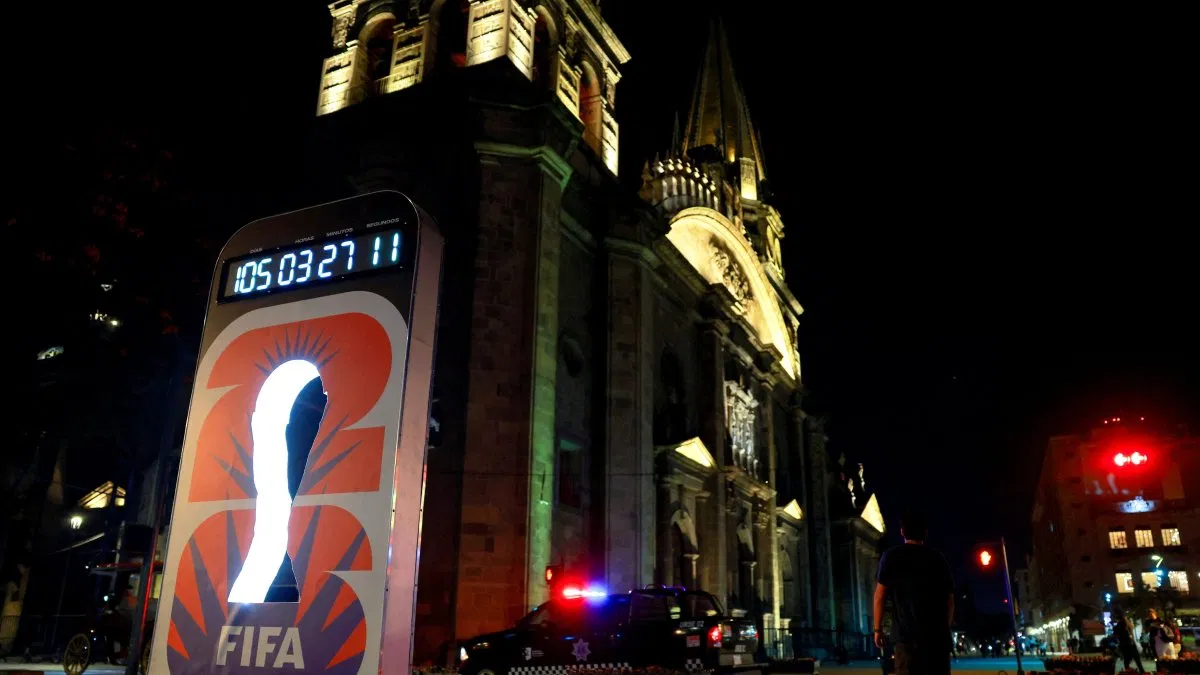
Recent cartel violence in Mexico has raised urgent questions about safety for the upcoming FIFA World Cup 2026, with FIFA President Gianni Infantino expressing "complete confidence" in Mexico's ability to co-host the tournament despite the security challenges. As the world's attention turns to North America for the largest World Cup in history, understanding how this expanded tournament works becomes increasingly important for fans, travelers, and sports enthusiasts alike.
The New 48-Team Format: How the 2026 World Cup Differs
The 2026 FIFA World Cup represents the most significant format change in the tournament's history, expanding from 32 to 48 participating national teams. According to FIFA's official format explanation, the tournament will feature 12 groups of four teams each, with every team playing three matches during the group stage. This expansion means 72 group-stage matches will be played, up from 48 in previous editions.
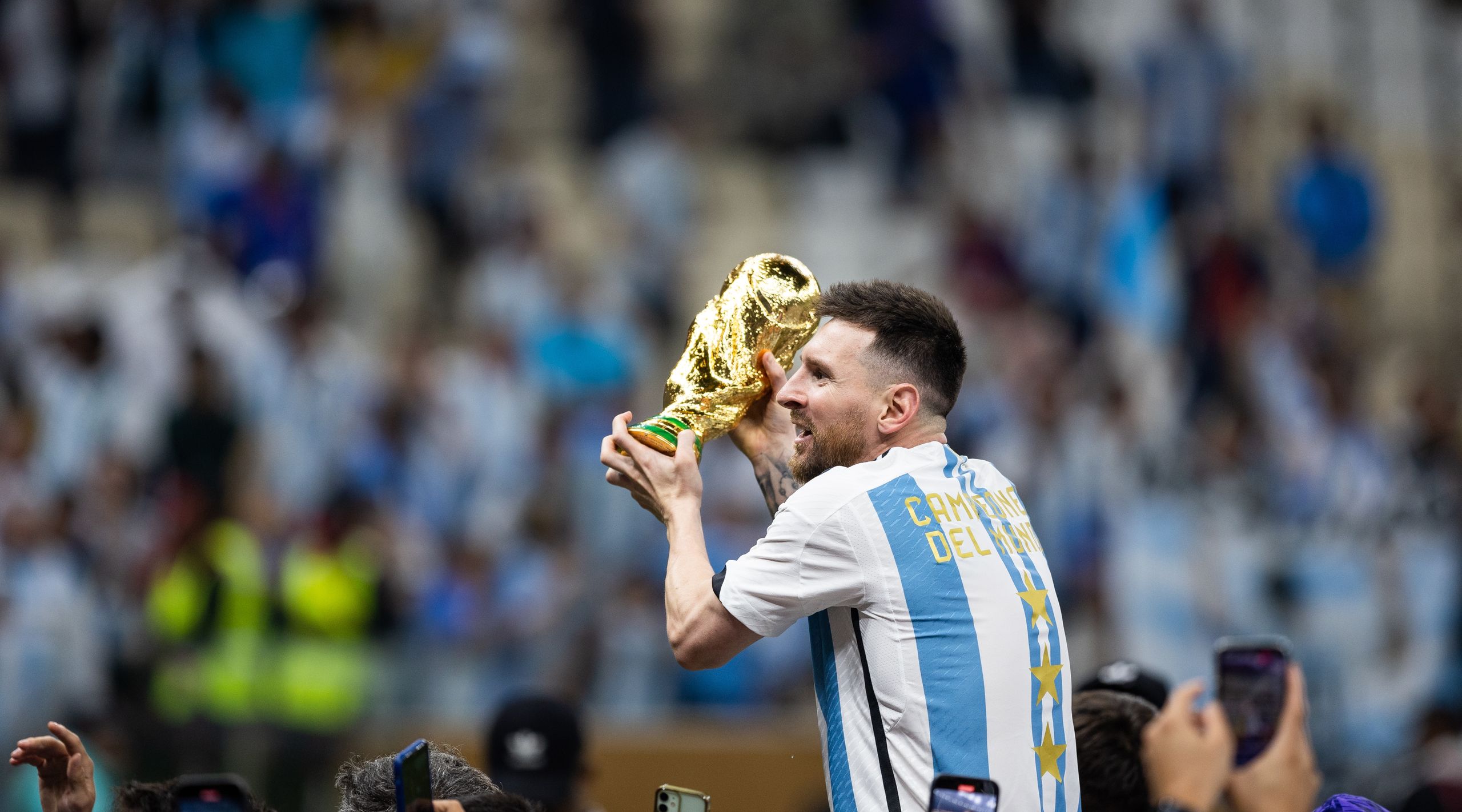
After the group stage concludes, the tournament introduces a newly expanded knockout phase. The top two teams from each group automatically advance, along with the eight best third-place teams, creating a 32-team knockout bracket. This marks the first time the World Cup will feature a Round of 32, followed by traditional Round of 16, quarter-finals, semi-finals, and the final on July 19, 2026. For the first time in World Cup history, finalists will play eight matches instead of the traditional seven, reflecting the expanded competition structure.
Understanding the Qualification Process for 48 Teams
With 48 slots available, the qualification process for the 2026 World Cup involves more teams than ever before. The three host nations—Canada, Mexico, and the United States—automatically qualify, leaving 45 spots to be determined through continental qualification tournaments. Each of FIFA's six continental confederations receives allocated slots based on their member association strength and historical performance.
The qualification process typically spans nearly three years, involving over 200 national teams worldwide. Teams compete in various rounds within their continental confederations, with formats varying by region. For example, UEFA (Europe) traditionally uses group stages followed by playoffs, while CONMEBOL (South America) employs a round-robin league format. The inter-confederation playoffs, featuring six teams split into two brackets, provide final opportunities for qualification, with both bracket winners securing World Cup spots.
Host Cities and Venue Distribution Across North America
The 2026 World Cup marks the first tournament hosted by three nations and will utilize 16 cities across Canada, Mexico, and the United States. Eleven U.S. cities will host matches, including major venues in New York/New Jersey, Los Angeles, and Dallas. Mexico will utilize three cities—Mexico City, Guadalajara, and Monterrey—while Canada will host in two cities, Toronto and Vancouver.

Mexico is scheduled to host 13 matches during the tournament, including the opening game in Mexico City on June 11 between the co-host and South Africa. Guadalajara, which has recently experienced cartel-related violence, is scheduled to host four group matches. The tournament schedule runs from June 11 to July 19, 2026, with matches distributed across all three nations throughout the six-week event.
Current Security Concerns and FIFA's Response
The recent wave of cartel violence in Mexico, triggered by the killing of drug lord "El Mencho" (Nemesio Ruben Oseguera Cervantes), has raised legitimate concerns about safety for the upcoming tournament. According to reports, cartel members responded to the killing with widespread violence, setting cars ablaze and blocking roads in nearly a dozen states, resulting in at least 70 deaths.
FIFA President Gianni Infantino addressed these concerns directly, stating, "Of course, we are closely monitoring the situation in Mexico, but I want to make it clear that we have full confidence in Mexico, in President Claudia Sheinbaum and in the authorities. We are convinced everything will proceed as smoothly as possible." Mexican President Sheinbaum has also assured the public that there is "every guarantee" that World Cup matches in Guadalajara will proceed as planned and that there is "no risk" to visitors.
The Tournament Timeline and What Fans Can Expect
The 2026 World Cup follows a carefully structured timeline beginning with the final draw in late 2025 or early 2026, where teams are placed into their respective groups. The group stage runs from June 11 through late June, followed by the expanded knockout phase starting with the Round of 32. The tournament culminates with the final on July 19, 2026, at MetLife Stadium in East Rutherford, New Jersey.
Fans attending matches can expect enhanced security measures, particularly in Mexican host cities. FIFA maintains regular contact with Mexican authorities and has established contingency plans while expressing confidence in the host nation's ability to ensure safety. Ticket sales have begun through FIFA's official platform, with various categories available to accommodate different budgets and preferences.
Key Takeaways About the 2026 World Cup
The 2026 FIFA World Cup represents both an expansion in scale and a test of organizational capacity for the three host nations. The new 48-team format creates more opportunities for national teams while extending the tournament experience for fans. Despite current security challenges in Mexico, FIFA and local authorities continue preparations for what promises to be the largest and most complex World Cup in history. Understanding the format, qualification process, and safety considerations helps fans appreciate both the sporting spectacle and the logistical achievements required to make this global event successful.