
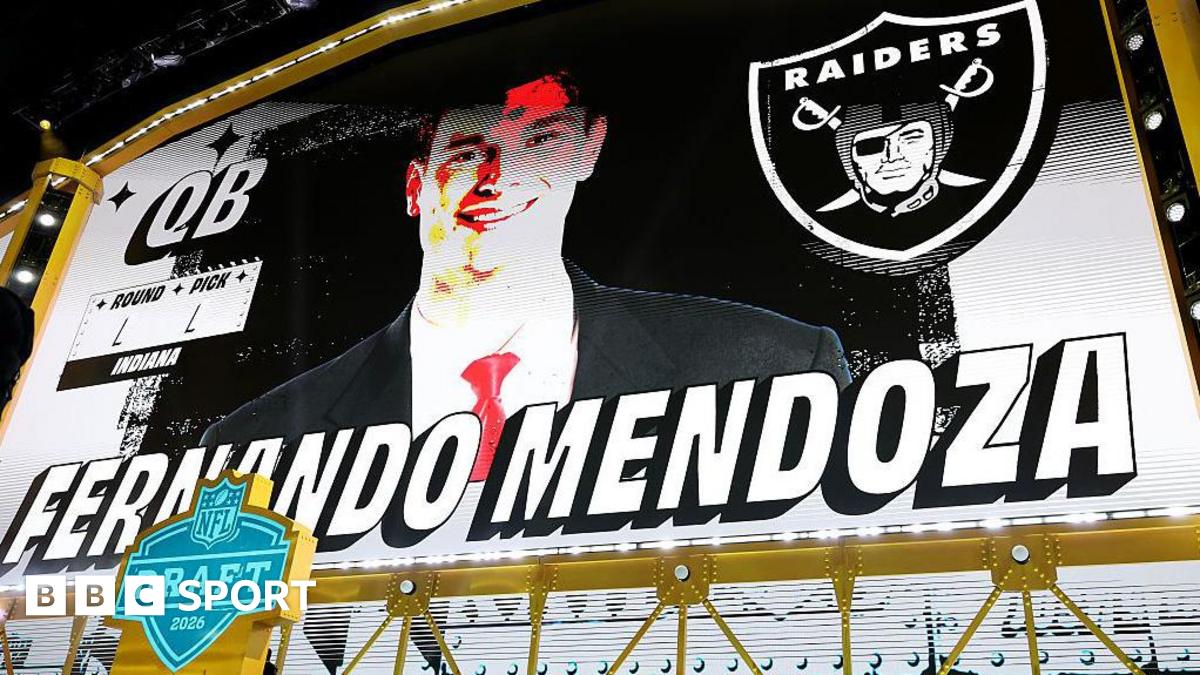
The NFL Draft is one of the most anticipated events on the American sports calendar — a three-day spectacle where the future of every franchise is shaped through the selection of college football's best talent. The 2026 NFL Draft, the 91st in league history, took place April 23-25 in Pittsburgh, Pennsylvania, with the Las Vegas Raiders selecting quarterback Fernando Mendoza with the first overall pick. But how exactly does the draft work, who gets to pick when, and what rules govern the process? Here's everything you need to know.
Inside the 2026 NFL Draft: Schedule, Location & First Pick
The 2026 NFL Draft was held in Pittsburgh, marking the city's first time hosting the event. The draft unfolded over three days with a specific schedule for each round. Round 1 kicked off on Thursday, April 23 at 8 p.m. ET, with each team getting just 8 minutes to make its selection — a notable change from the previous 10-minute limit and the first timing adjustment since 2008. Rounds 2 and 3 followed on Friday, April 24 at 7 p.m. ET, with 7 minutes per pick. The final four rounds (4 through 7) took place on Saturday, April 25 starting at noon ET, with 5 minutes per pick. The Las Vegas Raiders, who held the worst record in the 2025 season, had the honor — or responsibility — of making the first selection, choosing quarterback Fernando Mendoza from the University of California. Mendoza made history as just the third player ever to win the Heisman Trophy, capture a national championship, and be selected first overall in the same year.
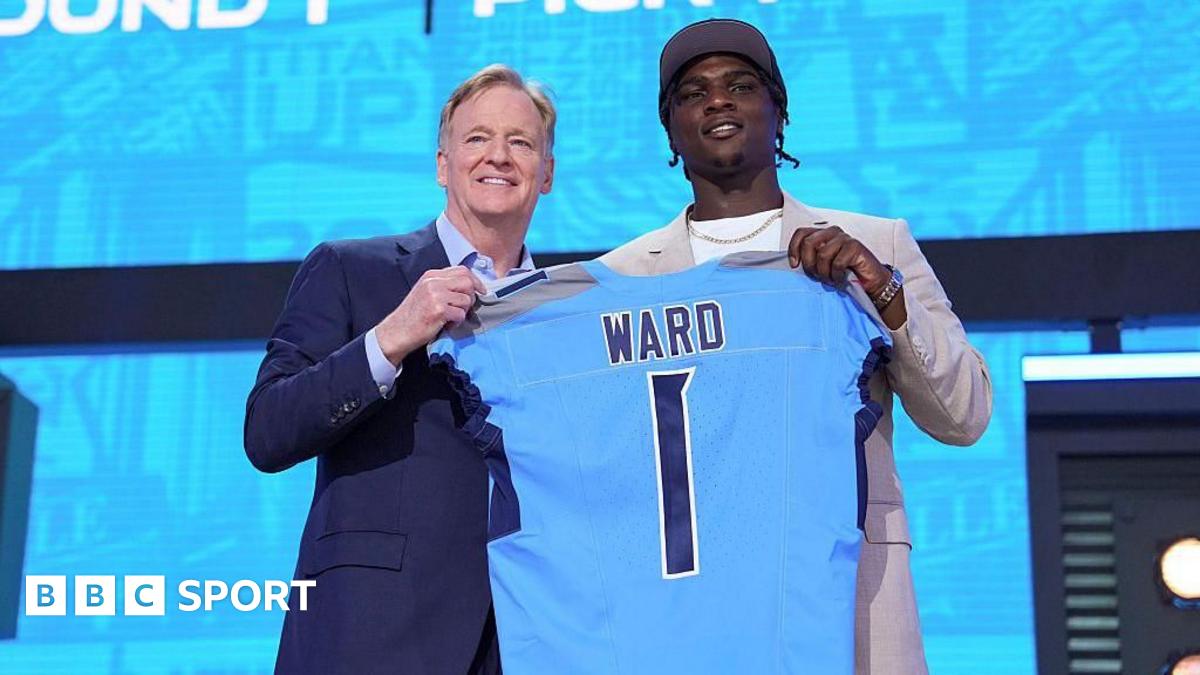
Timeline: How the NFL Draft Developed Over Nearly a Century
The NFL Draft was first proposed in 1935 by Philadelphia Eagles co-owner Bert Bell as a way to create competitive balance across the league. Before the draft, teams simply competed to sign the best college players — and wealthier teams consistently won. The first draft was held in 1936 at the Ritz-Carlton Hotel in Philadelphia, with just 81 players selected over 9 rounds. The draft grew steadily over the decades. In 1947, a "bonus pick" system was introduced, awarding the first overall selection by random draw — a practice that lasted until 1958 when every team had received one. The modern era of the draft truly began in 1980 when ESPN broadcast the event live for the first time, transforming it from a procedural meeting into a major television event. In 2010, the NFL moved to a three-day format, with Thursday night hosting the first round. By 2026, the draft had become a destination event, with Pittsburgh drawing hundreds of thousands of fans to its venue along the Allegheny River.
Why the Draft Order Matters: Understanding the Selection Process
The NFL Draft order is designed to promote parity. The team with the worst record in the previous season receives the first overall pick, the second-worst team picks second, and so on, with the Super Bowl champion selecting last in each round. This system ensures that struggling franchises get first access to the top college talent. In 2026, the Las Vegas Raiders (4-13 in 2025) held the first pick, followed by the Tennessee Titans, Arizona Cardinals, and New York Giants in the top five. The draft consists of seven rounds, with each of the 32 teams receiving one pick per round by default — totaling 224 selections. However, the actual number of picks exceeds 224 because of compensatory selections. These extra picks are awarded to teams that lost more or better qualified free agents than they signed during the previous offseason. The compensatory picks, ranging from the third to seventh rounds, are determined by a confidential formula based on salary, playing time, and postseason honors. In 2026, the NFL awarded 33 compensatory picks.
The Bigger Picture: Trades, Eligibility, and the Business of the Draft
Trading is a central part of draft strategy. Teams can negotiate trades both before and during the draft, swapping picks in the current or future drafts to move up or down in the order. For example, a team desperate for a quarterback might trade multiple future picks to move into the top five. The NFL allows teams to trade picks up to three drafts in advance. Player eligibility is also tightly regulated. To be eligible for the NFL Draft, a player must be at least three years removed from high school graduation. For most players, this means completing at least three college seasons before entering the draft. Once selected, rookie salaries are largely predetermined under the collective bargaining agreement — a system introduced in 2011 that ended the era of holdouts and record-breaking contracts for unproven players. Each pick in the draft has an assigned value that determines the salary slot. The first overall pick receives the largest contract, while late-round picks receive significantly less. Undrafted free agents — players not selected in any of the seven rounds — can sign with any team, typically for minimum salaries and small signing bonuses.
Latest: Where Things Stand in the 2026 Draft
As of late April 2026, the first round of the NFL Draft has been completed. The Las Vegas Raiders kicked things off by selecting Fernando Mendoza, making the California quarterback the face of their franchise. Other notable first-round picks included offensive tackle Spencer Fano going to the Cleveland Browns at pick 9, safety Caleb Downs to the Dallas Cowboys at pick 11, and running back Jeremiyah Love — the 2025 Doak Walker Award winner — to the Arizona Cardinals at pick 3. The draft continues with rounds 2 and 3 on Friday evening, followed by rounds 4 through 7 on Saturday. The final pick of the entire draft will earn the title of "Mr. Irrelevant" — a tradition started in 1976 by former NFL receiver Paul Salata to celebrate the last player selected.
What Happens Next: The Road Ahead for Drafted Players
Once selected, drafted players must sign their rookie contracts, participate in rookie minicamps, and compete for roster spots during training camp in July and August. For first-round picks, especially those taken early, expectations are sky-high — teams expect them to contribute immediately. For late-round selections and undrafted free agents, the path is harder, but the NFL is filled with stories of later-round picks who became stars. The 2026 NFL season will begin in September, giving these rookies just a few months to transition from college to professional football. The draft itself will return in 2027, with the selection order once again determined by the 2026 season standings.
Key Takeaways: Everything You Need to Know About the NFL Draft
- The NFL Draft is an annual 7-round event where 32 teams select eligible college players, with the order determined by the previous season's reverse standings
- The 2026 Draft was held in Pittsburgh from April 23-25, with the Raiders picking QB Fernando Mendoza first overall
- Round 1 gives teams 8 minutes per pick (reduced from 10 in 2026); later rounds have 7 and 5 minutes respectively
- Compensatory picks (32-33 per year) reward teams that lost more free agents than they gained
- Players must be three years removed from high school to be eligible for the draft
- Teams can trade picks up to three drafts in advance to move up or down in the order
- The last pick of the draft is traditionally called "Mr. Irrelevant"