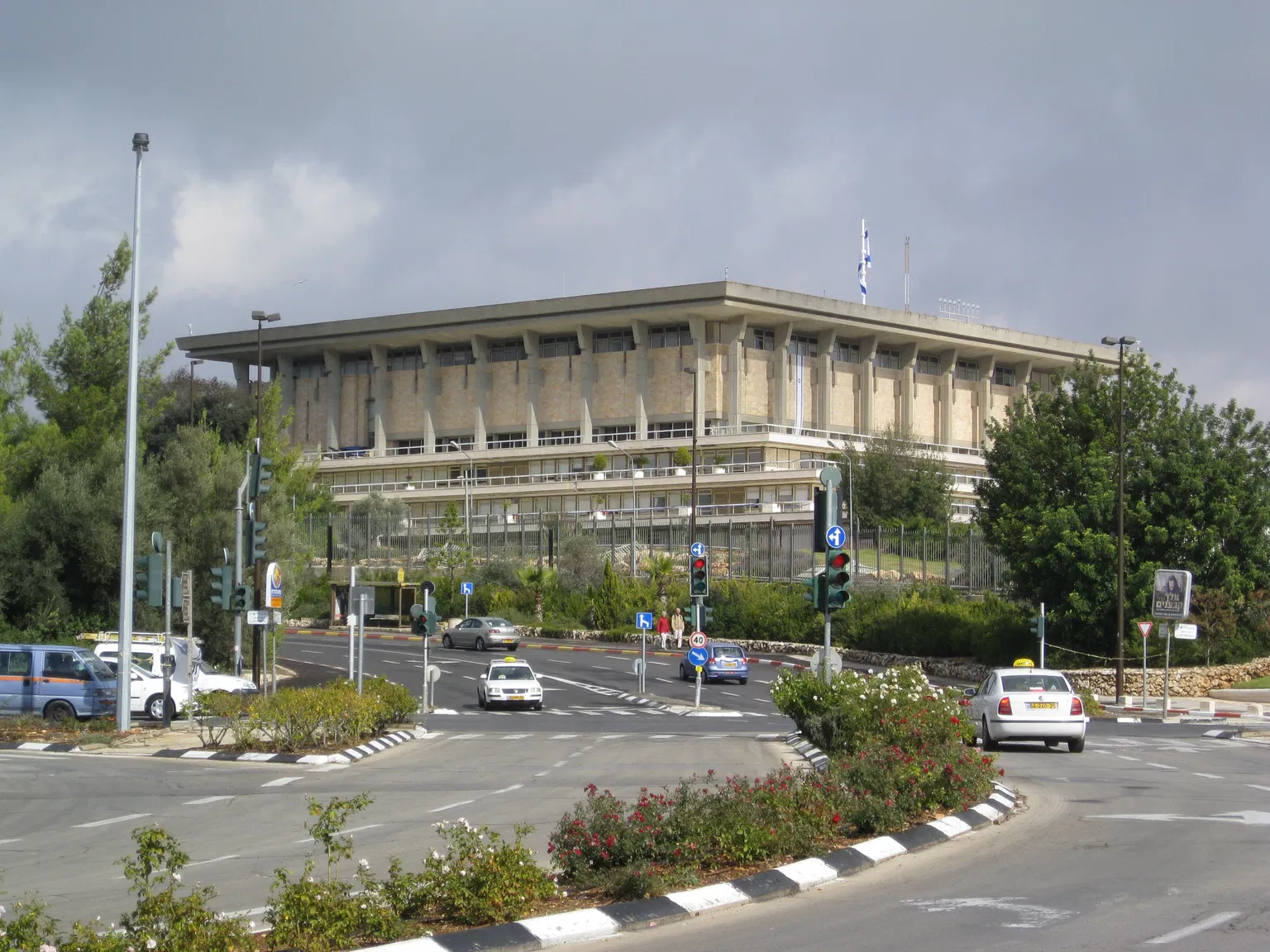
Israeli voters went to the polls on October 27, 2026, in what became a record-breaking election, yet the mechanics of how Israeli elections work remain unfamiliar to many outsiders. Unlike the winner-take-all systems used in the United States or the United Kingdom, Israel uses a single, nationwide system of proportional representation in which citizens vote for a party — never an individual candidate — and no single party has ever captured enough seats to govern alone. The outcome is a 120-seat parliament called the Knesset, a precise formula for converting votes into seats, and weeks of coalition bargaining before a prime minister is finally chosen. Understanding how Israeli elections work is the key to decoding the 2026 deadlock, in which Prime Minister Benjamin Netanyahu's bloc fell short of a majority and President Isaac Herzog was left holding the keys to the next government.
A Single Nationwide District: How Israelis Vote
Israel is treated as one enormous electoral district. On election day — which is always a national holiday so that workers and soldiers can cast ballots — every Israeli citizen aged 18 or older who appears on the voter register may vote. Voters select a party, not a person. Each party submits a ranked, "closed" list of candidates before the election, with the order determined through primary elections, party committees, or the leader's own decision. When a party wins seats, its candidates enter the Knesset in exactly the order they appear on that list.
There are no constituencies, no first-past-the-post races, and no direct vote for prime minister. Registration is automatic for citizens, who simply present identification at a polling station. Citizens living abroad generally must travel back to Israel to vote, with only narrow exceptions for diplomats and certain official representatives — a rule that regularly draws attention during close races.
How the 120 Seats Are Divided: The 3.25% Threshold and the Bader-Ofer Method
The Knesset holds 120 seats. To win any seat at all, a party must clear an electoral threshold of 3.25% of the national vote — roughly the equivalent of four seats. Parties that fall short see their votes discarded entirely, which is why smaller factions frequently merge into joint lists before election day.
Once the threshold is crossed, seats are handed out proportionally, but the arithmetic is not as simple as dividing votes by seats. Israel uses a procedure called the Bader-Ofer method. First, the total valid votes cast for all parties that cleared the threshold are divided by 120 to produce a "divisor," and each party is allotted seats equal to its vote total divided by that figure. The leftover "surplus" votes are then distributed in a second stage, and two parties may sign surplus-vote agreements so that their combined remainders can help one of them pick up an extra seat. This two-stage process is why the final seat tally can shift slightly in the days after the election as the Central Elections Committee finishes its count.
From Ballot Box to Prime Minister: How a Government Is Formed
Because no party has ever reached 61 seats on its own, the real contest begins only after the ballots are counted. Under Israeli law, the president — a largely ceremonial post currently held by Isaac Herzog — consults with every party elected to the Knesset and then tasks the member of Knesset deemed most likely to succeed with forming a government. In practice that is usually, but not always, the leader of the largest party.
The chosen lawmaker receives a 28-day mandate, extendable by up to 14 days, to strike coalition agreements with other parties until a bloc commands at least 61 of the 120 seats. The proposed government must then survive an investiture, or confidence, vote in the Knesset. Crucially, it needs only a simple majority of the votes actually cast, so a government can be sworn in with fewer than 61 "yes" votes if some lawmakers abstain. If the first candidate fails, the president may hand the mandate to another member of Knesset; if no one succeeds, the country is pushed into yet another round of elections.
Why Israeli Elections Keep Happening: A History of Snap Votes
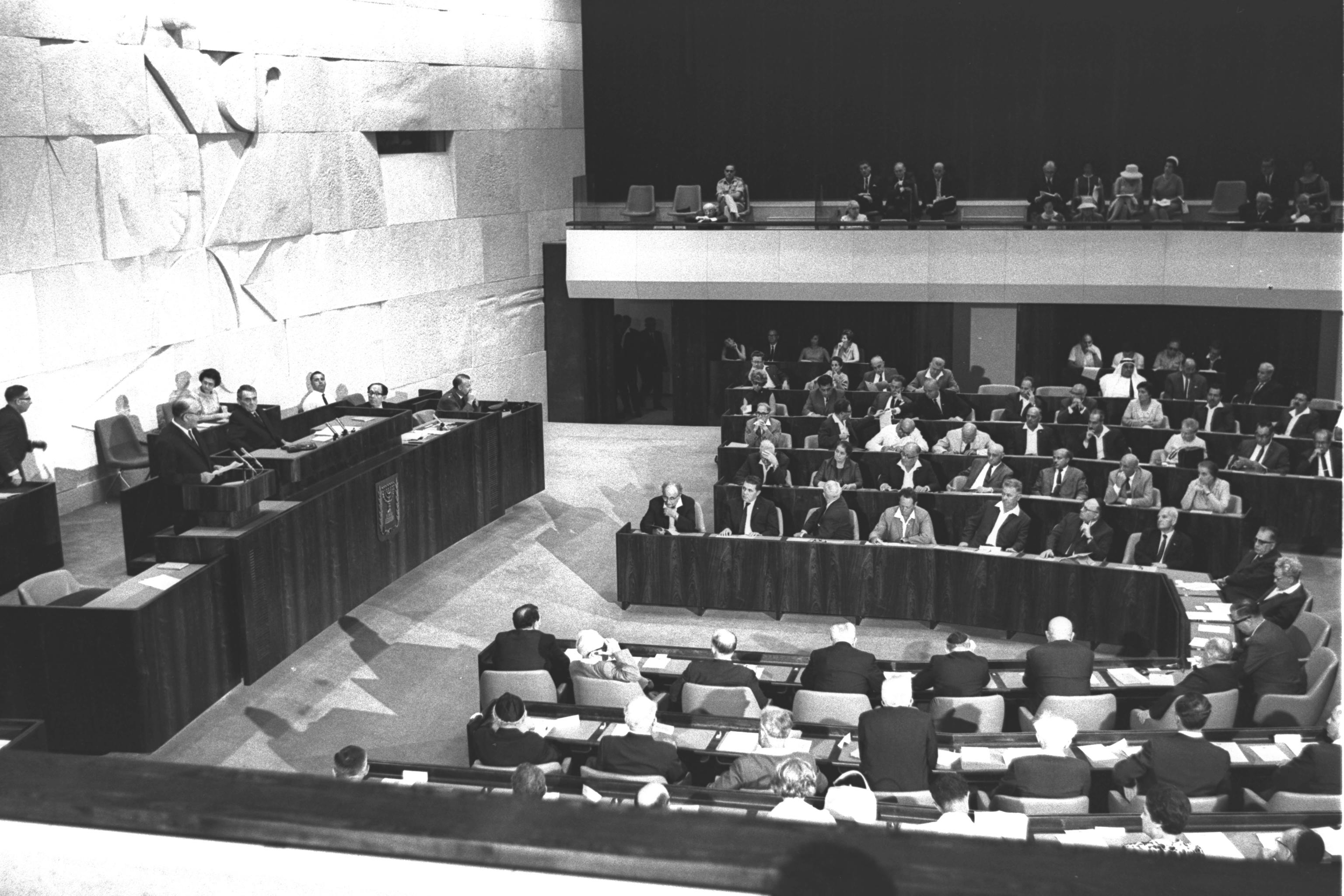
The Knesset is elected for a four-year term, with elections theoretically held on the third Tuesday of the Hebrew month of Heshvan. In practice, most governments collapse early. The Knesset can vote to dissolve itself, and since 1988 the country has cycled through snap elections again and again — between 2019 and 2022 alone, Israel held five elections in under four years, a streak of instability driven by coalition arithmetic and a deeply fragmented party map.
The reason is structural. A relatively low 3.25% threshold encourages many small, single-issue parties to run, which fragments the Knesset and forces large parties to bargain with smaller ones. A single defection or a policy dispute can cost a coalition its 61-seat majority and trigger a fresh vote.
The 2026 Election: Record Turnout and No Clear Winner
The 2026 vote illustrated nearly every feature of the system at once. Turnout was the highest in decades — about 77.7% of roughly 7.3 million eligible citizens, according to tallies — yet the proportional system again produced a split result. With more than 85% of votes counted, Netanyahu's Likud-led bloc secured 53 seats and the opposition bloc led by former military chief Gadi Eisenkot's Yashar party 48, while Arab-led parties won an unprecedented 19 seats. Neither side reached 61, leaving the president's choice of coalition-builder as the decisive next step. The outgoing Knesset had been dissolved in July 2026, when Netanyahu's coalition commanded only 60 seats — down from the 68 it had once held.
What Happens Next: Coalition Talks and the Threat of Another Election
Attention now turns to President Herzog, who must consult party leaders and decide whom to task with forming a government. Netanyahu, as leader of the largest bloc, is widely expected to receive the first mandate, but assembling 61 seats will require bringing in parties outside his current alliance — or winning over defectors. If talks fail, Herzog can turn to another candidate, most likely from the opposition, and if no one can command a majority, Israelis could face yet another election. Herzog has already publicly urged party leaders to avoid a fresh vote.
Key Takeaways: Understanding Israeli Elections
- Israelis vote for parties, not candidates, in a single nationwide district using proportional representation.
- The Knesset has 120 seats, and a party needs 3.25% of the vote (about four seats) to enter parliament.
- No party has ever won 61 seats alone, so every Israeli government is a coalition.
- The president chooses a coalition-builder, who gets 28 days (plus up to 14) to reach 61 seats and pass a confidence vote.
- Election day is a national holiday; the voting age is 18 and registration is automatic.
- Snap elections are common because coalitions are fragile and frequently collapse.
- In 2026, record turnout produced another hung parliament, putting the president at the center of the next phase.