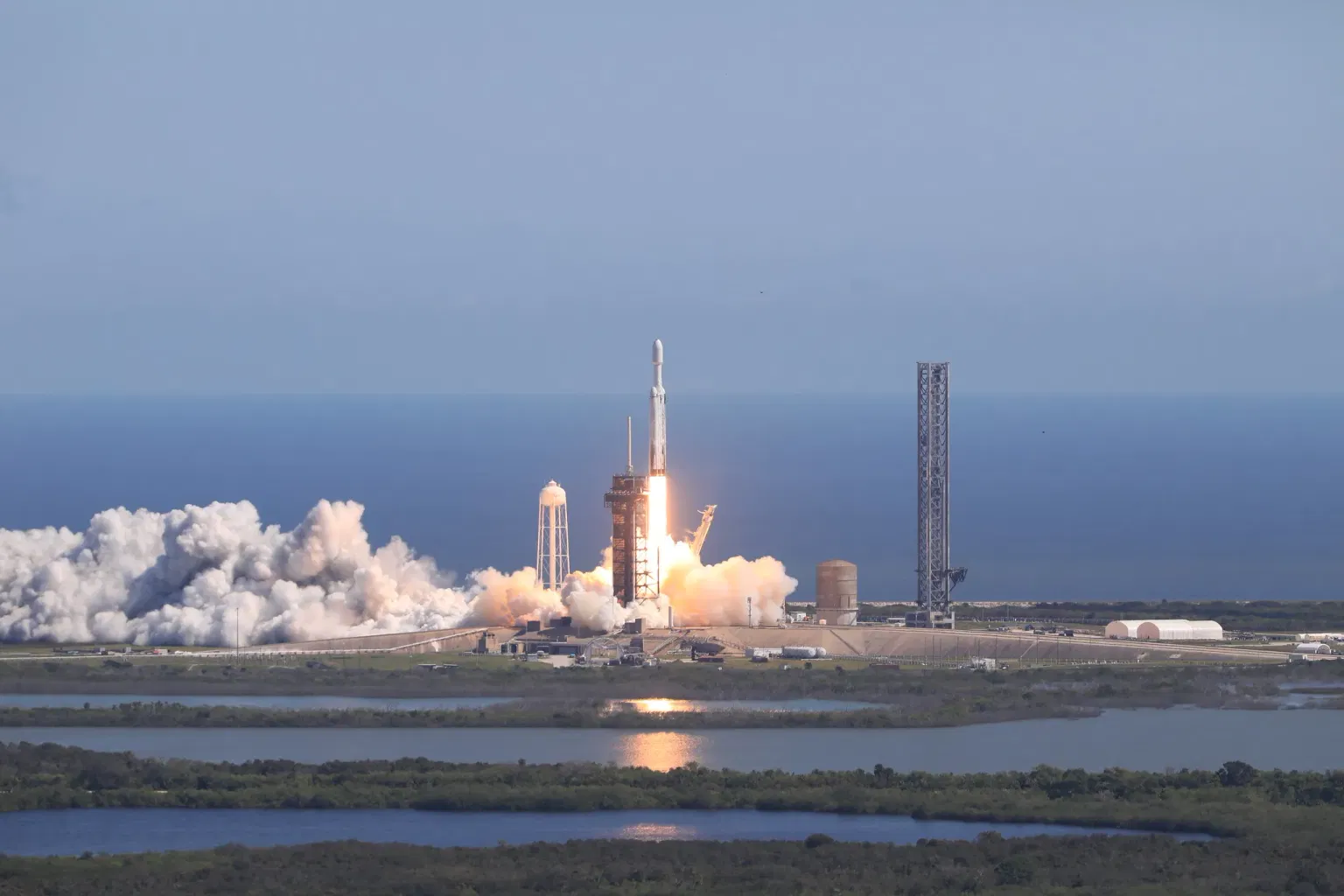
When you look up at the night sky and wonder about the mysteries of the universe, there's one organization that has been turning those wonders into reality for over six decades. The National Aeronautics and Space Administration, better known as NASA, represents humanity's most ambitious efforts to explore beyond our planet. But how does this complex agency actually work? From securing funding to launching spacecraft millions of miles into space, NASA's operations involve a carefully orchestrated blend of science, engineering, politics, and public engagement.
From Cold War Competition to Global Exploration Leader
The story of NASA begins with a beeping metal sphere orbiting Earth. When the Soviet Union launched Sputnik, the world's first artificial satellite, in October 1957, it sparked both fear and fascination in the United States. This "Sputnik moment" led directly to the creation of NASA through the National Aeronautics and Space Act of 1958, signed by President Dwight D. Eisenhower. Unlike military space programs, NASA was established as a civilian agency with peaceful exploration as its core mission.
NASA didn't start from scratch—it absorbed the National Advisory Committee for Aeronautics (NACA), which had been conducting aviation research since 1915. This gave the new agency immediate access to research facilities and scientific expertise. The famous "NASA meatball" logo, with its blue sphere representing a planet, stars for space, and a red chevron for aeronautics, was introduced in 1959 and remains one of the most recognized symbols in the world.
The Organizational Engine Behind Space Exploration
NASA operates through a carefully structured organization designed to manage everything from basic research to interplanetary missions. At the top sits the NASA Administrator, a presidential appointee confirmed by the Senate, who oversees the entire agency. Below this leadership, NASA divides its work into four major mission directorates:
- Aeronautics Research: Developing technologies for safer, faster, and more efficient air travel
- Science: Conducting research about Earth, the solar system, and the universe
- Space Technology: Creating new capabilities for future space missions
- Human Exploration and Operations: Managing crewed spaceflight and related systems
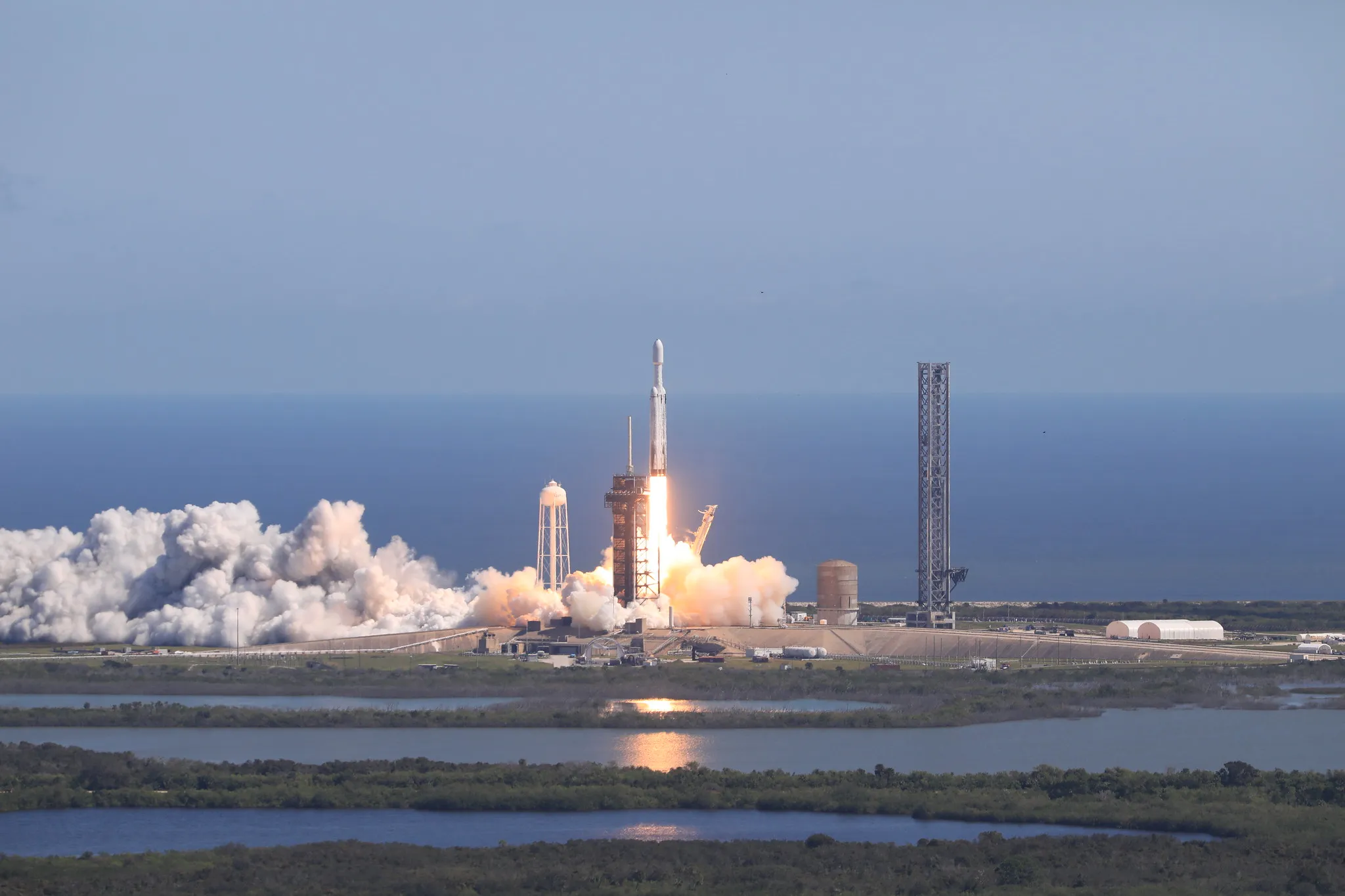
These directorates work across NASA's 10 major field centers, each with specialized expertise. The Johnson Space Center in Houston trains astronauts and manages the International Space Station. The Jet Propulsion Laboratory in California designs and operates robotic spacecraft. Kennedy Space Center in Florida handles launches, while Glenn Research Center in Ohio focuses on propulsion technology. This distributed structure allows NASA to leverage regional expertise while maintaining centralized coordination.
Funding the Final Frontier: Where NASA's Money Comes From
As a federal agency, NASA receives its funding through the annual congressional budget process. The President submits a budget request to Congress, which then appropriates funds through various committees. NASA's budget for fiscal year 2024 was approximately $25 billion—about 0.5% of the total federal budget. To put this in perspective, Americans spend more on pizza each year than their government spends on NASA.
This funding gets distributed across NASA's diverse portfolio. Approximately half supports human spaceflight programs like Artemis and the International Space Station. Another 30% funds robotic missions and scientific research, while the remainder goes to aeronautics, technology development, and education programs. Contrary to popular belief, NASA doesn't just spend money—it generates economic returns. Every dollar invested in NASA returns up to $10 in economic growth through technology spinoffs, job creation, and industrial innovation.
Mission Lifecycle: From Concept to Cosmic Discovery
Launching a NASA mission involves a meticulous process that can take decades from initial concept to final results. It typically begins with scientists proposing mission ideas through competitive selection processes. Once selected, missions move through distinct phases:
- Concept Studies: Teams develop preliminary designs and assess feasibility
- Formulation: Detailed planning of science objectives and technical requirements
- Implementation: Designing, building, and testing spacecraft and instruments
- Operations: Launching the mission and collecting scientific data
- Analysis: Processing data and publishing results for the global scientific community
Throughout this process, NASA employs rigorous engineering standards and testing protocols. Spacecraft undergo vibration testing to simulate launch conditions, thermal vacuum testing to mimic space environments, and extensive software validation. This meticulous approach explains why NASA missions have such remarkable success rates despite operating in the harsh environment of space.
Current Frontiers: NASA's Active Missions Changing Our Understanding
Today, NASA is conducting some of the most ambitious missions in its history. The Artemis program represents America's return to crewed lunar exploration, with Artemis II currently carrying astronauts around the Moon—the first humans to travel beyond low Earth orbit since 1972. This mission recently captured stunning photographs of Earth from lunar trajectory, providing fresh perspective on our fragile planet.
Meanwhile, robotic explorers continue expanding our knowledge. The James Webb Space Telescope has revolutionized astronomy with its infrared observations of distant galaxies. Mars rovers Perseverance and Curiosity continue their geological investigations of the Red Planet. And the recently launched Europa Clipper mission will conduct detailed reconnaissance of Jupiter's icy moon, searching for conditions suitable for life in its subsurface ocean.
Closer to home, NASA's Earth Science Division operates more than two dozen missions monitoring our planet's climate, weather, and environmental changes. These satellites provide critical data for understanding climate change, predicting natural disasters, and managing Earth's resources.
Beyond Space: How NASA Technology Improves Life on Earth
Many people don't realize how much NASA technology ends up in everyday products. Through its Technology Transfer program, NASA has documented over 2,000 spinoff technologies that have commercial applications. These include:
- Memory foam originally developed for aircraft seats
- CAT scanners using digital signal processing from lunar missions
- Cordless tools created for Apollo program sample collection
- Water filtration systems developed for the International Space Station
- Scratch-resistant lenses using technology from astronaut helmet visors
NASA also plays a crucial role in education and inspiration. The agency's STEM engagement programs reach millions of students annually, while public outreach initiatives like NASA TV, social media channels, and visitor centers make space exploration accessible to everyone. The popular "Image of the Day" feature shares breathtaking cosmic visuals that remind us of both the beauty and scale of the universe we're exploring.
Looking Forward: The Next Chapter of Space Exploration
As NASA approaches its 70th anniversary, the agency faces both exciting opportunities and significant challenges. The Artemis program aims to establish a sustainable human presence on the Moon, serving as a proving ground for future Mars missions. Ambitious concepts like the Mars Sample Return mission would bring Martian rocks to Earth for detailed analysis, while proposed observatories could directly image exoplanets around other stars.
NASA continues to evolve its approach, increasingly partnering with commercial space companies through programs like Commercial Crew and Commercial Lunar Payload Services. These partnerships leverage private sector innovation while allowing NASA to focus on deep space exploration. International collaboration also remains essential, with the Artemis Accords creating a framework for peaceful cooperation in space exploration.
From its beginnings as a response to Cold War competition to its current role as a leader in scientific discovery, NASA demonstrates what humanity can achieve when we direct our curiosity, ingenuity, and resources toward exploring the unknown. The agency's work continues to push boundaries, inspire generations, and remind us that the greatest adventures still lie ahead—not just in the stars above, but in the technological and scientific breakthroughs that emerge from reaching for them.