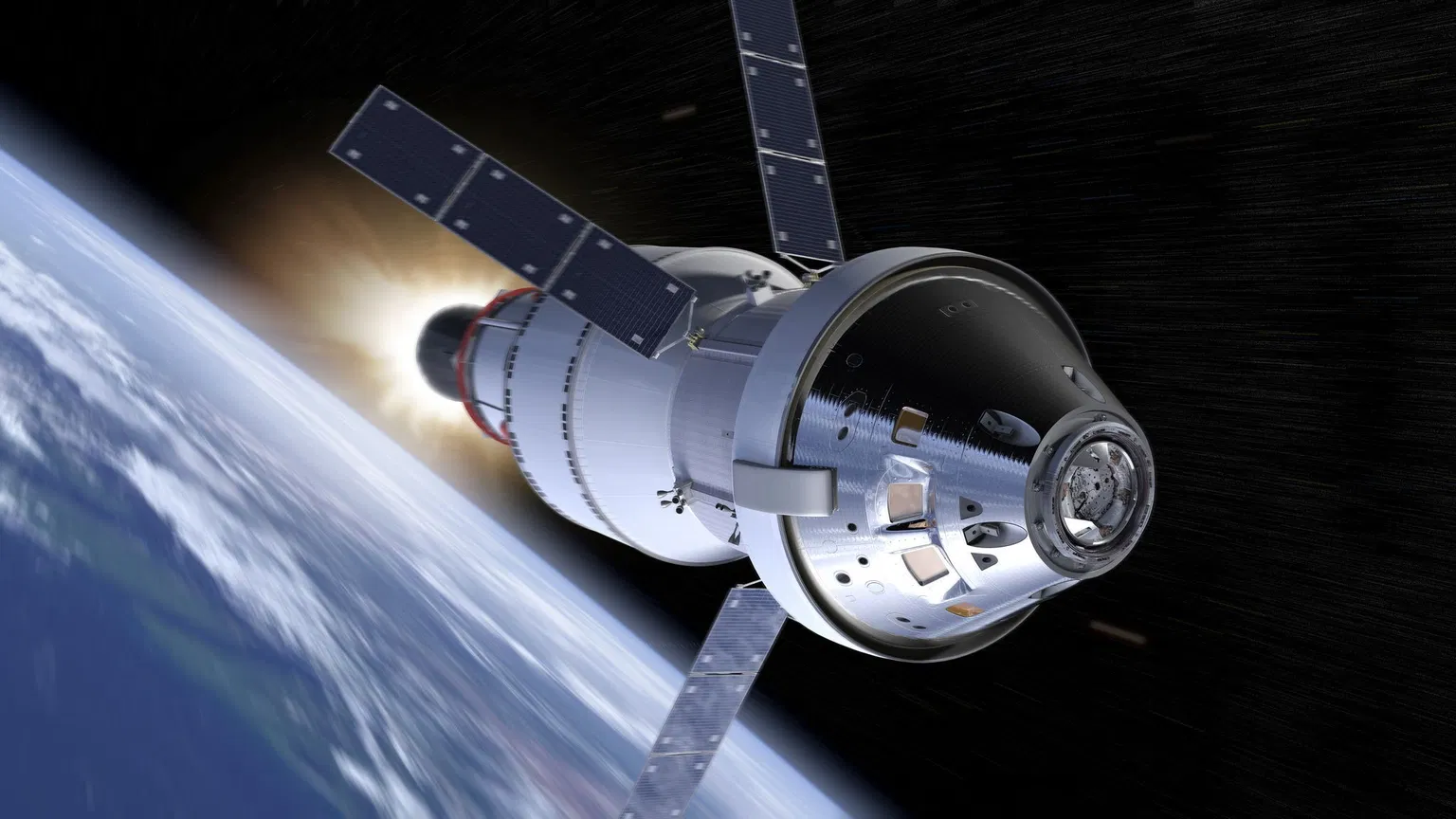
More than five decades after the last Apollo astronauts left the Moon, humanity is returning to lunar space. NASA's Artemis II mission, scheduled for launch on April 1, 2026, marks a monumental step in this new era of deep space exploration. Unlike its uncrewed predecessor, Artemis I, this 10-day journey will carry four astronauts on a high-speed flyby around the Moon, testing the systems and human endurance required for future lunar landings and missions to Mars.
The Historic Return: Why Artemis II Matters
Artemis II is not just another spaceflight; it's the first crewed mission to travel to the vicinity of the Moon since Apollo 17 in 1972. As a critical test flight under NASA's Artemis program, its primary objective is to validate the performance of the Space Launch System (SLS) rocket and the Orion spacecraft with humans aboard in the deep space environment. The mission will travel thousands of miles beyond the Moon, further than any human has ever ventured from Earth. This flight will gather essential data on astronaut health, spacecraft life support, communication systems, and navigation in deep space—information that is indispensable for the planned Artemis III lunar landing mission and for eventual journeys to Mars.
Meet the Crew: The Four Astronauts Making History
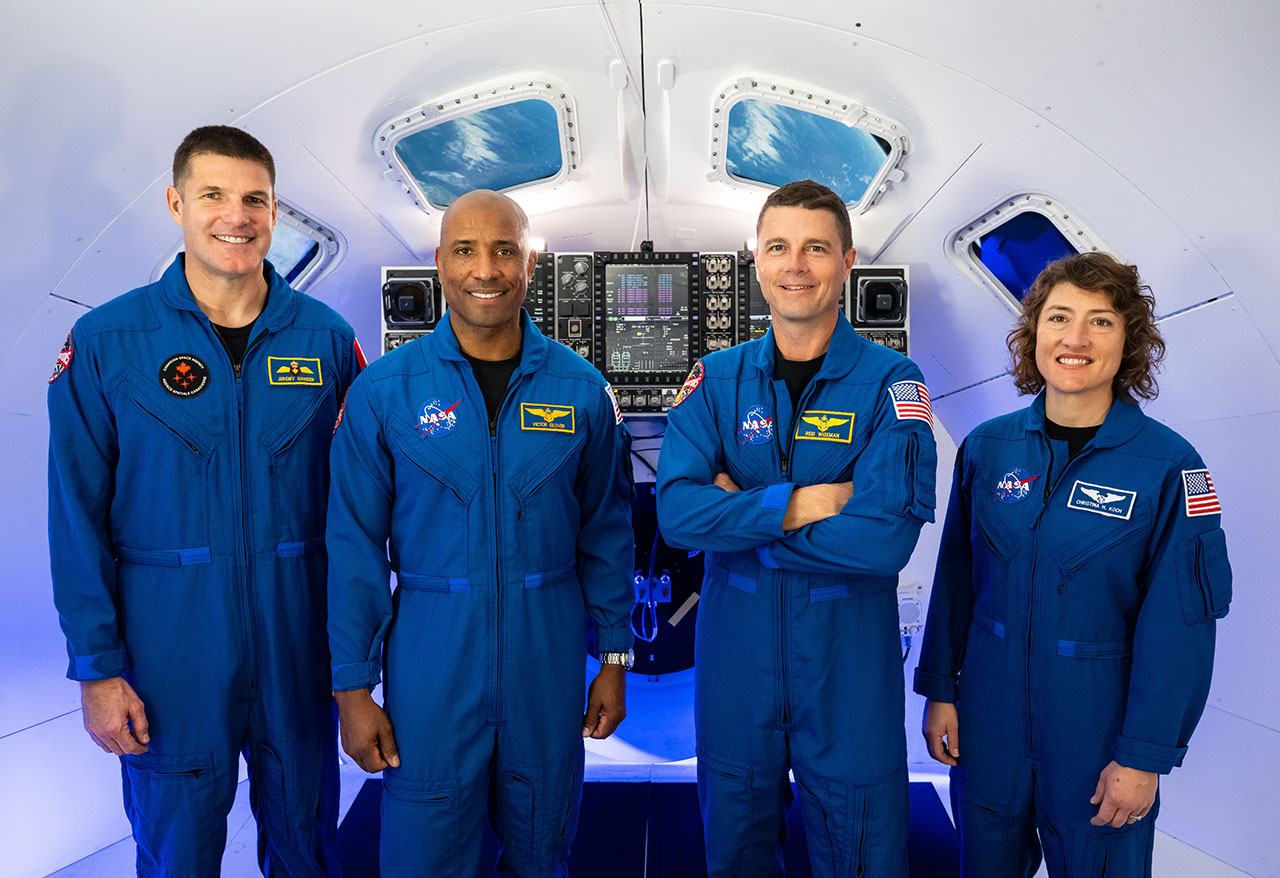
The success of Artemis II rests on the shoulders of a diverse and experienced four-person crew. Leading the mission as commander is NASA astronaut Reid Wiseman, a seasoned Navy test pilot and former International Space Station flight engineer. Serving as pilot is NASA astronaut Victor Glover, who previously piloted the SpaceX Crew-1 mission to the ISS. As mission specialist, NASA astronaut Christina Koch brings her record-setting experience for the longest single spaceflight by a woman. Rounding out the crew is Canadian Space Agency astronaut Jeremy Hansen, a former fighter pilot and the first Canadian destined to travel to lunar space. Together, they represent the international collaboration that defines modern space exploration.
Step by Step: How the Artemis II Mission Will Unfold
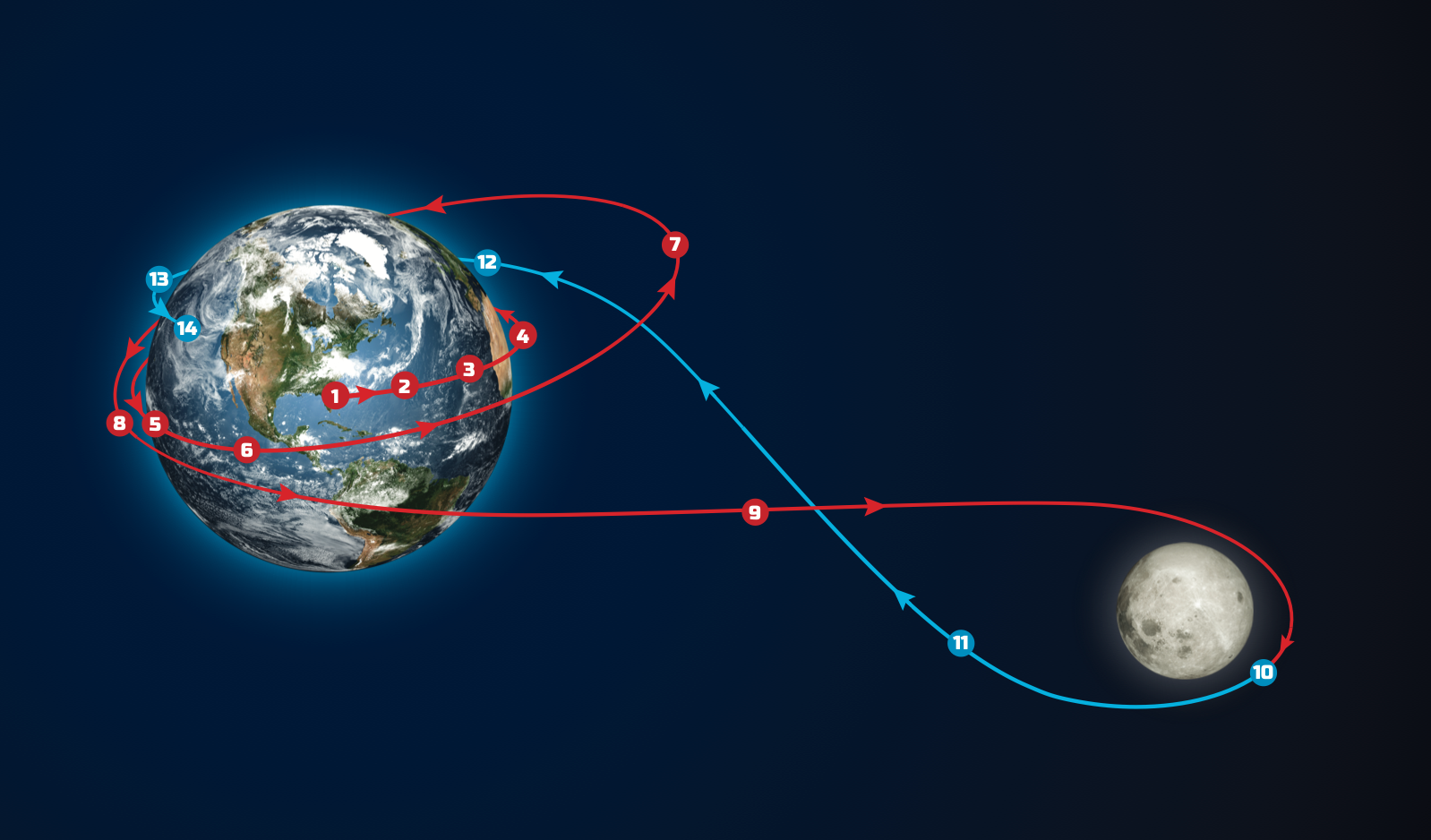
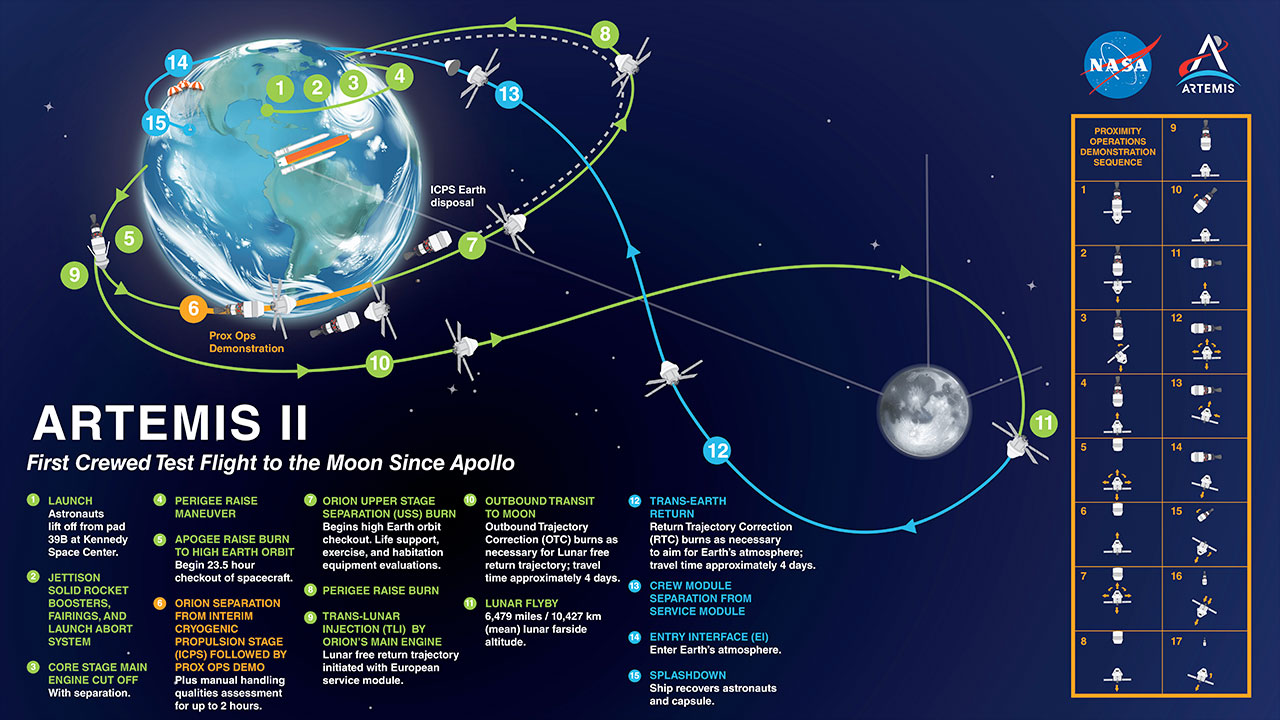
The Artemis II mission will follow a precise, figure-8-shaped trajectory known as a hybrid free return. The journey begins with launch from Kennedy Space Center's Launch Complex 39B aboard the towering SLS rocket. After reaching Earth orbit, the Orion spacecraft will separate and perform a critical engine burn called the Trans-Lunar Injection (TLI), setting it on a path toward the Moon. The crew will spend several days traveling to the Moon, conducting system checks and science experiments. Orion will swing around the far side of the Moon, using lunar gravity to slingshot itself back toward Earth without needing a major engine burn. The spacecraft will then embark on the multi-day return trip, culminating in a high-speed re-entry into Earth's atmosphere and a splashdown in the Pacific Ocean.
The Technology Behind the Mission: SLS Rocket and Orion Spacecraft
Two engineering marvels make Artemis II possible: the Space Launch System (SLS) and the Orion crew capsule. The SLS is the most powerful rocket ever built, standing 322 feet tall and capable of generating over 8.8 million pounds of thrust at liftoff. Its core stage and twin solid rocket boosters are designed to propel Orion out of Earth's gravity well and toward the Moon. The Orion spacecraft is NASA's next-generation human exploration vehicle, built to sustain a crew of four for up to 21 days in deep space. It features advanced life support systems, radiation shielding, and a heat shield capable of withstanding re-entry temperatures of nearly 5,000 degrees Fahrenheit—the hottest ever experienced by a crewed spacecraft.
Scientific Goals and Experiments
While engineering validation is the primary focus, Artemis II will also conduct valuable scientific research. The crew will monitor their own physiological responses to deep space radiation and microgravity, providing crucial data for understanding long-duration spaceflight risks. They will also test new radiation protection garments and conduct Earth and lunar observations. Furthermore, the mission will demonstrate deep space communication and navigation technologies, including the use of NASA's Deep Space Network and optical communication systems that can transmit data at rates far higher than traditional radio waves.
What Happens After Artemis II: The Road to Lunar Landings
Artemis II is the essential bridge between the uncrewed test of Artemis I and the lunar landing planned for Artemis III. The data and experience gained from this crewed flyby will directly inform the final preparations for returning humans to the lunar surface. Following Artemis II, NASA will launch the Gateway lunar outstation—a small space station that will orbit the Moon and serve as a staging point for surface missions. Artemis III, currently planned for no earlier than 2027, will see the first woman and the next man land on the lunar South Pole, a region rich in water ice and scientific potential. The success of Artemis II is therefore not an end, but the critical beginning of a sustainable human presence on and around the Moon.
Key Takeaways from NASA's Artemis II Mission
The Artemis II mission represents a historic pivot in human space exploration. It combines the proven experience of a veteran astronaut crew with the cutting-edge technology of the SLS and Orion to reopen the deep space frontier. By rigorously testing all systems with humans aboard, NASA is methodically reducing the risks for future, more complex missions. When the Orion capsule splashes down after its 10-day journey, it will bring back more than just four astronauts—it will deliver the confidence and knowledge needed to take the next giant leap: a permanent human return to the Moon.