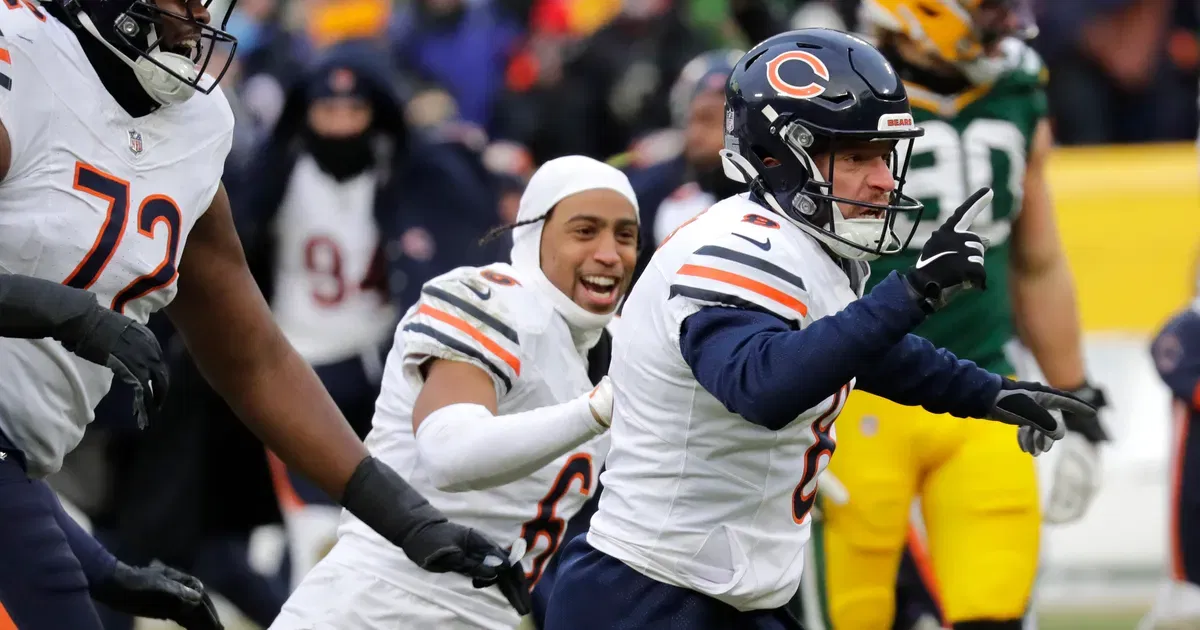
The Green Bay Packers and Chicago Bears have been battling on football fields since 1921, creating the NFL's oldest and most storied rivalry. When Cairo Santos's 51-yard field goal sailed through the uprights as time expired on January 5, 2025, giving the Bears a dramatic 24-22 victory, it was just the latest chapter in a competition that has defined professional football for over a century. Understanding how NFL games work provides the foundation for appreciating why moments like these matter so much to millions of fans.
The Basics of NFL Football: How the Game Works
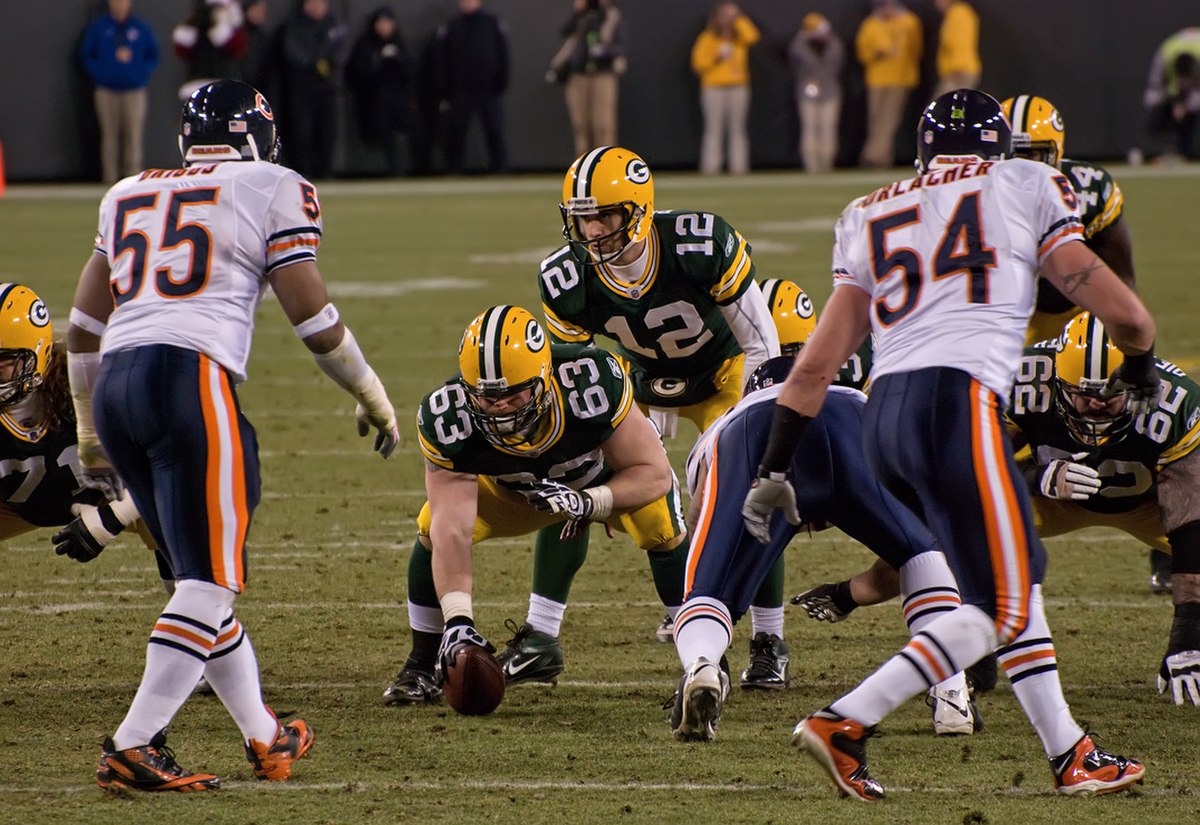
At its core, American football is about territory and possession. Two teams of 11 players each compete on a 100-yard field with 10-yard end zones at either end. The offense tries to advance the ball down the field through running or passing plays, while the defense aims to stop them. Teams have four attempts (called "downs") to move the ball 10 yards. If they succeed, they get a new set of downs; if they fail, they typically punt the ball to the other team or attempt a field goal.
Games are divided into four 15-minute quarters with a 12-minute halftime break. The clock stops for various reasons including incomplete passes, players going out of bounds, timeouts, and after scoring plays. Each team gets three timeouts per half, and games can go into overtime if tied at the end of regulation.
Understanding NFL Scoring: How Points Are Earned
The NFL's scoring system might seem complex at first, but it follows logical principles. According to the official NFL rulebook, there are four primary ways to score:
- Touchdown (6 points): Achieved when a player carries the ball into the opponent's end zone or catches a pass in the end zone. The ball must cross the plane of the goal line while in the player's possession.
- Field Goal (3 points): Kicked through the uprights of the goalpost from anywhere on the field. Field goals are typically attempted on fourth down when a team is within kicking range but unlikely to get a first down.
- Safety (2 points): Awarded to the defense when they tackle an offensive player with the ball in their own end zone. This is relatively rare but can be game-changing.
- Extra Point (1 or 2 points): After a touchdown, teams can attempt either a 1-point kick from the 15-yard line or a 2-point conversion from the 2-yard line by running or passing the ball into the end zone.
The Packers-Bears Rivalry: Football History in the Making
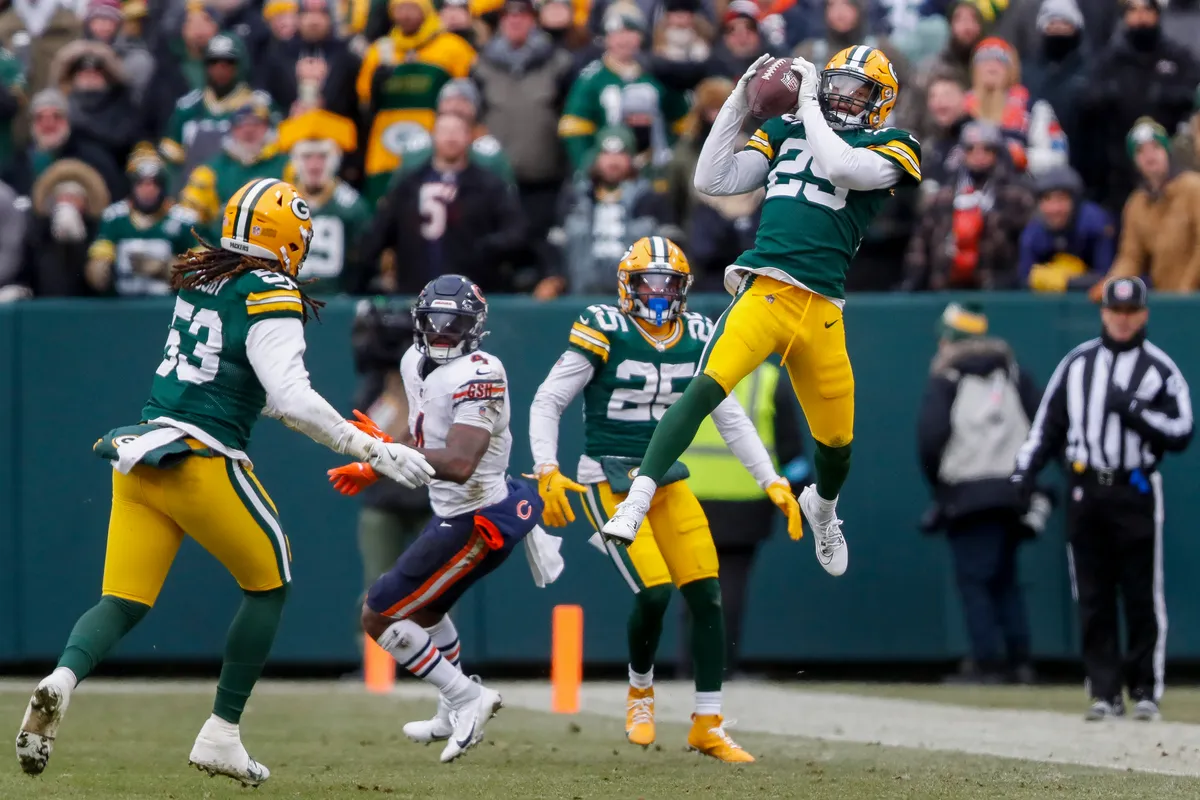
To understand why the Packers vs Bears matchup matters, you need to appreciate its historical significance. These two franchises have met 213 times since their first game in 1921, making it the most-played rivalry in NFL history. The Packers currently lead the series 109-98-6, but the Bears dominated for decades before Green Bay's recent success.
What makes this rivalry unique extends beyond the field. The Packers are the only community-owned major professional sports team in the United States, while the Bears represent one of America's largest cities. Together, they've won 22 NFL championships (13 for Green Bay, 9 for Chicago) and have produced 77 Hall of Famers. When these teams meet, they're not just playing for current standings—they're playing for legacy.
Recent Drama: How Two Games Explained NFL Football
The 2024-25 season provided perfect examples of how NFL games unfold. In Week 18 on January 5, 2025, the Bears and Packers played a game that demonstrated nearly every aspect of football strategy. The Bears scored first on a punt return touchdown—a special teams play worth 6 points. The Packers responded with a field goal (3 points), then a rushing touchdown with an extra point (7 points total). The back-and-forth continued until the final seconds, when Bears kicker Cairo Santos made a 51-yard field goal for the 24-22 win.
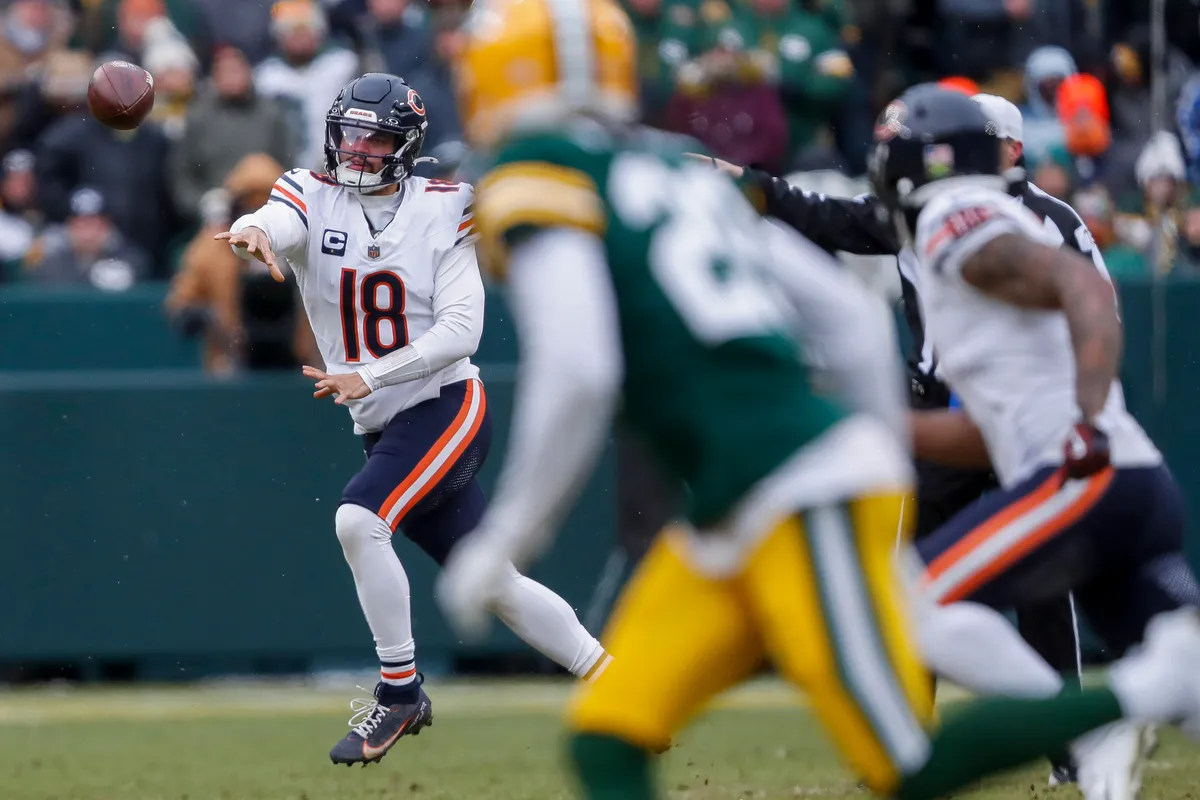
Just five days later in the NFC Wild Card round, the teams showed how quickly fortunes can change in the NFL. The Packers built a 21-3 halftime lead through efficient passing and red zone execution. But in the second half, the Bears' defense made key stops while quarterback Caleb Williams engineered multiple scoring drives. Chicago's 31-27 comeback victory—overcoming an 18-point deficit—demonstrated why football is often called "a game of two halves."
How to Watch and Understand NFL Games Like a Pro
For newcomers to football, watching a Packers-Bears game can be overwhelming. Here's a simple framework for understanding what you're seeing:
- Follow the down and distance: The yellow line on TV shows how far the offense needs to go for a first down. On third down with long yardage, expect a pass; on third and short, expect a run or short pass.
- Watch the line of scrimmage: The battle between offensive and defensive lines often determines which team controls the game.
- Recognize scoring opportunities: When a team reaches the "red zone" (inside the 20-yard line), they're in prime scoring position. Defensive stops here are crucial.
- Understand clock management: In close games, watch how teams use timeouts and whether they try to stop the clock by throwing passes near the sidelines.
- Appreciate special teams Field position matters tremendously. A great punt or kick return can change the entire game, as shown by Josh Blackwell's 94-yard punt return touchdown in the Week 18 game.
The Bottom Line: Why Football's Fundamentals Matter
Whether you're watching the historic Packers-Bears rivalry or any NFL game, understanding the basic rules and strategies enhances the experience. Football combines physical chess matches with explosive athleticism, where a single play can shift momentum dramatically. The recent games between Green Bay and Chicago demonstrated everything from last-second field goals to historic comebacks—all within the framework of rules established over a century ago.
As the NFL continues to evolve, the fundamentals remain constant: advance the ball, protect your territory, and score more points than your opponent. When you watch the next Packers vs Bears matchup, you'll not only see a historic rivalry but a living demonstration of how professional football works at its highest level.