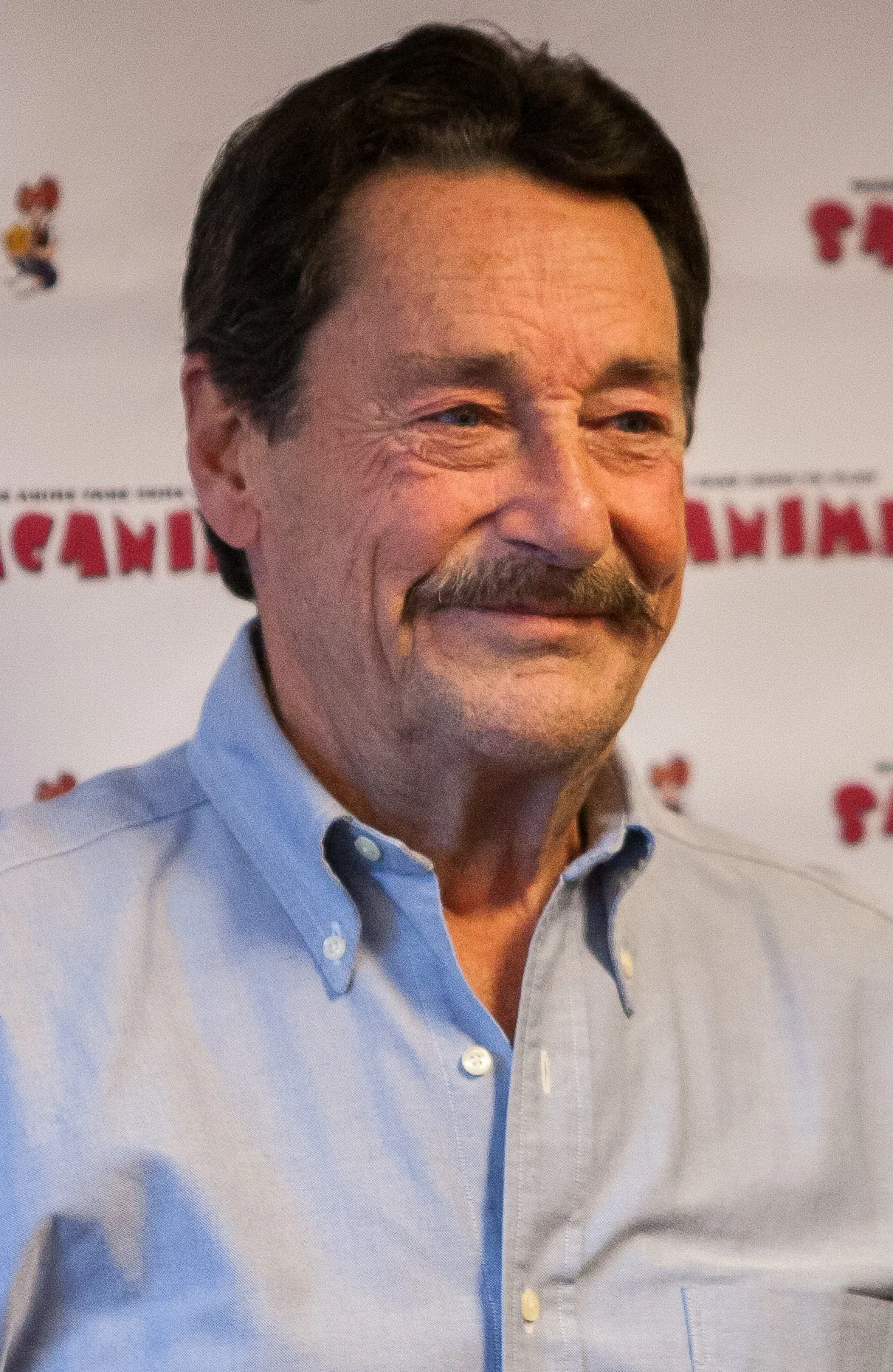
For more than four decades, the calm, commanding voice of Optimus Prime has been inseparable from one man: Peter Cullen. The Canadian voice actor, who first brought the Autobot leader to life in the original 1980s Transformers animated series and reprised the role across blockbuster films, video games, and television, did not build the character's iconic sound through digital effects or studio trickery. Instead, he drew it from a deeply personal source — the quiet, gentle strength of his older brother, a decorated U.S. Marine Corps veteran. Cullen, who died at his home in Los Angeles on August 26, 2026, at the age of 85, left behind a masterclass in voice acting. Understanding how he developed the Optimus Prime voice offers a rare window into the craft, psychology, and technique behind one of entertainment's most enduring performances.
The Audition That Changed Everything
The Optimus Prime voice was born in a Burbank, California casting house in 1984, when Cullen — by then a seasoned voice actor — read the character breakdown for a robot truck leader in a new Hasbro toy-driven cartoon called Transformers. Cullen later recalled recognizing the part as "the opportunity of the year." Before the audition, he turned to his brother Larry for guidance, and the advice Larry gave him became the creative blueprint for the entire performance.
Larry Cullen, a retired captain in the U.S. Marine Corps, told his younger brother: "Peter, don't be a Hollywood hero, be a real hero. Real heroes don't yell and act tough; they're tough enough to be gentle, so control yourself." Those words — "strong enough to be gentle" — became the defining philosophy of Optimus Prime.
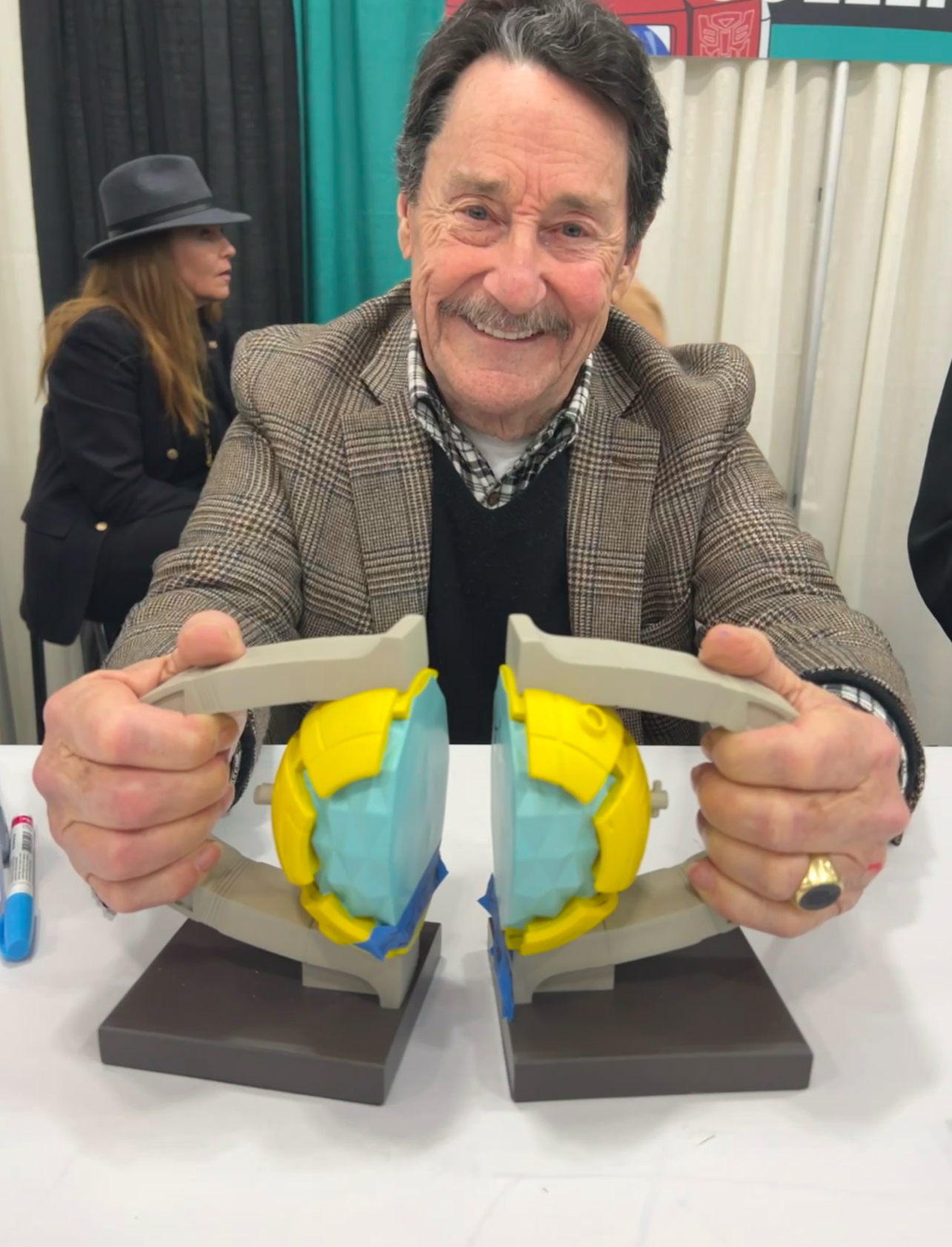
A Brother's Lesson: "Strong Enough to Be Gentle"
The emotional core of the Optimus Prime voice came directly from watching Larry return home from Vietnam. "When he came home, I could see a change. He was quieter and he was a man and a superhero to me," Cullen explained. "I watched him and listened to him. I'd never had an opportunity to do a superhero, and when that came, [that voice] just came right out of me and I sounded like Optimus."
This was the opposite of how cartoon heroes were typically played. Rather than shouting, growling, or straining to project power, Cullen chose restraint. The voice is low in pitch, measured in pace, and almost gentle in its delivery — a leader who commands through calm authority rather than volume. That single creative decision is why Optimus Prime sounded like a father figure and moral anchor to generations of children, instead of just another tough action hero.
How the Voice Was Built: Training and Technique
Cullen's ability to execute that understated performance was decades in the making. Born Peter Claver Cullen in Montreal, Quebec, on July 28, 1941, to a family of Irish descent, he was part of the first graduating class of the National Theatre School of Canada in 1963. He sharpened his vocal control working as a radio announcer in Montreal on CKGM, covering overnight and weekend shifts, and later served as the announcer for The Smothers Brothers Comedy Hour and as a regular on The Sonny & Cher Comedy Hour.
That broadcast and stage training gave Cullen the technical foundation the role required: breath support, precise pitch control, and the ability to sustain a warm, resonant tone at a low register without sounding strained. The Optimus Prime voice is technically demanding precisely because it sounds effortless — it sits in a deep, chest-resonant register, moves at a slow and deliberate pace, and uses careful diction and long pauses that convey thoughtfulness rather than bravado. No digital manipulation shaped the sound; it was entirely a product of Cullen's vocal instrument and acting choices.
From 1984 to Today: A Voice Across Generations
When Cullen won the role, he learned from his agent, Steve Tisherman, that he had actually landed two characters — Optimus Prime and the gruff weapons specialist Ironhide — a surprise he described as a "home run." For years, Cullen had no idea how beloved Prime had become, because the studio never passed along children's fan letters. He only discovered the character's impact when Optimus was killed in the 1986 animated film and audiences erupted.
The backlash was dramatic: children left theaters distraught, and Hasbro ultimately revived the character in the series' final episodes. The incident cemented Prime as a cultural icon and made Cullen's voice inseparable from the character. He returned to the role in the 2007 live-action Transformers film and its sequels, the Bumblebee and Rise of the Beasts films, and numerous series and games, including a 2011 Daytime Emmy nomination for Transformers: Prime and roles in Transformers: War for Cybertron and Fall of Cybertron. His final video game performance as Optimus Prime came in 2023's Fortnite Battle Royale.
Why the Optimus Prime Voice Matters
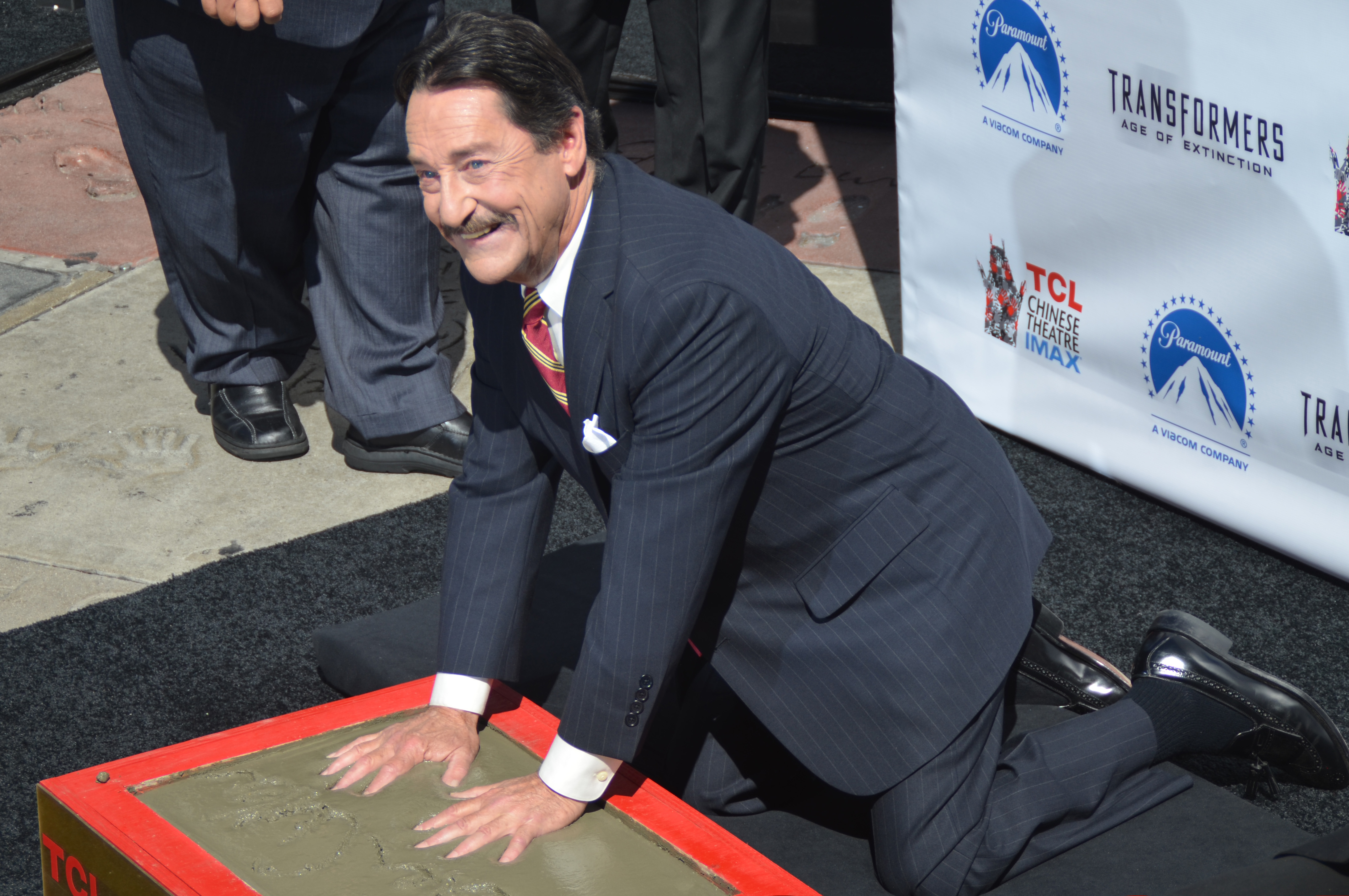
The voice's cultural weight is difficult to overstate. Total Film magazine named Optimus Prime the 30th greatest movie hero of all time, and the character is widely regarded as one of the most recognizable fictional figures ever created. Cullen was inducted into Hasbro's Transformers Hall of Fame in 2010, received a Voice Arts Awards Lifetime Achievement Award in 2019, and in 2023 was honored with a Lifetime Achievement Award from the National Academy of Television Arts and Sciences at the Children's and Family Emmy Awards.
What made the performance enduring was its moral clarity. In an era of loud, bombastic cartoon heroes, Cullen's Optimus spoke softly and chose words carefully — a deliberate vocal embodiment of the idea that real strength is disciplined and protective rather than aggressive. That is the lesson voice actors and directors still cite today when describing how to voice a hero with genuine authority.
Cullen's Final Years and a Lasting Legacy
Cullen died at his Los Angeles home on August 26, 2026, at age 85, survived by four children and three grandchildren. A lifelong NASA enthusiast who traced his love of space to the 1969 Apollo 11 Moon landing, he voiced Optimus Prime right up until the end, with producer Lorenzo di Bonaventura saying as far back as 2021 that Cullen was welcome to voice the character for as long as he wanted.
Even as the Transformers franchise continues, the sound Cullen created remains its emotional foundation. The voice was never a gimmick or a studio effect — it was a son's tribute to a brother who taught him that heroism is quiet.
Key Takeaways: What Made the Voice Iconic
- The Optimus Prime voice was inspired by Cullen's older brother Larry, a Marine Corps veteran, whose advice was to "be strong enough to be gentle."
- Cullen built the performance on restraint — low pitch, slow pacing, and calm authority — rather than shouting or aggression.
- His radio and theater training provided the technical breath control and resonance the role demanded.
- Cullen won both Optimus Prime and Ironhide at his 1984 audition and voiced the character across four decades of films, games, and series.
- The 1986 backlash to Optimus Prime's on-screen death revealed how deeply the voice had connected with audiences.