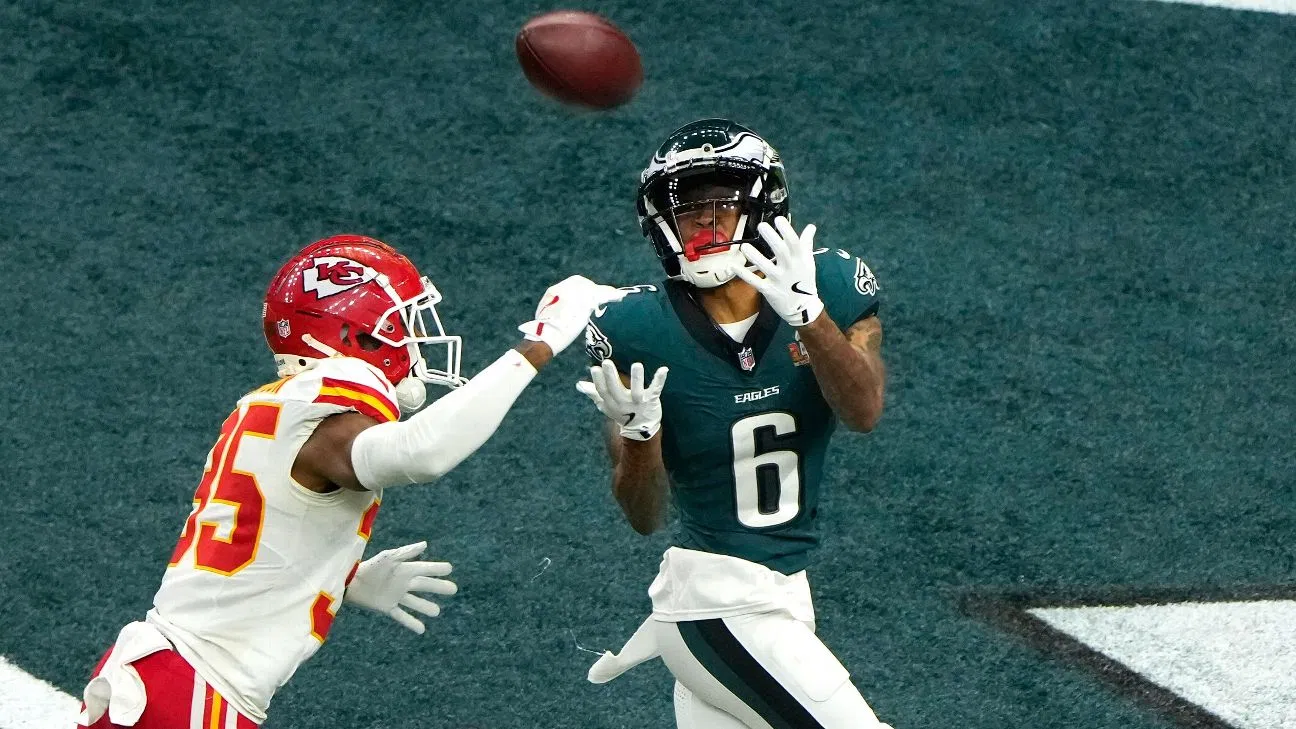
The NFL playoffs represent the most exciting time of the American football calendar, a single-elimination tournament where 14 teams battle through four grueling rounds to claim the ultimate prize: the Super Bowl championship. Unlike the regular season's 17-game marathon, the playoffs are a win-or-go-home sprint that captivates millions of fans each January and February. Whether you're a longtime fan or new to the sport, understanding how this postseason works—from team qualification and seeding to the unique overtime rules—enhances the drama of every snap.

How the NFL Playoffs Work: The 14-Team Tournament Explained
Since the 2020 season, the NFL playoffs have featured 14 teams—seven from the American Football Conference (AFC) and seven from the National Football Conference (NFC). This expansion from the previous 12-team format added an extra wild-card team per conference, creating more postseason opportunities and intensifying the Wild Card weekend schedule. The tournament is a pure single‑elimination bracket: lose once, and your season is over. This format makes the NFL postseason unique among major North American sports leagues, which often use series‑based playoffs.
Qualification follows a clear hierarchy. First, the four division winners in each conference are seeded 1 through 4 based on their regular‑season records. The three non‑division winners with the best records in each conference become wild‑card teams, seeded 5, 6, and 7. The No. 1 seed in each conference earns a precious first‑round bye, automatically advancing to the Divisional Round while the other six teams battle in Wild Card weekend.
The Wild Card matchups are predetermined: the No. 2 seed hosts the No. 7 seed, the No. 3 seed hosts the No. 6 seed, and the No. 4 seed hosts the No. 5 seed. Higher seeds always enjoy home‑field advantage, a critical edge in the often‑brutal January weather. After the Wild Card games, the bracket is re‑seeded: the No. 1 seed hosts the lowest‑remaining seed, while the other two winners face each other, with the higher seed hosting.

The Road to the Super Bowl: A Round‑by‑Round Breakdown
The NFL playoffs unfold over four distinct rounds, each with its own character and stakes. Wild Card Weekend kicks off the tournament, typically held on the second weekend of January. Six games are played across three days (Saturday, Sunday, and Monday), featuring the matchups between seeds 2–7, 3–6, and 4–5. These games are often the most unpredictable of the postseason, with underdogs pulling off upsets that reshape the entire bracket.
The survivors advance to the Divisional Round, played the following weekend. This round features four games: the No. 1 seed hosts the lowest‑remaining seed, and the other two Wild Card winners meet. Divisional Round games are frequently considered the highest‑quality football of the playoffs, pitting the league's best teams against each other with a trip to the conference championship on the line.
Winners move to the Conference Championship Games (AFC and NFC), held on the same day, usually the last Sunday of January. These games determine which team from each conference will represent their league in the Super Bowl. Home‑field advantage goes to the higher‑seeded team, making the race for the No. 1 seed during the regular season especially valuable.
The tournament culminates in the Super Bowl, played on a predetermined Sunday in early February at a neutral site. This single game decides the NFL champion and is one of the most‑watched televised events in the world.
Understanding Playoff Qualification: Division Winners, Wild Cards, and Tiebreakers
Earning a playoff spot requires navigating a complex set of criteria. The simplest path is winning your division. The NFL's 32 teams are divided into eight divisions of four teams each (four in the AFC, four in the NFC). The team with the best record in each division is crowned division champion and guaranteed a top‑four seed.
If two or more teams tie for a division title, the NFL employs a detailed tie‑breaking procedure. The first tiebreaker is head‑to‑head record. If that doesn't resolve the tie, the league looks at division record, record against common opponents, conference record, strength of victory, strength of schedule, and eventually net points and touchdowns. A coin toss serves as the absolute last resort.
Wild‑card spots go to the three non‑division winners in each conference with the best records. Tiebreakers for wild‑card positions follow a similar but separate sequence. First, any tied teams from the same division are reduced to the highest‑ranked club using the division tiebreakers. Then head‑to‑head (if applicable), conference record, record against common opponents, and the same subsequent metrics are applied.
These intricate rules ensure that every regular‑season game matters, and a single victory or loss can determine whether a team makes the postseason or watches from home.

2025 NFL Playoff Schedule: Key Dates and Matchups
For the 2024‑25 season, the NFL playoff schedule is set as follows (all times Eastern):
- Wild Card Weekend: January 11‑13, 2025
- Saturday, Jan. 11: Chargers at Texans (4:30 p.m., CBS); Steelers at Ravens (8:00 p.m., Prime Video)
- Sunday, Jan. 12: Broncos at Bills (1:00 p.m., CBS); Packers at Eagles (4:30 p.m., FOX); Commanders at Buccaneers (8:15 p.m., NBC/Peacock)
- Monday, Jan. 13: Vikings at Rams (8:15 p.m., ESPN/ABC)
- Divisional Round: January 18‑19, 2025 (matchups determined by Wild Card results)
- Conference Championships: Sunday, January 26, 2025
- Super Bowl LIX: Sunday, February 9, 2025 at Caesars Superdome in New Orleans
The specific matchups for the Divisional Round and Conference Championships depend on which teams advance, with reseeding ensuring the highest‑remaining seeds always host. This flexible bracket keeps the playoff picture dynamic and rewards regular‑season success throughout the tournament.
How the Playoff Bracket Unfolds: From Wild Card Weekend to Super Sunday
Once the Wild Card games conclude, the bracket reshuffles. The No. 1 seed—which enjoyed a bye—will host the lowest‑remaining seed from the Wild Card round. For example, if seeds 5, 6, and 7 all win their Wild Card games, the No. 1 seed would host the No. 7 seed. The other two winners play each other, with the higher seed hosting.
This reseeding process continues through the Divisional Round. The winners of the two Divisional games in each conference meet in the Conference Championship, again with the higher seed hosting. Because the NFL does not use a fixed bracket, unexpected outcomes can create intriguing matchups. A No. 7 seed that pulls off an upset could face a much easier path to the Super Bowl if other higher seeds are eliminated early.
Another critical difference in the playoffs is the overtime rules. During the regular season, overtime is a single 10‑minute period with modified sudden‑death rules. In the postseason, games cannot end in a tie, and overtime periods are 15 minutes each. Crucially, both teams are guaranteed at least one possession in playoff overtime, even if the first team scores a touchdown. If the score remains tied after each team has had a possession, the game becomes sudden death. Multiple overtime periods can be played until a winner is determined, though no NFL playoff game has ever gone beyond two overtimes.
Key Points to Remember About the NFL Playoffs
To quickly grasp the essentials of the NFL postseason, keep these facts in mind:
- 14 teams qualify—seven from the AFC and seven from the NFC.
- Division winners are seeded 1‑4; wild‑card teams are seeded 5‑7, all based on regular‑season records.
- Only the No. 1 seed gets a bye, skipping Wild Card Weekend and advancing directly to the Divisional Round.
- Wild Card matchups are No. 2 vs. No. 7, No. 3 vs. No. 6, and No. 4 vs. No. 5.
- The bracket is re‑seeded after each round, so the highest‑remaining seed always hosts the lowest‑remaining seed.
- Playoff overtime guarantees both teams a possession, unlike the regular season.
- The Super Bowl is played at a neutral site chosen years in advance.
With this knowledge, you can follow every twist and turn of the NFL playoffs, appreciating the strategic decisions, the dramatic finishes, and the sheer intensity of the tournament that crowns a champion. From the first Wild Card snap to the final confetti shower at the Super Bowl, the NFL postseason remains one of the most compelling events in all of sports.