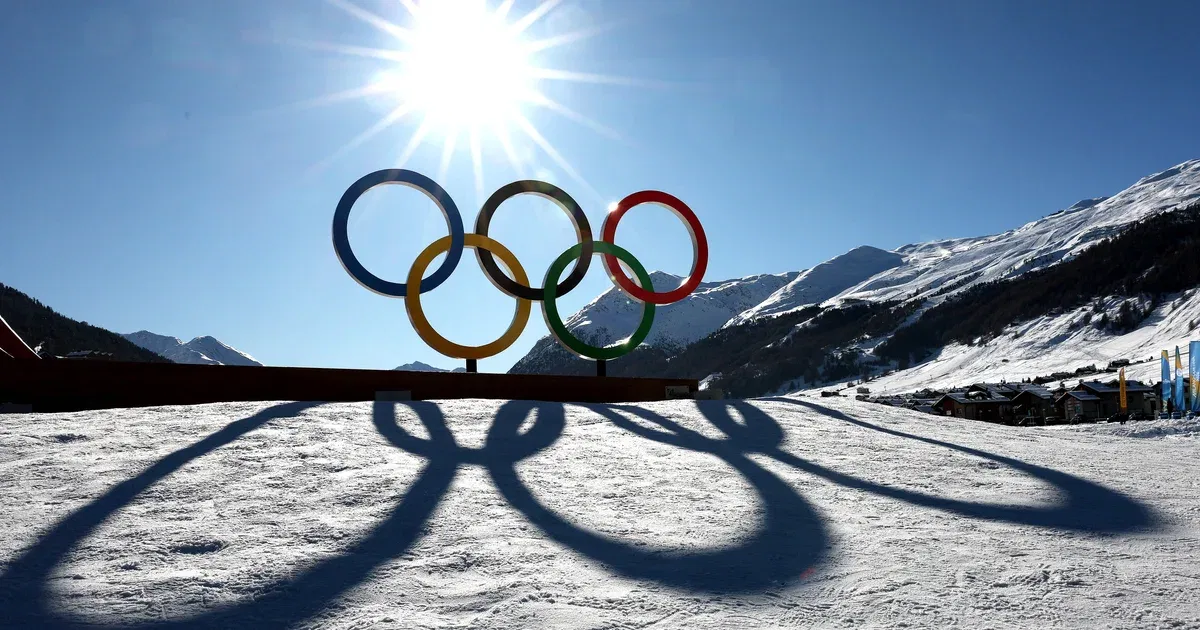
The Olympic Games represent the pinnacle of international sports competition, but for viewers around the world, understanding the complex schedule of events can be as challenging as winning a gold medal. With the 2026 Winter Olympics in Milano Cortina now underway, navigating the day-by-day timetable becomes essential for catching your favorite sports. Whether you're trying to watch curling matches, figure skating performances, or downhill skiing events, knowing how the Olympic schedule works transforms the viewing experience from frustrating to fantastic.
How the 2026 Winter Olympics Schedule is Structured
The Milano Cortina 2026 Winter Olympics follow a meticulously planned schedule that spans 19 days of competition. According to CBS News, the Games officially began with preliminary events on February 4, 2026, followed by the opening ceremony on February 6. The closing ceremony is set for February 22, with events running continuously throughout that period. One of the most critical factors for international viewers is the time difference: Italy is six hours ahead of Eastern Standard Time and nine hours ahead of Pacific Standard Time. This means that events scheduled for prime time in Italy may air live in the early morning or afternoon in North America.
The schedule is organized by sport, with each day featuring a mix of medal events, preliminary rounds, and qualifying sessions. Major sports like Alpine skiing, figure skating, ice hockey, and curling appear almost daily, while others like ski jumping, snowboarding, and speed skating have specific windows. The official schedule is published online by the Milano Cortina organizing committee and is subject to change based on weather conditions, athlete safety, and operational needs.
A Day-by-Day Look at the Milano Cortina Games
To help you plan your viewing, here’s a breakdown of the 2026 Winter Olympics schedule based on the official timetable reported by CBS News:
- February 4: Alpine skiing, curling (mixed doubles begins), luge
- February 5: Alpine skiing, curling, ice hockey, luge, ski jumping, snowboard
- February 6: Opening ceremony, Alpine skiing, curling, figure skating, ice hockey, luge, ski jumping
- February 7: Alpine skiing, cross-country skiing, curling, figure skating, freestyle skiing, ice hockey, luge, ski jumping, snowboard, speed skating
- February 8: Alpine skiing, biathlon, cross-country skiing, curling, figure skating, ice hockey, luge, ski jumping, snowboard, speed skating
- February 9: Alpine skiing, curling, figure skating, freestyle skiing, ice hockey, luge, Nordic combined, skeleton, ski jumping, snowboard, speed skating
- February 10: Alpine skiing, biathlon, cross-country skiing, curling, figure skating, freestyle skiing, ice hockey, luge, Nordic combined, short track speed skating, skeleton, ski jumping
- February 11: Alpine skiing, biathlon, curling, figure skating, freestyle skiing, ice hockey, luge, Nordic combined, skeleton, snowboard, speed skating
- February 12: Alpine skiing, bobsleigh, cross-country skiing, curling, freestyle skiing, ice hockey, luge, short track speed skating, skeleton, ski jumping, snowboard, speed skating
- February 13: Biathlon, bobsleigh, cross-country skiing, curling, figure skating, ice hockey, Nordic combined, skeleton, ski jumping, snowboard, speed skating
- February 14: Alpine skiing, biathlon, bobsleigh, cross-country skiing, curling, freestyle skiing, ice hockey, short track speed skating, skeleton, ski jumping, speed skating
- February 15: Alpine skiing, biathlon, bobsleigh, cross-country skiing, curling, figure skating, freestyle skiing, ice hockey, Nordic combined, skeleton, ski jumping, snowboard, speed skating
- February 16: Alpine skiing, bobsleigh, curling, figure skating, freestyle skiing, ice hockey, Nordic combined, short track speed skating, ski jumping, snowboard
- February 17: Biathlon, bobsleigh, curling, figure skating, freestyle skiing, ice hockey, Nordic combined, snowboard, speed skating
- February 18: Alpine skiing, biathlon, bobsleigh, cross-country skiing, curling, freestyle skiing, ice hockey, Nordic combined, short track speed skating, snowboard
- February 19: Bobsleigh, curling, figure skating, freestyle skiing, ice hockey, Nordic combined, ski mountaineering, speed skating
- February 20: Biathlon, bobsleigh, curling, freestyle skiing, ice hockey, short track speed skating, speed skating
- February 21: Biathlon, bobsleigh, cross-country skiing, curling, freestyle skiing, ice hockey, ski mountaineering, speed skating
- February 22: Closing ceremony, bobsleigh, cross-country skiing, curling, ice hockey
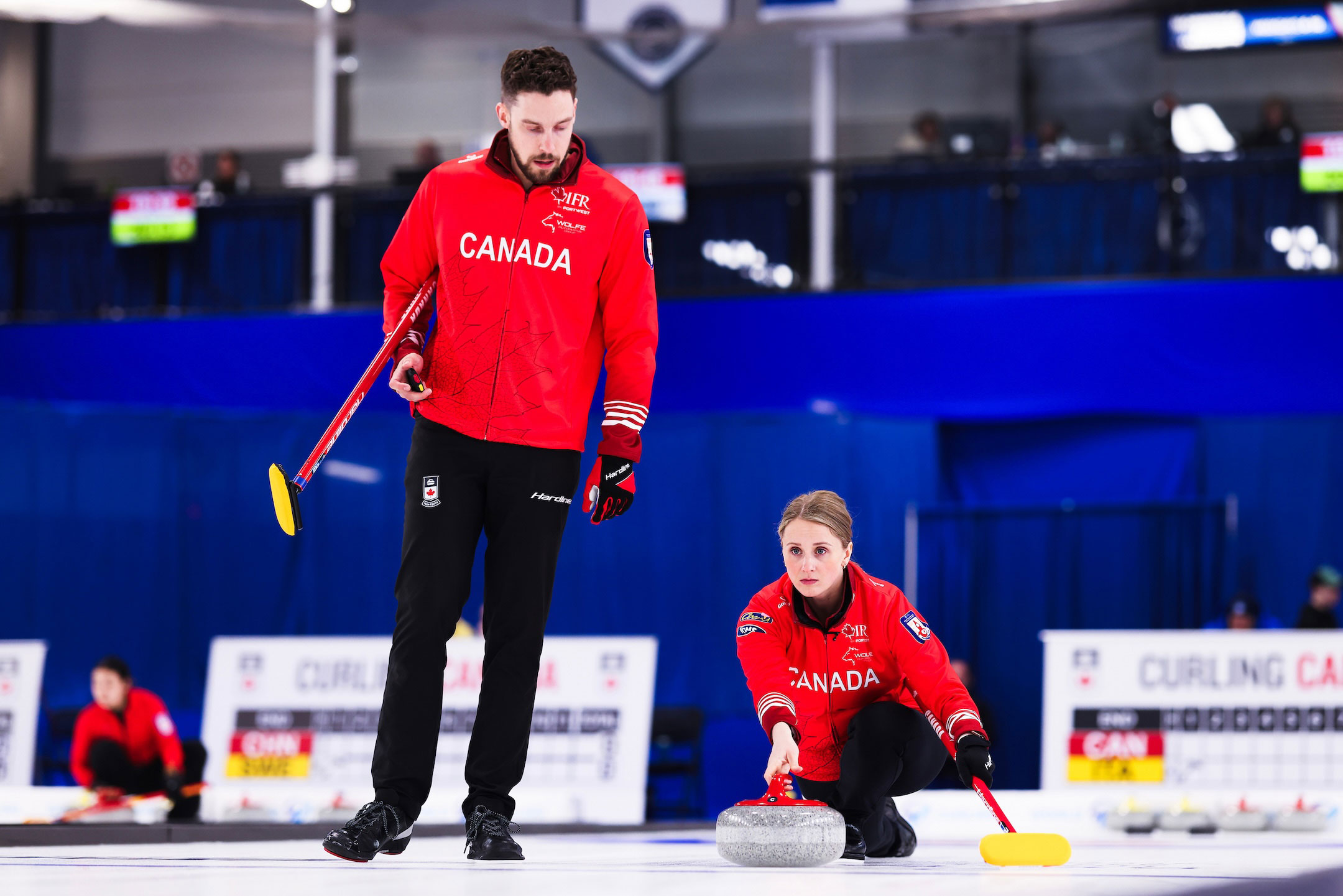
As you can see, curling is one of the few sports that appears every single day of the Games, reflecting its popularity and the number of matches required for round‑robin tournaments. According to Olympic.ca, curling competitions include mixed doubles (February 4‑10), men’s team event (February 12‑20), and women’s team event (February 12‑20), with medal matches scheduled for the final days.
Behind the Scenes: How Olympic Schedules Are Planned and Changed
Creating an Olympic schedule is a monumental task that involves coordination among international sports federations, broadcasters, venue operators, and local organizers. The International Olympic Committee (IOC) explains that there are five types of possible changes to competition schedules: moving events to earlier times, delaying events, rescheduling to another day, canceling sessions, or adding extra sessions. These changes can be triggered by weather (especially for outdoor sports like Alpine skiing), athlete health and safety concerns, or unexpected operational issues.
The schedule planning starts years in advance, with initial drafts released about two years before the Games. As the event approaches, the schedule is refined based on qualifying events, athlete entries, and broadcaster requests. The final version is typically published a few months before the opening ceremony, but even then, it remains a living document that can be adjusted up to the last minute. This flexibility ensures that the Olympics can adapt to unforeseen circumstances while still delivering a seamless experience for athletes and spectators.
Navigating Time Zones and Broadcast Schedules
For viewers outside Italy, the time difference is a major factor in when events are broadcast live. The six‑hour gap between Italy and the U.S. East Coast means that events starting at 10:00 a.m. in Milan will air at 4:00 a.m. ET. To accommodate global audiences, broadcasters like NBC offer a mix of live coverage, tape‑delayed primetime shows, and streaming replays. The NBC Olympics website reports that NBC will provide at least five hours of live event coverage each morning, followed by curated highlights in the evening.
To avoid missing key moments, use the official Olympic schedule (available on Olympics.com) and set reminders for your favorite events. Many streaming services also allow you to create personalized calendars that sync with your local time zone. Remember that the schedule is dynamic—check for updates daily, especially for outdoor sports that may be rescheduled due to weather.
What to Expect as the Games Progress
As the 2026 Winter Olympics enter their second week, the focus will shift from preliminary rounds to medal events. The first gold medals were awarded on February 7 in men’s downhill skiing and women’s cross‑country skiathlon. Over the following days, expect a steady stream of podium ceremonies across all sports. The final week will feature high‑stakes finals in team sports like ice hockey and curling, as well as marquee events such as the men’s and women’s figure skating singles.
Keep an eye on the official Olympics app or website for real‑time results and schedule adjustments. Social media channels of the IOC and broadcasters also provide instant updates on any changes. If you’re planning to watch with friends or family, consider creating a viewing guide that highlights the can’t‑miss events for each day.
Key Takeaways for Olympic Viewers
Understanding the Olympic schedule is the first step toward enjoying the Games to the fullest. Here are the essential points to remember:
- The 2026 Winter Olympics run from February 4 to February 22, with the opening ceremony on February 6 and closing ceremony on February 22.
- Curling events occur daily, starting February 4, with mixed doubles, men’s, and women’s tournaments.
- Italy is six hours ahead of Eastern Standard Time and nine hours ahead of Pacific Standard Time—plan your viewing accordingly.
- The schedule is subject to change due to weather, safety, or operational reasons; always verify times shortly before an event.
- Use official sources like Olympics.com and broadcaster apps to stay updated on live streams, replays, and schedule adjustments.
With this guide, you’re now equipped to navigate the 2026 Winter Olympics schedule like a pro. Whether you’re a casual viewer or a dedicated fan, knowing when and where to watch will help you catch every thrilling moment of the Milano Cortina Games.