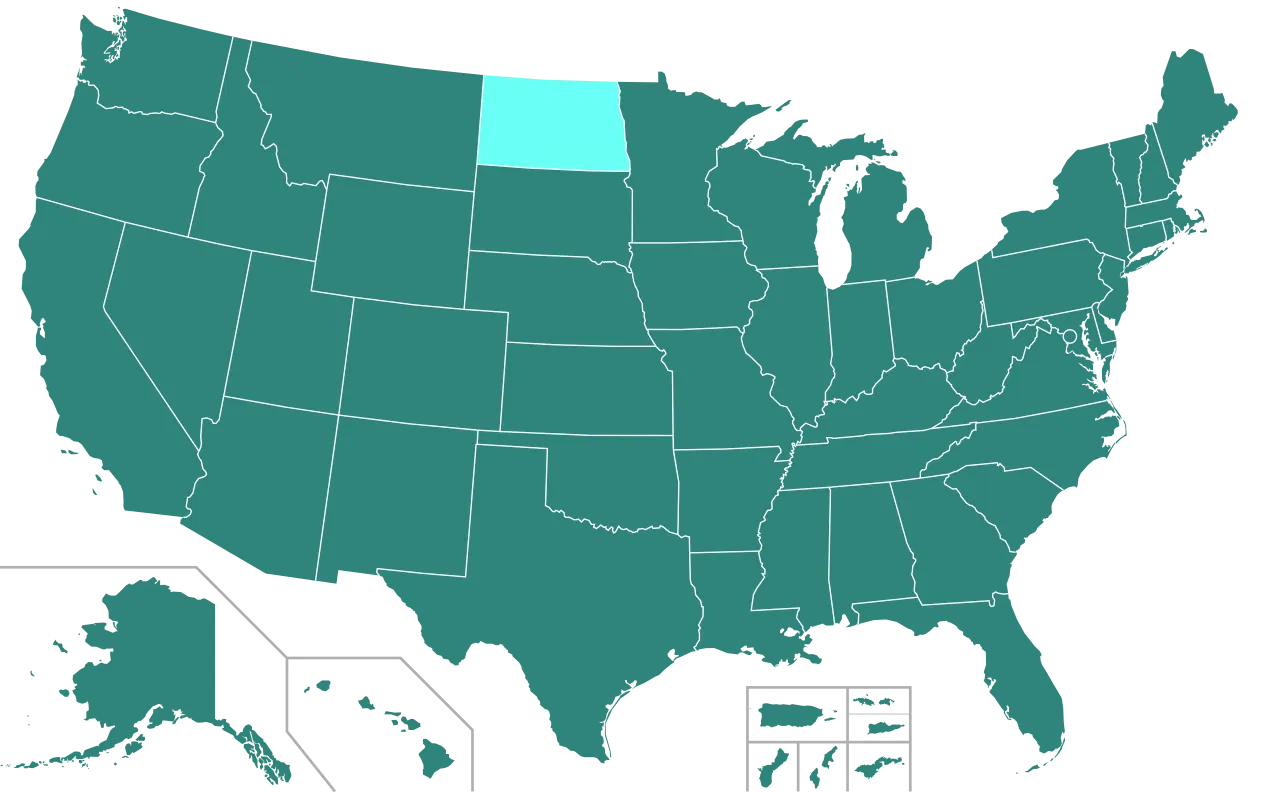
Registering to vote is the first step toward making your voice heard in federal, state, and local elections. Whether you are a first-time voter, have recently moved, or simply want to update your information, the process is straightforward once you know the rules. In nearly every U.S. state — the lone exception being North Dakota — you must be registered before you can cast a ballot, and each state sets its own deadlines and requirements. According to the U.S. Election Assistance Commission, more than 85% of the citizen voting-age population was registered ahead of the 2022 general election, yet millions of eligible Americans still have not signed up. Here is exactly how to check your eligibility, choose the right registration method, and complete the process before your state's deadline.
Who Can Register to Vote: The Basic Requirements
Before you fill out any form, make sure you meet the four standard qualifications to vote in U.S. federal, state, and local elections. First, you must be a U.S. citizen — though a small number of municipalities allow non-citizens to vote in local elections only. Second, you need to meet your state's residency requirements. Notably, you can be experiencing homelessness and still register, as a 1984 federal court case (Pitts v. Black) established that eligible voters living in non-traditional accommodations, such as a park bench, cannot be turned away.
Third, you must be 18 years old on or before Election Day. In almost every state, you can register before turning 18 as long as you will be 18 by the time of the election, and some states even allow 17-year-olds who will be 18 by Election Day to vote in primaries. Fourth, you must be registered by your state's voter registration deadline.
Certain people cannot vote: non-citizens (including permanent legal residents) in federal, state, and most local elections; some individuals convicted of a felony, with rules that vary widely by state; and some people with mental disabilities, depending on state law. If you are unsure about your status, contact your state or local election office.
Three Ways to Register: Online, by Mail, or in Person
The fastest way to start is through vote.gov, the official federal portal. Select your state or territory, and the site will direct you to the registration method available where you live. Depending on your state's rules, you will find instructions to register online, by mail, or in person at your local election office.
Online. Most states and the District of Columbia now offer online voter registration, which usually requires a state-issued driver's license or ID number so your identity can be verified electronically. Online registration is typically the quickest option and lets you confirm your information is entered correctly before submitting.
By mail. If you prefer paper — or your state requires it — you can download the National Mail Voter Registration Form from the U.S. Election Assistance Commission. Fill it out on screen and print it, or print a blank copy and complete it by hand. The key step is following the state-specific instructions, which begin on page 3 of the form and are listed alphabetically by state. After filling it out, you must sign the form and mail it to the address listed for your state, with the proper amount of postage.
In person. You can register at your local election office, and many states also allow registration at other government locations, including the department of motor vehicles (DMV) and public assistance offices such as SNAP/food stamp agencies. If you are a U.S. citizen living abroad, a service member stationed overseas, or an eligible family member, the Federal Voting Assistance Program lets you register and request an absentee ballot at the same time.
What Documents You Need to Register
In most cases, you will need either a driver's license or a state ID to register. If you do not have either, you may be able to provide other documentation, such as a bank statement or a utility bill, to verify your identity and address. Because the exact documents accepted vary by state, check with your state's election office before you begin. When you register online, the system typically matches your name, date of birth, and ID number against state records, so having that information handy will speed things up.
Registration Deadlines and Same-Day Options
Every state sets its own voter registration deadline, and in some states the cutoff can be as much as a month before an election. That means waiting until the week of the election could leave you unable to vote. To find your deadline, enter your state on vote.gov's registration page or contact your state or territory's election office directly.
There is good news for procrastinators, though: 25 states and Washington, D.C. offer same-day registration, which lets eligible citizens register or update their registration on the day they vote. If you live in one of these states, you can walk in, register, and cast a ballot in a single trip. The idea of easing registration has deep roots — the National Voter Registration Act of 1993, often called the "Motor Voter" law, required states to offer registration at driver's license offices and other public agencies, and in 2016 Oregon became the first state to make registration automatic when residents get a driver's license or ID.
What Happens After You Register
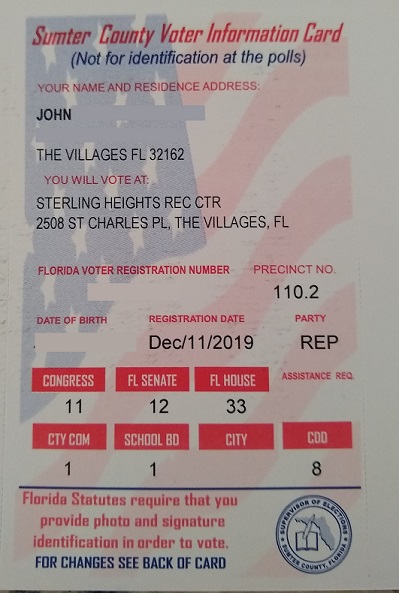
Once your registration is processed, your state will typically mail you a voter registration card or confirmation. This card lists your name, address, and polling place, and it is a useful reference — but in most states you do not need to bring it with you to vote. Be sure to review it for accuracy and report any errors to your local election office.
You should also update your registration whenever you move, change your name, or want to switch political party affiliation. The same National Mail Voter Registration Form can be used to update your name, change your address, or register with a party. Finally, confirm your registration is active well before the election — many states let you check your status online, so you can catch and fix any issues while there is still time.
The Bottom Line: Getting Registered in Four Steps
- Check your eligibility: Confirm you are a U.S. citizen, meet your state's residency rules, and will be 18 by Election Day.
- Pick a method: Register online through vote.gov, by mail with the National Mail Voter Registration Form, or in person at your election office or DMV.
- Gather your documents: Have your driver's license or state ID ready, or an alternative such as a bank statement or utility bill.
- Beat the deadline: Find your state's registration cutoff — or use same-day registration if your state offers it — and confirm your status before you vote.