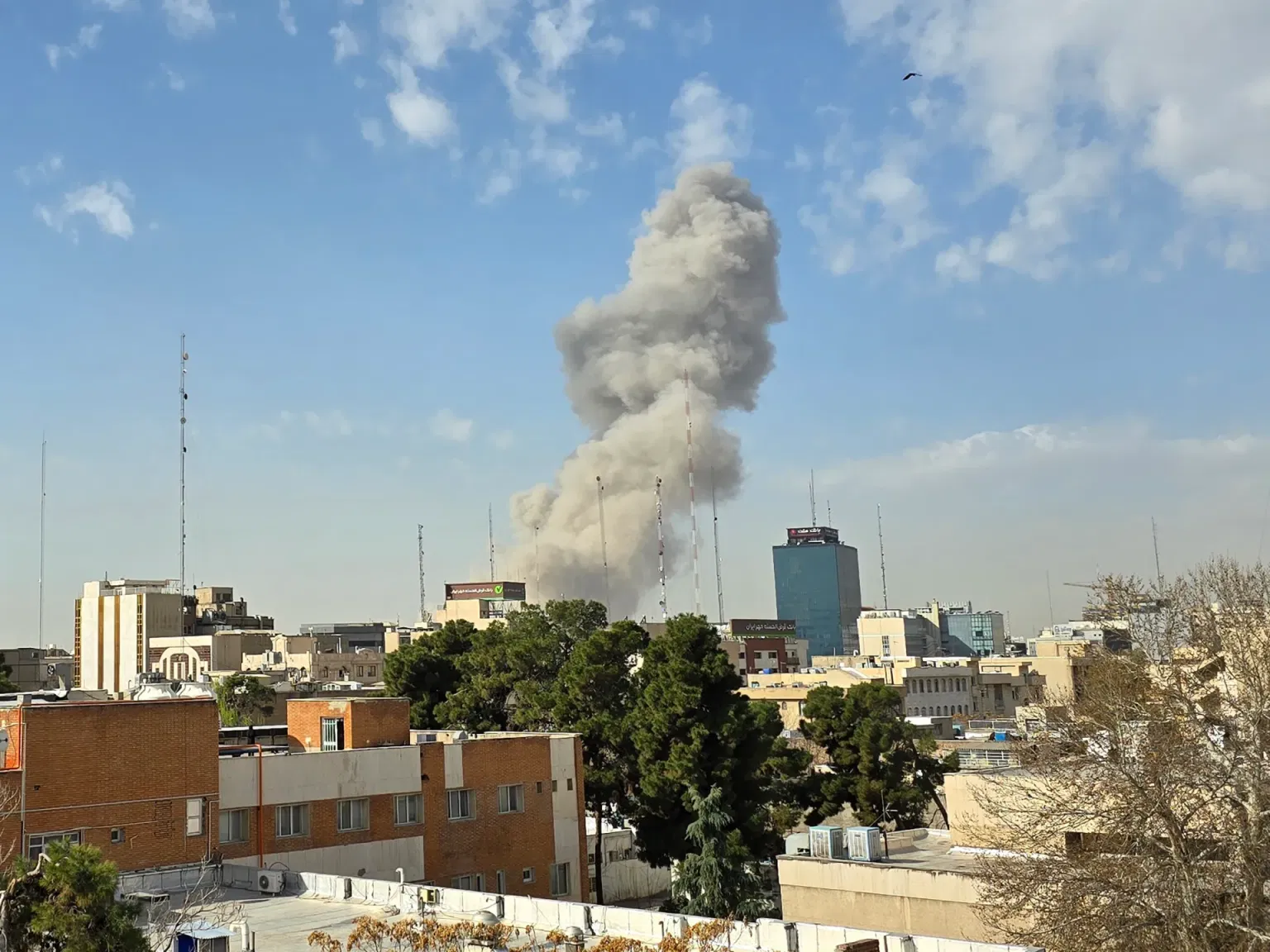
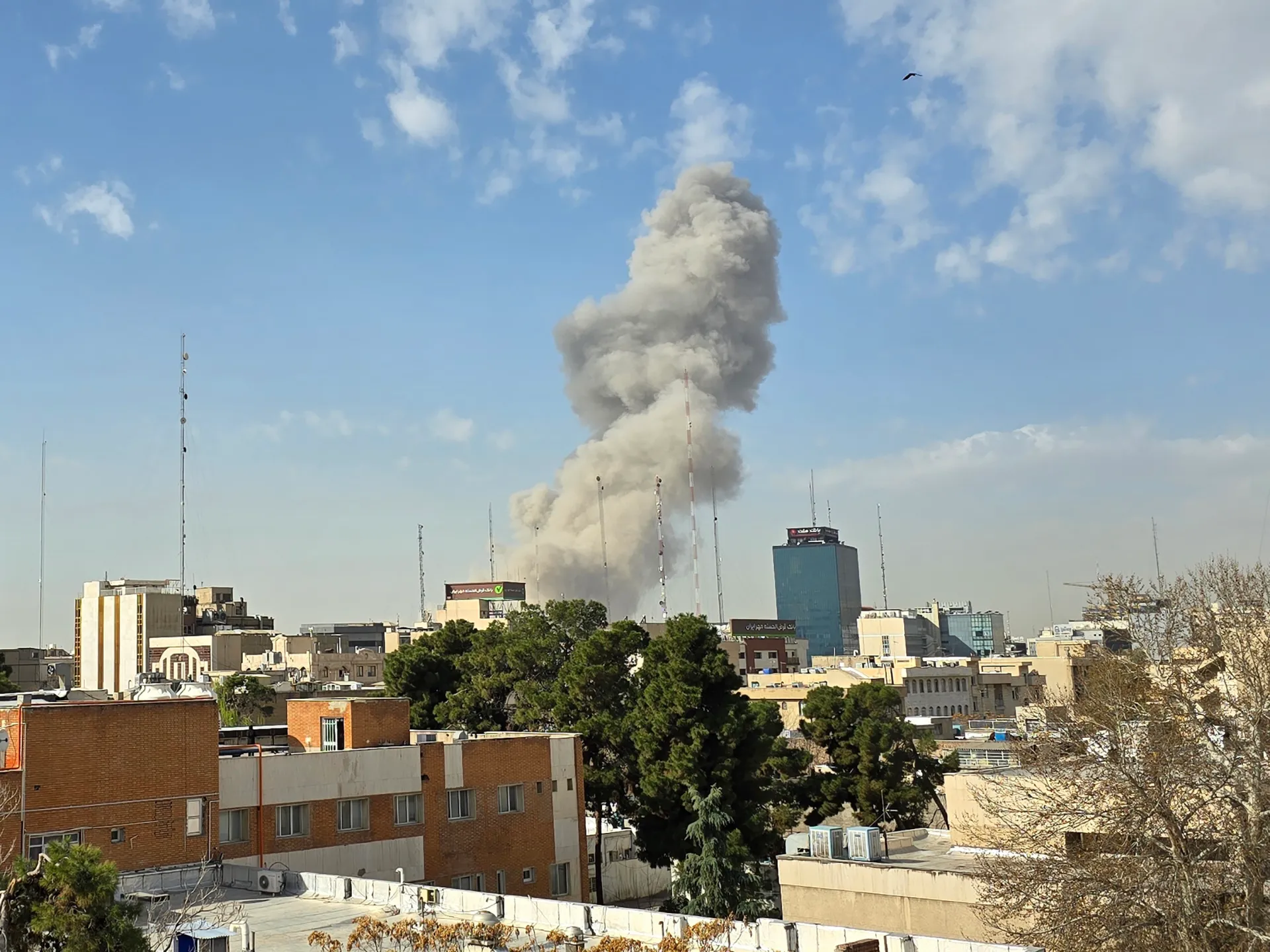
As U.S. and Israeli warplanes strike Iranian targets and Tehran retaliates with missile attacks across the Middle East, the world watches with growing concern about where this escalating conflict might lead. With four U.S. service members confirmed dead in recent days and President Trump warning that "the big wave is yet to come," understanding how wars work has never been more urgent. While headlines focus on daily developments, the underlying mechanics of war—why conflicts start, how they escalate, and what determines their outcomes—remain poorly understood by most people. This comprehensive guide breaks down exactly how wars work, from basic definitions to complex geopolitical dynamics, using current events as a real-time case study in modern conflict.
What Exactly Is War? Defining the Undefinable
At its most fundamental level, war is an armed conflict between the armed forces of states, or between governmental forces and armed groups that are organized under a certain command structure. According to Britannica, war represents "a conflict between political groups involving hostilities of considerable duration and magnitude." This distinguishes war from smaller-scale skirmishes, criminal violence, or spontaneous riots. What makes war unique is its organized nature, political objectives, and sustained use of force. Throughout history, wars have taken many forms—from tribal conflicts to world wars, civil wars to proxy conflicts—but they all share these core characteristics of organized violence pursued for political ends.
The Five Reasons Wars Happen: Understanding the Root Causes
Political scientist Christopher Blattman, in his influential Modern War Institute article, identifies five fundamental reasons why wars occur. First, strategic interests—when nations or groups believe they can gain territory, resources, or strategic advantage through force. Second, ideological differences—when conflicting worldviews or belief systems create irreconcilable positions. Third, economic competition—when control over trade routes, markets, or valuable resources becomes a zero-sum game. Fourth, security dilemmas—when one side's defensive preparations are perceived as offensive threats by others, creating a spiral of escalation. Fifth, internal political dynamics—when leaders use external conflict to consolidate domestic power or distract from internal problems. Understanding these five factors helps explain everything from the current US-Iran tensions to historical conflicts like World War I.
How Wars Actually Work: The Mechanics of Conflict
Wars don't simply "break out"—they evolve through predictable stages. The process typically begins with political tensions between parties with incompatible goals. When diplomacy fails, parties move to coercive threats, attempting to achieve their objectives without actual fighting. If threats fail, limited military actions often follow, such as border skirmishes or targeted strikes. Escalation occurs when neither side backs down, leading to sustained combat operations. Modern warfare involves complex coordination of air, land, sea, cyber, and space domains. The US-Iran conflict illustrates this progression perfectly: years of nuclear negotiations gave way to sanctions, then proxy conflicts, and now direct military engagements. Each escalation narrows the path to peaceful resolution while expanding the potential for wider war.
Timeline: How the US-Iran Conflict Reached This Point
The current confrontation didn't emerge overnight but developed through decades of tension. The timeline reveals classic war mechanics at work: 2015 - Iran nuclear deal creates temporary détente. 2018 - US withdrawal from agreement restores sanctions. 2020 - US drone strike kills Iranian general Qasem Soleimani. 2024 - Iran launches direct attacks on Israel, crossing previous red lines. 2025 - Israel strikes Iranian nuclear facilities. February 2026 - US and Israel begin coordinated air campaign against Iranian targets. This escalation ladder demonstrates how conflicts evolve when neither side finds off-ramps through diplomacy. Each action triggers reaction, with thresholds crossed incrementally until full-scale military operations become normalized.
The Human and Economic Costs of Modern Warfare
Beyond geopolitical calculations, wars exact terrible human and economic tolls. The current Iran conflict has already claimed American, Iranian, and civilian lives across the region. Modern weapons cause catastrophic damage to infrastructure, disrupt global supply chains (particularly oil markets), and create refugee crises. According to conflict researchers, wars typically reduce a country's economic growth by 2-3% annually during active fighting, with effects lasting decades. The psychological trauma affects generations, while environmental damage from destroyed facilities and military operations creates long-term health hazards. These costs, often overlooked in strategic discussions, represent the true price of failed diplomacy and escalated conflict.
Where Things Stand Now: The Current US-Iran Confrontation
As of early March 2026, the United States and Israel continue "large-scale combat operations" against Iranian targets, according to President Trump's statements. Iranian forces and their proxies have retaliated against US bases and allies across the Middle East. Defense Secretary Pete Hegseth has stated the war "will not be endless," suggesting Washington seeks a limited campaign rather than occupation. However, with Tehran vowing continued resistance and both sides demonstrating willingness to absorb casualties, the conflict shows no immediate signs of de-escalation. This stalemate illustrates a common war dynamic: once fighting begins, disengagement becomes extraordinarily difficult as sunk costs, honor, and domestic politics constrain leaders' options.
How Wars End: Pathways from Conflict to Resolution
Understanding how wars work includes understanding how they conclude. Historical analysis shows wars typically end in one of four ways: military victory (one side decisively defeats the other), negotiated settlementexhaustion (both sides lose the capacity to continue fighting), or external intervention (third parties impose ceasefire). The current US-Iran conflict likely heads toward either negotiated settlement (possibly through renewed nuclear talks) or mutual exhaustion (as costs mount beyond acceptable levels). Rarely do modern interstate wars end with unconditional surrender; more commonly, they conclude when continuing conflict seems more costly than compromise to all involved parties.
Key Takeaways: What Everyone Should Understand About War
First, wars are not random explosions of violence but calculated political instruments with discernible causes and patterns. Second, escalation often occurs incrementally, with each side responding to the other's actions in a cycle that becomes difficult to break. Third, modern warfare extends beyond battlefield combat to include economic, cyber, and informational dimensions. Fourth, the costs of war invariably exceed pre-conflict estimates, affecting civilians and economies long after fighting stops. Finally, understanding these mechanics doesn't just help interpret headlines—it provides citizens with the knowledge needed to evaluate their leaders' decisions about when, why, and how nations go to war. In an era of renewed great power competition and regional conflicts, this understanding represents not just academic interest but essential civic literacy.