
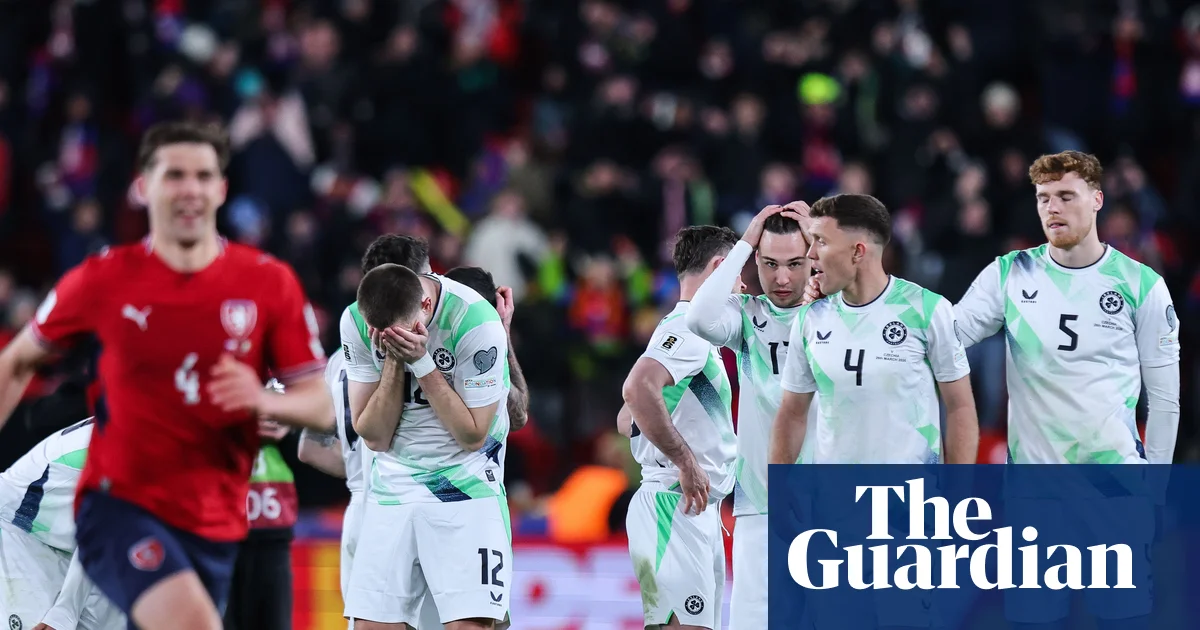
The dream of reaching the 2026 FIFA World Cup ended in heartbreaking fashion for the Republic of Ireland in late March 2026, when they fell to Czechia 4-3 in a penalty shootout after a dramatic 2-2 draw in Prague. This elimination match, like dozens of others played across the globe over the past two years, represents the culmination of a complex, multi-year qualification process that determines which 45 nations will join hosts Canada, Mexico, and the United States at the expanded 48-team tournament. Understanding how World Cup qualifying works reveals why these matches carry such enormous stakes and how the global football landscape is structured.
The Global Qualification Framework: How 45 Spots Are Filled
The road to the World Cup begins with FIFA's allocation of slots to its six continental confederations. For the 2026 edition, Europe (UEFA) receives 16 spots, Africa (CAF) gets 9, Asia (AFC) has 8, South America (CONMEBOL) earns 6, North/Central America and Caribbean (CONCACAF) has 3 automatic places plus 3 hosts, and Oceania (OFC) receives 1. The remaining 2 spots are decided through an inter-confederation playoff tournament. Each confederation runs its own qualification process, typically spanning two to three years and involving multiple rounds of group stages and knockout matches.
Inside UEFA's Qualification Process: Europe's Path to 16 Spots
European qualification serves as a template for understanding the complexity of the global system. UEFA's process for 2026 began with 54 nations divided into 12 groups (some with four teams, others with five). According to ESPN's analysis, the 12 group winners qualified directly for the World Cup, while the 12 runners-up advanced to playoffs. These playoffs are then divided into four paths of four teams each, with single-elimination semifinals and finals determining the final four European qualifiers. This system ensures that strong nations that finish second in difficult groups still have a path to qualification, while also rewarding consistent performance across the group stage.
Confederation Breakdown: How Each Continent's System Works
Each confederation employs a unique qualification structure tailored to its geographical and competitive realities. South America's CONMEBOL uses a simple round-robin league where all 10 teams play each other home and away, with the top six qualifying directly. Africa's CAF employs multiple group stages, eventually whittling down 54 nations to 9 qualifiers. Asia's AFC uses a five-round process for its 8 slots, while Oceania's small membership means its qualification essentially serves as a playoff for its single guaranteed spot. CONCACAF's process is particularly unique for 2026, with three host nations automatically qualifying and only three automatic spots available through qualification, plus potential playoff opportunities.
The Playoff Systems: Last-Chance Pathways to the World Cup
Two distinct playoff systems operate at the end of qualification. First, each confederation has its own playoff for teams that just missed automatic qualification. Second, and most dramatic, is the inter-confederation playoff tournament featuring six teams: one each from CONMEBOL, AFC, CAF, and OFC, plus two from CONCACAF. As FIFA explains, this tournament determines the final two World Cup participants, providing a thrilling climax to the global qualification process. These playoffs often produce some of the most memorable moments in international football, as nations from different continents and playing styles clash for a coveted World Cup spot.
Current Status: Where 2026 Qualification Stands Today
As of late March 2026, most automatic qualifiers have been determined, with only the final playoff spots remaining. According to NDTV Sports, "the final six World Cup places will be decided this week with the conclusion of two playoff tournaments that will complete the 48-team lineup." The UEFA playoffs are underway, with matches like Czechia's victory over Ireland demonstrating the nail-biting drama of these knockout fixtures. Meanwhile, the inter-confederation playoff tournament in Houston will soon determine the last two participants. This phase represents the final chapter of a qualification process that began for some nations as early as March 2025.
Key Takeaways: What Makes World Cup Qualification Unique
Several factors distinguish World Cup qualification from other sporting qualification systems. The process spans multiple years and continents, incorporating vastly different competitive environments. It must balance fairness with practical considerations like travel and scheduling. The system also evolves with each World Cup cycle, with the expanded 48-team format for 2026 creating new opportunities for smaller football nations. Most importantly, qualification matches often carry as much emotional weight as the World Cup itself, representing for many players and fans the pinnacle of their international football experience.
The Road Ahead: What Happens After Qualification
Once the 45 qualifying teams are determined, they will join the three host nations in the World Cup draw, where they'll be divided into 12 groups of four teams each. The expanded format means more nations than ever will experience the World Cup, but it also means qualification has become more competitive than ever. For nations like Ireland that narrowly missed out, the process begins anew for the 2030 World Cup, while for the successful qualifiers, attention turns to preparation for the biggest tournament in global sports. The qualification system, for all its complexity, ultimately serves one purpose: to identify the world's best national teams and give them a chance to compete for football's ultimate prize.