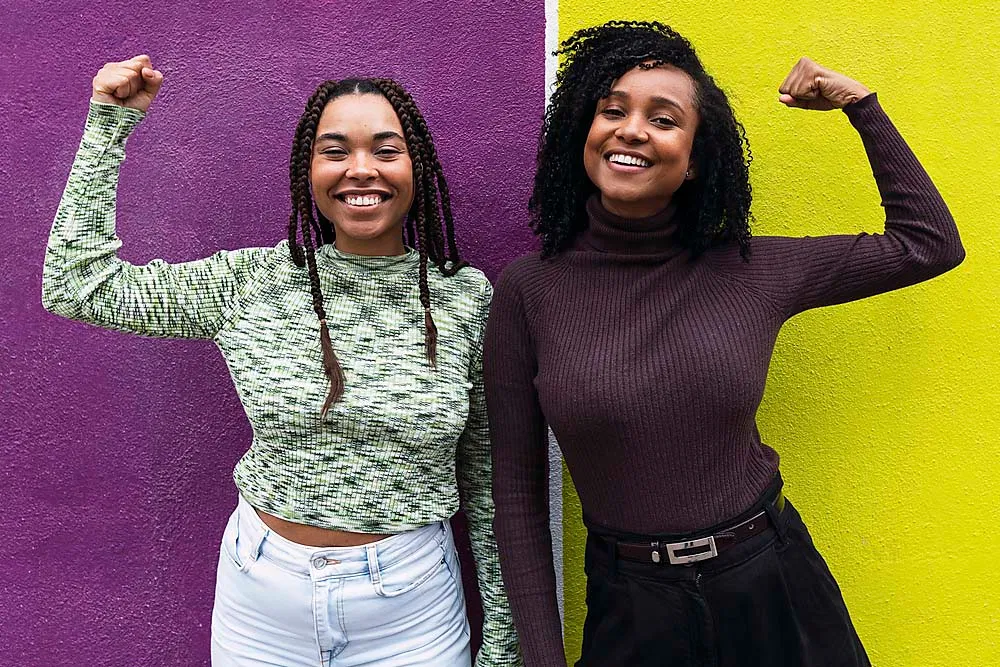
Every year on March 8, people around the world come together to celebrate International Women's Day—a global observance that honors the social, economic, cultural, and political achievements of women while also calling for accelerated progress toward gender equality. What began as a labor‑rights movement in the early 1900s has grown into a worldwide day of recognition, advocacy, and solidarity, with millions participating in events, marches, and campaigns. As we mark International Women's Day in 2025, the dual themes of 'Accelerate Action' and the UN's 'For ALL women and girls: Rights. Equality. Empowerment.' underscore the urgent need to close a gender gap that, at current rates, would take until 2158 to fully bridge.
How International Women's Day Grew from a Protest to a Global Movement
The story of International Women's Day is rooted in the industrial upheavals of the early 20th century. In 1908, amid widespread unrest over women's oppression and inequality, 15,000 women marched through New York City demanding shorter working hours, better pay, and the right to vote. That demonstration helped spark the first National Woman's Day, observed across the United States on February 28, 1909, after a declaration by the Socialist Party of America.
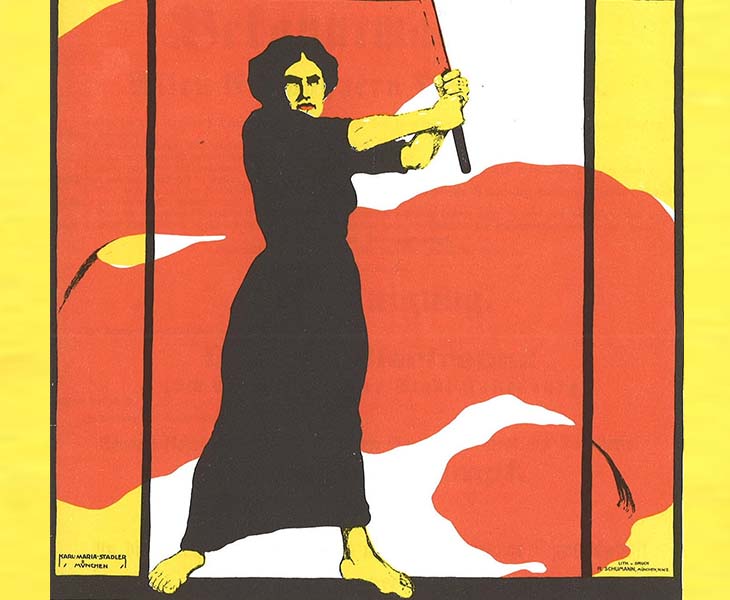
The idea of an international day dedicated to women was formally proposed in 1910 by Clara Zetkin, leader of the Women's Office for Germany's Social Democratic Party. At the second International Conference of Working Women in Copenhagen, Zetkin called for a yearly celebration in every country to press for women's demands. The conference, attended by over 100 women from 17 countries—including the first three women elected to the Finnish parliament—unanimously approved the proposal, giving birth to International Women's Day.
Timeline: Key Moments That Shaped International Women's Day
The first International Women's Day was honored on March 19, 1911, in Austria, Denmark, Germany, and Switzerland. More than one million women and men attended rallies that day, campaigning for women's rights to work, vote, receive training, hold public office, and end discrimination. Tragically, less than a week later, the Triangle Shirtwaist Factory fire in New York City claimed the lives of more than 140 working women, most of them Italian and Jewish immigrants. The disaster drew intense scrutiny to working conditions and labor laws in the United States, further galvanizing the women's movement.
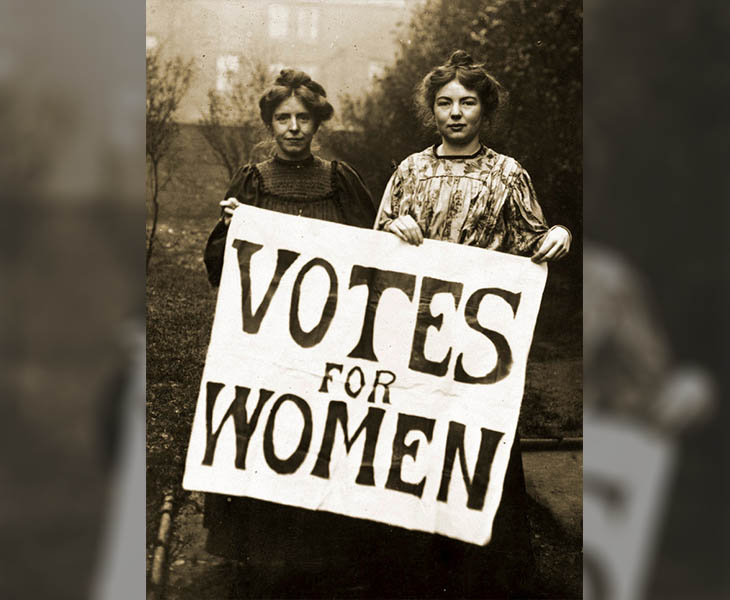
Over the decades, International Women's Day spread across the globe. In 1975, the United Nations officially began celebrating March 8 as International Women's Day, and by the 21st century it had become a mainstream observance marked by governments, corporations, schools, and grassroots organizations alike. Today, the day is recognized as a public holiday in many countries, from Armenia to Zambia, and serves as a platform to highlight both the progress made and the persistent barriers that women face.
Why International Women's Day Matters: The Fight for Gender Parity
International Women's Day is more than a symbolic celebration; it is a call to action for gender equality. According to data from the World Economic Forum, at the current rate of progress it will take until 2158—roughly five generations—to achieve full gender parity. The 2025 campaign theme, 'Accelerate Action,' emphasizes the need for swift, decisive steps to dismantle the systemic barriers and biases that women encounter in both personal and professional spheres.

Simultaneously, the United Nations has adopted the theme 'For ALL women and girls: Rights. Equality. Empowerment.' for 2025, focusing on ensuring that every woman and girl, regardless of background or circumstance, can enjoy their full rights and participate equally in society. These twin themes reflect a growing consensus that incremental change is insufficient; only through concerted, accelerated efforts can we hope to close the gender gap in our lifetimes.
Where Things Stand Now: The Current State of Women's Rights
While women have made remarkable strides in education, political representation, and economic participation over the past century, significant challenges remain. Gender‑based violence, pay gaps, underrepresentation in leadership roles, and unequal access to healthcare and education continue to affect women worldwide. International Women's Day provides an annual opportunity to spotlight these issues, share data, and mobilize resources and political will to address them.
In recent years, the day has also become a major digital event, with social‑media campaigns such as #AccelerateAction, #IWD2025, and #EachforEqual driving global conversations. From corporate diversity initiatives to community‑led workshops, the range of activities demonstrates that everyone, everywhere, can play a part in advancing gender equality.
What Happens Next: The Road Ahead for Gender Equality
The future of International Women's Day will likely see even greater integration of technology, intersectional advocacy, and youth engagement. As younger generations take up the mantle, the focus is expanding to include climate justice, digital inclusion, and the rights of women with disabilities, refugees, and LGBTQ+ communities. The ultimate goal is to create a world where every day—not just March 8—is a day of equality, respect, and opportunity for all women and girls.
Quick Summary: Everything You Need to Know About International Women's Day
- Date: Celebrated annually on March 8.
- Origin: Emerged from early 20th‑century labor and suffrage movements; first International Women's Day held in 1911.
- Purpose: To celebrate women's achievements, raise awareness about gender inequality, and advocate for women's rights.
- 2025 Themes: 'Accelerate Action' (global campaign) and 'For ALL women and girls: Rights. Equality. Empowerment.' (UN theme).
- Key Statistic: At the current pace, gender parity is projected to be reached in 2158—five generations from now.
- How to Participate: Attend or organize events, support women‑focused charities, educate yourself and others, and use social media to amplify the message.
International Women's Day is a powerful reminder that gender equality is not a distant ideal but an achievable reality—provided we act with the urgency that the moment demands. By understanding its history, embracing its themes, and joining the global call to accelerate action, each of us can help build a more equitable world for women and girls everywhere.