The Kentucky Derby is one of the most celebrated sporting events in the world, drawing millions of viewers each year to watch three-year-old Thoroughbreds thunder down the track at Churchill Downs in Louisville, Kentucky. Known as "The Most Exciting Two Minutes in Sports" and the "Run for the Roses," the Derby is the longest continuously running sporting event in the United States, dating back to 1875. With a $5 million purse, elaborate traditions, and a rich history of legendary horses and historic breakthroughs — including Cherie DeVaux making history in 2026 as the first woman to train a Derby winner — understanding how this iconic race works adds a whole new level of appreciation.
How the Kentucky Derby Was Born: From 1875 to History-Making Wins
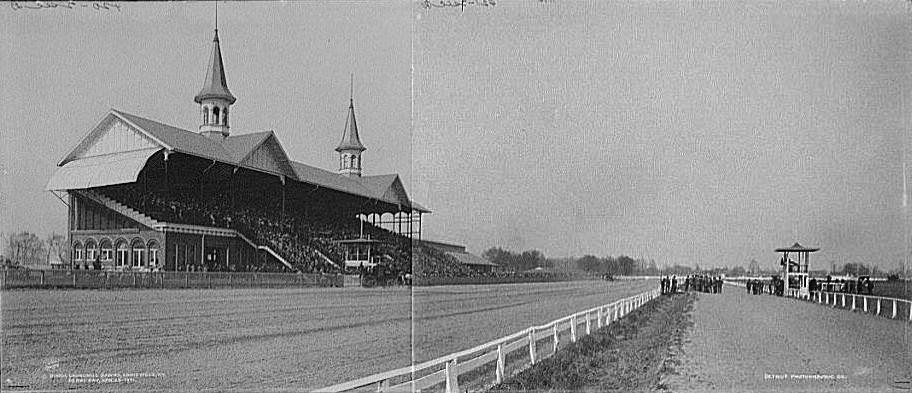
The Kentucky Derby was founded by Meriwether Lewis Clark Jr., the grandson of famed explorer William Clark, who was inspired after attending the Epsom Derby in England. On May 17, 1875, a crowd of 10,000 people gathered at Churchill Downs to watch 15 three-year-old horses compete in the first-ever Derby. The inaugural winner was a colt named Aristides, ridden by jockey Oliver Lewis and trained by future Hall of Famer Ansel Williamson.
In the early decades, Black jockeys dominated the Derby, winning all but one race before 1894. They brought innovations to the sport — including the shortened stirrups still used today — though they were gradually pushed out of the sport by the early 1900s. The race turned a corner in 1902 when Colonel Matt Winn acquired Churchill Downs and transformed the Derby into the premier stakes race for three-year-olds in North America.
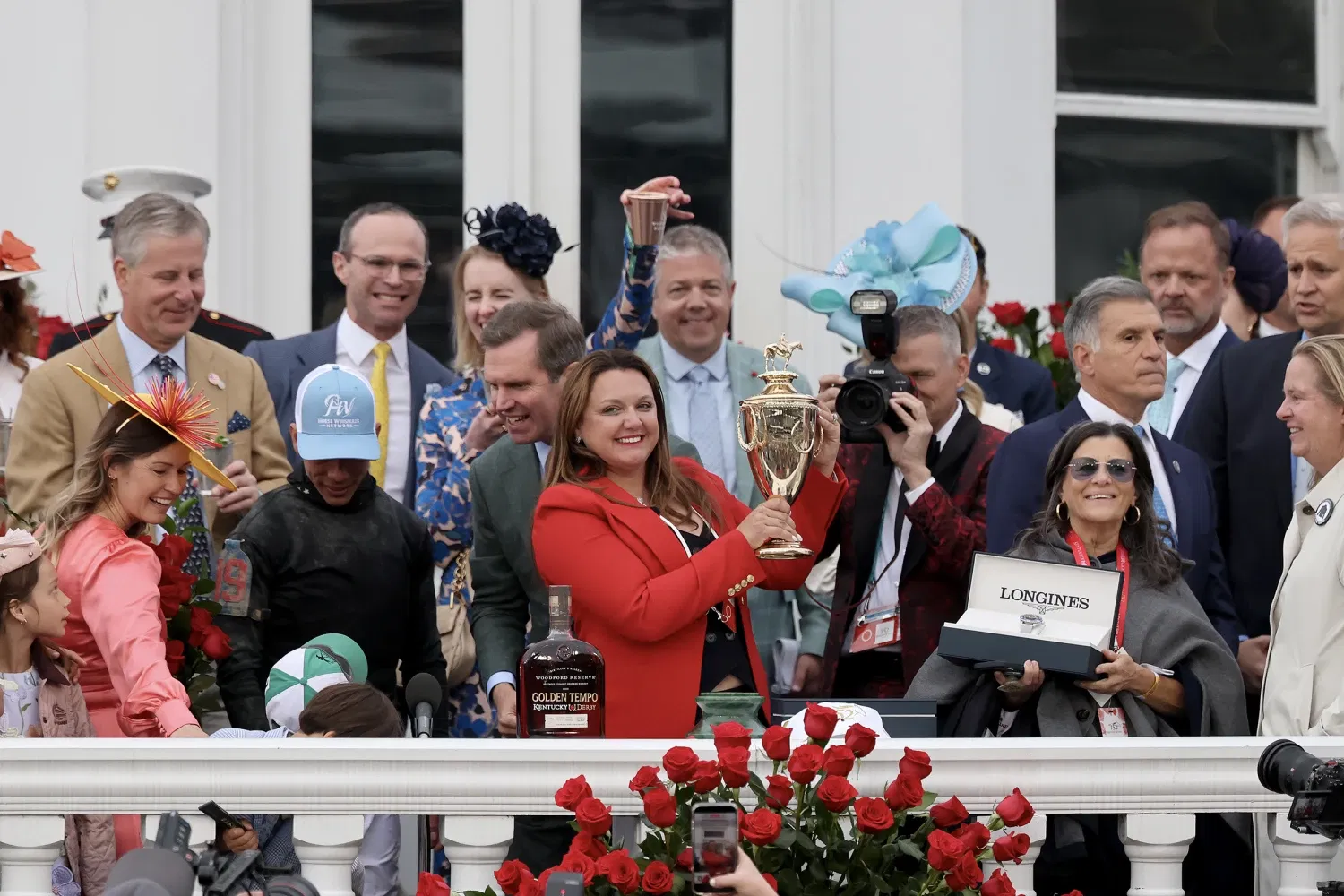
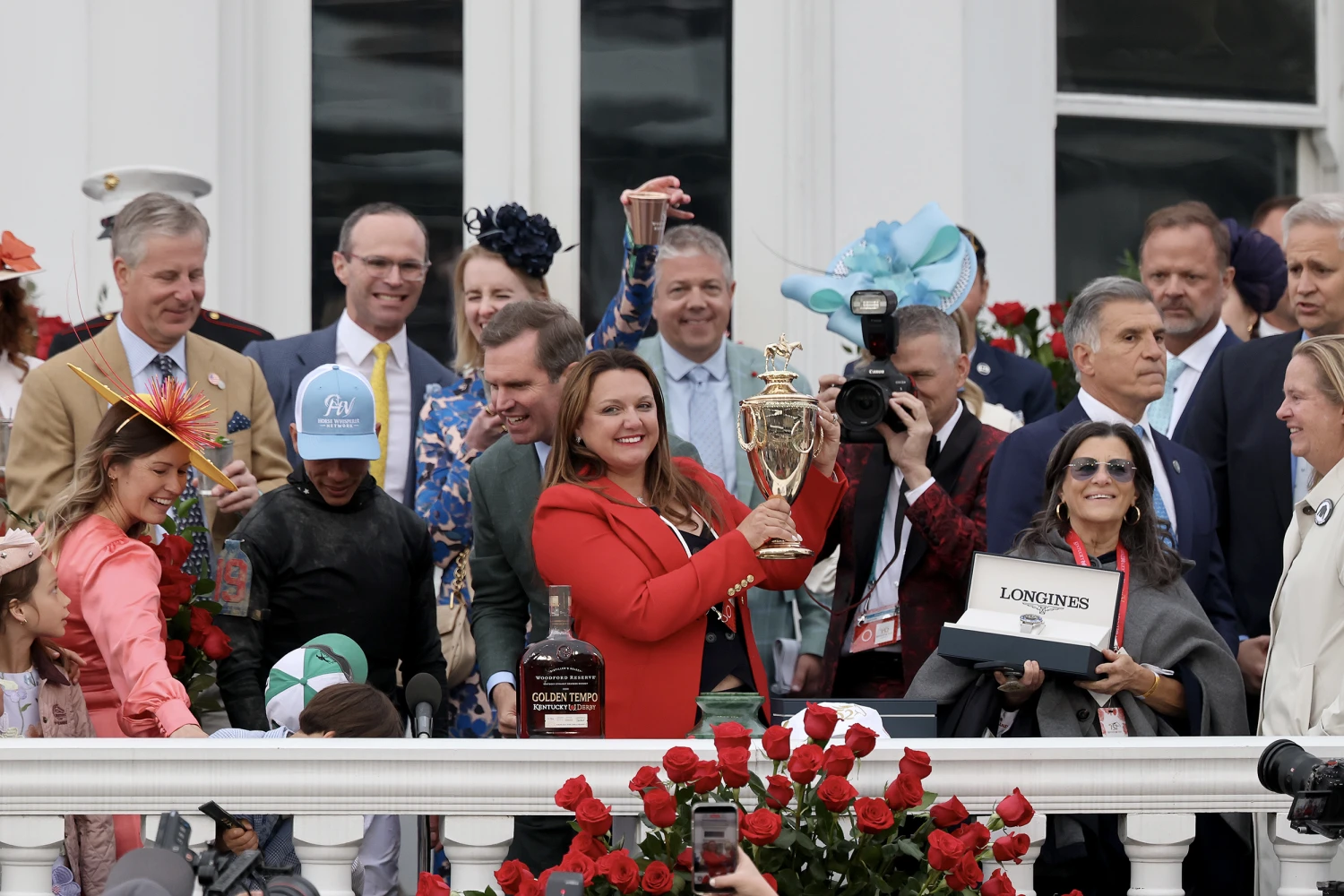
In 2026, the 152nd Kentucky Derby made history when Cherie DeVaux became the first female trainer ever to win the race. Her horse, Golden Tempo — a 23-1 long shot — charged from dead last to edge out the favorite, Renegade, by a neck at the wire. DeVaux, who earned her trainer's license in 2018 after years as an assistant, said in the winner's circle: "I'm glad I can be representative of women everywhere. We can do anything we set our minds to."
Timeline: How the Kentucky Derby Developed Over 152 Years
1875 — The first Kentucky Derby is run on May 17 at Churchill Downs. Aristides wins the inaugural race in front of 10,000 spectators.
1896 — The tradition of draping roses on the Derby winner is first recorded, giving the race its enduring nickname, "The Run for the Roses."
1902 — Col. Matt Winn takes over Churchill Downs, ushering in a new era of prosperity that cements the Derby as America's premier horse race.
1919 — Sir Barton becomes the first horse to win the Kentucky Derby, Preakness Stakes, and Belmont Stakes — though the term "Triple Crown" wouldn't be used until 1930.
1925 — The first live radio broadcast of the Derby airs on WHAS in Louisville and WGN in Chicago.
1931 — The Derby moves to the first Saturday in May, a date it still holds today, creating a consistent schedule for the Triple Crown races.
1952 — The first national television broadcast of the Derby airs via CBS affiliate WHAS-TV.
1970 — Diane Crump becomes the first female jockey to ride in the Derby, finishing 15th aboard Fathom.
1973 — Secretariat wins the Derby in a record time of 1:59.4 minutes, a record that still stands. He goes on to win the Triple Crown.
2020 — The Derby is postponed to September for only the second time in history due to the COVID-19 pandemic.
2026 — Cherie DeVaux becomes the first female trainer to win the Kentucky Derby, as Golden Tempo rallies from last place to capture the 152nd running.
The Road to the Derby: How Horses Qualify and the Race Format Explained
The Kentucky Derby is limited to three-year-old Thoroughbreds, and earning a spot in the starting gate is no small feat. Most horses qualify through the "Road to the Kentucky Derby," a series of designated prep races that award points based on finishing position. The 20 horses with the most points earn a place in the starting gate on race day. If a horse is scratched, the next-highest point earner can take its place — as happened in 2022 when Rich Strike entered as an 80-1 long shot after a late withdrawal and went on to win.
The race itself is run on a dirt track at a distance of 1¼ miles (10 furlongs). Colts and geldings carry 126 pounds, while fillies carry 121 pounds. This distance is the farthest most of these horses have ever run, making stamina a critical factor. The starting gate holds up to 20 horses, creating one of the most chaotic and thrilling opening moments in sports.
The Derby is the first leg of the American Triple Crown, followed by the Preakness Stakes (run two weeks later at Pimlico Race Course in Baltimore) and the Belmont Stakes (run three weeks after that in Elmont, New York). Only 13 horses have ever won all three races, with the most recent being Justify in 2018.
Betting is a massive part of the Derby experience. In 2017, wagering on the Kentucky Derby Day program reached a record $209.2 million. Common bets include Win (pick the first-place finisher), Place (finish first or second), and Show (finish first, second, or third), as well as exotic wagers like Exacta (pick the top two in order) and Trifecta (pick the top three in order).
Why the Kentucky Derby Traditions Matter: Roses, Mint Juleps, and More
Few sporting events have traditions as rich and recognizable as the Kentucky Derby. Here are the most iconic:
The Garland of Roses. The winning horse receives a lush blanket of 554 red Freedom roses, hand-sewn into a garland weighing about 40 pounds. A single rose pointing upward in the center symbolizes the struggle and heart needed to reach the winner's circle. The tradition dates back to 1883, when New York socialite E. Berry Wall presented roses at a post-Derby party, and the rose was later made the race's official flower.
The Mint Julep. This iced cocktail made with bourbon, mint, and sugar has been the traditional beverage of the Kentucky Derby for nearly a century. Over 120,000 mint juleps are consumed at Churchill Downs on race day, with many served in souvenir glasses that have been offered annually since 1939.
Fancy Hats and Fashion. The tradition of elaborate hats dates back to the Derby's earliest days when full morning dress was required of attendees. Today, women (and men) wear dizzyingly ornate headgear, from floral creations to whimsical sculptural pieces, making the Derby as much a fashion event as a horse race.
"My Old Kentucky Home." As the horses parade before the grandstand, the University of Louisville marching band plays Stephen Foster's "My Old Kentucky Home," a tradition that began in 1921. The crowd sings along, often with tears in their eyes.
The Call to the Post. A bugler plays the traditional call signaling that the horses are about to begin their parade to the starting gate. Longtime bugler Steve Buttleman has been the voice of this tradition for decades.
"Riders Up!" The paddock judge commands jockeys to mount their horses approximately 19 minutes before post time. Since 2012, a celebrity has been invited to deliver this famous call each year, from Patrick Mahomes to Martha Stewart.
Where Things Stand Now: The 2026 Kentucky Derby and Its Historic Winner
The 152nd Kentucky Derby, run on May 2, 2026, will be remembered for generations. Golden Tempo, a 23-1 long shot ridden by jockey Jose Ortiz, charged from the back of the pack to defeat Renegade at the wire. The victory made Cherie DeVaux the first female trainer in the 152-year history of the race to claim the garland of roses.
DeVaux, 44, started her training career in 2018 after climbing the ranks as a stable worker and assistant trainer for Chad Brown. Her path to the Derby was anything but conventional. "I was burned out from being an assistant trainer. I wanted to do something more for myself, have a little bit more of a personal life," DeVaux told WLEX-TV. She won her first race just 11 months after going solo and took the Breeders' Cup in 2024 before her Derby triumph.
In a dramatic finish, Jose Ortiz defeated his own brother Irad Ortiz Jr., who was aboard the runner-up Renegade. "I don't have any words right now," DeVaux said after the victory. "Jose did a wonderful job, a masterful job at getting him there."
What Happens Next: The Triple Crown and the Future of the Derby
Following the Kentucky Derby, all eyes turn to the Preakness Stakes on May 16, 2026, at Pimlico Race Course. DeVaux has not yet committed to running Golden Tempo in the Preakness, saying she wants to see how the horse responds before making a decision. If Golden Tempo does run and wins, he would advance to the Belmont Stakes on June 6 with a chance at the Triple Crown — which would make DeVaux the first woman to train a Triple Crown winner.
The Kentucky Derby itself continues to evolve. In 2024, the purse was increased to $5 million. New technology, including a singular 20-stall starting gate introduced in 2020, has improved the safety and fairness of the race. And with DeVaux's historic win, the Derby has sent a powerful message about the changing face of a sport that has traditionally been dominated by men.
Key Takeaways from the Kentucky Derby
- The Kentucky Derby is America's oldest continuously running sporting event, first run in 1875 at Churchill Downs in Louisville, Kentucky.
- The race is limited to three-year-old Thoroughbreds running 1¼ miles, with a field of up to 20 horses determined by the Road to the Kentucky Derby points system.
- Iconic traditions include the garland of 554 roses, mint juleps, elaborate hats, and the singing of "My Old Kentucky Home."
- The Derby is the first leg of the Triple Crown, followed by the Preakness Stakes and Belmont Stakes.
- The fastest time in Derby history belongs to Secretariat, who ran 1:59.4 in 1973, a record that still stands.
- The 2026 Derby made history as Cherie DeVaux became the first female trainer to win the race, with Golden Tempo rallying from last place to victory.
- The purse for the Kentucky Derby is $5 million, with significant wagering activity from fans around the world.