

Every third Monday in January, the United States pauses to honor the legacy of one of its most influential civil rights leaders, Dr. Martin Luther King Jr. Known as Martin Luther King Jr. Day, this federal holiday not only commemorates King's birthday but also serves as a national day of service, encouraging Americans to volunteer in their communities. For 2024, the holiday falls on January 15, coinciding with King's actual birthday, and marks the 38th year since the first official observance in 1986. While schools, government offices, and financial markets close, many retailers like Costco and Target remain open, creating a unique blend of reflection and normalcy across the country.
How Martin Luther King Day Became a Federal Holiday
The journey to establish Martin Luther King Jr. Day as a federal holiday was a 15‑year battle that began just four days after King's assassination on April 4, 1968. Democratic Congressman John Conyers of Michigan, with the approval of Coretta Scott King, introduced the first legislation to create a holiday in King's honor on April 8, 1968. Despite the immediate national grief and outrage over King's murder, the bill languished in Congress for over a decade, facing opposition from lawmakers who argued that federal holidays should not honor private citizens and raised concerns about the cost of an additional paid day off for government employees.
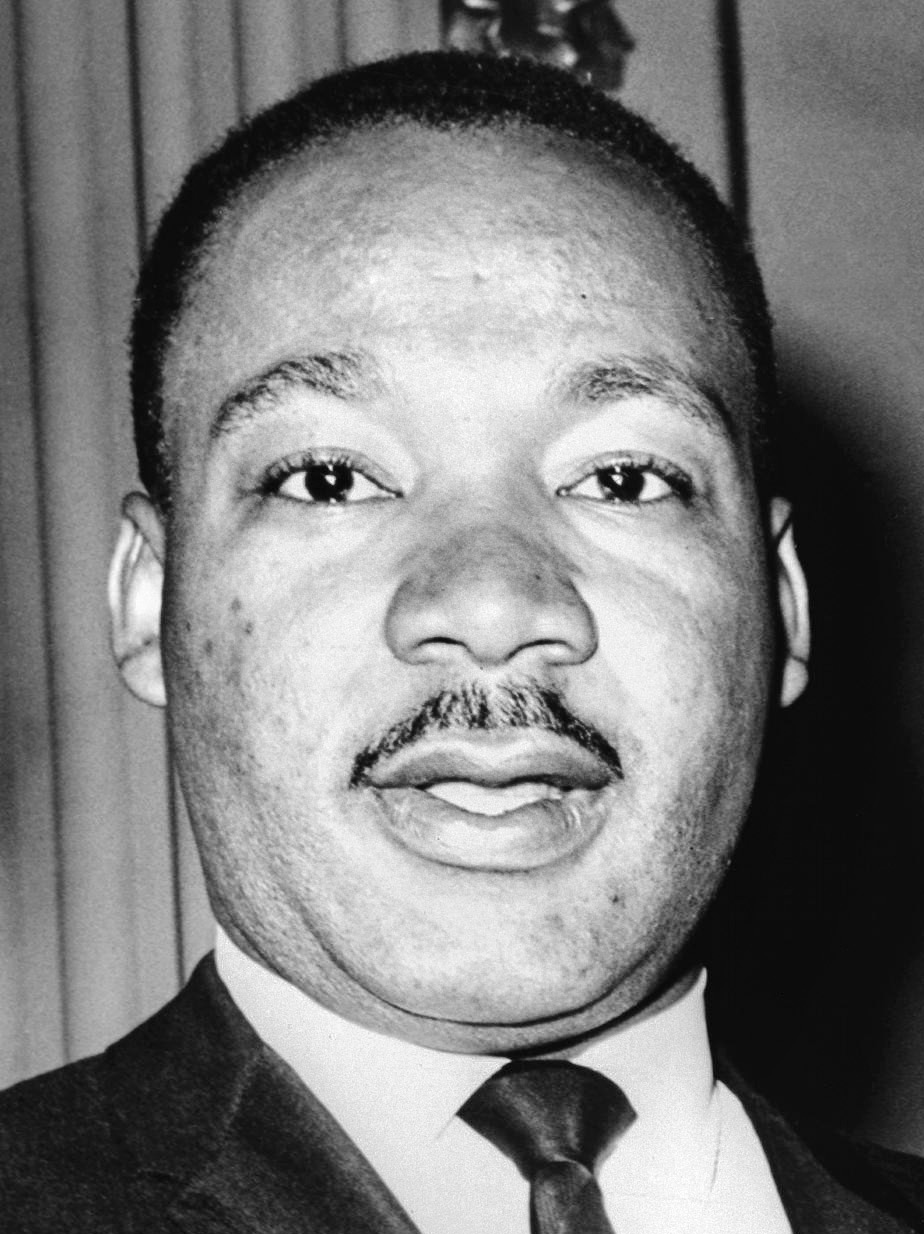
In 1979, on the 50th anniversary of King's birth, the bill finally reached the House floor but was defeated by just five votes. The close loss galvanized supporters, and a powerful cultural force entered the fight: musician Stevie Wonder. His 1980 song "Happy Birthday," from the album "Hotter Than July," became an anthem for the holiday movement, with lyrics that asked, "I just never understood / How a man who died for good / Could not have a day that would / Be set aside for his recognition." Wonder joined Coretta Scott King at rallies and helped collect millions of signatures on petitions.
By 1983, public support had swelled, and the House passed the bill by an overwhelming 338–90 vote. The Senate debate was heated, with Republican Senator Jesse Helms of North Carolina attempting to block the legislation by accusing King of having communist ties. Democratic Senator Daniel Patrick Moynihan famously threw Helms' 300‑page binder to the ground, calling it a "packet of filth." The Senate ultimately approved the bill, and President Ronald Reagan signed the King Holiday Bill into law on November 2, 1983. The first national observance took place on January 20, 1986.
The 15‑Year Battle: Key Moments in the Fight for MLK Day
The struggle for Martin Luther King Jr. Day unfolded through a series of pivotal events that illustrate both the perseverance of civil rights activists and the slow progress of institutional change. Here’s a timeline of the key moments that shaped the holiday’s creation:
- April 4, 1968: Dr. Martin Luther King Jr. is assassinated in Memphis, Tennessee.
- April 8, 1968: Rep. John Conyers introduces the first bill to make King’s birthday a federal holiday.
- 1979: The bill fails in the House by five votes despite a petition with 300,000 signatures and support from President Jimmy Carter.
- 1980: Stevie Wonder releases “Happy Birthday,” galvanizing public support and helping to collect six million signatures.
- 1982: Coretta Scott King and Stevie Wonder lead a rally on the National Mall, exactly 18 years after King’s “I Have a Dream” speech.
- 1983: The House passes the bill 338–90; the Senate approves after heated debate; President Reagan signs it into law on November 2.
- 1986: The first federal Martin Luther King Jr. Day is observed on January 20.
- 1999: New Hampshire becomes the last state to adopt the holiday, making it recognized in all 50 states.
- 1994: Congress passes the King Holiday and Service Act, designating MLK Day as a national day of service.
This timeline reveals how grassroots activism, celebrity influence, and political determination eventually overcame resistance to create a holiday that now serves as a cornerstone of American civil rights remembrance.
Why MLK Day Matters: Legacy and Modern Observance
Martin Luther King Jr. Day is more than just a day off work or school; it is a living tribute to a man whose philosophy of nonviolent resistance transformed American society. King’s leadership in the Montgomery bus boycott, the March on Washington, and the Selma to Montgomery marches helped dismantle legal segregation and advance voting rights for Black Americans. The holiday ensures that new generations learn about this history and reflect on the ongoing struggle for racial equality.
In 1994, Congressman John Lewis and Senator Harris Wofford championed the King Holiday and Service Act, which President Bill Clinton signed into law. This legislation rebranded MLK Day as “a day on, not a day off,” encouraging Americans to volunteer in their communities. Today, millions of people participate in service projects—from cleaning up parks to tutoring students—that honor King’s commitment to social justice.
The holiday also sparks important conversations about race relations and civil rights. Schools, museums, and community organizations host lectures, film screenings, and artistic performances that explore King’s legacy and contemporary issues. The National Museum of African American History and Culture, for example, offers special programs and encourages visitors to transcribe Freedmen’s Bureau records, connecting past struggles with present‑day activism.
What’s Open and Closed on MLK Day 2024
Understanding what services operate on Martin Luther King Jr. Day helps you plan accordingly. As a federal holiday, MLK Day triggers closures for many government and financial institutions, but most retail businesses remain open. Here’s a breakdown based on official sources and business announcements:
Closed Services
- Federal, state, and local government offices: Including DMVs, courts, and city halls.
- U.S. Postal Service: No regular mail delivery; post offices are closed.
- Banks: Most brick‑and‑mortar banks are closed, though online banking and ATMs are available.
- Stock markets: The New York Stock Exchange and NASDAQ are closed.
- Schools: Public schools and many universities are closed.
- Libraries: Most public libraries are closed.
Open Services
- Retail stores: Major chains like Walmart, Target, Kroger, and Costco are open with normal hours.
- Restaurants: Most chain restaurants and fast‑food outlets are open.
- Grocery stores: Supermarkets such as ALDI, Trader Joe’s, and Whole Foods are open.
- National parks: All U.S. national parks offer free admission on MLK Day (one of six fee‑free days in 2024).
- Public transportation: Usually operates on a holiday schedule; check local agencies.
- Package delivery: UPS offers limited service (Express Critical only); FedEx operates with modified service.
Costco, a popular wholesale retailer, confirms that its warehouses are open on MLK Day with regular hours: 9 a.m. to 8:30 p.m. for Executive Members and 10 a.m. to 8:30 p.m. for Gold Star and Business Members. The chain closes only on seven holidays: New Year’s Day, Easter Sunday, Memorial Day, Independence Day, Labor Day, Thanksgiving Day, and Christmas Day.
The Future of MLK Day as a Day of Service
As Martin Luther King Jr. Day evolves, its emphasis on community service continues to grow. Organizations like the Corporation for National and Community Service (CNCS) coordinate thousands of volunteer projects across the country, ranging from environmental cleanups to food‑bank assistance. This shift from passive remembrance to active engagement aligns with King’s own words: “Everybody can be great because everybody can serve.”
Educational institutions are also integrating service‑learning into their MLK Day observances. Students might analyze primary sources from the civil rights movement, then design a service project that addresses a local inequity. Such approaches help young people see the connection between historical activism and present‑day civic responsibility.
Looking ahead, advocates hope to expand the holiday’s impact by encouraging more businesses to offer paid volunteer time off on MLK Day and by fostering partnerships between corporations and nonprofit organizations. The goal is to make service not just a one‑day event but a year‑round commitment that honors King’s vision of a “beloved community.”
Key Points to Remember
Martin Luther King Jr. Day is a unique American holiday that blends historical remembrance with civic action. To summarize the essential facts:
- Martin Luther King Jr. Day is observed on the third Monday of January (January 15 in 2024).
- It became a federal holiday in 1983 after a 15‑year campaign led by Coretta Scott King, Rep. John Conyers, and Stevie Wonder.
- All 50 states recognized the holiday by 2000, though some initially combined it with other observances (e.g., Robert E. Lee Day in Alabama and Mississippi).
- The holiday is designated as a national day of service— “a day on, not a day off.”
- Government offices, post offices, banks, and stock markets are closed; most retail stores and restaurants are open.
- Costco is open on MLK Day but closes on seven other major holidays.
- National parks offer free admission on MLK Day.
- Volunteer projects and educational programs are central to modern observances, keeping King’s legacy alive.
By understanding the history, significance, and practical details of Martin Luther King Jr. Day, you can better appreciate this holiday and perhaps find a way to contribute to your community on January 15—and throughout the year.

.jpg?ref=cdn.posts.market)