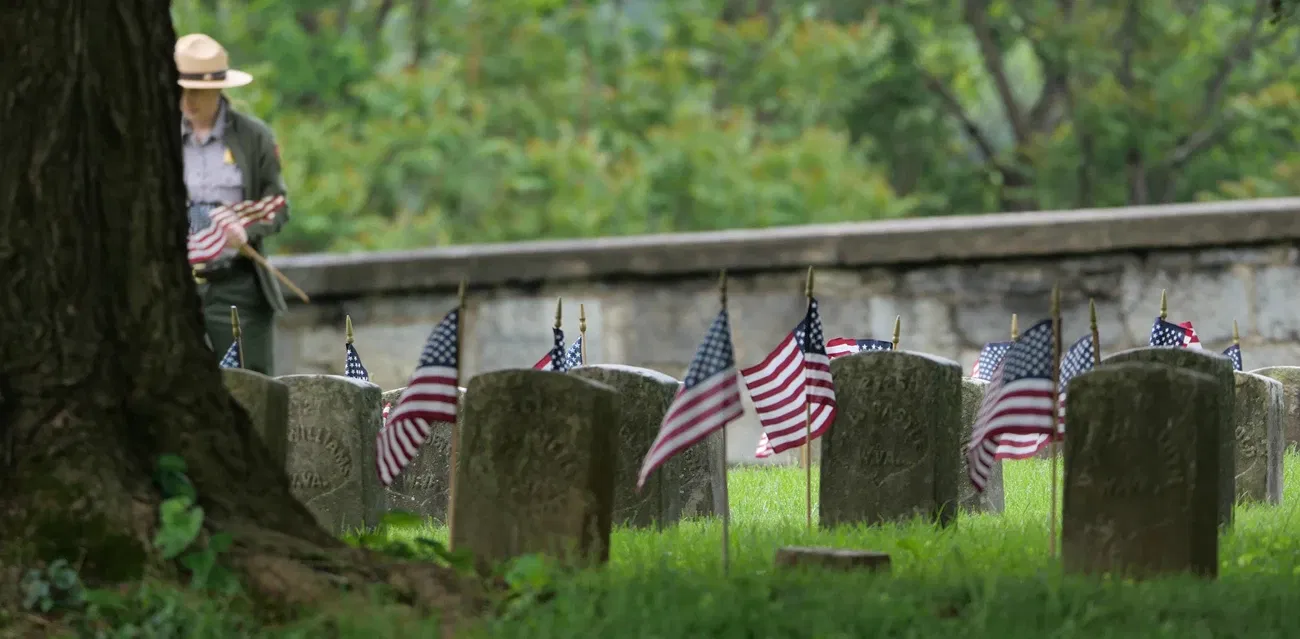
Memorial Day 2026 will be observed on Monday, May 25, marking the annual federal holiday dedicated to honoring the men and women who died while serving in the United States Armed Forces. As the last Monday of May approaches, millions of Americans will prepare to observe this solemn day through parades, cemetery visits, flag ceremonies, and a national moment of remembrance. But beyond the long weekend that unofficially kicks off summer, Memorial Day carries a deep and important history that dates back to the aftermath of the Civil War.
How Memorial Day Began: From Decoration Day to a National Holiday
Memorial Day was originally known as Decoration Day, a name that came from the practice of decorating the graves of fallen soldiers with flowers, flags, and other tributes. The tradition emerged organically after the Civil War, as communities across the North and South began holding springtime ceremonies to honor their war dead. The first widely recognized observance took place on May 30, 1868, when General John A. Logan of the Grand Army of the Republic issued a proclamation calling for a national day of remembrance. On that day, approximately 5,000 people gathered at Arlington National Cemetery to decorate the graves of more than 20,000 Union and Confederate soldiers.
For decades, Decoration Day remained an informal but widely observed tradition. After World War I, the holiday expanded to honor all Americans who died in military service, not just those from the Civil War. In 1971, Congress passed the Uniform Monday Holiday Act, which officially established Memorial Day as a federal holiday observed on the last Monday of May, giving Americans a three-day weekend. The law took effect in 1971, and the observance date has remained the same ever since.
Timeline: The Evolution of Memorial Day Through History
The path from scattered local observances to a unified national holiday took over a century. Here are the key milestones:
- 1865–1868: Communities in both the North and South begin organizing springtime grave-decorating ceremonies following the Civil War. Multiple towns claim to be the birthplace of Memorial Day, including Columbus, Georgia; Columbus, Mississippi; and Waterloo, New York (which President Lyndon Johnson officially recognized as the birthplace in 1966).
- May 5, 1868: General John A. Logan issues General Order No. 11, designating May 30 as Decoration Day for decorating the graves of Union soldiers.
- May 30, 1868: The first large-scale observance takes place at Arlington National Cemetery, with speeches, music, and the decoration of both Union and Confederate graves.
- 1870s–1890s: Decoration Day ceremonies spread across the country. Many states, particularly in the North, adopt it as an official state holiday.
- 1918–1945: After World War I, the holiday evolves to honor all American military personnel who died in any war, not just the Civil War.
- 1968: Congress passes the Uniform Monday Holiday Act, which moves Memorial Day from May 30 to the last Monday in May, taking effect in 1971.
- 1971: Memorial Day officially becomes a federal holiday observed on the last Monday of May.
- 2000: Congress passes the National Moment of Remembrance Act, encouraging all Americans to pause at 3:00 PM local time for a moment of silence.
Memorial Day vs. Veterans Day: Understanding the Difference
One of the most common misconceptions about Memorial Day is that it honors all veterans. In reality, Memorial Day specifically honors those who died in military service. Veterans Day, observed on November 11, honors all who have served in the U.S. military, living and deceased. Armed Forces Day, observed on the third Saturday of May, honors those currently serving. Many veterans express frustration when they receive "Happy Memorial Day" greetings, noting that the day is one of solemn remembrance rather than celebration.
The importance of this distinction is echoed by organizations like the Wounded Warrior Project and the U.S. Department of Veterans Affairs, which emphasize that Memorial Day is a time for "mourning and honoring" the nation's deceased service members. As the VA notes, it is "the nation's foremost annual day to mourn and honor its deceased service men and women."
The Red Poppy: How a Poem Created an Enduring Symbol
The red poppy became the iconic symbol of Memorial Day thanks to a poem written during World War I. Canadian Lieutenant Colonel John McCrae, a brigade surgeon, wrote "In Flanders Fields" in 1915 after witnessing the death of a friend on the battlefield. The poem described how poppies grew amid the graves of fallen soldiers in Flanders, Belgium, and became an international symbol of remembrance. In 1918, Moina Michael, an American professor, began the tradition of wearing red poppies to honor the war dead, and the practice was later adopted by veterans' organizations across the United States and Allied nations.
Today, the American Legion Auxiliary distributes millions of red poppies each year in the days leading up to Memorial Day, with donations supporting veterans and military families. Wearing a red poppy on Memorial Day is a simple but powerful way to show respect for those who made the ultimate sacrifice.
How Memorial Day Is Observed: Traditions and Etiquette
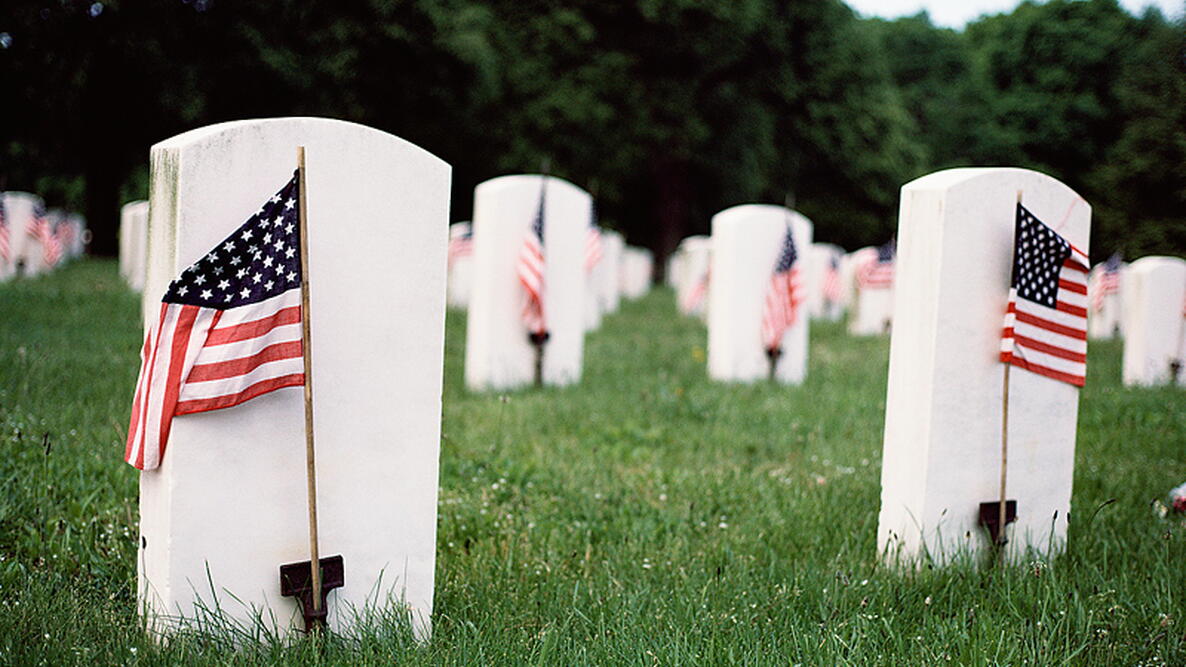
Memorial Day is observed through a rich set of traditions, many of which date back over a century. Visiting cemeteries and memorials remains the cornerstone of the day. Volunteers place American flags on the graves of service members at national cemeteries across the country — at Arlington National Cemetery alone, the 3rd U.S. Infantry Regiment (The Old Guard) places over 260,000 flags. Parades, memorial services, and wreath-laying ceremonies take place in communities nationwide.
Proper flag etiquette is an important part of the observance. On Memorial Day, the U.S. flag should be flown at half-staff from sunrise until noon, then raised briskly to full staff until sunset. This tradition symbolizes the nation mourning its fallen in the morning and then recommitting to their unfinished work in the afternoon. The National Moment of Remembrance, established by Congress in 2000, asks all Americans to pause at 3:00 PM local time for a moment of silence to honor the fallen.
What's Open and Closed on Memorial Day 2026
As a federal holiday, Memorial Day means that most government offices, banks, and post offices are closed. Many retailers, however, remain open for the holiday weekend, offering sales and promotions. According to recent reports, Costco will be closed on Memorial Day 2026, while Walmart, Target, and many grocery stores will be open. It's always a good idea to check local store hours in advance, as many businesses operate on modified schedules.
The Bottom Line: Key Facts About Memorial Day 2026
- Date: Monday, May 25, 2026
- What it honors: U.S. military personnel who died in service to their country
- Originally called: Decoration Day, established after the Civil War
- First national observance: May 30, 1868, at Arlington National Cemetery
- Federal holiday since: 1971
- Key traditions: Flag placement on graves, cemetery visits, parades, wearing red poppies, National Moment of Remembrance at 3:00 PM
- Flag etiquette: Half-staff until noon, full staff until sunset
- Difference from Veterans Day: Memorial Day honors the fallen; Veterans Day honors all who served