When tensions flare between nations like Iran and Israel, it's natural to wonder how such conflicts develop and what drives countries to the brink of war. Understanding international conflicts isn't just about following headlines—it's about grasping the underlying mechanisms that shape global politics. From territorial disputes to ideological clashes, wars follow patterns that historians and political scientists have studied for centuries. By examining how conflicts work and what causes them, we can better comprehend current events and appreciate the complex dynamics that keep the peace or push nations toward confrontation.
What Is War? Defining International Conflict
At its most basic level, war represents organized armed conflict between states or nations. According to political scientists, war typically begins when disputes between countries escalate beyond diplomatic solutions and governmental leaders cannot resolve their differences peacefully. Wars can range from limited border skirmishes to total conflicts involving multiple nations, and they've been a recurring feature of human history across all civilizations. What makes modern conflicts particularly complex is the interplay of traditional military confrontation with economic pressure, cyber warfare, and proxy engagements through allied groups.
International law generally recognizes several types of armed conflict, including interstate wars between recognized nations, civil wars within countries, and asymmetric conflicts where unequal forces employ different strategies. The Iran-Israel tension represents what experts call a "proxy conflict," where the two nations fight indirectly through allied groups rather than engaging in direct, sustained warfare. This approach allows both sides to pursue their strategic goals while managing the risks of all-out war.
The Five Fundamental Reasons Wars Happen
Military historians and conflict researchers have identified recurring patterns in what drives nations to war. According to analysis from the Modern War Institute, most conflicts stem from five primary causes that often intertwine to create the conditions for warfare.
First, security concerns and fear drive nations to preemptive action. When countries perceive immediate threats to their survival or vital interests, they may decide that striking first represents their best defense. This "security dilemma" explains many historical conflicts where nations armed themselves for protection, only to make neighbors feel threatened in return.
Second, territorial and resource disputes remain among the most common causes of war throughout history. Control of land, waterways, minerals, or energy resources can make conflict seem economically necessary, especially when nations believe they have legitimate claims to contested areas.
Third, ideological and religious differences can transform political disagreements into existential struggles. When nations view each other not just as competitors but as representatives of fundamentally incompatible worldviews, compromise becomes difficult and conflict can seem inevitable.
Fourth, leadership decisions and miscalculations play a crucial role. Individual leaders sometimes pursue war for personal glory, political survival, or because they misjudge their adversary's resolve. Historical analysis shows that wars often begin when leaders overestimate their chances of quick victory or underestimate the costs of conflict.
Finally, historical grievances and revenge motives can perpetuate cycles of violence across generations. Nations that feel wronged by past conflicts may seek redress through force, particularly when diplomatic channels seem inadequate to address deeply felt injustices.
Case Study: Understanding the Iran-Israel Conflict
The tension between Iran and Israel illustrates how multiple conflict drivers can combine over decades. According to Deutsche Welle analysis, these nations were actually allies from Israel's founding in 1948 until the 1979 Iranian Revolution. The relationship transformed dramatically when Iran's new Islamic government adopted an anti-Israel stance as part of its revolutionary ideology, viewing the Jewish state as an illegitimate Western imposition in the Middle East.
Iran's current government frequently calls for Israel's elimination, while Israel considers Iran's nuclear program and regional activities as existential threats. This combination of ideological opposition and security concerns has created what experts call a "security dilemma" where each side's defensive measures appear aggressive to the other. Iran develops missile capabilities and supports groups like Hezbollah partly to deter Israeli attacks, while Israel conducts airstrikes against Iranian targets partly to prevent what it views as imminent threats.
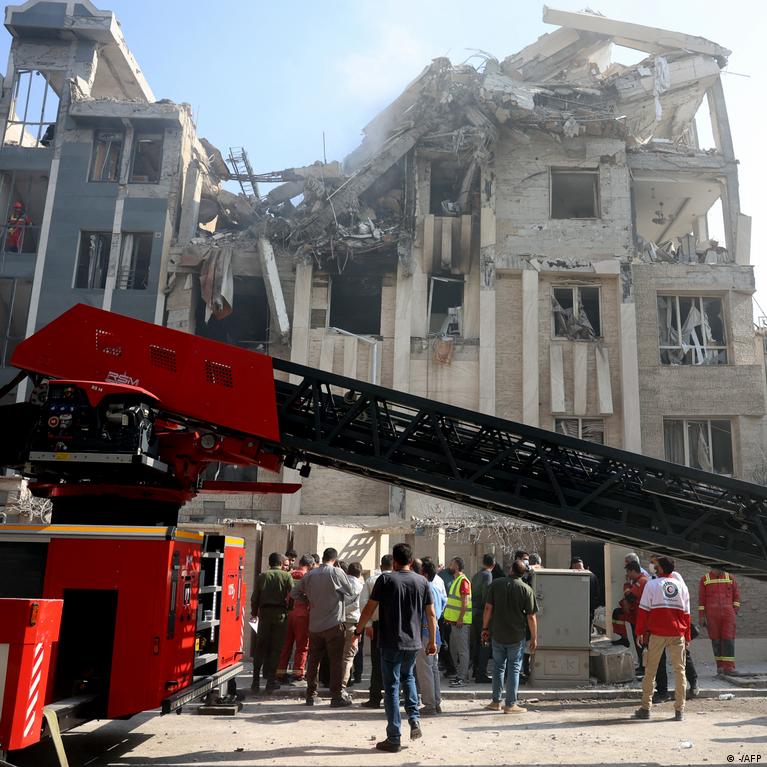
The conflict operates largely through what political scientists term "proxy warfare." Rather than engaging in direct combat, Iran supports militant groups across the region that share its opposition to Israel, including Hezbollah in Lebanon and various factions in Syria. Israel responds by targeting Iranian personnel and facilities in neighboring countries while conducting covert operations against Iran's nuclear program. This approach allows both sides to advance their strategic goals while managing escalation risks, but it also creates constant low-level conflict that could potentially spiral into broader war.
How International Conflicts Actually Work: The Mechanisms of War
Understanding conflicts requires examining both the causes and the processes through which they operate. Modern international conflicts rarely follow simple patterns of declaration and conquest. Instead, they involve complex interactions between military action, diplomacy, economic pressure, and information warfare.
Most conflicts begin with a period of escalating tensions where diplomatic communications break down, military posturing increases, and economic measures like sanctions are implemented. During this phase, nations typically test each other's resolve through limited provocations while seeking international support for their positions. The Iran-Israel conflict has experienced multiple escalation cycles, particularly around Iran's nuclear advancements and Israeli military operations in neighboring countries.
Once active conflict begins, nations employ what military theorists call a "continuum of force" ranging from cyber attacks and economic pressure to limited strikes and full-scale invasion. Many modern conflicts remain in lower-intensity phases for extended periods, as nations balance their strategic objectives against the costs and risks of escalation. The Iran-Israel tension has largely remained in this gray zone between peace and war, with periodic spikes in violence but no sustained direct military engagement.
International conflicts also involve complex diplomatic and legal dimensions. Nations seek United Nations resolutions, form alliances, impose sanctions, and utilize international courts to advance their positions. These non-military tools can sometimes prevent escalation or shape conflict outcomes as significantly as battlefield results. Both Iran and Israel have engaged extensively in diplomatic campaigns to isolate each other internationally while building networks of regional support.
The Current Status and What Comes Next in International Conflicts
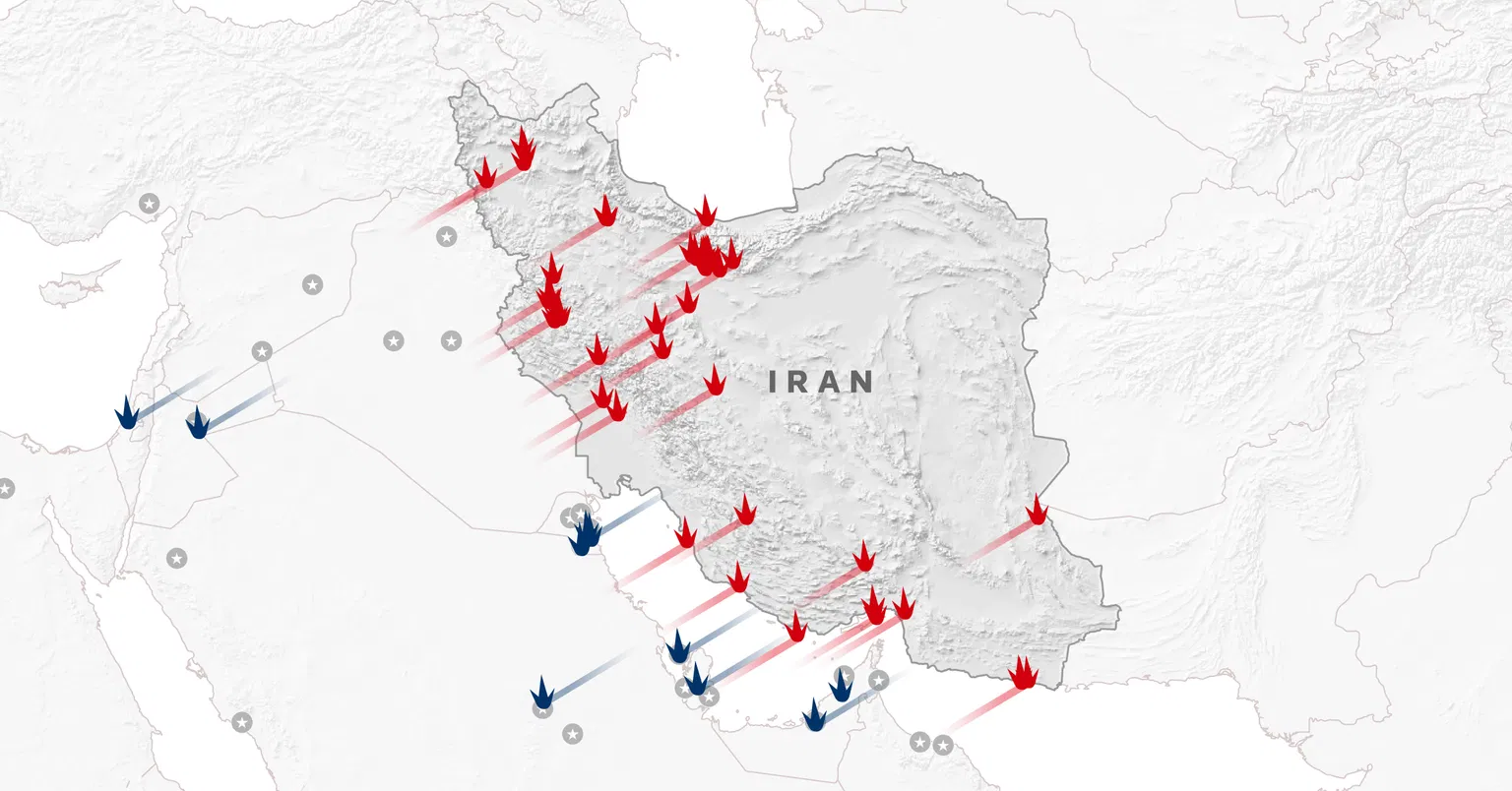
As of current analysis, the Iran-Israel conflict remains in a state of managed tension with periodic escalations. According to Reuters mapping of the situation, key strategic locations including the Strait of Hormuz—a vital waterway for global oil shipments—have become flashpoints where military posturing affects international commerce and stability. Both nations continue to develop military capabilities while exploring diplomatic channels, creating a complex situation where conflict could escalate rapidly but both sides have incentives for restraint.
Looking forward, conflict resolution experts identify several potential pathways. Diplomatic engagement through renewed nuclear agreements or regional security arrangements could reduce tensions, though this requires overcoming decades of mutual distrust. Confidence-building measures like military hotlines or accident prevention agreements might help manage crises even without resolving underlying disputes. Alternatively, continued escalation through proxy warfare could gradually expand the conflict's geographic scope and intensity, potentially drawing in other regional powers.
The broader lesson from studying international conflicts is that prevention typically proves more effective than resolution once fighting begins. Early warning systems, diplomatic channels, economic interdependence, and international institutions all contribute to conflict prevention. Understanding how wars work—from their underlying causes to their escalation mechanisms—provides tools for recognizing dangerous patterns and supporting peaceful alternatives even in seemingly intractable situations like the Iran-Israel tension.
Key Takeaways: What We've Learned About International Conflicts
Several important principles emerge from examining how international conflicts work. First, wars rarely have single causes but typically result from combinations of security concerns, resource disputes, ideological differences, leadership decisions, and historical grievances. Second, modern conflicts often operate through indirect means like proxy warfare and economic pressure rather than traditional battlefield confrontation. Third, the Iran-Israel case illustrates how former allies can become entrenched adversaries when ideological shifts transform geopolitical relationships.
Most importantly, understanding international conflicts helps us recognize warning signs and appreciate the complex calculations behind diplomatic and military decisions. While headlines often focus on dramatic moments of crisis, the underlying patterns of tension and resolution follow recognizable historical and theoretical frameworks. By studying these patterns, we gain not just knowledge about specific conflicts but insight into the fundamental dynamics that shape international relations in our interconnected world.