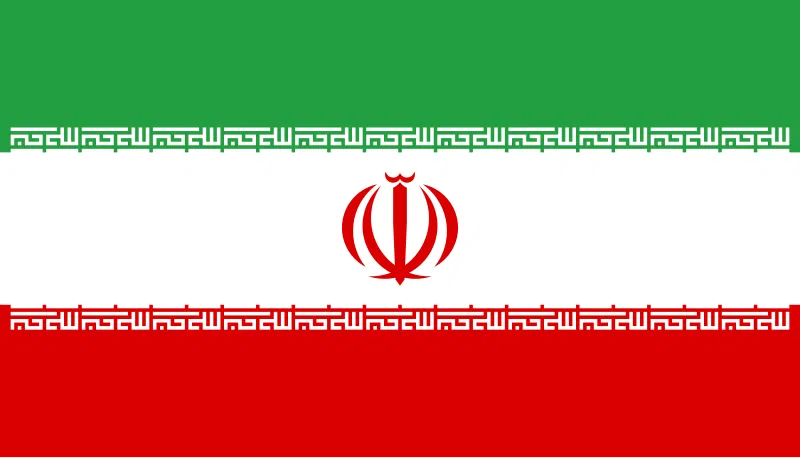
Iran stands as one of the world's most fascinating and complex nations, blending ancient Persian civilization with modern Islamic governance. With a population exceeding 90 million people spread across a landmass larger than Alaska, Iran ranks as the 17th largest country globally by both area and population. What makes Iran particularly unique is its political system—a hybrid structure that combines democratic elements with religious authority in ways that confuse many outside observers. Understanding how Iran works requires examining its distinctive institutions, diverse population, and the historical forces that have shaped its current form.
How Iran's Government Functions: A Unique Hybrid System
Iran's political structure operates on principles established during the 1979 Islamic Revolution, which transformed the nation from a monarchy to an Islamic republic. At the system's apex sits the Supreme Leader, a religious scholar who serves as the country's highest authority with control over the military, judiciary, and media. This position is not elected by popular vote but selected by the Assembly of Experts—a body of 86 religious scholars who themselves are elected by the public. The Supreme Leader's authority derives from the concept of vilayat-e faqih ("rule of the jurist"), which holds that religious scholars should oversee government to ensure compliance with Islamic principles.
Beneath the Supreme Leader operates a surprisingly complex democratic apparatus. Iranians directly elect both a President and members of Parliament (the Islamic Consultative Assembly or Majlis) every four years. The President serves as head of government, managing domestic and foreign policy within parameters set by religious authorities. However, all presidential candidates must first be approved by the Guardian Council—a 12-member body of Islamic jurists that vets candidates for ideological conformity. This creates a system where elections occur, but within carefully controlled boundaries that ensure the preservation of Islamic revolutionary values.

From Ancient Empire to Modern Republic: Iran's Political Evolution
Iran's current political system represents the latest chapter in a history spanning over 2,500 years. The nation formerly known as Persia was once the center of one of history's greatest empires, influencing cultures from the Mediterranean to India. Modern Iran emerged from this rich heritage through several transformative periods: the Constitutional Revolution of 1906, which established Iran's first parliament; the Pahlavi dynasty's modernization efforts; and finally the 1979 Revolution that created today's Islamic Republic. Each phase layered new institutions atop ancient traditions, creating the complex system visible today.
The timeline of Iran's political development reveals key turning points. In 1906, Iran became the first Middle Eastern nation to adopt a constitution and parliamentary system. From 1925 to 1979, the Pahlavi shahs pursued rapid modernization and secularization, often clashing with religious authorities. The 1953 coup—backed by foreign powers—reinforced autocratic rule while fueling resentment that would explode decades later. The 1979 Revolution represented not just a change of government but a comprehensive reimagining of Iran's identity, replacing monarchy with theocracy while maintaining elements of electoral democracy. Understanding this historical context explains why Iran's system contains seemingly contradictory elements—it's a product of competing visions of the nation's future.
Iran's Remarkable Diversity: A Nation of Many Peoples
Beyond its political system, Iran's social fabric reveals astonishing diversity often overlooked in international coverage. While Persians constitute approximately 61% of the population, significant ethnic minorities include Azeris (16-24%), Kurds (7-10%), Lurs (6%), Arabs (2-3%), Baloch (2%), and Turkmen (1-2%). This ethnic diversity corresponds with linguistic variation—while Persian (Farsi) serves as the official language, many Iranians grow up speaking Azeri Turkish, Kurdish, Arabic, or other regional tongues at home. Religious diversity also exists within the dominant Shia Islam framework, with Sunni Muslims concentrated in border regions and small communities of Christians, Jews, Zoroastrians, and Baha'is maintaining centuries-old traditions.
This diversity manifests in Iran's cultural landscape, where ancient Persian artistic traditions blend with Islamic influences and regional folk customs. Iranian cinema has gained international acclaim for its artistic sophistication, while Persian literature continues a poetic tradition dating back to Rumi and Hafez. Cuisine varies dramatically by region, from the rice dishes of the north to the date-based sweets of the south. Architectural styles range from the pre-Islamic ruins of Persepolis to the intricate tilework of Isfahan's Islamic-era mosques. Recognizing this diversity is essential for understanding contemporary Iran—it's not a monolithic society but a mosaic of peoples united under a common national framework.
Iran's Geographic and Economic Reality
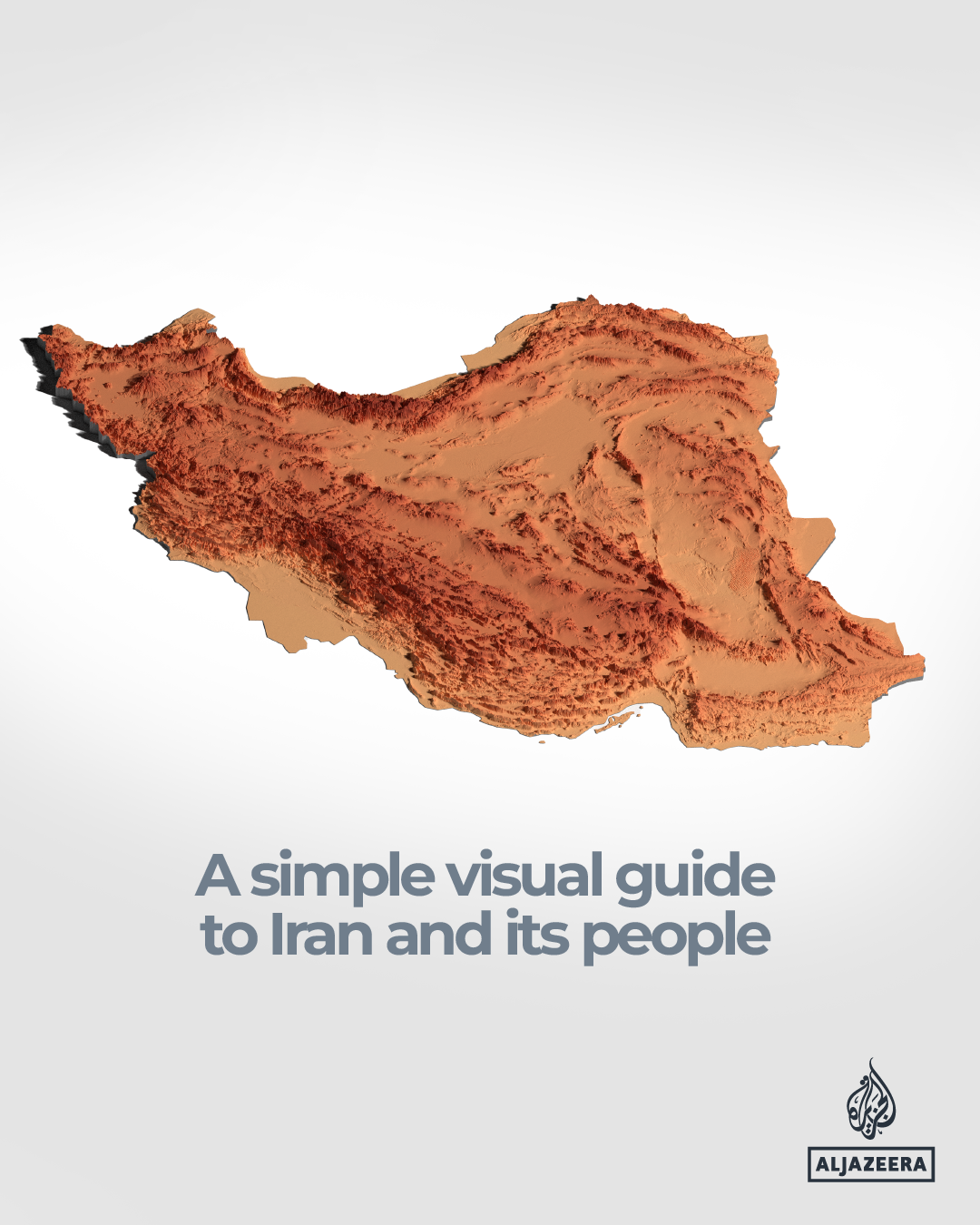
Iran's strategic importance stems partly from its geography—it occupies a central position in West Asia, sharing borders with seven countries and controlling the vital Strait of Hormuz through which 20% of the world's oil passes. The country's terrain varies dramatically from the Alborz and Zagros mountain ranges to the Dasht-e Kavir and Dasht-e Lut deserts, creating diverse climatic zones that support everything from Caspian Sea rice paddies to Persian Gulf date palms. This geographic diversity has historically made Iran a crossroads of civilizations and continues to influence its economic potential today.
Economically, Iran possesses the world's second-largest natural gas reserves and fourth-largest oil reserves, making energy exports central to its economy. However, international sanctions have forced diversification into agriculture, manufacturing, and technology sectors. Iran boasts a highly educated population with one of the region's highest literacy rates and produces more engineering graduates per capita than most Western nations. These human resources, combined with natural wealth, give Iran significant potential despite current economic challenges. Understanding Iran's economic reality requires recognizing both its resource wealth and the constraints imposed by its international isolation.
Current Dynamics and International Relations
Recent years have seen Iran navigate complex international relationships while managing domestic pressures. The 2025-2026 period witnessed renewed tensions over Iran's nuclear program, regional proxy conflicts, and diplomatic negotiations with world powers. These developments occur against a backdrop of generational change, with over 60% of Iran's population under age 30—a demographic that has known only the Islamic Republic but exhibits diverse attitudes toward its institutions. Economic challenges, including inflation and unemployment, continue to fuel periodic protests while the government pursues technological advancement and military modernization.
Iran's foreign policy reflects its self-conception as a regional power with historical grievances and revolutionary ambitions. Support for allied governments and proxy groups across the Middle East represents both ideological commitment and strategic depth. Simultaneously, Iran maintains economic relationships with China, Russia, and neighboring states while navigating adversarial relations with the United States, Israel, and Saudi Arabia. This complex diplomatic landscape means Iran's international position remains fluid, with periods of tension alternating with diplomatic openings. For outside observers, understanding Iran requires recognizing these multiple dimensions—it's simultaneously a revolutionary state, an ancient civilization, and a pragmatic regional actor.
The Future of Iran: Potential Pathways Ahead
Looking forward, Iran faces several possible trajectories shaped by internal dynamics and external pressures. One path involves gradual evolution within the existing system, as younger generations gradually reshape institutions through participation and reform efforts. Another possibility entails more dramatic transformation, should economic or political crises overwhelm the current structure. External factors—including sanctions, regional conflicts, and great power competition—will inevitably influence these internal developments. What remains certain is that Iran's future will impact not just its 90 million citizens but regional stability and global energy markets.
Several key factors will determine Iran's direction: the success of economic diversification efforts, the management of intergenerational expectations, the resolution of nuclear negotiations, and the evolution of regional relationships. Technological advancement presents both opportunities and challenges, potentially boosting economic growth while increasing connectivity with global trends. Environmental issues, particularly water scarcity in this arid nation, pose another critical challenge requiring innovative solutions. As Iran navigates these complex issues, the world will witness how this ancient civilization adapts its unique political system to twenty-first-century realities.
Key Takeaways for Understanding Iran
Iran defies simple categorization—it's a nation of contradictions that makes sense only when viewed through multiple lenses. Several essential points emerge from examining its political system and society. First, Iran's government represents a genuine hybrid, combining democratic elections with religious oversight in ways unlike any other system. Second, Iran's ethnic and cultural diversity belies simplistic portrayals of a monolithic society. Third, historical continuity matters—ancient Persian identity coexists with modern Islamic revolutionary ideology. Fourth, economic realities constrain political possibilities despite significant resource wealth. Finally, generational change ensures that Iran will continue evolving, though the direction remains uncertain.
For anyone seeking to understand international affairs, Iran offers a masterclass in complexity. Its political system demonstrates how revolutionary ideals institutionalize over time. Its society shows how ancient identities adapt to modern nation-states. Its international relations illustrate how historical grievances shape contemporary policy. By moving beyond headlines to examine Iran's actual structures, diversity, and history, we gain not just knowledge about one nation but insights into how politics, culture, and identity intersect in our interconnected world.