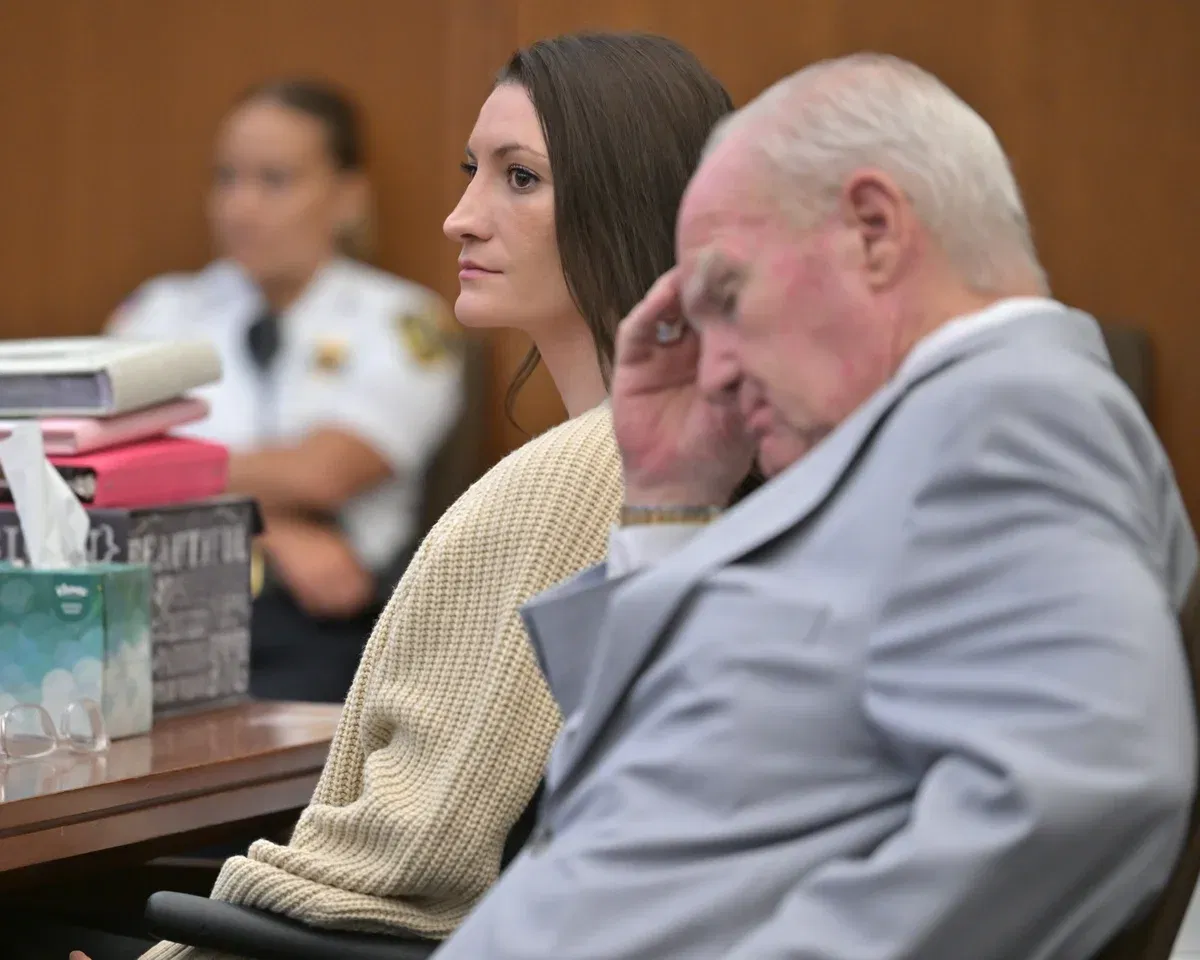
After roughly 18 hours of deliberation spread across four days, the jury weighing the fate of Lindsay Clancy told a Massachusetts judge on Tuesday that it could not agree. "After many hours of deliberation, we are unable to come to a unanimous decision," Plymouth Superior Court Judge William Sullivan said as he read the panel's note aloud in open court. Rather than declare a mistrial, he sent the 12 jurors — nine women and three men — back to keep deliberating, a decision that turned a national spotlight onto one of the most misunderstood parts of the American legal system: what a deadlocked jury is, how juries reach verdicts, and what happens when they cannot.
The moment matters because it sits at the center of how criminal justice works in the United States. A trial is not over simply because a jury is struggling. Understanding the difference between a "guilty" verdict, a "not guilty" verdict, and no verdict at all is essential to following cases like Clancy's — and to grasping why a judge would ever ask exhausted jurors to keep going.
The Case Behind the Standstill
The question in the Lindsay Clancy trial has never been whether three children died, but what was in their mother's mind when they did. Clancy, 36, has pleaded not guilty to three counts of first-degree murder in the Jan. 24, 2023, deaths of her children — Cora, 5, Dawson, 3, and Callan, 8 months — in the family's Duxbury, Massachusetts, home.
Prosecutors have argued that Clancy planned the killings and knew right from wrong when she strangled the children. Her defense attorney, Kevin Reddington, has countered that she was overmedicated and suffering from postpartum psychosis, and therefore not criminally responsible. After weeks of testimony from 85 witnesses and a review of more than 200 pieces of evidence, the case was handed to the jury last Thursday.
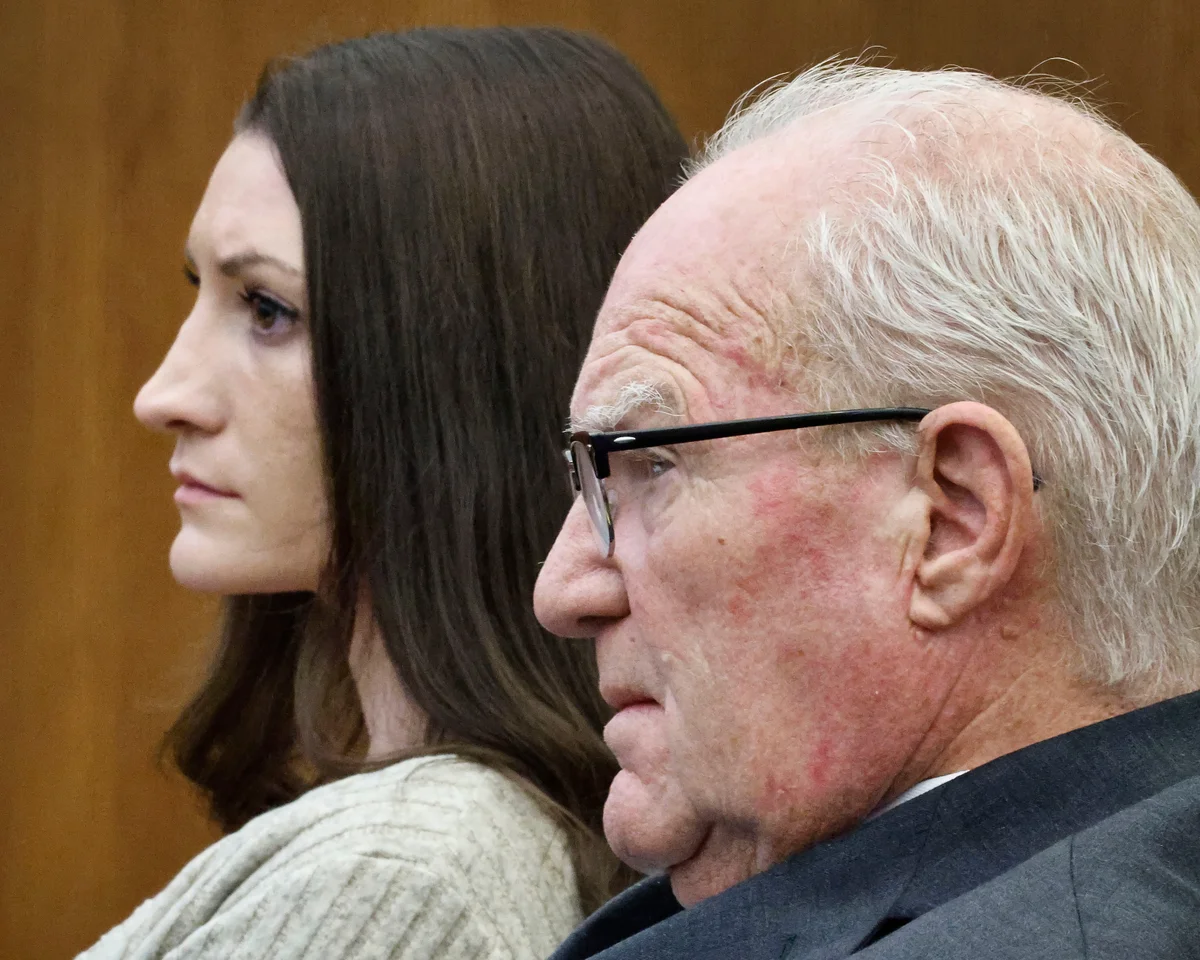
Clancy's physical condition adds another layer to the outcome. She is paralyzed from the waist down following what authorities have described as a suicide attempt, and she has been held on around-the-clock watch. Those factors would shape where she is placed whether she is convicted or committed to a psychiatric facility.
What a Deadlocked Jury Actually Means
A "deadlocked jury" — also called a "hung jury" — is a jury that cannot reach the verdict the law requires after genuine, thorough deliberation. In a criminal case, that requirement is almost always unanimity: every one of the 12 jurors must agree on guilt or innocence. This is not merely tradition. In 2020, the U.S. Supreme Court held in Ramos v. Louisiana that the Constitution requires unanimous jury verdicts for serious criminal convictions in state court.
The bar is high by design. In every criminal case, the prosecution must prove guilt "beyond a reasonable doubt" — a far stricter standard than the "preponderance of the evidence" used in civil lawsuits. A single juror who harbors a reasonable doubt is expected to hold that position, which is precisely why unanimous verdicts can be so difficult to reach in cases that turn on psychiatric evidence.
Crucially, a deadlock is not a verdict. It does not mean the defendant is guilty, and it does not mean the defendant is innocent. It means the group could not clear the bar the law demands. When a jury stays deadlocked, the judge declares a mistrial, which effectively erases the trial as if it had never happened and leaves the case unresolved.
Why does a jury stall? Jurors may read the same evidence differently, weigh the credibility of competing expert witnesses in opposite directions, or hold genuinely different views of what the law requires. In Clancy's trial, the competing testimony of forensic psychiatrists was central. As CBS News legal contributor Jessica Levinson put it: "This case comes down to what was in Lindsay Clancy's mind. Was she able to understand that what she was doing was wrong or criminal? Was she able to comport her behavior within the law?"
How Judges Respond: The "Allen Charge"
When a jury announces it is stuck, a judge's first tool is not a mistrial but a nudge. Judges issue what is commonly called an "Allen charge," named for Allen v. United States (1896), the Supreme Court case that first approved the practice. The instruction asks jurors to return to the deliberation room, re-examine the evidence, listen to one another, and try once more to reach a verdict — without surrendering their honest, individual judgment.
Massachusetts uses its own long-standing version known as the "Tuey-Rodriguez charge," rooted in the 1851 case Commonwealth v. Tuey and refined in Commonwealth v. Rodriquez (1973). That is effectively the instruction Judge Sullivan leaned on when he told the Clancy panel to continue deliberating.
The charge must walk a careful line between encouragement and coercion. A judge cannot tell jurors what to decide, cannot single out the minority, and cannot pressure anyone to abandon their conscience. When given properly, it is a reminder that deliberation is a collective duty — not a suggestion that a verdict is required at any cost.
Timeline: From the Duxbury Home to a Deadlocked Jury
- Jan. 24, 2023: Cora, Dawson, and Callan Clancy are found unresponsive in the family's Duxbury home and later die. Lindsay Clancy is hospitalized after an alleged suicide attempt that leaves her paralyzed from the waist down.
- 2023–2026: Clancy is charged with three counts of first-degree murder, and the case moves through Plymouth Superior Court.
- Summer 2026: The trial opens. Jurors hear from 85 witnesses and examine more than 200 exhibits, including competing testimony from forensic psychiatrists.
- Aug. 26, 2026: Testimony concludes after the prosecution's final witness, an FBI psychiatrist, says he does not believe Clancy was hearing a voice or experiencing a break from reality when she killed the children.
- Aug. 27, 2026: After closing arguments and jury instructions, the case goes to the jury.
- Sept. 1, 2026: After about 18 hours of deliberation, the jury tells Judge Sullivan it cannot reach a unanimous decision. He sends it back to keep trying.
What Happens Next: Mistrial and Possible Outcomes
If the jury ultimately cannot agree, Judge Sullivan will declare a mistrial. At that point, the Plymouth County district attorney's office must decide whether to retry the case, offer a plea agreement, or drop the charges. A hung jury does not shield Clancy from a second trial — nor does it guarantee one.
If the jury does reach a verdict, the possible outcomes are stark. A conviction for first-degree murder carries a mandatory sentence of life in prison without the possibility of parole under Massachusetts law. A conviction on a lesser charge — second-degree murder or manslaughter — would still bring lengthy prison time, though parole could eventually become possible.
If the jury finds her not guilty by reason of mental disease or defect, Clancy would not go to prison, but she also would not walk free. She would be committed to a state mental-health facility — she has been held at Tewksbury Hospital — indefinitely, with her status reviewed periodically. CBS News legal analyst Caroline Polisi pointed to the Andrea Yates case as a guide: Yates was found not guilty by reason of insanity in 2006 and remains in a psychiatric facility. "This can be an indefinite confinement," Polisi said.
Retired Massachusetts judge Carol Erskine cautioned that a finding of not criminally responsible would not automatically amount to a "life sentence in a public mental hospital." Clancy "could remain hospitalized for many years — even indefinitely — but only as long as the legal criteria for civil commitment continue to be met," Erskine said. The ongoing question would be whether she remains a danger to herself or others.
The Bottom Line
- A deadlocked jury is one that cannot reach the unanimous verdict a criminal case requires; it is not the same as a "not guilty" finding.
- When a jury reports a deadlock, judges typically respond with an "Allen charge" — the "Tuey-Rodriguez charge" in Massachusetts — urging continued deliberation.
- If the Clancy jury stays deadlocked, the judge will declare a mistrial, and prosecutors must decide whether to retry the case.
- A first-degree murder conviction means life without parole; a not-guilty-by-reason-of-insanity finding means indefinite civil commitment with periodic review.
- The core dispute in Clancy's case is both legal and psychiatric: whether she understood right from wrong when her three children died.