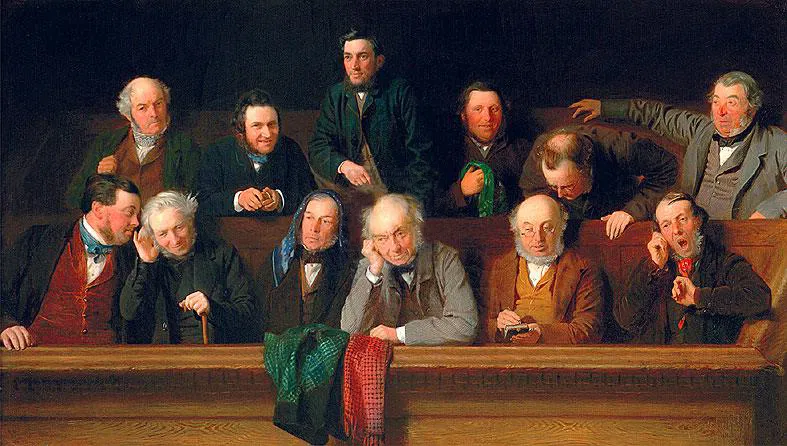
A mistrial is what happens when a judge halts a trial before a jury reaches a verdict — essentially hitting the reset button on a legal case. The word sounds dramatic, and it often is, but its meaning is straightforward: the trial ends with no winner, no loser, and no recorded verdict, leaving the case to be resolved another way. Whether it stems from a deadlocked "hung jury," a procedural blunder, or juror misconduct, a mistrial means the outcome is left unresolved. Here is a plain-English breakdown of what a mistrial really means, why it happens, and what comes next.
What Is a Mistrial? A Simple Definition
At its core, a mistrial is an invalid trial — one that is cut short before it can legally conclude. According to Cornell Law School's Legal Information Institute, "a mistrial occurs when a jury is unable to reach a verdict and there must be a new trial with a new jury; or there is a serious procedural error or misconduct that would result in an unfair trial, and the judge adjourns the case without a decision on the merits and awards a new trial."
Put more simply, the judge calls off the trial, and legally it is as if the trial never happened. The defendant is not found guilty, but they are not found innocent either — no verdict is recorded at all. Importantly, mistrials can happen in both criminal cases (such as theft or assault) and civil cases (such as lawsuits over money or contracts).
Why Would a Judge Declare a Mistrial? The Most Common Causes
Judges do not declare mistrials lightly. They only do so when something has gone wrong enough that letting the trial continue would be unfair to one or both sides. The most common triggers include:
- A hung jury. This is the most common reason. If the jury cannot agree on a verdict by the required margin — in U.S. criminal cases, that is usually a unanimous vote — the judge may declare a mistrial. The old saying "it takes only one to hang" captures how a single holdout juror can force this outcome.
- Improper evidence. If prejudicial evidence is admitted when it should not have been, or if new evidence surfaces that could seriously change the outcome, a mistrial may follow.
- Misconduct. Misconduct by a juror, lawyer, witness, party, or even the court itself — such as a juror researching the case online or discussing it outside the courtroom — can taint the trial beyond repair.
- Juror issues. If a juror becomes ill, dies, or is disqualified after the trial begins and no alternate juror is available, the trial may be unable to continue.
- Lack of jurisdiction. If the court discovers it does not actually have legal authority over the case, the trial is invalid.
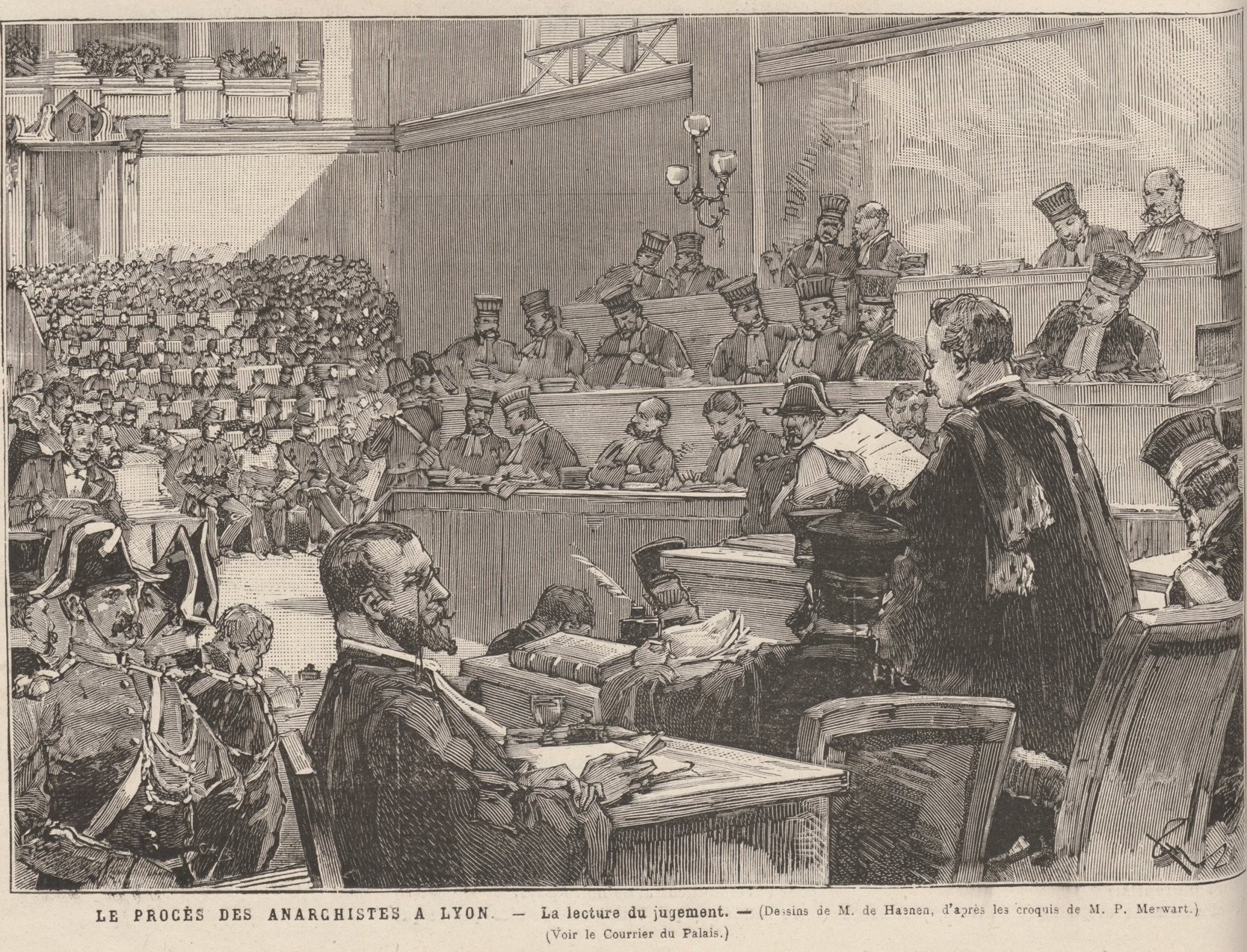
From Deadlock to Declaration: How a Mistrial Unfolds
A mistrial follows a recognizable sequence. First, a problem emerges — a jury announces it is hopelessly split, or a serious error comes to light. Next, either side (or the judge) requests a mistrial. Under the Federal Rules of Criminal Procedure, before a judge orders a mistrial, "the court must give each defendant and the government an opportunity to comment" and to suggest alternatives to ending the trial.
If no fix works — such as a corrective instruction to the jury — the judge declares a mistrial and dismisses the jury. The defendant is typically released under the same bail or bond terms as before, though that can vary by case. Crucially, the case is not over: the prosecution or plaintiff must now decide whether to retry it with a brand-new jury.
Mistrial, Hung Jury, and Double Jeopardy: Clearing Up the Confusion
These three terms often get tangled together, but they mean different things. A hung jury is a cause — it is a jury that cannot reach a verdict. A mistrial is the result — the judge's decision to end the trial because of that deadlock or some other error. Double jeopardy is a separate constitutional rule that says a person cannot be tried twice for the same crime.
Here is the key point that surprises many people: a mistrial generally does not trigger double jeopardy protection. Because no verdict was reached, the case can usually be retried. This principle dates back to the 1824 Supreme Court case United States v. Perez, which established that a hung jury allows a retrial without violating the Fifth Amendment's Double Jeopardy Clause.
However, there are important exceptions. If the mistrial was caused by prosecutorial overreach — such as a prosecutor deliberately provoking the defendant into requesting one — a retrial may be barred. Judges can also declare a mistrial "with prejudice," which ends the case for good and prevents any retrial.
What Happens After a Mistrial Is Declared?
Once the judge's gavel falls, the chaos of a trial gives way to strategy. The prosecution (in a criminal case) or the plaintiff (in a civil case) has the discretion to retry the case, drop the charges, or negotiate a plea deal. Many cases never return to court — a mistrial often pushes both sides to settle, knowing that a second jury is a fresh gamble.
If a retrial does happen, everything starts over with a new jury. The same rules apply, the same evidence is presented, and the same burden of proof must be met. For defendants, that is a double-edged sword: they avoided a conviction, but they also face the stress, time, and cost of another trial.
Looking Ahead: What Happens Next After a Mistrial?
The road after a mistrial depends almost entirely on the prosecution's next move. They may retry the case — sometimes immediately, sometimes after months of additional investigation. In complex or high-profile cases, prosecutors often weigh whether a second trial has a realistic chance of conviction before spending the time and resources.
For ordinary people involved in a mistrial, the practical advice is consistent across legal sources: it is a second chance, not a final answer. Both sides typically re-evaluate their evidence, witnesses, and strategy, and many disputes are ultimately resolved through negotiation rather than another courtroom showdown.
The Bottom Line: Key Points to Remember
- A mistrial means a trial ends without a verdict — the defendant is neither convicted nor acquitted.
- The two biggest causes are a hung jury and serious procedural errors or misconduct.
- A mistrial does not automatically trigger double jeopardy — retrials are usually allowed.
- Mistrials happen in both criminal and civil cases.
- After a mistrial, the prosecution decides whether to retry, settle, or drop the case.