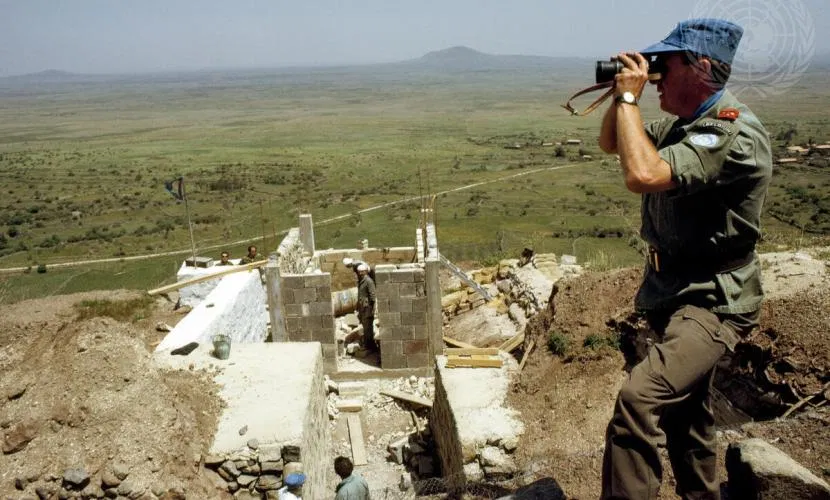
In a world where conflicts can erupt suddenly and escalate rapidly, the concept of a ceasefire serves as a critical mechanism to pause violence and create space for diplomacy. A ceasefire, at its core, is a temporary cessation of military activities agreed upon by conflicting parties, often serving as the first step toward more comprehensive peace negotiations. While recent headlines have been dominated by the US-Iran ceasefire agreement announced in April 2026, the fundamental principles of ceasefires remain consistent across conflicts: they provide breathing room, reduce humanitarian suffering, and create opportunities for dialogue.
What Exactly is a Ceasefire? Breaking Down the Basics
According to the Guide to Humanitarian Law, a ceasefire is "an agreement that regulates the cessation of all military activity for a given length of time in a given area." This definition highlights several key characteristics: ceasefires are formal agreements (not just informal pauses), they have specific geographic and temporal boundaries, and they require some level of coordination between parties. Unlike a peace treaty that ends a war permanently, a ceasefire represents only a temporary suspension of hostilities.
Ceasefires can be either unilateral (declared by one side without requiring reciprocity) or bilateral (negotiated between opposing forces). The Beyond Intractability project notes that ceasefires serve as "necessary steps in a peace process aimed at transforming or settling a violent conflict" by providing a "cooling-off period that paves the way for negotiation of issues that cannot be addressed during times of hostilities." This cooling-off period is crucial because, as the research indicates, "violence breeds anxiety, fear, and enmity that generally preclude negotiation and any hopes for a peaceful solution."
From Ancient Truces to Modern Agreements: The Evolution of Ceasefires
The concept of temporarily halting hostilities dates back to ancient civilizations, but modern ceasefire practices have evolved significantly through international law and United Nations involvement. The UN Peacemaker program notes that "since Security Council resolution 50 (1948) calling for a cessation of hostilities in Palestine to be monitored by the UN, the Organization has been involved in hundreds of ceasefires." This institutional experience has led to sophisticated frameworks for ceasefire negotiation and implementation.
Historically, notable ceasefires include the 1953 Korean War Armistice (technically an armistice rather than a ceasefire), the 1994 Bosnian ceasefire that preceded the Dayton Agreement, and numerous temporary humanitarian pauses in conflicts from Syria to Yemen. Each ceasefire reflects the specific political, military, and humanitarian context of its conflict, demonstrating that while the basic concept remains constant, implementation must be tailored to local realities.
How Ceasefires Actually Work: Negotiation, Monitoring, and Enforcement
The process of establishing and maintaining a ceasefire involves three critical phases: negotiation, monitoring, and enforcement. According to UN Peacemaker guidance, "ceasefires are often one of the first issues that belligerents seek to negotiate, and in civil wars can serve as a foundation for inclusive and comprehensive peace talks." Negotiations typically address specific technical details including:
- Precise geographic boundaries of the ceasefire zone
- Duration of the ceasefire (temporary or open-ended)
- Rules regarding military movements and reinforcements
- Provisions for humanitarian access and civilian protection
- Monitoring and verification mechanisms
- Consequences for violations
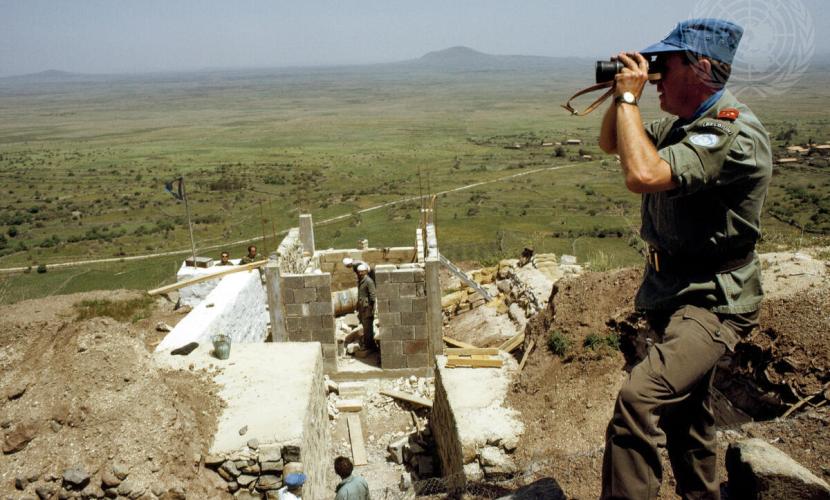
Monitoring represents perhaps the most challenging aspect of ceasefire implementation. Effective monitoring requires neutral third-party observers, clear reporting mechanisms, and reliable communication channels between parties. The UN has developed sophisticated monitoring frameworks through peacekeeping missions like the UN Truce Supervision Organization (UNTSO) in the Middle East, which has monitored ceasefires since 1948.
The Iran-US Ceasefire: A Contemporary Case Study in Diplomatic Complexity
The recent ceasefire between the United States and Iran, announced on April 7, 2026, illustrates both the potential and challenges of modern ceasefire agreements. According to analysis from the Council on Foreign Relations, President Donald Trump announced that "Iran had agreed to a two-week ceasefire" just 88 minutes before a self-imposed deadline. The agreement came after escalating tensions that included coordinated US-Israel attacks on Iranian targets and Iranian closure of the strategic Strait of Hormuz.
This ceasefire demonstrates several key aspects of contemporary ceasefire diplomacy. First, it was mediated by a third party (Pakistan), highlighting the continued importance of neutral intermediaries in conflict resolution. Second, it immediately faced implementation challenges, with confusion emerging about whether the ceasefire applied to Israeli actions in Lebanon and whether Iran had actually agreed to reopen the Strait of Hormuz as a condition. Third, the ceasefire was explicitly linked to broader political negotiations scheduled to begin in Islamabad, illustrating how temporary ceasefires often serve as confidence-building measures for more comprehensive talks.
The Council on Foreign Relations analysis notes that reaching a permanent peace agreement "will require either Washington or Tehran to make major concessions," particularly on contentious issues like Iran's nuclear program, economic sanctions, and control of strategic waterways. This underscores a fundamental reality about ceasefires: while they can pause violence, they don't resolve underlying political disputes.
Ceasefire vs. Truce vs. Armistice: Understanding the Legal Distinctions
While often used interchangeably in media reports, the terms ceasefire, truce, and armistice carry distinct legal meanings. According to humanitarian law experts, an armistice is "a military convention, the primary purpose of which is to suspend hostilities over the whole theater of war, usually for an indefinite period of time." A ceasefire, by contrast, may be limited to specific areas or timeframes. A truce typically refers to a temporary suspension of fighting for specific purposes (such as collecting wounded soldiers) rather than a comprehensive military halt.
These distinctions matter because they affect the legal obligations of parties and the expectations for conflict resolution. An armistice generally moves conflicts closer to permanent settlement, while ceasefires may be purely tactical pauses. Understanding these differences helps explain why some conflict pauses lead to lasting peace while others collapse quickly.
The Future of Ceasefires in International Conflict Resolution
As conflict patterns evolve, so too must ceasefire practices. Several trends are shaping the future of ceasefire diplomacy:
- Humanitarian Ceasefires: Increasing focus on temporary, localized ceasefires to allow humanitarian access in complex conflicts
- Technological Monitoring: Use of satellites, drones, and digital verification tools to monitor compliance
- Inclusive Processes: Greater emphasis on including women, civil society, and local communities in ceasefire negotiations
- Climate-Sensitive Ceasefires: Recognition that environmental factors and resource conflicts require specialized approaches
The UN Peacemaker program has developed "a first-of-its-kind strategic guidance on the negotiation and management of ceasefires" that reflects these evolving practices. This guidance recognizes that "each ceasefire is unique and pursued in a broader political, security, economic, social and humanitarian context" requiring careful analysis and tailored approaches.
Key Takeaways: What You Need to Know About Ceasefires
Understanding ceasefires is essential for making sense of international conflicts and peace processes. Here are the most important points to remember:
- Ceasefires are temporary suspensions of hostilities, not permanent peace agreements
- They can be unilateral (one-sided) or bilateral (mutually agreed)
- Effective ceasefires require clear terms, monitoring mechanisms, and consequences for violations
- Historical experience shows that ceasefires are most successful when linked to broader political processes
- The UN has developed extensive expertise in ceasefire mediation through hundreds of interventions since 1948
- Recent conflicts demonstrate that even technologically advanced militaries continue to rely on basic ceasefire principles for conflict management
Whether examining historical conflicts or current crises like the US-Iran tension, the ceasefire remains a fundamental tool of conflict management. While not a solution in itself, a well-designed and properly implemented ceasefire can save lives, reduce suffering, and create the space needed for lasting peace to emerge.