Every February, communities across the United States and Canada come together to celebrate Black History Month—a dedicated time to honor the achievements, contributions, and rich history of African Americans. This annual observance serves as both an educational opportunity and a celebration of resilience, highlighting stories that were historically overlooked or marginalized. As we mark Black History Month in 2025, it's essential to understand not just what we're celebrating, but why this tradition began and how it has evolved over nearly a century.
The Man Behind the Movement: Carter G. Woodson's Vision
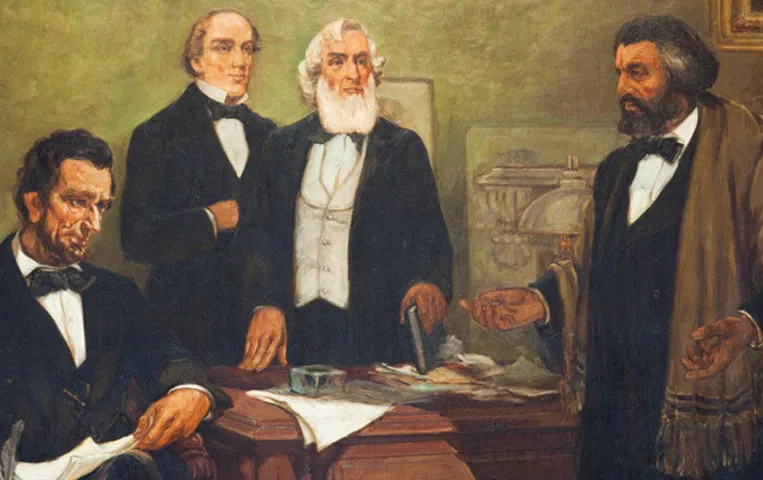
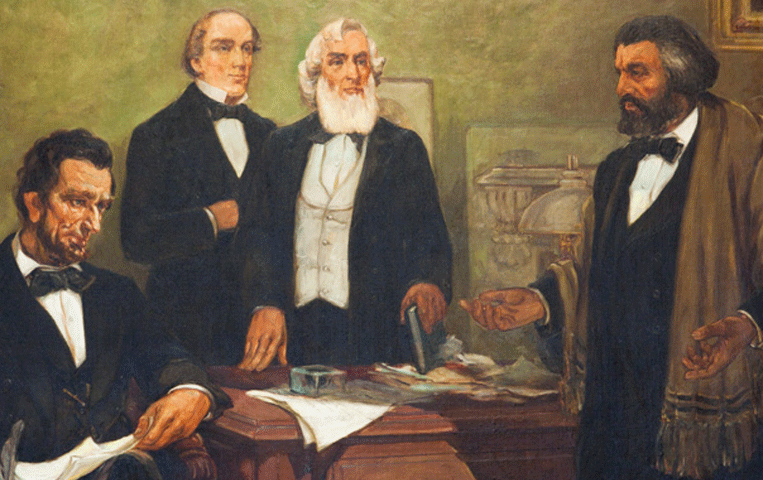
The story of Black History Month begins with one remarkable historian: Carter G. Woodson. Often called the "Father of Black History," Woodson was the son of formerly enslaved parents who understood the power of education. In 1915, he founded the Association for the Study of African American Life and History (ASALH), an organization dedicated to researching and promoting the achievements of Black Americans. Eleven years later, in February 1926, Woodson launched the first "Negro History Week," strategically timed to coincide with the birthdays of Abraham Lincoln (February 12) and Frederick Douglass (February 14)—two figures already celebrated in many African American communities.
Woodson's vision was radical for its time. As ASALH President Kaye Whitehead explains, "Black folks understood what they had contributed to America's historical narrative, but no one was talking about it. No one was centralizing it until Dr. Carter G. Woodson did in 1926." His goal wasn't to create a separate history, but to ensure that Black history became an integral part of American history education.
From One Week to a Full Month: The Evolution of the Celebration
For decades, Negro History Week grew in popularity, particularly in schools and churches. After Woodson's death in 1950, members of his Omega Psi Phi fraternity worked tirelessly to expand the celebration. Their efforts, combined with the growing Civil Rights Movement of the 1960s, created momentum for a longer observance. The breakthrough came in 1976, during the United States Bicentennial, when President Gerald Ford became the first president to officially recognize Black History Month. In his proclamation, Ford urged Americans to "seize the opportunity to honor the too-often neglected accomplishments of Black Americans in every area of endeavor throughout our history."
Since then, every U.S. president has issued annual proclamations for National Black History Month. The celebration has also spread beyond the United States—Canada officially recognized Black History Month in 1995, and the United Kingdom observes it in October. What began as a week-long educational effort has transformed into a global celebration of Black culture, achievement, and resilience.
Why February? Debunking Common Myths
One persistent myth about Black History Month is that February was chosen because it's the shortest month of the year—a supposed slight against African American history. The truth is far more meaningful. Woodson specifically selected the week containing February 12 (Lincoln's birthday) and February 14 (Douglass's birthday) because these dates were already celebrated in many Black communities. As Worth K. Hayes, an associate professor of history at Morehouse College, notes, "Woodson was building on existing traditions rather than creating something entirely new."
Another common misconception is that Black History Month is only about slavery and civil rights. While these are crucial chapters, the celebration encompasses the full breadth of African American experience—from science and invention to arts, politics, sports, and everyday life. The month provides an opportunity to highlight figures like mathematician Katherine Johnson, inventor George Washington Carver, artist Jean-Michel Basquiat, and countless others whose stories might otherwise remain untold.
The Annual Theme: Focusing the Celebration
Each year, ASALH announces a theme for Black History Month, continuing a practice Woodson started with Negro History Week. These themes provide focus and depth to the celebration. For 2025, the theme is "African Americans and Labor," exploring how Black workers have shaped the American economy and workforce throughout history. From the skilled craftsmen of colonial times to the Pullman porters who organized the Brotherhood of Sleeping Car Porters (the first Black-led labor union recognized by the AFL), to today's essential workers, the theme highlights both struggle and achievement.
Previous themes have included "Black Family: Representation, Identity, and Diversity" (2021), "Black Health and Wellness" (2022), and "Black Resistance" (2023). These themes encourage deeper exploration of specific aspects of the African American experience, ensuring that each year brings new learning opportunities.
How Black History Month Is Celebrated Today
Modern Black History Month observances take many forms, reflecting the diversity of the communities that celebrate it. Schools often host special assemblies, create bulletin board displays, and incorporate African American history into their curriculum. Museums and cultural institutions mount special exhibitions—like the Smithsonian's "At the Vanguard" exhibition showcasing historically Black college collections.
Workplaces increasingly recognize the month through employee resource groups, speaker series, and educational programming. Families use the time to explore genealogy, share stories, and prepare traditional foods. Community organizations host film screenings, book discussions, and artistic performances. As the Center for Racial Justice in Education notes, "Some schools invite elders to share their wisdom and lived experiences, allowing young people to learn from them, ask questions, and build meaningful connections across generations."

Beyond February: The Ongoing Importance of Black History Education
While Black History Month provides a focused time for celebration and education, advocates emphasize that Black history should be taught year-round. As Kaye Whitehead stresses, "Black history shouldn't just be taught for the month of February, but rather taught and celebrated for the entire year." This perspective recognizes that African American history is American history—integral to understanding the nation's development, conflicts, and aspirations.
The month also serves as a springboard for ongoing conversations about racial justice, equity, and inclusion. By highlighting both historical and contemporary contributions, Black History Month helps challenge stereotypes, build cultural understanding, and inspire new generations. As Canada's Black History Month theme for 2026 declares, it's about "Honouring Black Brilliance Across Generations—From Nation Builders to Tomorrow's Visionaries."
Looking Forward: The Future of Black History Month
As Black History Month approaches its 100th anniversary in 2026, the celebration continues to evolve. Digital technology has expanded its reach, with virtual events, online archives, and social media campaigns making Black history more accessible than ever. There's growing emphasis on intersectionality—exploring how race intersects with gender, sexuality, disability, and other aspects of identity.
The future likely holds more global connections, as Black diaspora communities worldwide share their histories and experiences. There's also increasing attention to local histories—the stories of Black communities in specific cities, towns, and neighborhoods that might not make national headlines but are essential to understanding the full tapestry of Black experience.

The Bottom Line: Why Black History Month Still Matters
Black History Month serves multiple vital functions in contemporary society. It corrects historical omissions by bringing marginalized stories to light. It inspires pride and identity among African American communities. It educates all Americans about the complex, often painful, but ultimately triumphant journey toward freedom and equality. And it reminds us that history isn't just about the past—it shapes our present and informs our future.
As we participate in Black History Month events, read about historical figures, or simply reflect on the contributions of Black Americans, we're participating in a nearly century-old tradition of remembrance and recognition. From Carter G. Woodson's visionary week to today's month-long national observance, Black History Month continues to prove that, in Woodson's own words, "Those who have no record of what their forebears have accomplished lose the inspiration which comes from the teaching of biography and history."