Halloween, observed every year on October 31, is far more than a single night of costumes, candy, and carved pumpkins. It is a holiday with roots that stretch back more than 2,000 years to an ancient Celtic festival called Samhain (pronounced "sow-in"). Understanding where Halloween comes from — and how each of its best-loved traditions developed — turns an ordinary night of trick-or-treating into a fascinating lesson in history, religion, and folklore. From sacred bonfires in ancient Ireland to the multi-billion-dollar celebration it is today, the story of Halloween explains exactly why we dress up, carve pumpkins, and knock on neighbors' doors asking for sweets.
From Samhain to Halloween: The Ancient Celtic Roots
Long before Halloween existed, the Celts — who lived roughly 2,000 years ago across what is now Ireland, the United Kingdom, and northern France — celebrated their new year on November 1. That date marked the end of summer and the harvest season, and the beginning of the cold, dark winter, a time the Celts strongly associated with death and hardship. The night before, October 31, was the festival of Samhain, a Gaelic word that literally translates to "summer's end."
For the Celts, Samhain was a deeply spiritual moment. They believed that on this night the boundary between the world of the living and the world of the dead became blurred, allowing the ghosts of the dead to return to earth. To mark the occasion, Celtic priests known as Druids built huge sacred bonfires, where communities gathered to burn crops and animals as offerings to their deities. Those who attended wore costumes — typically made from animal heads and skins — and attempted to read one another's fortunes in the firelight. Because the festival was tied to the harvest, it also carried a practical warning: crops not gathered by Samhain were thought to be at risk of being spoiled.
How the Name "Halloween" Came to Be
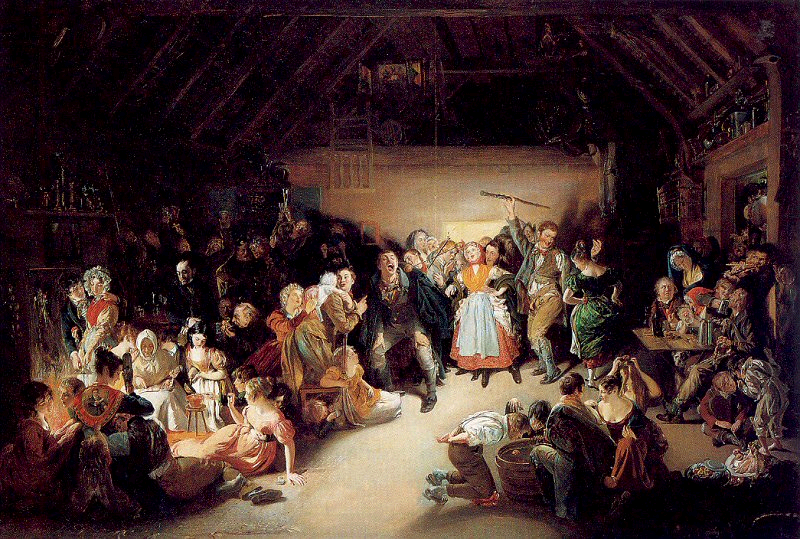
The word "Halloween" is a direct descendant of "All Hallows' Eve," with "hallow" being an old English word for a saint or holy person. In other words, Halloween is simply the evening before All Hallows' Day, better known today as All Saints' Day on November 1.
That Christian connection began in the eighth century, when Pope Gregory III (who reigned from 731 to 741) designated November 1 as a day to honor all saints and martyrs, dedicating a chapel in St. Peter's Basilica for the purpose. As Christianity spread through Celtic lands, the Church gradually folded elements of Samhain into its own calendar — a common strategy for replacing pagan holidays with Christian observances. The evening before the feast became known as All Hallows' Eve and, over time, was shortened to "Halloween." The Church later added All Souls' Day on November 2, a day set aside to honor and pray for the dead, which echoed Samhain's original focus on departed spirits.
Why We Carve Jack-O'-Lanterns: The Legend of Stingy Jack
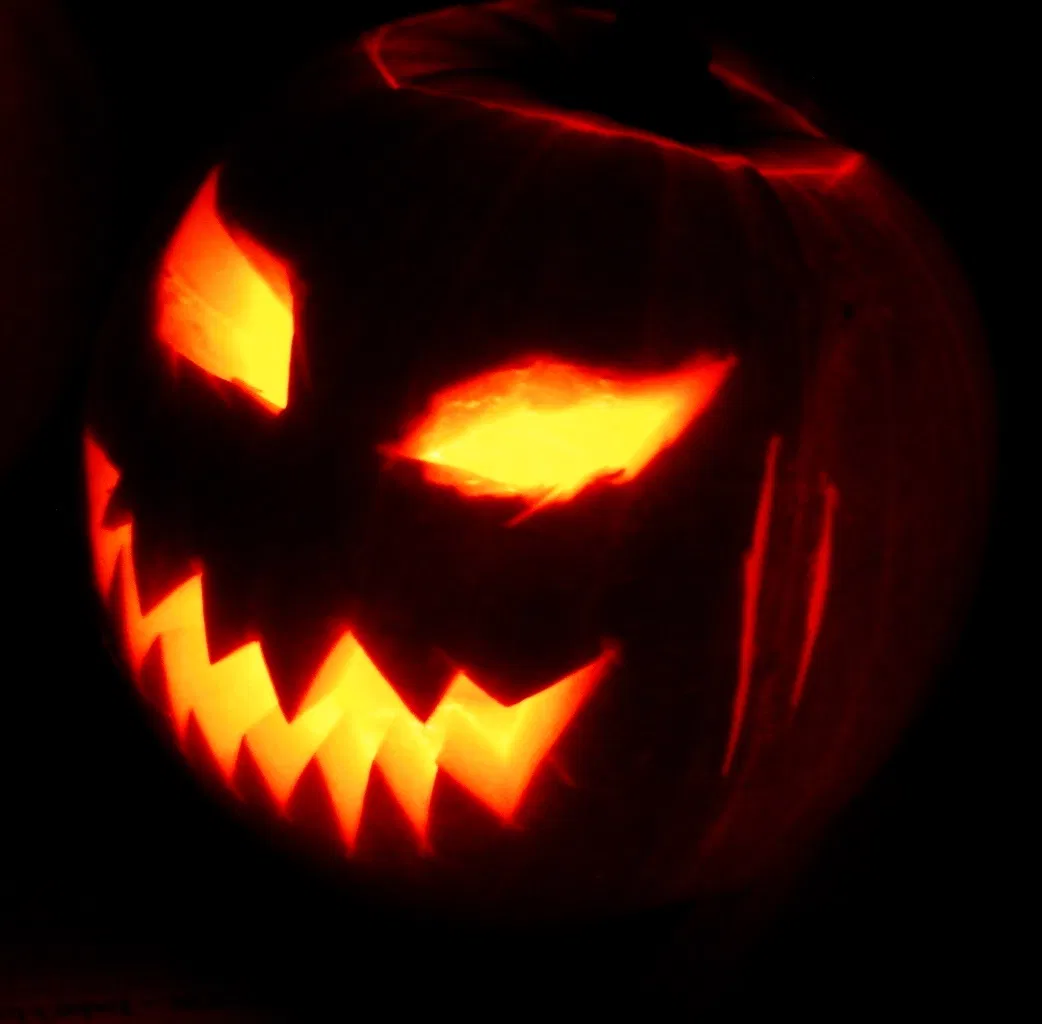
The glowing pumpkin on your doorstep traces back to an Irish folktale about a man nicknamed "Stingy Jack." According to legend, Jack tricked the Devil — not once, but several times — always for his own gain. When Jack finally died, the story goes, God would not allow such a scheming figure into heaven, and the Devil, still furious at being outsmarted, refused to let him into hell. Instead, Jack was condemned to wander the earth forever with only a single burning coal to light his way, which he placed inside a hollowed-out turnip.
Inspired by the tale, Irish families began carving frightening faces into turnips — and sometimes potatoes or beets — and placing a light inside to ward off Jack and other wandering spirits on the night of Samhain. When Irish immigrants arrived in America in large numbers, especially during the potato famine of the 1840s, they discovered that pumpkins, which are native to North America, were far larger and much easier to carve. The turnip became a pumpkin, and the "jack-o'-lantern" was born.
Where Trick-or-Treating and Costumes Come From
Trick-or-treating also has deep historical roots. It evolved from a medieval European practice known as "souling," in which poor people — often children — went door to door on All Souls' Day, offering prayers for the dead in exchange for small round cakes called "soul cakes." A closely related custom called "guising," practiced in Scotland and Ireland, involved young people dressing in costume and performing songs, poems, or tricks in exchange for food or money — the direct ancestor of the modern "trick or treat." Historians also note that souling was itself a Christian adaptation of an older Celtic custom called "mumming," a form of costumed, traveling entertainment.
Costumes themselves go back even further. The Celts wore animal skins and masks during Samhain not for fun, but for protection — the idea was that wandering spirits would mistake them for fellow spirits and leave them alone. Over the centuries, that protective disguise gradually evolved into the playful, creative dressing-up we know today, from spooky ghosts to superheroes.
How Halloween Is Celebrated Around the World
Halloween is most closely associated with the United States, Ireland, and Canada, where costume parties, trick-or-treating, pranks, and games are the norm. But the season is marked in distinctive ways across the globe. In Mexico and much of Latin America, November 1 and 2 bring Día de los Muertos (the Day of the Dead), a colorful celebration in which families build altars, offer favorite foods, and welcome the spirits of loved ones back for a visit. In Ireland and Scotland — where it all began — bonfires are still lit and traditional games played. Italy observes Ognissanti (All Saints' Day), while in recent decades countries such as Japan have embraced costume parades and parties as pop-culture imports. From Austria's autumn pumpkin festivals to Guatemala's giant kite-flying celebrations, cultures around the world have put their own stamp on this ancient season.
Halloween by the Numbers
Today, Halloween is a major commercial event. According to the National Retail Federation (NRF), Americans have spent well over $10 billion on Halloween in recent years, with recent annual estimates topping $11 billion to $13 billion. That spending breaks down across three big categories — costumes, candy, and decorations — each accounting for roughly $3.5 billion to $4.4 billion per year. Roughly two-thirds of consumers say they plan to buy a costume, and spending on pet costumes alone approaches $1 billion annually. Discount stores remain the most popular destination for Halloween shopping, followed by specialty Halloween and costume stores.
The Bottom Line: Key Points to Remember
- Halloween falls on October 31, the evening before All Saints' Day (All Hallows' Day).
- It originated more than 2,000 years ago with the Celtic festival of Samhain, which means "summer's end."
- The name "Halloween" comes from "All Hallows' Eve."
- Jack-o'-lanterns trace back to the Irish legend of Stingy Jack and were originally carved from turnips, not pumpkins.
- Trick-or-treating evolved from the medieval practices of "souling" and "guising."
- Irish immigrants brought Halloween to America in the 19th century, where pumpkins replaced turnips.
- Americans now spend billions of dollars each year on costumes, candy, and decorations.