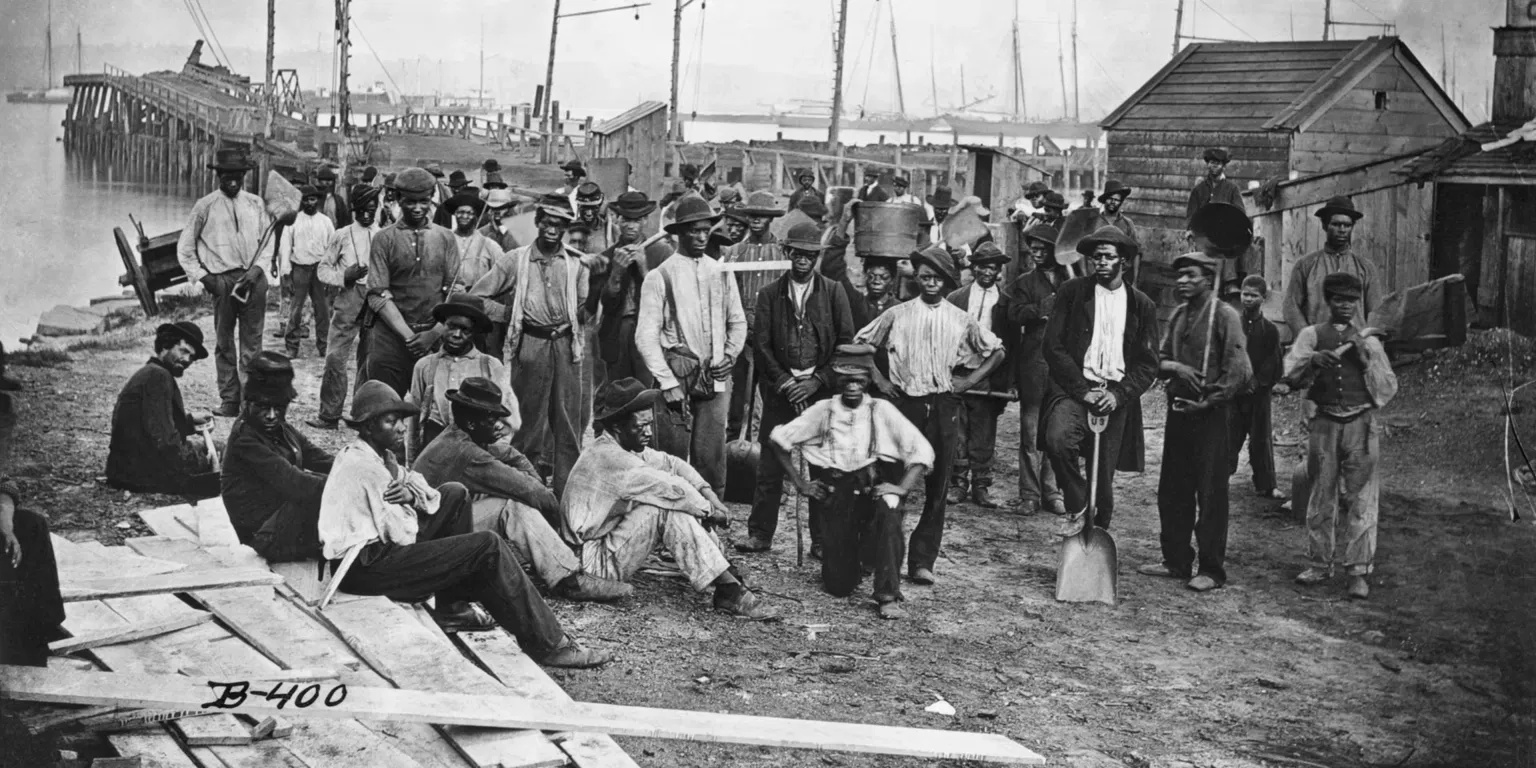
Juneteenth, observed annually on June 19, stands as America's second Independence Day — a day that commemorates the effective end of slavery in the United States. While the Emancipation Proclamation had legally freed enslaved people in Confederate states on January 1, 1863, it took more than two and a half years for that news to reach the farthest corners of the former Confederacy. On June 19, 1865, Union General Gordon Granger arrived in Galveston, Texas, with federal troops to read General Orders No. 3, declaring that all enslaved people were free. The date has been celebrated ever since as Juneteenth, a name derived from the combination of "June" and "nineteenth."
How the End of Slavery Finally Reached Texas
The Emancipation Proclamation, issued by President Abraham Lincoln on January 1, 1863, declared that enslaved people in Confederate states "shall be then, thenceforward, and forever free." However, the proclamation could only be enforced in areas under Union military control. Texas, being the most remote Confederate state, experienced no large-scale fighting and had minimal Union troop presence. Many enslavers from other Southern states had moved their enslaved people to Texas during the war, viewing it as a safe haven for the institution of slavery.
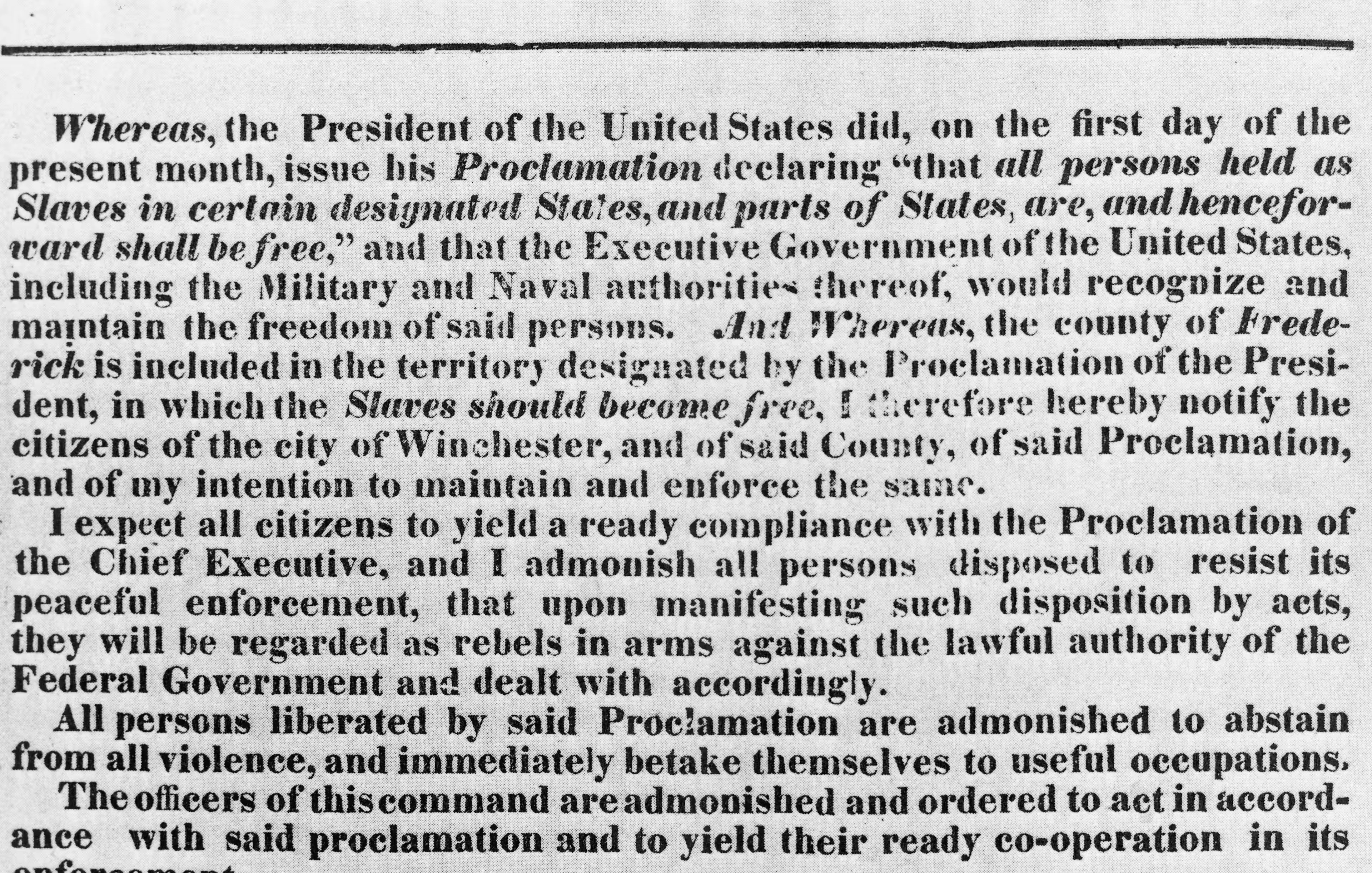
Even after Confederate General Robert E. Lee surrendered at Appomattox Court House in April 1865, slavery remained intact in Texas. That changed when General Granger arrived in Galveston with 2,000 federal troops and issued General Orders No. 3, which began: "The people of Texas are informed that, in accordance with a proclamation from the Executive of the United States, all slaves are free." The order granted formerly enslaved people "an absolute equality of personal rights and rights of property between former masters and slaves." For Texas's 250,000 enslaved people, freedom had finally arrived.
Timeline: From Emancipation to Federal Holiday
January 1, 1863 — President Lincoln signs the Emancipation Proclamation, declaring enslaved people in Confederate states free, though the order cannot be enforced in Texas.
April 9, 1865 — General Robert E. Lee surrenders at Appomattox, effectively ending the Civil War.
June 19, 1865 — General Gordon Granger arrives in Galveston, Texas, and reads General Orders No. 3, freeing the remaining 250,000 enslaved people in the state.
December 6, 1865 — The 13th Amendment is ratified, formally abolishing slavery throughout the United States.
1866 — The first annual "Jubilee Day" celebration is organized by freedmen in Texas on June 19, marking the beginning of Juneteenth traditions.
1979 — Texas becomes the first state to make Juneteenth an official state holiday.
1997 — The Juneteenth flag is created by Ben Haith, founder of the National Juneteenth Celebration Foundation.
June 17, 2021 — President Joe Biden signs the Juneteenth National Independence Day Act, making Juneteenth the 11th federal holiday and the first new federal holiday since Martin Luther King Jr. Day was established in 1983.
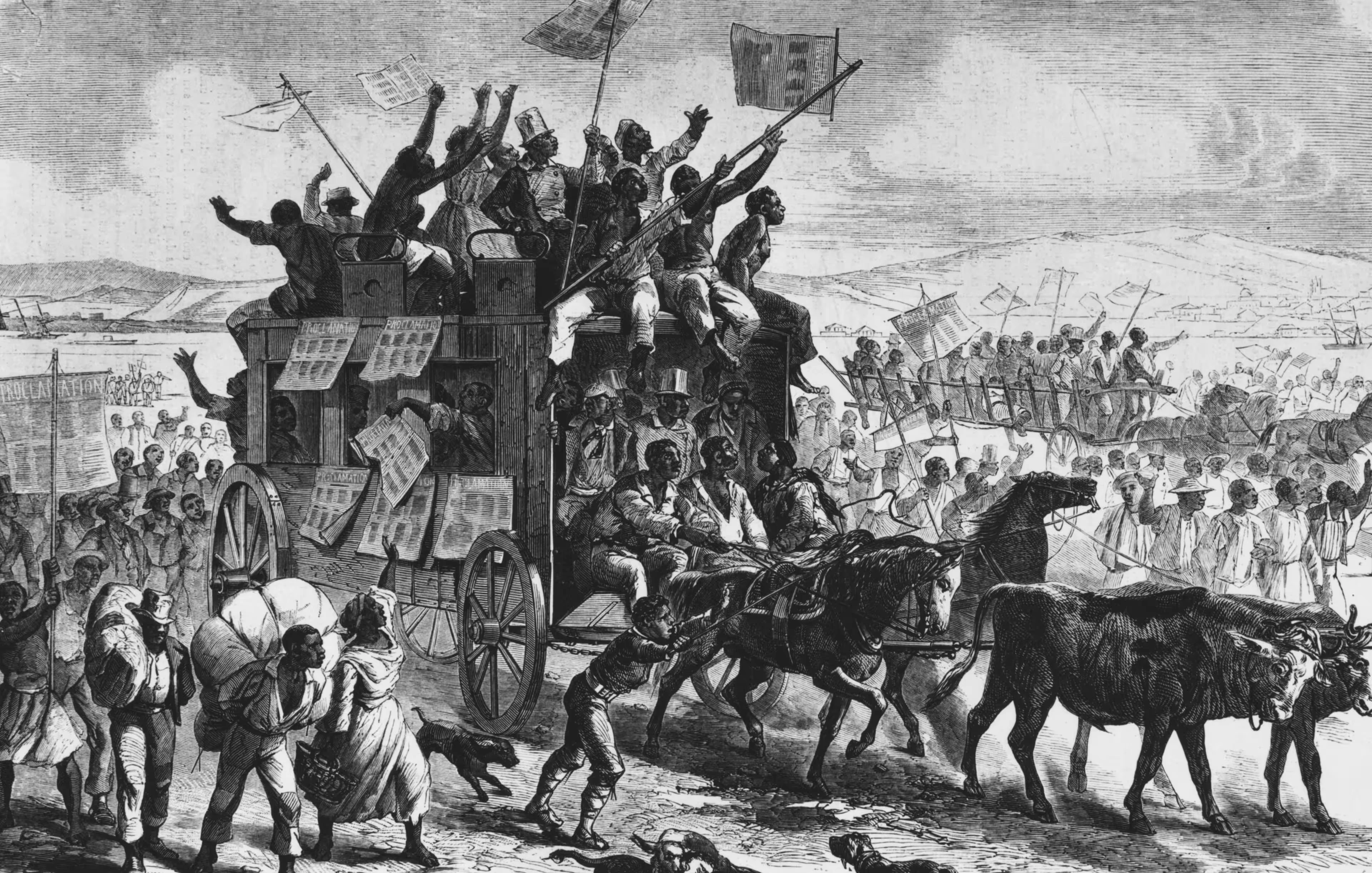
The Meaning of Juneteenth: More Than a Celebration
Juneteenth represents both triumph and the complicated reality of delayed freedom. As the National Park Service notes, "Juneteenth is an important date on the timeline of slavery history in the United States." The holiday has long held special meaning for African Americans, serving as a day to honor resilience, culture, and the ongoing fight for equality. In the 1960s, the Civil Rights Movement brought renewed attention to Juneteenth, with marches and gatherings reviving the celebration nationwide. Today, Juneteenth is recognized in all 50 states and the District of Columbia, either as a state holiday or day of observance.
How Juneteenth Is Celebrated: Traditions and Symbols
Juneteenth celebrations are rooted in community gatherings that date back to the very first anniversary in 1866. Traditional observances include parades, family reunions, church services, educational forums, and festivals featuring music and dance. Food plays a central role, particularly red-colored foods and drinks that honor West African cultural practices brought to the United States by enslaved people. Red symbolizes resilience, sacrifice, and spiritual power. Traditional Juneteenth foods include barbecue, watermelon (an African fruit), red soda water (primarily strawberry soda), and hibiscus tea — known as bissap in the Caribbean or jamaica in Latin America. As the NPS explains, "The use of the color red in ceremonies is a practice that enslaved West Africans brought to the United States," with strawberry soda serving as the contemporary replacement for traditional red teas.
The Juneteenth flag, created in 1997, features a bursting star against an arc representing a new horizon. The star represents Texas — the Lone Star State — where Juneteenth originated, while the red, white, and blue colors signify that enslaved people and their descendants were and are Americans.
The Current Status of Juneteenth in 2026
In 2026, Juneteenth falls on Friday, June 19, and will be observed as a federal holiday with government offices, banks, and post offices closed. Communities across the country are planning celebrations, from the 5th Annual Juneteenth Freedom Day Celebration at National Harbor to Atlanta's multi-day Juneteenth parade and festival running from June 19–21. Education and reflection remain central to modern observances, with museums, historical societies, and cultural centers hosting programs about African American history and the enduring significance of the holiday.
What Comes Next for Juneteenth
As Juneteenth grows in national awareness, efforts continue to deepen understanding of the holiday beyond its federal recognition. Historians and educators emphasize the importance of teaching Juneteenth in schools, preserving emancipation sites, and recognizing the holiday as a time for both celebration and reflection on the unfinished work of racial equality. Major corporations and institutions increasingly observe Juneteenth as a company holiday, and communities continue to develop new traditions that honor the past while looking toward the future.
The Bottom Line: Key Facts About Juneteenth
- Juneteenth commemorates June 19, 1865, when the last enslaved people in the United States — in Galveston, Texas — learned of their freedom
- The Emancipation Proclamation was signed in 1863, but it took 2.5 years for the news to reach Texas
- The 13th Amendment formally abolished slavery in December 1865
- Texas was the first state to recognize Juneteenth as a state holiday in 1979
- Juneteenth became the 11th federal holiday on June 17, 2021
- Traditional celebrations include parades, barbecues, prayer services, and red-colored foods symbolizing resilience and West African heritage
- The Juneteenth flag features a bursting star representing Texas against a red, white, and blue backdrop