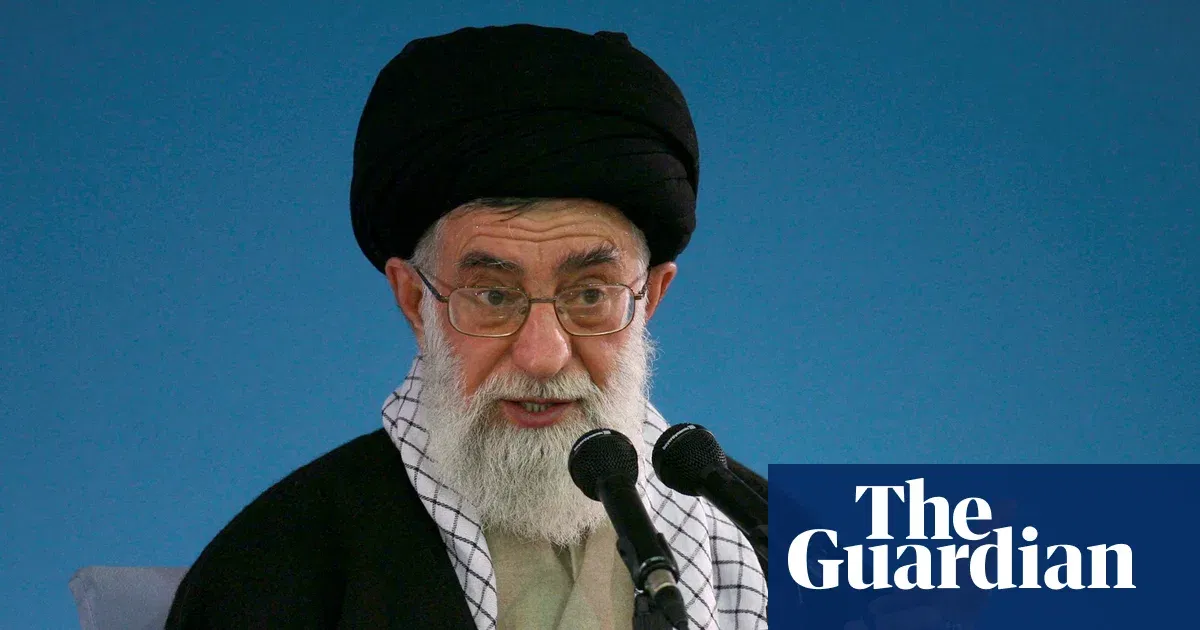
Iran's Supreme Leader Ayatollah Ali Khamenei was killed in US-Israeli air strikes on February 28, 2026, ending his 36-year rule over the Islamic Republic. The 86-year-old cleric, who had governed Iran since 1989, died in what Iranian state media described as "a massive attack" that also targeted military installations across the country. His death marks a pivotal moment in Middle Eastern politics and raises urgent questions about Iran's future leadership and regional stability.
From Humble Beginnings to Iran's Highest Office
Ali Hosseini Khamenei was born on April 19, 1939, in Mashhad, Iran's holiest city, to a traditional religious family. His father was a mid-ranking cleric, and young Ali began religious studies at age 11, showing early promise in Islamic scholarship. He studied under some of Iran's most prominent religious figures, including Grand Ayatollah Hossein Borujerdi and the future revolutionary leader Ayatollah Ruhollah Khomeini. Khamenei's political awakening came during the 1963 protests against the Shah's White Revolution, where he first demonstrated the anti-monarchical stance that would define his career.
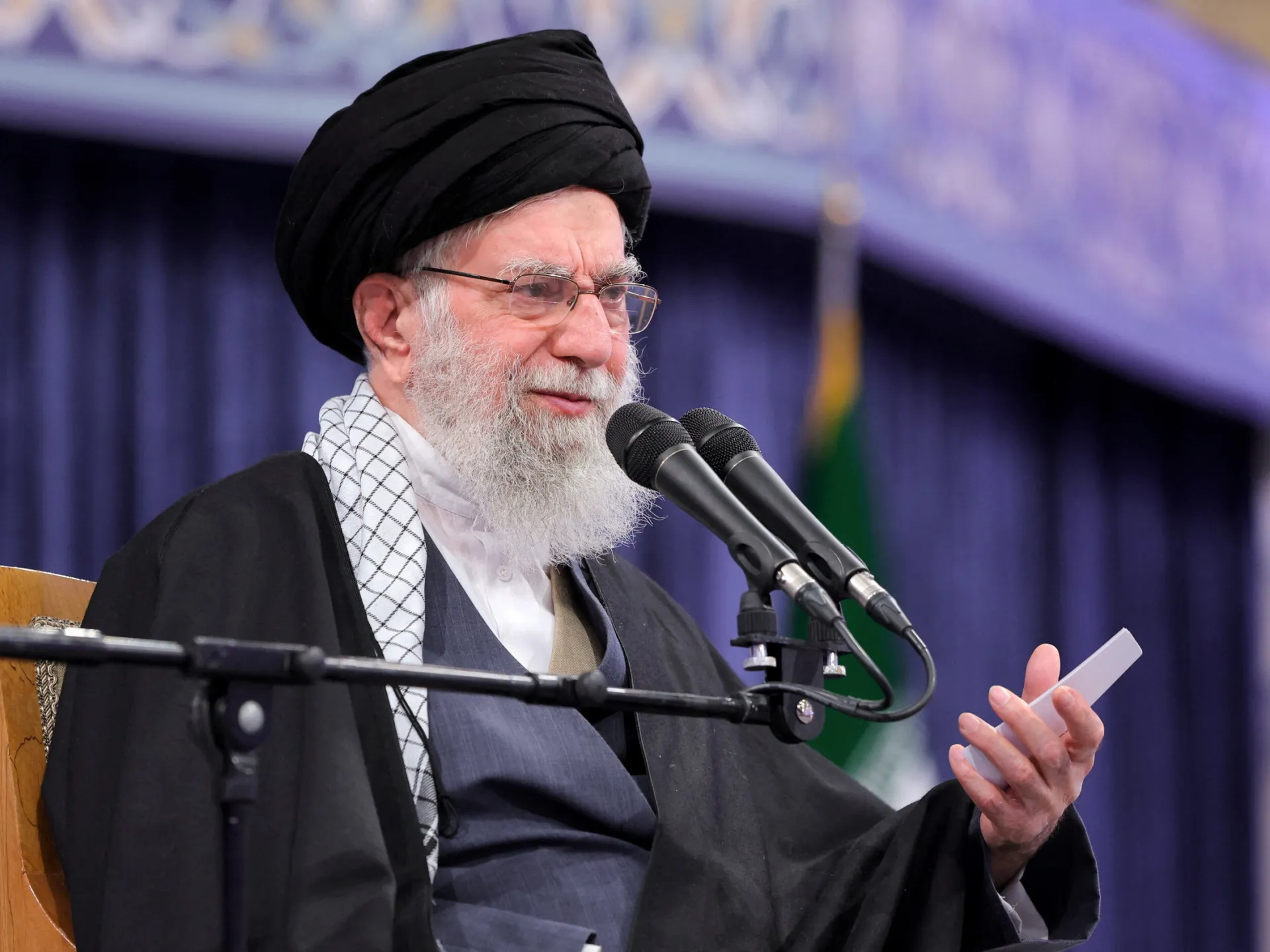
Khamenei's rise accelerated with the 1979 Iranian Revolution that toppled the Western-backed Shah. He served on the Revolutionary Council and became deputy defense minister, playing a crucial role in organizing the new Islamic Republic's military structures. When Iraq invaded Iran in 1980, Khamenei helped mobilize popular resistance and served as a frontline prayer leader, earning credibility among both religious conservatives and military commanders. His political career took a decisive turn in 1981 when he was elected president following the assassination of President Mohammad Ali Rajai, making him the first cleric to hold Iran's presidency.
The Road to Supreme Leadership: A Timeline of Power
Khamenei's path to becoming Iran's most powerful figure unfolded through key moments that shaped modern Iranian history. In June 1981, he survived an assassination attempt that left his right arm permanently paralyzed—an injury that became part of his public persona. As president during the devastating Iran-Iraq War, he worked closely with Supreme Leader Ayatollah Khomeini while managing day-to-day governance. When Khomeini died in June 1989, the Assembly of Experts surprised many observers by selecting Khamenei, then a mid-ranking ayatollah, as the new Supreme Leader.
This transition marked a significant evolution in Iran's leadership. Unlike his predecessor, Khamenei lacked the religious credentials of a marja (source of emulation), requiring constitutional amendments to accommodate his appointment. Over the next three decades, he systematically consolidated power, transforming the Supreme Leader's office into Iran's dominant institution. He expanded the Revolutionary Guard's economic and political influence, strengthened intelligence agencies, and positioned loyalists throughout government institutions, creating a system often described as "Khamenei's state."
How Iran's Unique Political System Actually Works
To understand Khamenei's role, one must grasp Iran's unique hybrid political system that blends theocratic and republican elements. At its core is the concept of velayat-e faqih (guardianship of the jurist), developed by Ayatollah Khomeini, which places ultimate authority in a senior cleric who oversees all government functions. The Supreme Leader serves for life and holds powers that dwarf those of elected officials: he commands all armed forces (including the regular military and Revolutionary Guard), appoints the head of judiciary, half of the Guardian Council members, and key media directors, and sets broad policy directions.
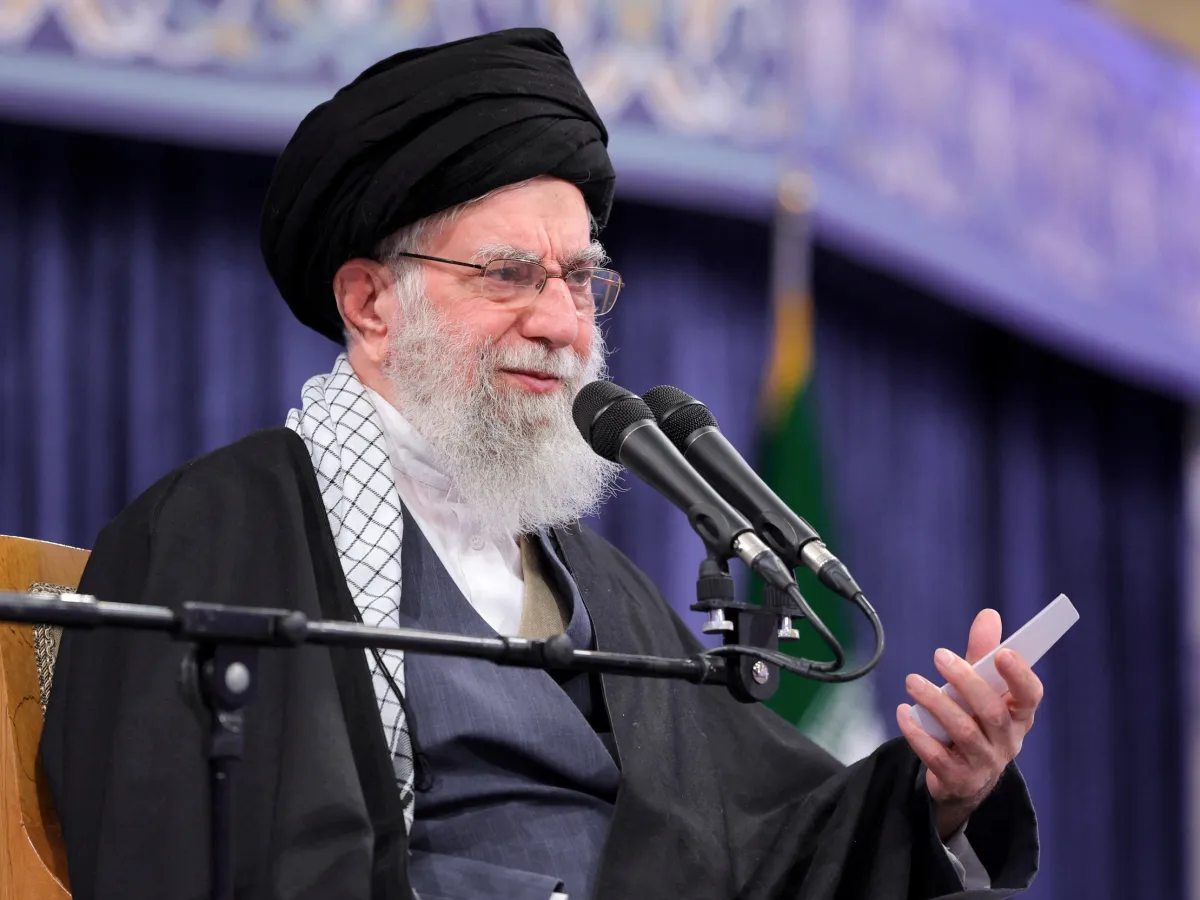
Beneath this theocratic superstructure exists an elected government with a president, parliament (Majlis), and local councils. However, all candidates must be vetted by the Guardian Council—a body half-appointed by the Supreme Leader—ensuring only acceptable figures can run. This creates what scholars call a "managed democracy" where elections occur but within strict boundaries. Khamenei mastered this system, using his constitutional powers and informal networks to maintain control while allowing limited political competition among factions loyal to the Islamic Republic.
Where Iran Stands After Khamenei's Sudden Death
The immediate aftermath of Khamenei's death saw Iran declare a 40-day mourning period and activate emergency protocols. A temporary leadership council comprising the president, head of judiciary, and a senior cleric from the Assembly of Experts assumed day-to-day governance, as specified in Iran's constitution. Security forces were placed on high alert amid concerns about internal unrest and external threats. The Revolutionary Guard issued statements vowing retaliation against the United States and Israel while assuring continuity of the Islamic Republic's institutions.
Economically, the Iranian rial initially fell sharply against the dollar, reflecting uncertainty about leadership transition. However, government controls on currency markets prevented a collapse. Internationally, reactions varied: regional allies like Hezbollah and Hamas expressed condolences while praising Khamenei's "resistance" legacy, Western governments cautiously monitored developments, and Israeli officials confirmed their role in the strikes. The United States administration stated the attacks targeted Iran's "command and control infrastructure" rather than personally targeting Khamenei.
The Succession Process: How Iran Chooses Its Next Leader
Iran's constitution provides clear, though opaque, procedures for selecting a new Supreme Leader. The 88-member Assembly of Experts—a body of senior clerics elected every eight years—has the sole authority to appoint the next leader. This process typically involves behind-the-scenes negotiations among Iran's political, military, and religious elites, with the Revolutionary Guard playing a significant informal role. Before his death, Khamenei reportedly named three potential successors, though their identities remain undisclosed to the public.
Several figures emerge as possible contenders: Khamenei's son Mojtaba, who has built influence within security apparatuses; Judiciary Chief Gholam-Hossein Mohseni-Eje'i, known for his hardline stance; and senior clerics like Ahmad Jannati or Mohammad-Taqi Mesbah-Yazdi. However, the selection may not follow dynastic lines—the Islamic Republic has emphasized clerical qualifications over familial ties. The process could take weeks or months, during which Iran's power centers will negotiate to ensure a successor who maintains regime stability while addressing mounting economic and social challenges.
What Khamenei's Legacy Means for Iran's Future
Khamenei's 36-year rule transformed Iran into a regional power with proxy networks across the Middle East but left it internationally isolated and economically strained. His emphasis on "resistance economy" and technological self-sufficiency produced advances in missile and drone capabilities while ordinary Iranians faced inflation and unemployment. The next Supreme Leader will inherit these contradictions along with a population where over 60% are under 30 years old and increasingly disconnected from revolutionary ideals.
Regionally, Khamenei's death creates uncertainty for Iran's "axis of resistance" including Hezbollah, Hamas, and Houthi rebels who relied on his strategic direction. Domestically, pressure for political reform may increase, though the security establishment remains powerful. Internationally, any leadership change opens possibilities for renegotiating Iran's nuclear program and regional role, though much depends on whether the next leader continues Khamenei's confrontational approach or seeks détente.
Key Facts to Remember About Iran's Leadership System
Understanding Iran's political structure requires recognizing several fundamental principles. First, the Supreme Leader is not merely a symbolic figure but the ultimate decision-maker on security, foreign policy, and religious matters. Second, Iran's system intentionally divides power between elected institutions (providing legitimacy) and appointed bodies (ensuring ideological control). Third, the Revolutionary Guard functions as both a military force and an economic-political empire with interests in maintaining the status quo. Finally, despite internal factions, all major power centers ultimately answer to the Supreme Leader—making his death the most significant political event in Iran since the 1979 revolution.
As Iran enters this transition period, the world watches to see whether the Islamic Republic's institutions prove resilient enough to manage leadership change without destabilizing the region. Khamenei's legacy—a blend of religious authority, political cunning, and steadfast anti-Westernism—will shape this process regardless of who succeeds him. What remains clear is that understanding how Iran's system works remains essential for comprehending one of the world's most consequential nations.