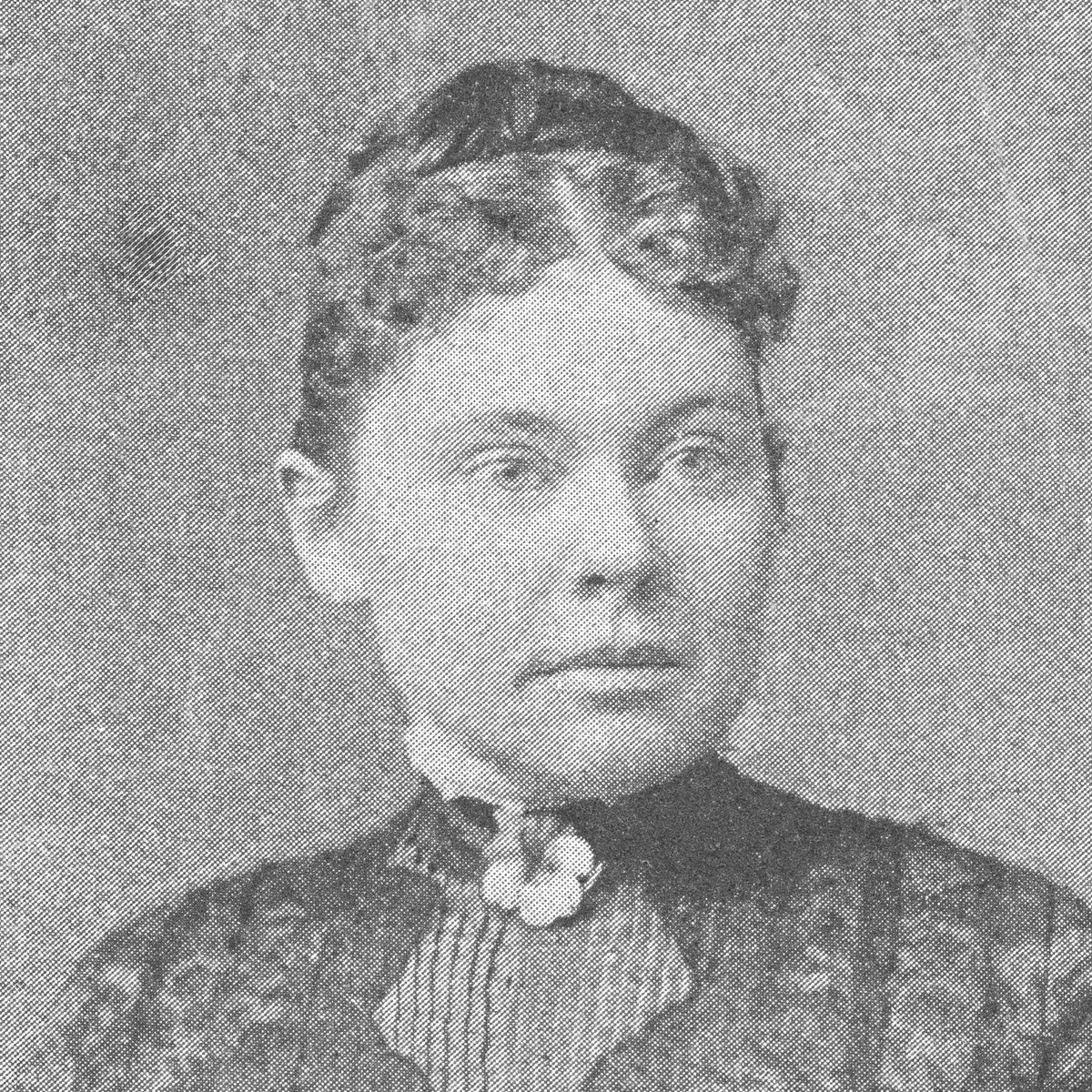
Lizzie Borden is one of the most famous names in American true-crime history — not because she was ever convicted of a crime, but because of a brutal double murder that was never officially solved. On the morning of August 4, 1892, her father and stepmother were hacked to death with a hatchet in their home in Fall River, Massachusetts, and Lizzie, then 32 years old, became the prime suspect. She was arrested, tried, and acquitted in 1893 — and the case has gripped the public for more than a century. Now her story is back in the spotlight as Netflix's Monster anthology series turns its lens on the woman at the center of one of America's most enduring unsolved murders.
Who Was Lizzie Borden?
Lizzie Andrew Borden was born on July 19, 1860, in Fall River, Massachusetts, the daughter of Andrew Borden, a successful but notoriously frugal businessman who made his money in real estate and manufacturing, and his first wife, Sarah. Lizzie's mother died in 1863, and when Lizzie was still a young child her father remarried. Her stepmother, Abby Gray, helped raise Lizzie and her older sister Emma; a third sister, Alice, had died in infancy.
By all outward appearances, Lizzie lived a respectable middle-class life. She attended the Central Congregational Church, taught Sunday school to the children of immigrants, and was active in the Woman's Christian Temperance Union. But beneath the surface, the household was tense. The Borden sisters reportedly resented their father's strictness about money and were not close to their stepmother, whom they addressed as "Mrs. Borden" rather than "mother." By 1892, the family employed a live-in maid, Bridget Sullivan, a 25-year-old Irish immigrant.
What Happened on August 4, 1892?
On the morning of Thursday, August 4, 1892, the Borden household was busy. Uncle John Morse, visiting on business, left the house around 8:48 a.m. Andrew Borden went on his morning walk after 9 a.m. Sometime between 9 and 10:30 a.m., Abby Borden went upstairs to make the bed in the guest room — and was attacked. Forensic analysis later suggested she was struck first on the side of the head, then hit repeatedly with a hatchet as she lay on the floor, suffering roughly 18 or 19 blows in all.
Andrew returned home around 10:30 a.m. and lay down for a nap on the sitting-room sofa. He was struck 10 or 11 times, and one of his eyes was split cleanly in two, suggesting he was asleep when the killer struck. Around 11:10 a.m., Lizzie called out to the maid, reportedly saying, "Maggie, come quick! Father's dead. Somebody came in and killed him." A search of the house soon uncovered Abby's body in the upstairs guest room.
Timeline: How the Case Unfolded
The investigation moved quickly, and Lizzie's shifting story drew immediate suspicion:
- August 4, 1892 — Andrew and Abby Borden are found murdered. Lizzie gives inconsistent accounts of her whereabouts, first saying she was in the barn looking for fishing sinkers, then that she was eating pears.
- August 8, 1892 — A friend witnesses Lizzie burning a blue dress she says was ruined with paint; prosecutors later argue it was stained with blood.
- August 11, 1892 — Lizzie is arrested.
- December 1892 — A grand jury indicts her on three counts of murder.
- June 5, 1893 — The trial opens in New Bedford, Massachusetts.
- June 20, 1893 — An all-male jury acquits Lizzie after a short deliberation.
The Trial: Why Lizzie Was Acquitted
Lizzie's trial was one of the most sensational of the 19th century, covered extensively by newspapers across the country. Prosecutors Hosea Knowlton and future U.S. Supreme Court Justice William H. Moody faced a formidable defense team that included former Massachusetts governor George D. Robinson.
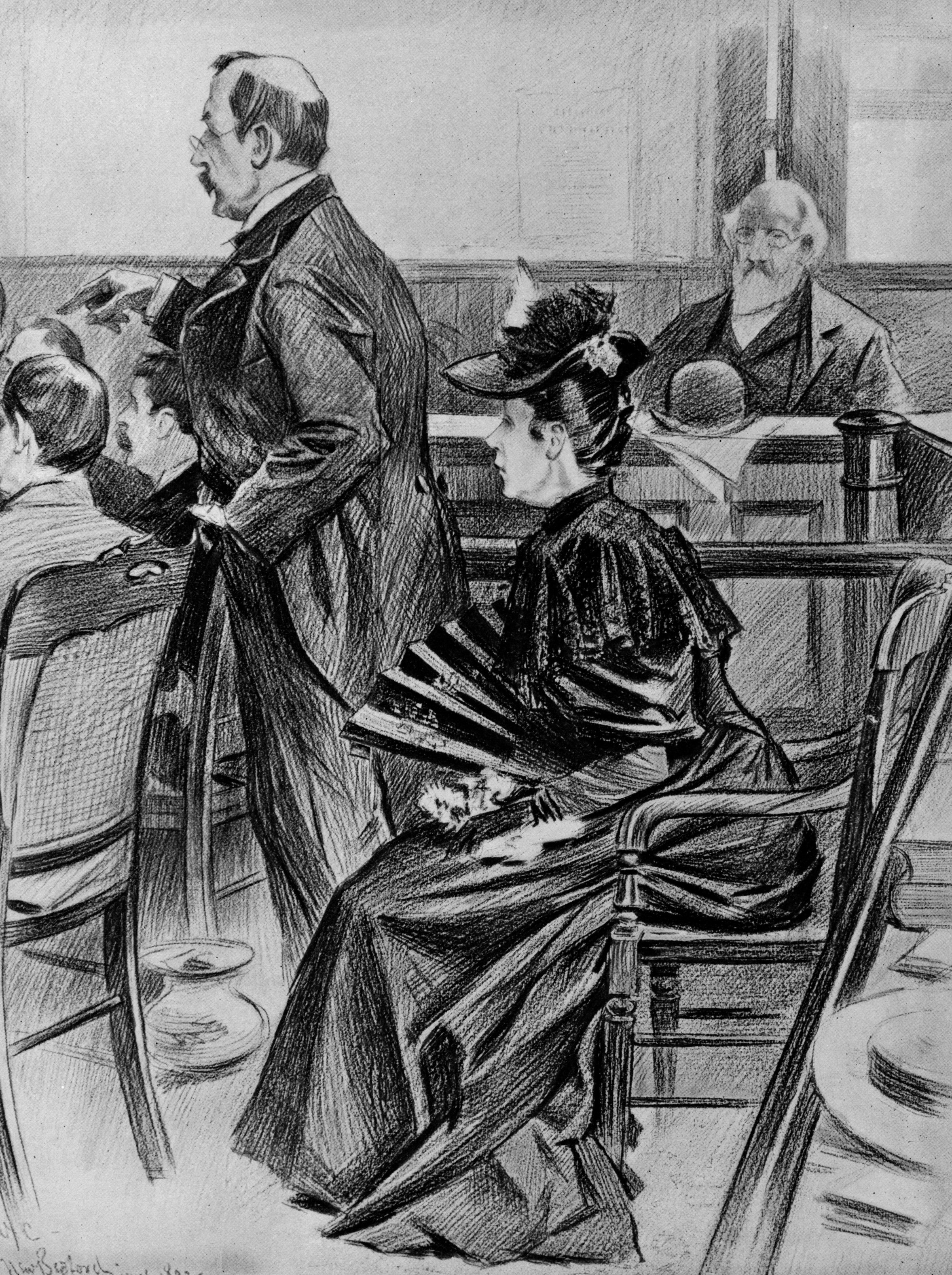
Several pieces of evidence that might have helped the prosecution never reached the jury. Lizzie's inquest testimony — with its contradictions — was excluded because she had not received proper legal counsel and had been questioned while under the influence of morphine prescribed by her doctor. The judge also threw out evidence that she had tried to buy prussic acid (hydrogen cyanide) the day before the murders, ruling it too remote in time. And a hatchet head found in the basement, suspected to be the murder weapon, was never convincingly tied to the crime.
The prosecution's case was almost entirely circumstantial. The star witness, maid Bridget Sullivan, placed Lizzie in the house at the time of the murders but also testified that she had never witnessed fights between Lizzie and Abby. When the victims' skulls were presented in court, Lizzie fainted — a moment that some observers read as guilt and others as a respectable woman overcome by the horror of it all. In the end, the jury could not be convinced beyond a reasonable doubt.
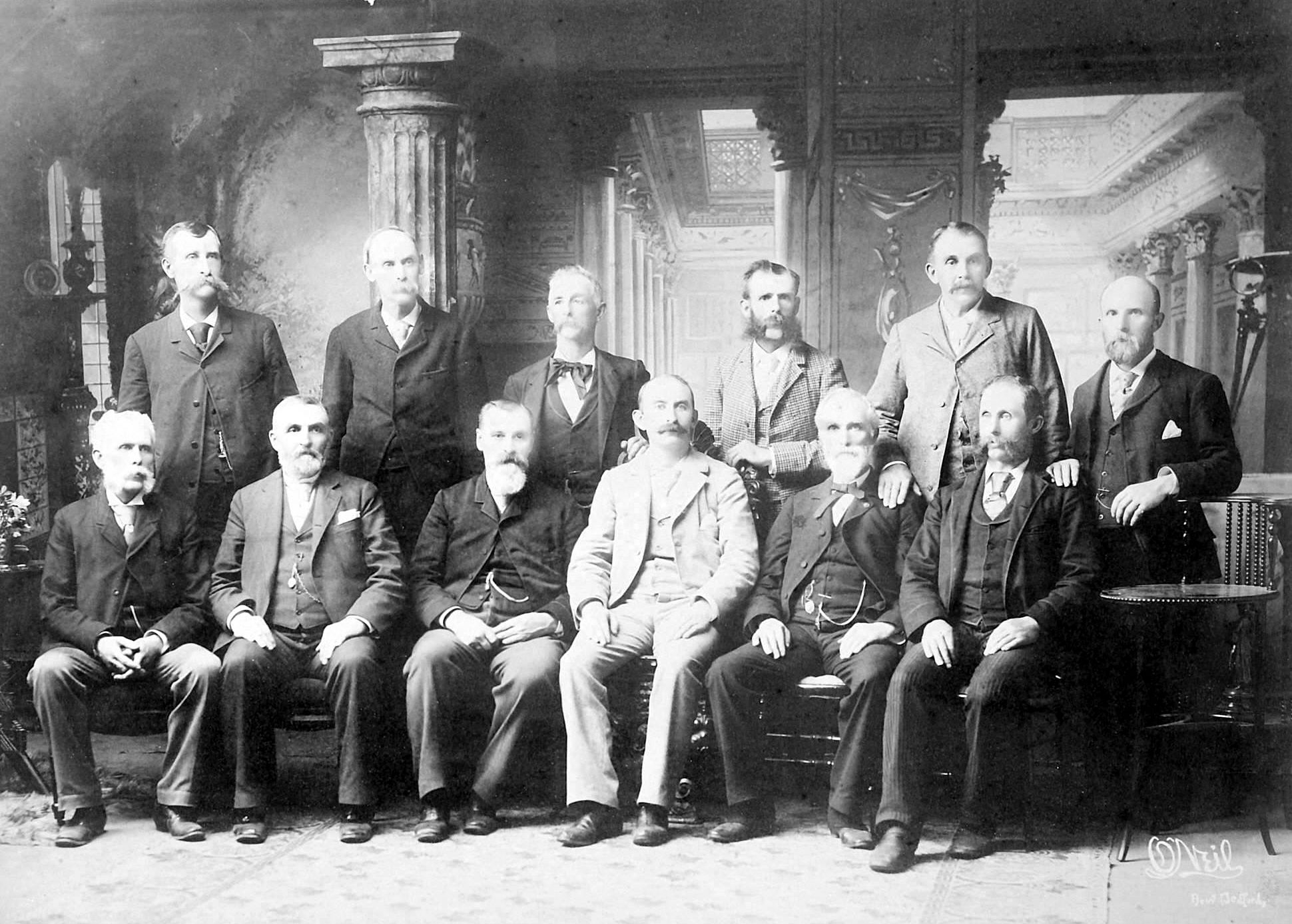
On June 20, 1893, after about 90 minutes of deliberation (some accounts say even less), the all-male jury acquitted Lizzie Borden of the murders. No one else was ever charged in the case.
Why the Case Was Never Solved
Despite the acquittal, Lizzie remained the prime suspect in the eyes of many. Over the decades, historians and authors have floated several theories about who actually committed the murders:
- Lizzie herself. Some have suggested she acted in a fugue state, or that she killed her father after years of alleged abuse. Others point to the family's simmering disputes over money and property as a motive.
- Uncle John Morse. Lizzie's maternal uncle slept in the house the night before the murders and left at a key moment, making him another named suspect.
- An unknown intruder. Andrew Borden was reportedly not a popular man in Fall River, and the family had been violently ill in the days before the killings, fueling fears that someone held a grudge against him.
Even the maid became part of the mystery: a widely repeated but disputed story claims Bridget Sullivan gave a deathbed confession saying she had changed her testimony to protect Lizzie. None of these theories has ever been proven.
Life After the Trial
Although she was free, Lizzie was shunned by much of Fall River. She and Emma inherited a substantial portion of their father's estate and bought a new home they called Maplecroft. Lizzie changed her name to "Lizbeth," and her reputation took another hit in 1897 when she was accused of shoplifting. In 1905, Emma abruptly moved out, and the sisters never spoke again — a rift that fueled fresh speculation that Emma had learned something new about the murders.
Lizzie Borden died of pneumonia on June 1, 1927, at age 66. Emma died just days later. Both sisters were buried beside their parents in Oak Grove Cemetery.
Why Lizzie Borden Is Trending Again
The case has never fully left the public imagination, helped along by the famous schoolyard rhyme — "Lizzie Borden took an axe / And gave her mother forty whacks / When she saw what she had done / She gave her father forty-one." The rhyme exaggerates: Abby was struck roughly 18 or 19 times and Andrew about 10 or 11, not "forty" blows.
In 2026, Lizzie Borden is once again in the news. Netflix's true-crime anthology series Monster, created by Ryan Murphy and Ian Brennan, is dedicating its new season to the Borden case, with actor Ella Beatty cast as Lizzie. The season, Monster: The Lizzie Borden Story, premieres in September 2026 and is already drawing fresh attention to a mystery that is more than 130 years old.
Key Takeaways
- Lizzie Borden was tried and acquitted for the 1892 hatchet murders of her father and stepmother in Fall River, Massachusetts.
- The prosecution's case was circumstantial, with key evidence excluded from trial, and no murder weapon was ever conclusively identified.
- The case was never officially solved, and no one else was ever charged.
- Lizzie lived out her life in Fall River, shunned by many neighbors, and died in 1927.
- The story is back in the spotlight with Netflix's Monster: The Lizzie Borden Story, premiering in September 2026.