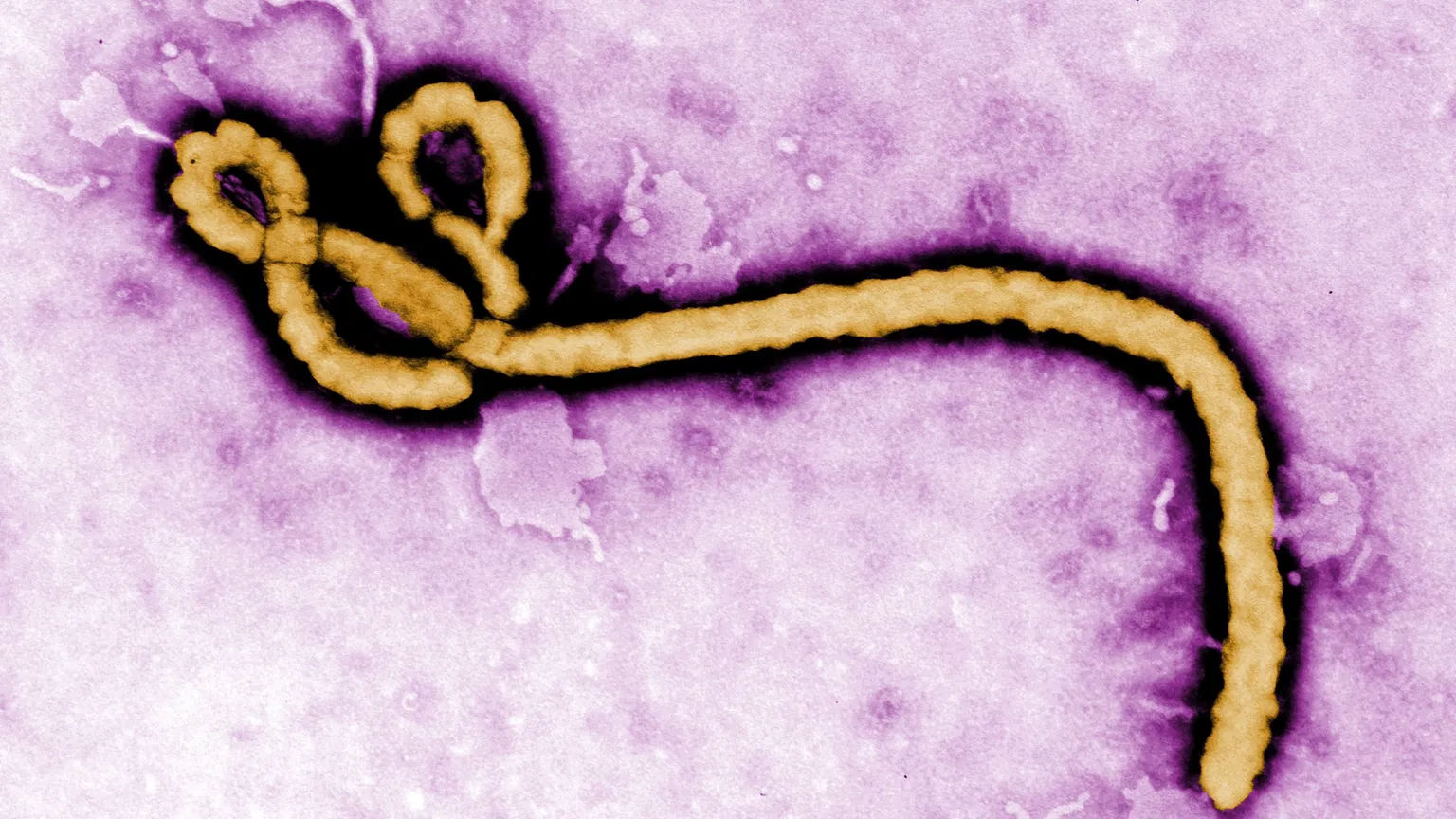
Ebola virus disease (EVD) is one of the most severe viral illnesses known to humanity, with a mortality rate that has historically reached as high as 80 to 90 percent. Also referred to as Ebola disease (EBOD), this rare but often fatal condition is caused by viruses belonging to the Orthoebolavirus genus. First identified in 1976 in what is now the Democratic Republic of the Congo (DRC), Ebola continues to cause sporadic outbreaks in sub-Saharan Africa, the most recent being the 2025 Kasai Province outbreak. Understanding what Ebola is, how it spreads, and how to prevent it remains critical for public health preparedness.
How the Ebola Virus Works: What Happens Inside the Body
Ebola is a hemorrhagic fever virus that causes severe inflammation and tissue damage throughout the body. Once the virus enters the body, it targets the immune system first, infecting dendritic cells and macrophages. The virus then replicates rapidly, spreading to the liver, spleen, kidneys, and blood vessels. It disrupts the body's clotting system, leading to internal bleeding as blood leaks from small blood vessels. Six different species of orthoebolavirus have been identified, but only four are known to cause disease in humans: Ebola virus (Orthoebolavirus zairense), Sudan virus, Taï Forest virus, and Bundibugyo virus. The Ebola virus species is the most lethal and has caused the largest outbreaks.
Signs and Symptoms: From Dry to Wet Phase
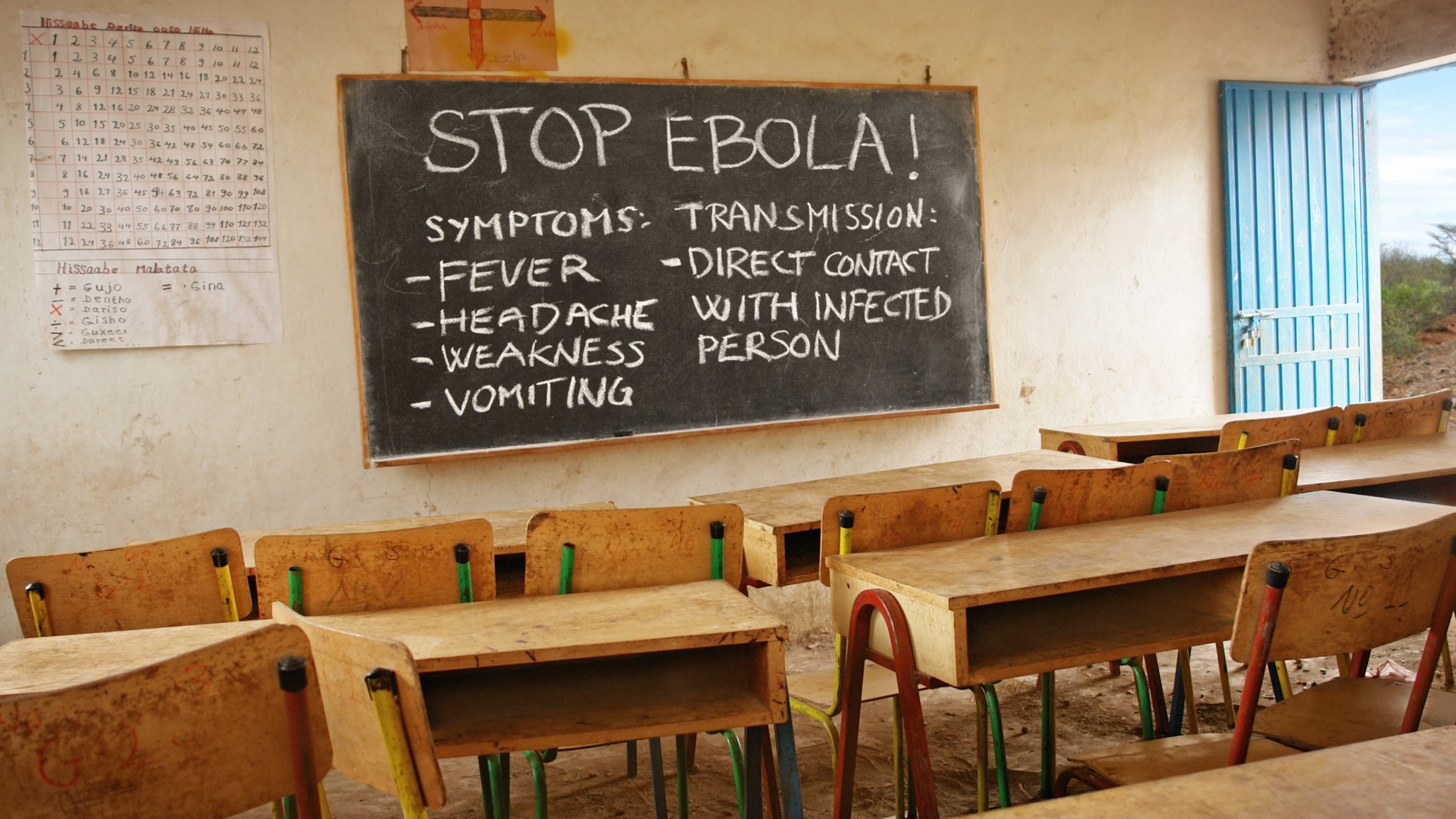
Symptoms of Ebola disease typically appear 2 to 21 days after exposure to the virus, with an average onset of 8 to 10 days. The illness progresses through two distinct phases. The early or "dry" phase includes fever, severe headache, muscle and joint pain, sore throat, and profound fatigue. These initial symptoms are non-specific and can easily be confused with more common diseases like malaria, influenza, typhoid fever, or meningitis. As the disease advances, patients enter the "wet" phase, characterized by diarrhea, vomiting, and in severe cases, unexplained bleeding both internally and externally. The incubation period means that a person exposed to Ebola may not show symptoms for up to three weeks, during which they are not contagious.
Timeline: The 2025 Kasai Province Ebola Outbreak
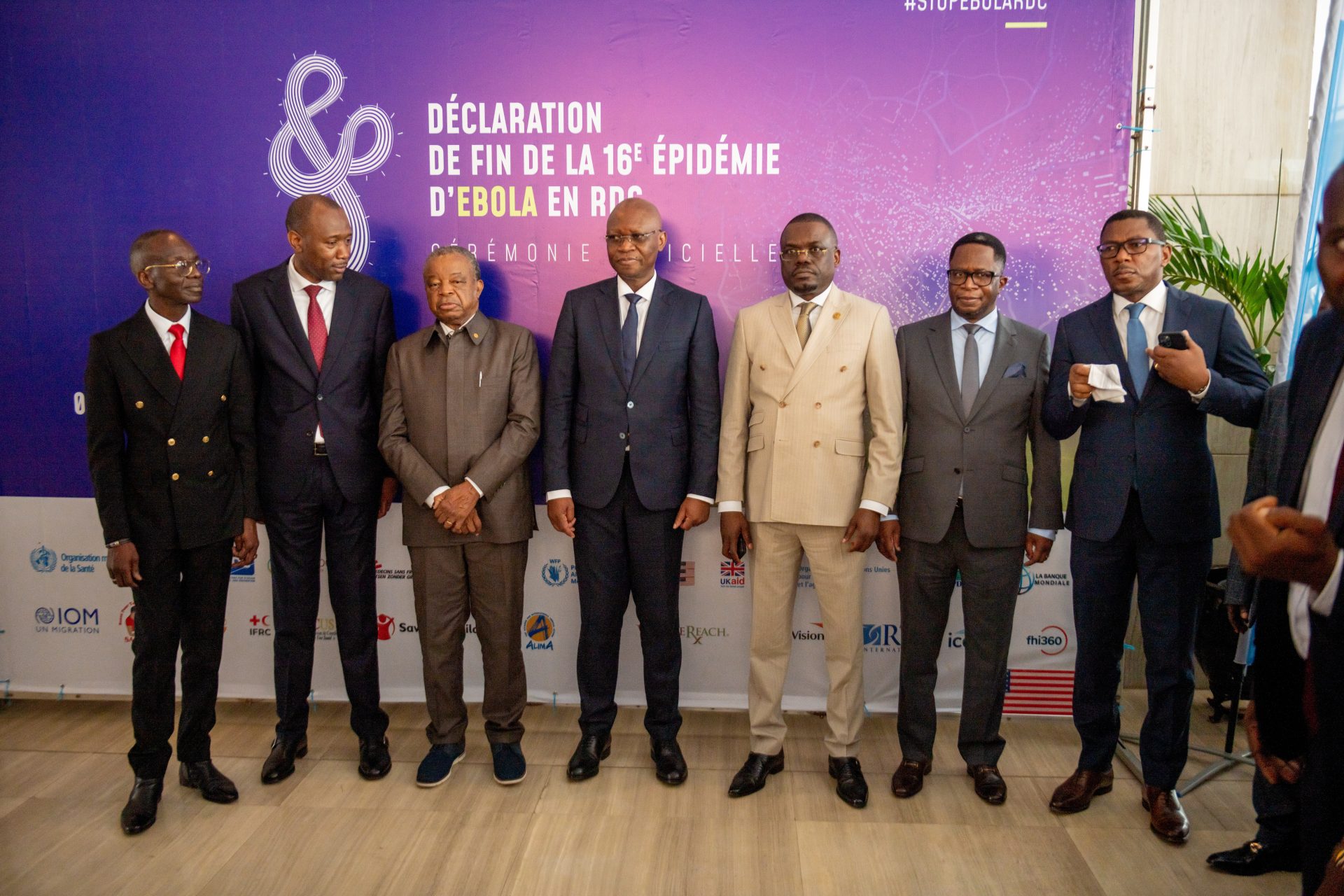
The most recent major Ebola outbreak began in the DRC's Kasai Province in 2025. On August 20, 2025, a 34-year-old pregnant woman presented to the Bulape General Reference Hospital with acute hemorrhagic symptoms and died the same day — this became the index case. By August 26, a second case was reported. On September 4, 2025, the DRC Ministry of Health officially declared an outbreak, and the WHO graded it as a Grade 3 public health emergency — the highest level. Over the following weeks, the virus spread across six health zones in Kasai Province. By the time the outbreak was declared over on December 1, 2025, a total of 81 confirmed cases and at least 28 deaths had been recorded (WHO reported 64 total cases including 11 probable, with 45 deaths, reflecting a case fatality rate of 70.3%). The outbreak, the 17th in DRC since 1976, was contained through vaccination campaigns, contact tracing, and community engagement coordinated by the DRC government, WHO, Africa CDC, and other partners.
How Ebola Spreads: Transmission Routes Explained
Ebola is not an airborne virus. It spreads through direct contact with the body fluids of an infected person who is showing symptoms. These fluids include blood, saliva, sweat, tears, mucus, vomit, feces, breast milk, urine, and semen. The virus can also be transmitted through contact with objects contaminated with these fluids, such as clothing, bedding, needles, or medical equipment. Healthcare workers and family members caring for infected patients without proper protective equipment face the highest risk. People who have recovered from Ebola can carry the virus in their semen for months and should be tested before resuming unprotected sexual activity. The virus can also spread from animals to humans through contact with infected bats, monkeys, or apes, or by handling raw meat from these animals.
Why the 2025 Outbreak Matters: Lessons for Global Health
The 2025 Kasai outbreak demonstrated both the persistent threat of Ebola and the improved capacity to respond. With 680,000 people at immediate risk and more than 2 million at extended risk, according to the International Federation of Red Cross and Red Crescent Societies (IFRC), the outbreak required a massive coordinated response. Ring vaccination using the ERVEBO vaccine — the FDA-approved vaccine for Ebola virus species — helped contain the spread. The availability of two FDA-approved treatments, Inmazeb and Ebanga, also improved survival odds for those infected. However, the outbreak also highlighted ongoing challenges: reaching remote communities, building trust with local populations, and ensuring rapid notification systems. The index case's death on the same day she sought care underscores the crucial need for early detection and treatment.
Where Things Stand Now: Current Situation in 2026
As of May 2026, the CDC reports that Ebola outbreaks remain active in parts of East and Central Africa, including remote areas of the DRC and Uganda. On May 18, 2026, the CDC and the Department of Homeland Security implemented enhanced travel screening, entry restrictions, and additional public health measures specifically designed to prevent Ebola from entering the United States under a Title 42 order. To date, no cases associated with these outbreaks have been confirmed in the United States, and the overall risk to the American public and international travelers remains low. The CDC continues to work with international partners including the WHO, Africa CDC, and local health ministries to monitor and respond to the situation.
Prevention and Treatment: How to Stay Protected
Preventing Ebola centers on avoiding contact with body fluids of infected individuals and animals. For travelers to or residents of outbreak regions, key precautions include practicing good hand hygiene, avoiding contact with sick people, refraining from handling wild animals or their meat, and avoiding participation in funeral rites that involve direct contact with deceased bodies. The ERVEBO vaccine is recommended for adults aged 18 and older who are at potential risk of exposure. For those who do contract Ebola, early supportive care — including fluids, electrolytes, blood pressure management, and treatment of secondary infections — dramatically improves survival. Two FDA-approved monoclonal antibody treatments, Inmazeb and Ebanga, are available specifically for Ebola virus species infection. Diagnosis is confirmed through PCR blood testing, and suspected patients must be isolated until results are confirmed.
The Bottom Line: Key Points to Remember
- Ebola is a severe, often fatal viral disease caused by orthoebolaviruses, first discovered in 1976 in DRC.
- Symptoms appear 2-21 days after exposure, starting with fever and fatigue, progressing to vomiting, diarrhea, and bleeding.
- The 2025 Kasai Province outbreak in DRC lasted from September to December 2025, with 81 confirmed cases and at least 28 deaths.
- Ebola spreads only through direct contact with body fluids of symptomatic individuals — it is not airborne.
- FDA-approved vaccine (ERVEBO) and treatments (Inmazeb, Ebanga) are available but only for the Zaire Ebola virus species.
- As of May 2026, enhanced travel screening is in place for travelers from affected regions, but no cases have reached the United States.