Butter is one of the oldest and simplest foods in the human pantry — and right now it's making headlines for a very modern reason. In late October 2026, the U.S. Food and Drug Administration (FDA) assigned a Class II risk classification to a voluntary recall of Miyoko's Creamery European Style Salted Plant Milk Butter, after more than 1,300 cases of the 8-ounce product were found to potentially contain yeast, mold, and E. coli. The recall reaches 10 states and has home cooks double-checking their refrigerators. But behind the recall notice sits a genuinely interesting question: how is butter actually made, what makes plant-based butter different from the dairy kind, and why does a food this simple ever get recalled? Here's a closer look at the science — and the story.
What Is Butter, Exactly? Breaking Down Its Composition
Butter is a dairy product made almost entirely from milk fat. Under U.S. regulation, anything sold as "butter" must contain at least 80 percent butterfat, and the typical composition is about 80 to 82 percent fat, 16 to 17.5 percent water, roughly 1.5 percent salt in salted varieties, and about 1 percent milk solids — a small amount of protein, lactose, and minerals. That precise ratio is what gives butter its firm-but-spreadable texture at room temperature and its rich, silky mouthfeel when it melts. At a microscopic level, butter is an emulsion: tiny water droplets suspended in a continuous matrix of fat. That structure is why butter behaves differently from a pure oil, softening gradually rather than simply flowing, and why it can hold air when creamed with sugar in baking.
The exact flavor and color of butter depend on what the cows ate. Grass-fed cows produce cream with a deeper yellow tint and a more complex flavor, thanks in part to beta-carotene from pasture. In short, butter looks simple, but it is a carefully balanced package of fat, water, and milk solids that has been prized for thousands of years.
From Cream to Churn: How Dairy Butter Is Made
The journey from milk to butter begins with separation. Whole milk is spun in a centrifugal separator, which splits the lighter cream from the heavier skim milk. The cream is then pasteurized — heated to kill harmful bacteria — and, in the case of cultured or "European-style" butter, may be allowed to ferment slightly so friendly bacteria develop a tangy, buttery flavor.
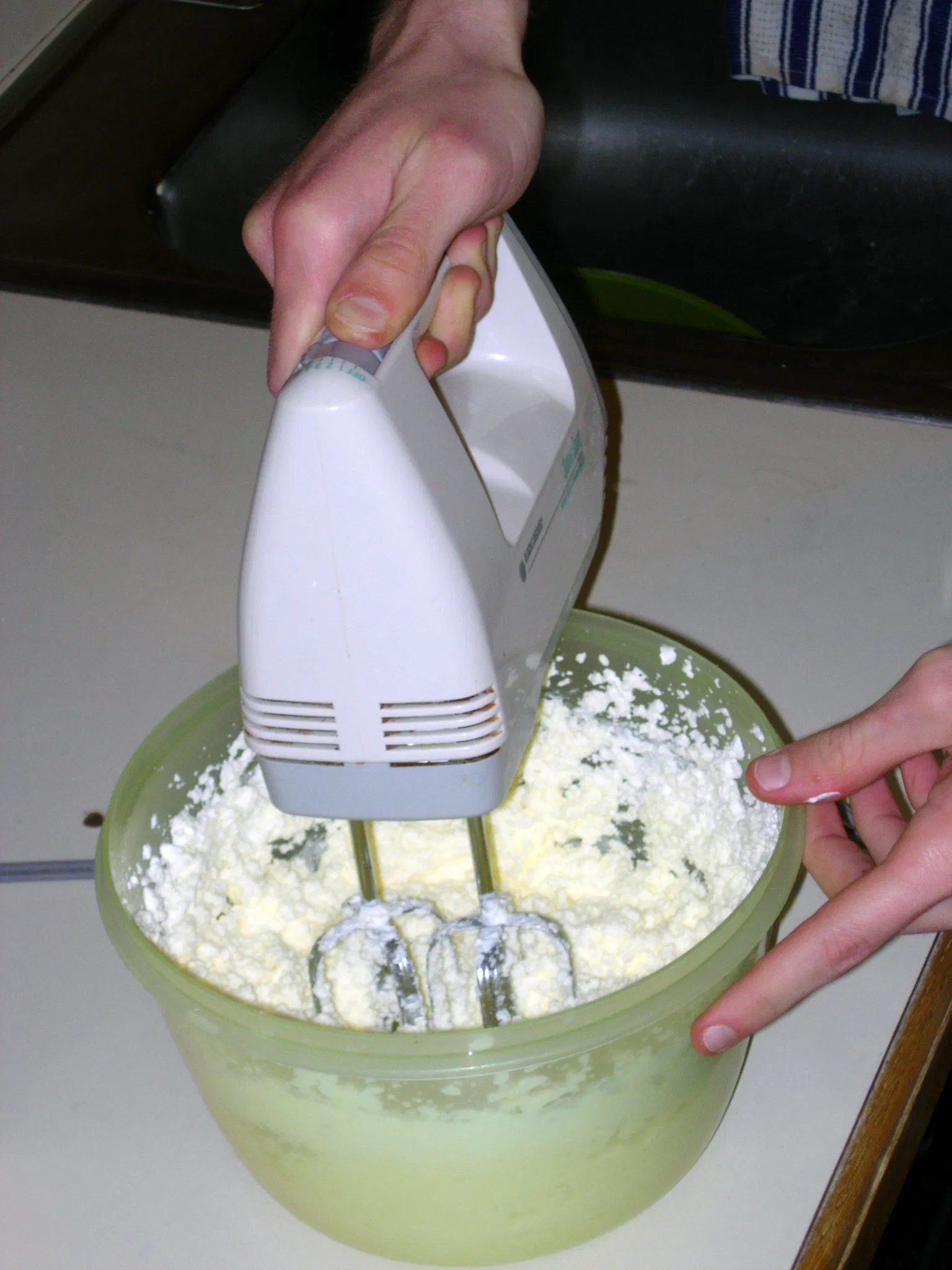
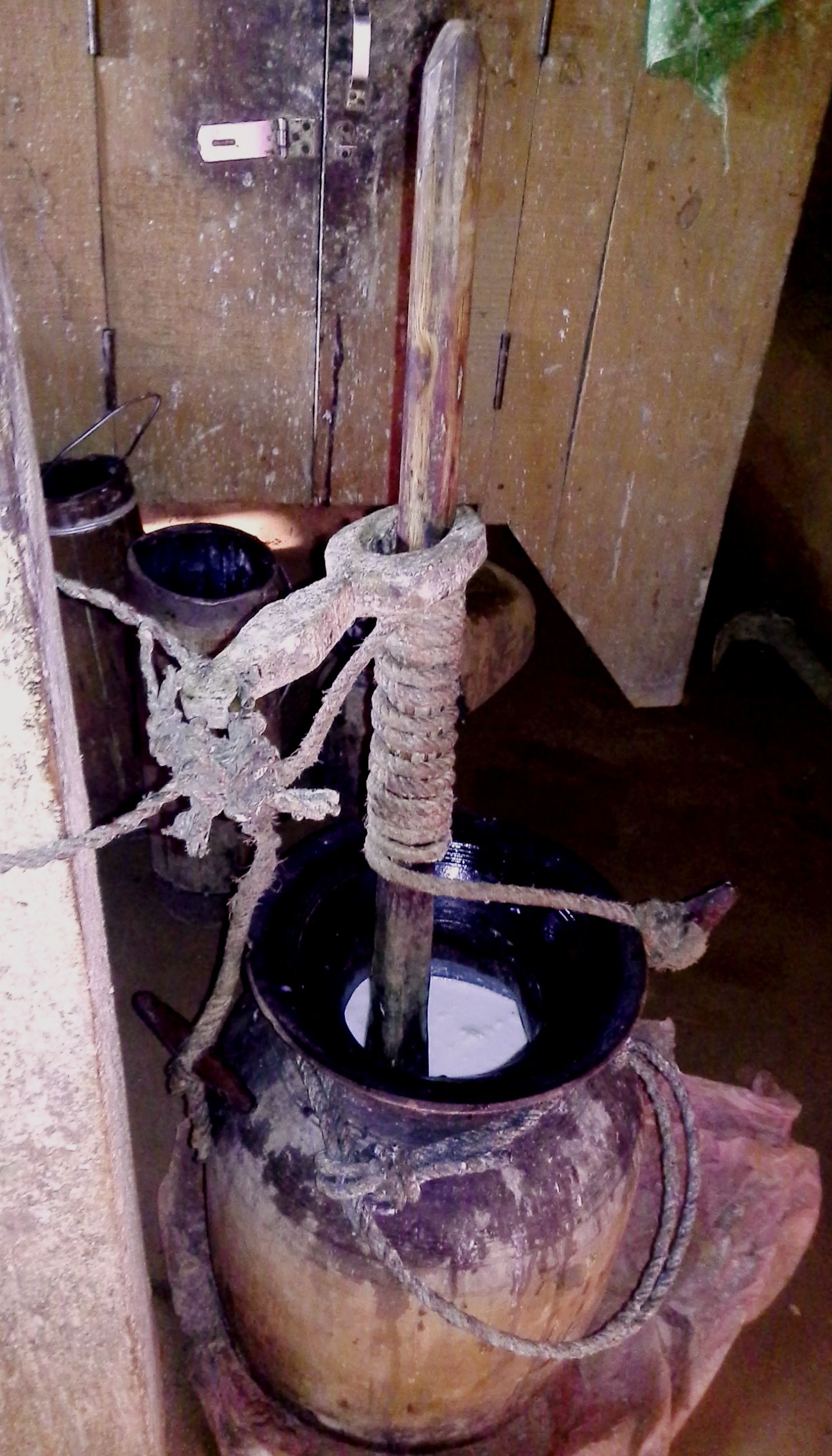
The defining step is churning. Churning agitates the cream vigorously, and that mechanical action ruptures the thin membranes surrounding individual fat globules, letting the fat clump together. As churning continues, the fat coalesces into small "butter grains" while the remaining liquid — buttermilk — separates out and is drained away. The butter grains are then washed in cold water to remove any leftover buttermilk, which helps the butter keep longer. Finally, salt is worked in for salted butter, and the mass is kneaded into a smooth, uniform texture before being shaped and packaged. Modern factories do all of this in continuous churns, but the underlying science is identical to a hand-cranked butter churn.
How Plant-Based Butter Is Different — and What's Inside It
Plant-based butter aims to reproduce dairy butter's texture and cooking behavior without any milk. Instead of churned cream, vegan butter is built from a blend of plant oils and, often, cultured plant milk. Miyoko's Creamery's European Style Salted Plant Milk Butter, for instance, lists organic coconut oil, filtered water, organic sunflower oil, organic cashews, organic sunflower lecithin, sea salt, and cultures among its ingredients. The coconut and sunflower oils provide a fat profile that is solid when chilled and melts when warmed — mimicking butterfat — while the cultured cashew milk contributes a tangy, fermented note similar to cultured dairy butter. Lecithin acts as an emulsifier, holding the water and oil together in a stable, spreadable mixture.
Because these products contain no dairy, they are popular with vegans and people with milk allergies or lactose intolerance. That same attribute, however, makes spoilage or contamination in a "plant milk" product especially confusing and concerning for shoppers, who may assume a dairy-free label means lower risk.
Why Butter Gets Recalled: Yeast, Mold, and E. Coli Explained
Although butter is a relatively low-moisture food, it can still harbor microbes if something goes wrong during production — and plant-based spreads, which often contain more water than dairy butter, need equally careful handling. E. coli (Escherichia coli) is a large family of bacteria; many strains are harmless and live naturally in the human gut, but certain strains can produce toxins that cause foodborne illness with symptoms such as diarrhea and stomach cramps. Yeast and mold are fungi — some are used deliberately in cultured foods, but their unexpected growth in a packaged product signals spoilage or a lapse in processing hygiene. In the Miyoko's recall, the FDA's report cited potential contamination with all three: yeast, mold, and E. coli.
When a product raises these concerns, a company may issue a voluntary recall as a precaution, and the FDA assigns a risk classification. Class I is the most serious, meaning a reasonable probability of serious health consequences or death. Class II means the product may cause temporary or medically reversible adverse health consequences, or the probability of serious consequences is remote. Class III is the least serious. The Miyoko's recall was placed in Class II, the second-highest tier.
The Miyoko's Creamery Recall: What Was Pulled and Where
Here are the specifics. Prosperity Organic Foods, Inc. — the Boise, Idaho-based company that makes Miyoko's Creamery products — voluntarily recalled 1,304 cases of Miyoko's Creamery European Style Salted Plant Milk Butter in 8-ounce (227-gram) packages. The recalled product carries the lot number 07871 (with master shipping case lot 1007871), UPC 857554005773, and a best-by date of Nov. 5, 2026. According to the FDA, the product was distributed in 10 states: Connecticut, Florida, Georgia, Iowa, Illinois, Indiana, Maryland, New Jersey, New Hampshire, and Wisconsin. The recall was initiated over potential contamination with yeast, mold, and E. coli, and the FDA assigned it a Class II risk level.
What to Do If You Have the Recalled Butter
If you have Miyoko's Creamery European Style Salted Plant Milk Butter with lot number 07871 and a best-by date of Nov. 5, 2026, don't eat it. The FDA advises consumers to throw the product away or return it to the place of purchase for a full refund, and retailers have been asked to remove it from shelves. As with any recall, if you or someone in your household consumed the product and experiences symptoms such as diarrhea, stomach cramps, nausea, or vomiting, contact a health care provider.
The Bottom Line: Key Takeaways
- Butter is at least 80 percent butterfat, made by churning cream until fat globules join together and separate from buttermilk.
- Plant-based butter replaces butterfat with a blend of oils (typically coconut and sunflower) plus cultured plant milk, salt, and an emulsifier.
- Miyoko's Creamery European Style Salted Plant Milk Butter was voluntarily recalled — 1,304 cases across 10 states — over potential yeast, mold, and E. coli contamination.
- The FDA rated the recall Class II, meaning the product may cause temporary or medically reversible health consequences.
- Affected product: lot 07871, best-by date Nov. 5, 2026. Don't consume it — return it for a refund.