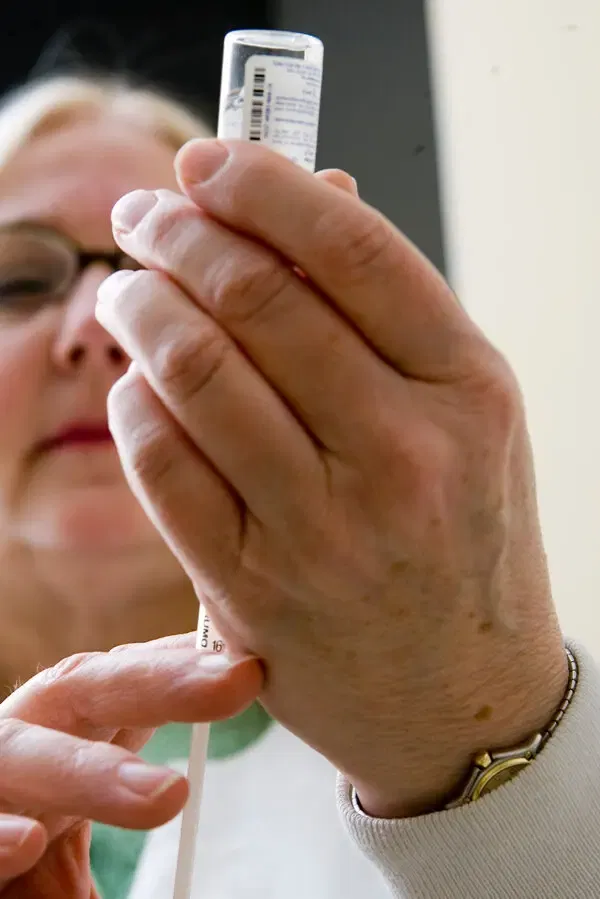
The Centers for Disease Control and Prevention (CDC) recently announced major changes to the childhood immunization schedule, marking one of the most significant shifts in U.S. vaccine policy in decades. As parents navigate these updates, understanding how vaccines work and what the CDC schedule entails has never been more important. This guide breaks down the science behind childhood vaccinations, explains the new recommendations, and provides practical information for families.
How Vaccines Train Your Immune System
Vaccines work by imitating an infection to engage the body's natural defenses. The active ingredient in all vaccines is an antigen—any substance that causes the immune system to begin producing antibodies. These antigens can be weakened or killed bacteria or viruses, bits of their exterior surface or genetic material, or bacterial toxins treated to make them non-toxic.
When a vaccine is administered, white blood cells recognize the antigen as foreign and begin multiplying to attack it. After eliminating the simulated infection, most white blood cells disappear, but a few remain as memory cells. These memory cells "remember" the antigen and can quickly produce antibodies if the real disease ever enters the body.
There are two main types of vaccines: live-attenuated and non-live. Live-attenuated vaccines contain weakened versions of the actual virus or bacteria and typically provide long-lasting protection with just two doses (like the MMR and chickenpox vaccines). Non-live vaccines use inactivated components and usually require three or more doses to achieve protection that may fade over time, necessitating booster shots (like the DTaP vaccine).
The CDC Vaccine Schedule: A Timeline of Protection
The CDC's childhood immunization schedule is a carefully researched timeline that outlines when children should receive specific vaccines for maximum protection. Before the recent changes, the schedule recommended vaccines against 17 different diseases from birth through adolescence.
The traditional schedule begins at birth with the hepatitis B vaccine, followed by a series of vaccinations at 2, 4, and 6 months that protect against rotavirus, diphtheria, tetanus, pertussis (whooping cough), Haemophilus influenzae type b (Hib), pneumococcal disease, and polio. Additional vaccines are added at 12-15 months (MMR, chickenpox, hepatitis A) and again during the preschool and adolescent years.
"The previous vaccine schedule was developed over decades, under presidential administrations of both parties, by a panel of experts who examined evidence, determined that the vaccines' benefits outweighed any risks, and recommended the timing of each dose based on when children's immune systems could best benefit from it," explains reporting from The New York Times.
2026 Changes: What's Different Now
On January 5, 2026, the CDC implemented sweeping changes to the childhood immunization schedule following a Presidential Memorandum directing the agency to align U.S. recommendations with international practices. The updated schedule reduces the number of routinely recommended vaccines from 17 to 11 diseases and introduces a new three-category framework.
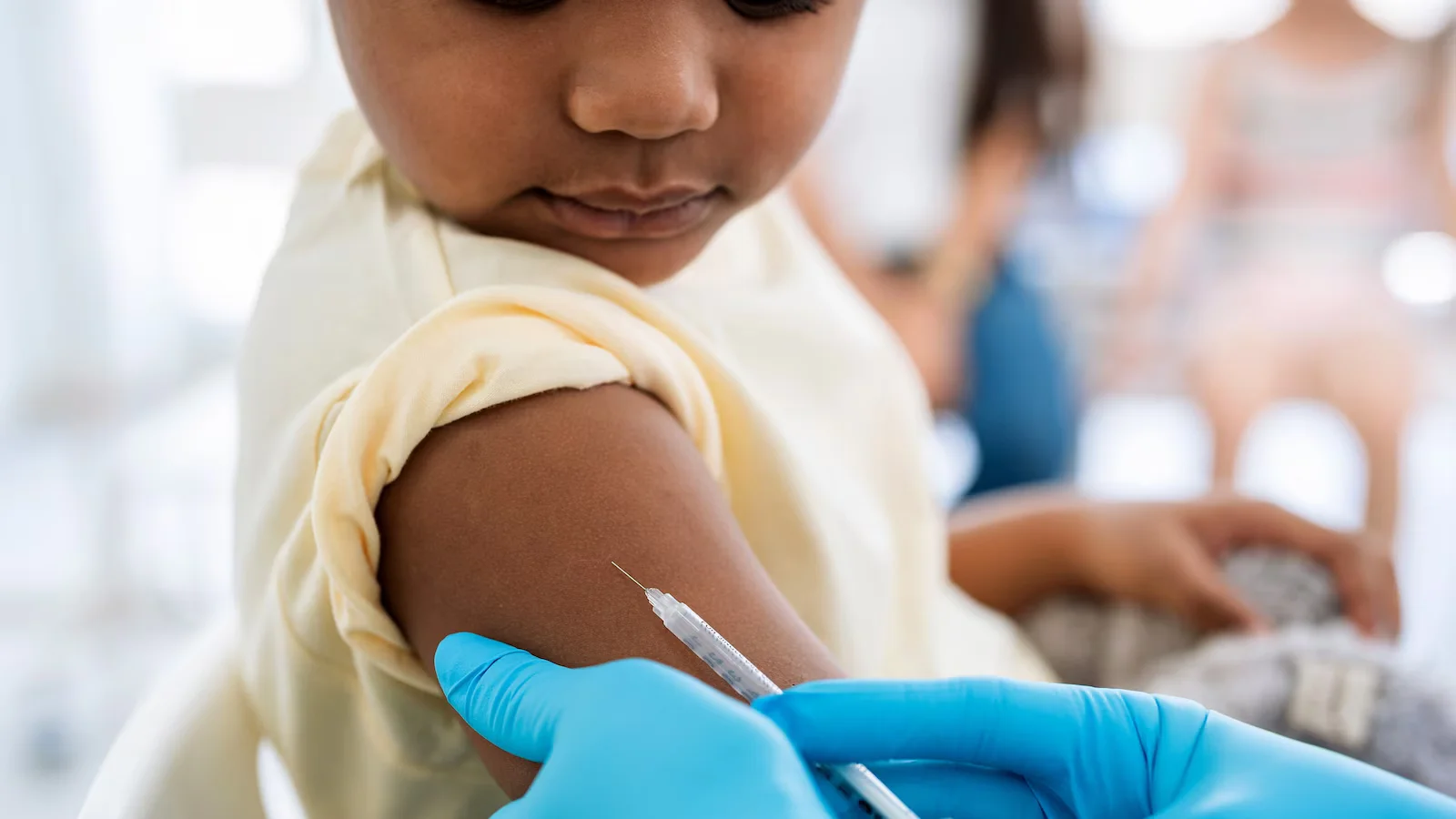
The new categories are:
- Immunizations Recommended for All Children: This category includes vaccines for measles, mumps, rubella, polio, pertussis, tetanus, diphtheria, Haemophilus influenzae type b (Hib), pneumococcal disease, human papillomavirus (HPV), and varicella (chickenpox). Notably, the HPV vaccine recommendation has been reduced from two doses to one.
- Immunizations Recommended for Certain High-Risk Groups or Populations: This includes vaccines for respiratory syncytial virus (RSV), hepatitis A, hepatitis B, dengue, meningococcal ACWY, and meningococcal B for children with specific risk factors.
- Immunizations Based on Shared Clinical Decision-Making: This category includes rotavirus, COVID-19, influenza, meningococcal disease, hepatitis A, and hepatitis B, where parents and providers make individualized decisions based on the child's circumstances.
The CDC stated that these changes align the U.S. schedule with those of other developed nations. "In 2024, the U.S. recommended more childhood vaccines than any peer nation, and more than twice as many doses as some European nations," noted the HHS assessment. Denmark, for example, immunizes children against 10 diseases compared to the 18 previously recommended in the U.S.
Expert Perspectives on the New Recommendations
Reactions to the changes have been mixed. HHS Secretary Robert F. Kennedy Jr. stated: "After an exhaustive review of the evidence, we are aligning the U.S. childhood vaccine schedule with international consensus while strengthening transparency and informed consent. This decision protects children, respects families, and rebuilds trust in public health."
However, many public health experts have expressed concerns. Dr. Jason L. Schwartz, a vaccine policy expert at Yale School of Public Health, explained: "The CDC demoted several vaccines that used to be in the plain-and-simple, 'you should get this vaccine' category, to specialized sub-categories that have their own criteria and implications. The concern is this is going to create widespread confusion about when those 'special-category' vaccines should be used, which will doubtlessly mean fewer kids will get those vaccines and more kids will get those diseases."
The American Academy of Pediatrics continues to recommend all vaccines that were on the previous schedule, maintaining that the evidence supporting their universal use remains strong. Pediatricians worry that the changes may lead to decreased vaccination rates and increased outbreaks of preventable diseases.
Practical Guidance for Parents
Despite the changes, several important facts remain unchanged:
- Insurance coverage continues: All vaccines that were recommended as of December 31, 2025, will continue to be fully covered by insurance without cost-sharing under the Affordable Care Act, Medicaid, the Children's Health Insurance Program, and the Vaccines for Children program.
- All vaccines remain available: Families can still choose to have their children receive vaccines for all 17 diseases if they wish, and many pediatricians will continue to recommend them.
- The basic science of vaccination hasn't changed: Vaccines remain the safest, most effective way to protect children from serious diseases.
Parents should discuss the updated schedule with their child's pediatrician, particularly for vaccines now in the "shared clinical decision-making" category. These conversations should consider the child's individual health status, risk factors, and family circumstances.
The Bottom Line: Why Vaccination Still Matters
Regardless of schedule changes, the fundamental importance of childhood vaccination remains unchanged. Vaccines have saved millions of lives and prevented countless cases of disability from diseases that were once common childhood threats. While the CDC's new framework offers more flexibility, it's crucial that parents make informed decisions based on scientific evidence rather than confusion or misinformation.
As the CDC emphasizes, "History shows that vaccines are the safest, most effective way to protect yourself and your family from many preventable diseases." Staying up-to-date with recommended vaccinations—whether following the new CDC schedule or the AAP's continued recommendations—provides the best protection for children and helps maintain community immunity against dangerous diseases.