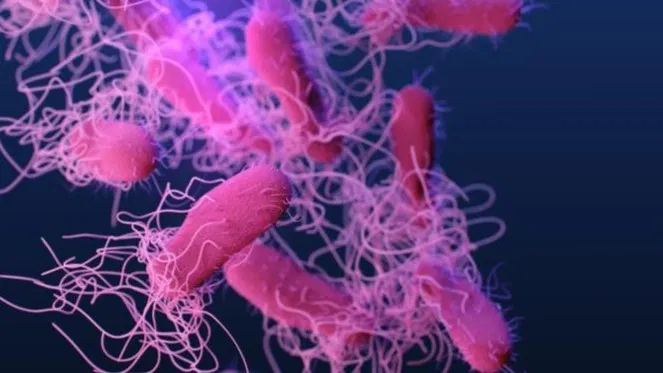
An egg recall might sound alarming, but it is actually one of the most important food-safety tools the U.S. Food and Drug Administration (FDA) has. When regulators flag a carton of eggs with a "Class I" recall, they are issuing the strongest warning in their system—a determination that the product could cause serious health consequences or even death. Most egg recalls trace back to a single, invisible intruder: Salmonella, a group of bacteria that the Centers for Disease Control and Prevention (CDC) estimate cause about 1.35 million infections in the United States every year. Understanding how egg recalls work, what triggers them, and what to do if your carton is affected can help you keep your kitchen safe.
What an Egg Recall Is—and Why a "Class I" Label Matters
A recall is an action a company takes to remove a product from the market. According to the FDA, recalls can be conducted on a firm's own initiative, at the FDA's request, or by FDA order under statutory authority. Egg recalls are almost always voluntary—the producer or distributor agrees to pull the product once contamination is discovered.
The FDA then assigns every recall a classification that tells the public how serious the risk is:
- Class I: a reasonable probability that use of, or exposure to, the product will cause serious adverse health consequences or death. This is the category most Salmonella-contaminated eggs fall into.
- Class II: the product may cause temporary or medically reversible health problems, with only a remote probability of serious harm.
- Class III: the product is not likely to cause any adverse health consequences.
There is also a separate category called a "market withdrawal," used for minor violations—such as a labeling problem—that would not be subject to FDA legal action. When you see "Class I egg recall" in the news, it means the eggs pose an immediate, potentially life-threatening risk, most often because they carry Salmonella.
How an Egg Recall Unfolds: From Henhouse to Store Shelves
Egg recalls don't happen overnight. They follow a step-by-step process led by public health agencies:
- Illnesses are detected. State and local health departments report cases to the CDC. Salmonella symptoms—diarrhea, fever, abdominal cramps, and vomiting—usually appear 12 to 72 hours after exposure and last 4 to 7 days.
- The cases are linked. Public health labs use whole-genome sequencing to confirm that sick people share the same Salmonella strain, which points to a common source.
- Investigators trace the eggs. Interviews with sick people identify eggs as a likely culprit, and traceback follows the cartons from stores back through distributors to a specific farm or facility.
- Facilities are inspected and tested. The FDA inspects the farm or plant and collects samples for laboratory testing.
- The recall is issued and classified. The company recalls the eggs—voluntarily, or at the FDA's request or order—and the recall is labeled Class I, II, or III based on the health risk.
- The public is notified. The FDA posts the recall with brand names, package sizes, "best by" dates, and plant or lot codes so shoppers can check their own cartons.
Why Eggs Are So Vulnerable to Salmonella
Eggs become contaminated with Salmonella most often through a process called vertical transmission. A hen whose ovaries or oviduct are infected with Salmonella Enteritidis can pass the bacteria directly into the egg before the shell even forms. That's why the FDA warns that even fresh eggs with clean, uncracked shells may occasionally contain Salmonella.
Ready-to-eat egg products face a different threat. Hard-boiled and other cooked egg items can be contaminated with Listeria monocytogenes, another dangerous pathogen. A well-known example is the Almark Foods hard-boiled egg recall that began in December 2019 and rippled into January 2020, when multiple companies—including Meijer and others—pulled hard-boiled eggs and foods containing them because of potential Listeria contamination.
The FDA has worked to reduce egg-related illness for years. Its Egg Safety Final Rule requires preventive measures during egg production and refrigeration during storage and transportation. The agency estimates the rule prevents about 79,000 cases of foodborne illness and 30 deaths each year caused by Salmonella Enteritidis, and that the measures cut egg-related Salmonella infections by nearly 60 percent. The rule applies to virtually all producers with 3,000 or more laying hens whose shell eggs are not pasteurized.
What to Do If Your Eggs Are on the Recall List
If you learn your eggs are part of a recall, act quickly but calmly:
- Don't eat them. Check the recall notice for the exact brand, carton size, "sell by" or "best by" dates, and the plant number or lot code printed on the carton.
- Return or discard them. Take recalled eggs back to the store for a refund, or throw them away. Do not donate them or give them away.
- Clean up. Wash hands, utensils, countertops, and anything else that touched the raw eggs with hot, soapy water.
- Watch for symptoms. If you or a family member develops diarrhea, fever, stomach cramps, or vomiting—especially within 12 to 72 hours after eating eggs—contact a healthcare provider. Seek care promptly if symptoms are severe or if you are in a high-risk group: children, older adults, pregnant women, or people with weakened immune systems.
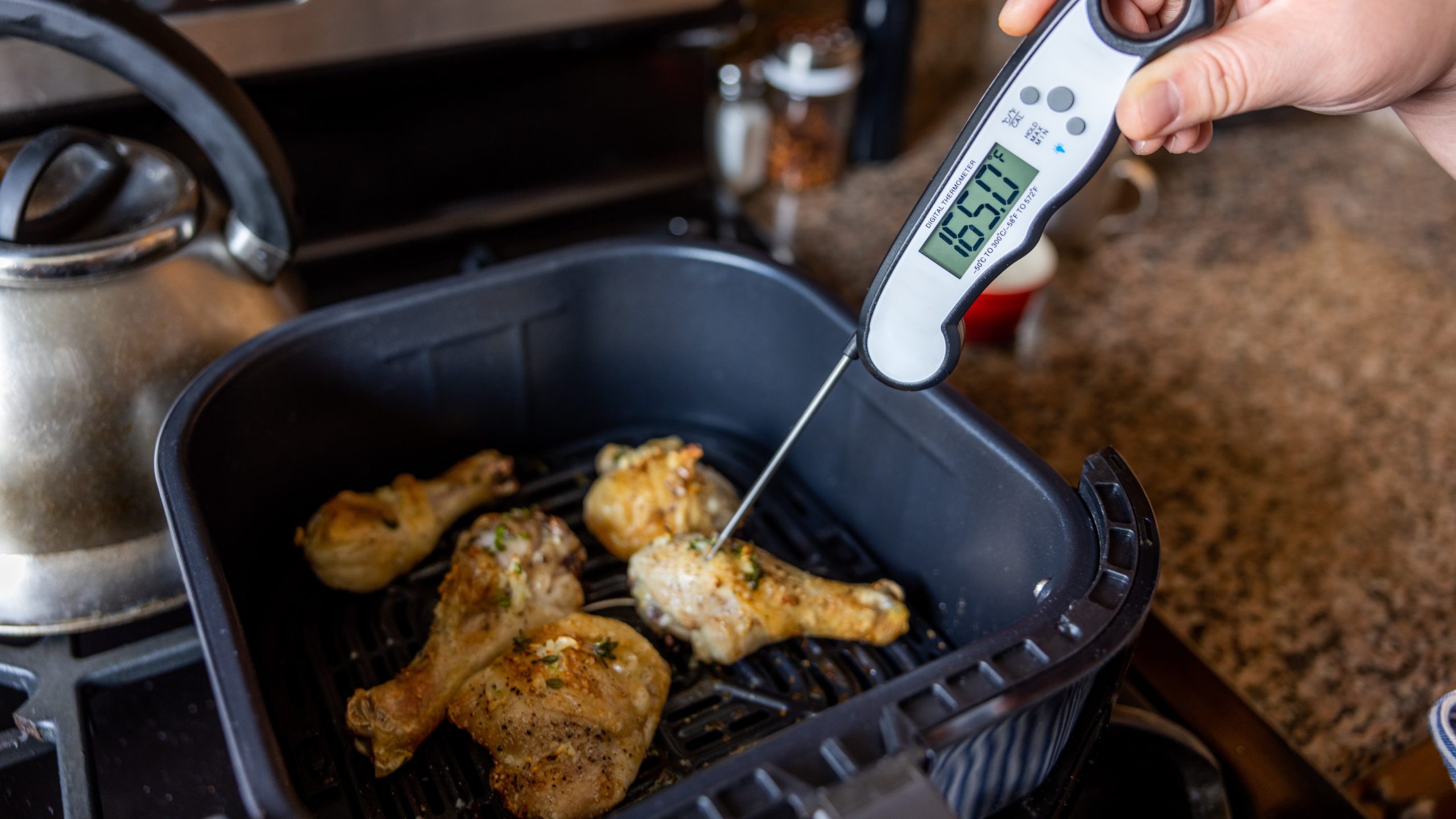
Safe habits also lower your risk every day: buy eggs only from a refrigerated case, check that the shells aren't cracked, store eggs at 40°F or below, cook until both the yolk and white are firm, cook casseroles to 160°F, and reheat cooked egg dishes to 165°F.
The Road Ahead: How Egg Safety Rules Aim to Prevent Recalls
Food-safety agencies continue to strengthen protections around eggs. The Egg Safety Rule's preventive measures—pest and rodent control, biosecurity, environmental testing, and cold storage—have already reduced egg-related Salmonella infections significantly. For consumers, the best protection remains simple: treat every egg as if it could carry bacteria, keep eggs cold, and cook them thoroughly. Checking FDA and CDC recall notices before you cook can also help you catch a recalled carton before it reaches your plate.
Key Takeaways: Egg Recalls at a Glance
- An egg recall removes potentially dangerous eggs from the market; a Class I recall signals a risk of serious illness or death.
- Salmonella is the leading cause of egg recalls—even clean, uncracked eggs can carry it.
- Salmonella symptoms (diarrhea, fever, cramps) appear 12–72 hours after exposure and usually last 4–7 days.
- If your eggs are recalled: don't eat them, return or discard them, and clean any surfaces they touched.
- Cook eggs until firm, casseroles to 160°F, reheat to 165°F, and refrigerate at 40°F or below.