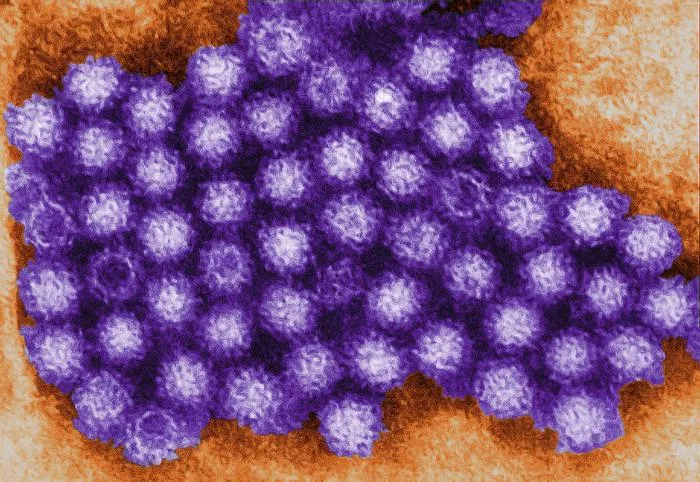
Norovirus is a highly contagious virus that causes sudden onset of vomiting and diarrhea, leading to an estimated 19 to 21 million illnesses each year in the United States alone. Often mistakenly called the "stomach flu," norovirus is the leading cause of acute gastroenteritis and foodborne illness nationwide. Unlike influenza, which attacks the respiratory system, norovirus targets the stomach and intestines, inflaming their lining and triggering symptoms that can range from uncomfortable to severe, especially in young children, older adults, and those with weakened immune systems.
Because the virus spreads easily through contaminated food, water, surfaces, and close contact with infected individuals, norovirus outbreaks are common in settings like schools, daycare centers, nursing homes, cruise ships, and restaurants. Understanding how norovirus operates, how it spreads, and what you can do to protect yourself is essential for staying healthy, particularly during peak season from November to April.
What Is Norovirus and How Does It Affect the Body?
Norovirus is a group of related viruses belonging to the Caliciviridae family. These single-stranded RNA viruses are extremely small — only about 27 to 38 nanometers in diameter — yet they pack a powerful punch. When a person ingests norovirus particles, the virus invades the cells lining the small intestine, causing inflammation known as acute gastroenteritis. This inflammation disrupts the normal absorption of fluids and nutrients, leading to the hallmark symptoms of vomiting and diarrhea.
There are multiple genotypes of norovirus, with the GII.4 strain historically being the most common. However, recent surveillance data from the CDC shows that the GII.17 genotype caused approximately 75% of norovirus outbreaks in the United States during the 2024–2025 season, a dramatic increase from less than 10% the previous year. Infection with one strain does not provide lasting immunity against other strains, which is why people can get norovirus multiple times throughout their lives.
Symptoms: What to Expect When You're Infected
The symptoms of norovirus typically appear suddenly, within 12 to 48 hours after exposure to the virus. Most people experience a combination of the following:
- Most common: Diarrhea, vomiting, nausea, and stomach pain or cramping
- Other possible symptoms: Fever, headache, and body aches
In most healthy individuals, the illness runs its course in one to three days. However, the intensity of symptoms can lead to significant fluid loss, making dehydration the primary health concern. Signs of dehydration include decreased urination, dry mouth and throat, feeling dizzy upon standing, crying with few or no tears, and unusual sleepiness or fussiness in children. Severe dehydration may require hospitalization for intravenous (IV) fluids.
How Norovirus Spreads: A Closer Look at Transmission
Norovirus is exceptionally contagious. According to the CDC, an infected person sheds billions of microscopic norovirus particles, and it takes fewer than 100 particles to make someone else sick. The virus spreads through several routes:
- Direct contact: Caring for someone who is sick, sharing food or utensils, or eating food handled by an infected person
- Contaminated food: Food can become contaminated when a person with norovirus touches it with bare hands, when it is placed on a surface that has virus particles on it, or when it is grown with contaminated water — oysters and other filter-feeding shellfish are common culprits
- Contaminated surfaces: Touching a doorknob, countertop, or other object that has the virus on it, and then putting your unwashed fingers in your mouth
- Airborne droplets: Tiny vomit particles from an infected person can spray through the air and land on surfaces or food
People infected with norovirus are most contagious while they are actively symptomatic and during the first few days after recovery. However, the virus can continue to be shed in stool for two weeks or more after symptoms resolve, meaning it is possible to spread the virus even after feeling better.

Who Is at the Highest Risk?
While anyone can contract norovirus, certain groups face a higher risk of severe illness and complications:
- Young children under the age of 5, especially those in daycare settings
- Older adults, particularly those in nursing homes or long-term care facilities
- People with weakened immune systems, including transplant recipients, cancer patients undergoing chemotherapy, and those with HIV
- Individuals who consume raw or undercooked shellfish, as oysters and other filter-feeders can concentrate the virus from contaminated water
Outbreaks are most common in enclosed or semi-enclosed environments. During the 2024–2025 season, the CDC reported 1,092 norovirus outbreaks through its NoroSTAT surveillance system, with cases peaking in early 2025. Cruise ships alone experienced 23 confirmed outbreaks in 2025, the highest annual total in over a decade.
Treatment: What Works and What Doesn't
There is no specific antiviral medication to treat norovirus. Antibiotics are ineffective because they target bacteria, not viruses. Treatment is entirely supportive, focusing on preventing dehydration and managing symptoms:
- Fluid replacement: Drinking plenty of water, clear broths, or oral rehydration solutions is critical. For mild dehydration, over-the-counter oral rehydration salts mixed with water are recommended by the World Health Organization and the American Academy of Pediatrics.
- Rest: Staying home and resting helps the body recover. Most people feel better within two to three days without medical intervention.
- Diet: Eat when you feel able, but avoid fatty, spicy, or sugary foods. Stick to bland items like crackers, toast, rice, and bananas. Avoid fruit juice and fizzy drinks, which can worsen diarrhea.
- Medication: Acetaminophen (paracetamol) can help with fever and body aches for adults and children, but aspirin should not be given to children under 16. Anti-diarrheal medications are not recommended for children under 12.
If signs of severe dehydration develop — such as inability to keep fluids down for 24 hours, bloody vomit or stool, severe abdominal pain, or dizziness upon standing — medical attention should be sought immediately. Severe dehydration may require intravenous fluids in a hospital setting.

Prevention: The Best Defense Against Norovirus
Because norovirus is so contagious and no vaccine currently exists, prevention relies heavily on good hygiene and safe food practices. The CDC emphasizes the following measures:
- Wash your hands thoroughly with soap and water for at least 20 seconds, especially after using the toilet, changing diapers, before eating, and before preparing food. Hand sanitizer alone is not effective against norovirus and should not be used as a substitute for handwashing.
- Cook shellfish thoroughly and wash fruits and vegetables before eating. Avoid raw or undercooked oysters and other shellfish.
- Clean and disinfect surfaces using a chlorine bleach solution or a disinfectant registered as effective against norovirus. Pay special attention to bathrooms, kitchen counters, and high-touch areas after someone has been sick.
- Wash laundry in hot water if it has been contaminated with vomit or stool.
- Stay home when sick and for at least 48 hours after symptoms stop. This is particularly important for food handlers, healthcare workers, and childcare providers.
- Do not prepare food or care for others while you are ill and for two days after symptoms subside.
Cleaning dishes and utensils in a dishwasher is one of the most reliable ways to prevent norovirus spread, as the high water temperature effectively kills the virus. If washing by hand, use hot water and soap, and rinse thoroughly.
Where Things Stand Now: Norovirus Activity Today
Norovirus circulates year-round but is most prevalent from November through April in the United States. The 2024–2025 season saw elevated activity, with the CDC reporting 1,092 outbreaks across participating NoroSTAT states between August 2024 and April 2025 — nearly double the number reported during the same period in the prior season. Wastewater surveillance also detected increasing levels of norovirus earlier in the 2025 season compared to previous years, suggesting ongoing community spread.
In the UK, the most commonly detected norovirus genotype during the 2024/2025 season was GII.17, aligning with trends seen in the United States. Health authorities continue to monitor genotype shifts, which can influence how easily the virus spreads and whether populations have preexisting immunity.

What's Next for Norovirus Research and Prevention
Scientists continue to work on several fronts to combat norovirus. Multiple vaccine candidates are in various stages of development, targeting the virus's outer protein shell to stimulate immunity. However, the genetic diversity of norovirus strains poses a significant challenge — a vaccine effective against one genotype may not protect against another. Researchers are also studying the virus's structure at near-atomic resolution using cryo-electron microscopy, which may reveal new vulnerabilities to target with antivirals.
In the meantime, public health officials emphasize that the most effective tools are already in our hands: rigorous hand hygiene, proper food handling, and staying home when sick. As norovirus activity remains elevated, these simple but powerful measures are the key to breaking the chain of transmission.
Key Takeaways About Norovirus
- Norovirus is a highly contagious virus that causes vomiting, diarrhea, and stomach pain — it is not related to influenza.
- Symptoms appear 12 to 48 hours after exposure and typically resolve within 1 to 3 days.
- The virus spreads through contaminated food, water, surfaces, and direct contact with infected individuals.
- There is no specific treatment; rehydration and rest are the cornerstones of recovery.
- Handwashing with soap and water is the most effective preventive measure — hand sanitizer does not work well against norovirus.
- Stay home for at least 48 hours after symptoms stop to avoid spreading the virus to others.
- Anyone can get norovirus multiple times due to the many different strains circulating.