The word "plague" surged back into global headlines in October 2026 after a 28-year-old laboratory worker at the Irkutsk Anti-Plague Research Institute in Siberia died of what infectious-disease experts suspect was pneumonic plague. Russian authorities initially attributed the death to a "pneumonia of undetermined origin," but nearly 200 people were placed under medical observation and the World Health Organization was drawn in to assess the risk. The episode has revived an old question for a new generation: what exactly is plague, how does the pneumonic form spread, and how dangerous is it today?
What Is Plague? The Bacteria Behind the Disease
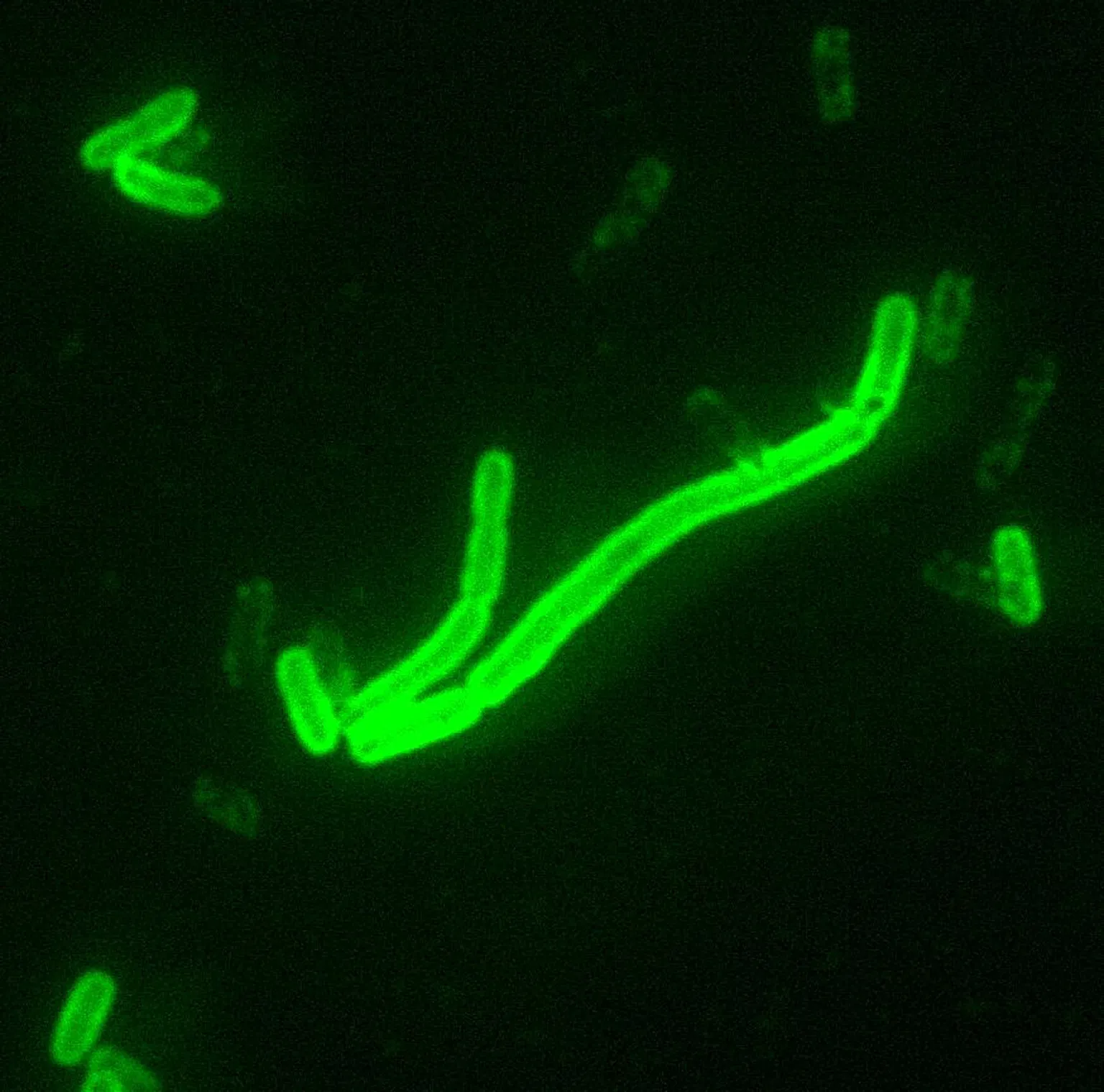
Plague is an infectious disease caused by Yersinia pestis, a rod-shaped, Gram-negative bacterium that circulates naturally among small mammals — most famously rats, squirrels and prairie dogs — and the fleas that feed on their blood. It is a zoonotic disease, meaning it lives in animal populations and only occasionally jumps to humans. According to the World Health Organization (WHO), the bacteria persist in stable natural reservoirs across the Americas, Africa and Eurasia, which is why plague has never been fully wiped out despite centuries of medical progress.
People can be infected in three main ways: through the bite of an infected flea, through direct contact with the tissues or body fluids of an infected animal, or — in the case of pneumonic plague — by breathing in respiratory droplets coughed out by an infected person or animal. This third route is what makes pneumonic plague uniquely alarming, because it is the only form of the disease that can spread directly from human to human.
Bubonic, Septicemic and Pneumonic: The Three Forms of Plague
Plague takes three main clinical forms depending on how the bacteria enter and travel through the body.
Bubonic plague is the most common and the most survivable form. After an infected flea bites, the bacteria travel to the nearest lymph node, which swells into a painfully enlarged lump called a bubo — usually in the groin, armpit or neck. Symptoms typically appear two to eight days after the bite and include sudden fever, chills, headache, weakness and nausea.
Septicemic plague occurs when the bacteria multiply directly in the bloodstream, either from a flea bite or as a complication of untreated bubonic plague. It can cause tissue to die and turn black — the origin of the name "Black Death" — as well as bleeding, shock and organ failure.
Pneumonic plague is the rarest but most dangerous form. It develops when the bacteria reach the lungs, either because a person inhaled infectious droplets or because bubonic or septicemic plague was left untreated and spread. It is the only form that can pass from person to person, and it can be fatal within about a day if antibiotics are not started quickly.
How Pneumonic Plague Spreads and What It Feels Like
Pneumonic plague spreads through respiratory droplets when an infected person coughs, sneezes or even talks closely with others. Because this requires close contact, outbreaks tend to be contained by isolating patients and treating their contacts — but the disease's speed is what makes it frightening. The incubation period can be as short as 24 hours, according to the WHO, and symptoms typically appear one to three days after infection.
Early symptoms resemble severe flu or pneumonia: fever, chills, headache, body aches, dizziness, weakness and fatigue, often accompanied by nausea. Within a day or so the illness attacks the lungs, producing a cough, chest pain and shortness of breath, and patients may cough up watery or bloody mucus. The disease can progress rapidly to respiratory failure and shock. Public health guidance is blunt: if antimicrobial treatment is not started within about 24 hours of the first symptoms, pneumonic plague is usually fatal.
Inside the Russia Case: What We Know So Far
The scare began in early October 2026, when local reports said a young worker at the Irkutsk Anti-Plague Research Institute of Siberia and the Far East — a facility dedicated to studying plague and other dangerous pathogens — fell ill and died. Local media identified her as Darya Shipilova, a 28-year-old employee. Officials in the Irkutsk region placed nearly 200 people under medical observation, with 189 reportedly hospitalized or isolated and 197 contacts identified.
Russian authorities have been cautious in their language, attributing the death to a "pneumonia of undetermined origin" and insisting there is no epidemic risk. Doctors and infectious-disease experts, however, have said they are investigating the possibility of pneumonic plague. The WHO said the risk outside the country is "very low" and that it had detected no sign of further spread. Russia later dismissed reports of a second possible case as "false information."
Timeline: How the Plague Scare Unfolded
- Late September 2026: A laboratory worker at the Irkutsk anti-plague institute becomes ill after a reported lab incident.
- 2 October 2026: A possible fatal case of pneumonia of unknown origin — suspected by some to be pneumonic plague — is reported in the Irkutsk region.
- 4–5 October 2026: News breaks internationally; Reuters reports dozens quarantined and local media name the worker as Darya Shipilova.
- 6 October 2026: The WHO says the risk outside Russia is "very low," while Russia's health watchdog says there is no epidemic risk and it is winding down its response.
- 8 October 2026: Russia dismisses reports of a second plague case as "false information."
Treatment and Prevention: How Plague Is Controlled Today
Despite its fearsome reputation, plague is a bacterial infection that modern antibiotics can treat effectively — provided they are started early. Doctors typically prescribe aminoglycosides such as streptomycin or gentamicin, or fluoroquinolones such as ciprofloxacin and levofloxacin, for 10 to 14 days. In the United States, gentamicin and fluoroquinolones are the recommended first-line treatments. Close contacts of someone with pneumonic plague are often given preventive antibiotics before they develop symptoms.
There is no widely available vaccine for plague, so prevention relies on controlling exposure. That means reducing rodent habitat around homes and workplaces, avoiding contact with wild rodents, using insect repellent in areas where fleas are common, and keeping pets flea-free. For laboratory workers who handle Yersinia pestis, strict biosafety protocols and protective equipment are the first line of defense — which is why suspected lab-acquired cases like the one in Irkutsk are treated with such urgency.
A Disease With a Long Shadow: Plague Through History
Plague has shaped human history more than almost any other disease. Historians and epidemiologists generally recognize three great pandemics: the Plague of Justinian, which began around 541 CE and killed an estimated 25 to 100 million people; the Black Death, which swept through Europe between 1347 and 1351 and killed roughly a third of the continent — about 25 million people; and the third pandemic, which began in China in the 1890s and spread globally through shipping routes.
Russia has its own painful chapter. The 1770–1772 Russian plague — sometimes called the Plague of Moscow — was the last massive outbreak of bubonic plague in central Russia, killing tens of thousands in Moscow alone and triggering the Plague Riot of 1771. That history is part of why the modern Irkutsk scare, involving an anti-plague institute, has resonated so strongly.
Plague Today: Rare but Never Gone
Plague is now rare in most of the world, but it has not disappeared. The WHO reports 1,000 to 2,000 cases globally each year, concentrated in the Democratic Republic of the Congo, Madagascar and Peru. Between 2010 and 2015, there were 3,248 reported cases and 584 deaths worldwide. In the United States, about seven cases are reported each year, mostly in the rural Southwest. Because the bacteria persist in wild rodent populations, sporadic human cases — and even small outbreaks — are expected to continue, especially where people live close to natural reservoirs.
Key Takeaways: Plague in Perspective
- Plague is caused by Yersinia pestis bacteria carried by rodents and their fleas.
- It comes in three forms — bubonic, septicemic and pneumonic — and only pneumonic plague spreads person to person.
- Pneumonic plague can kill within about 24 hours if untreated, but antibiotics are highly effective when given early.
- The Russia case involves a suspected, not confirmed, infection, and both Russia and the WHO say the wider risk is low.
- Plague still causes 1,000–2,000 cases a year, mainly in Africa, but it is treatable and preventable.