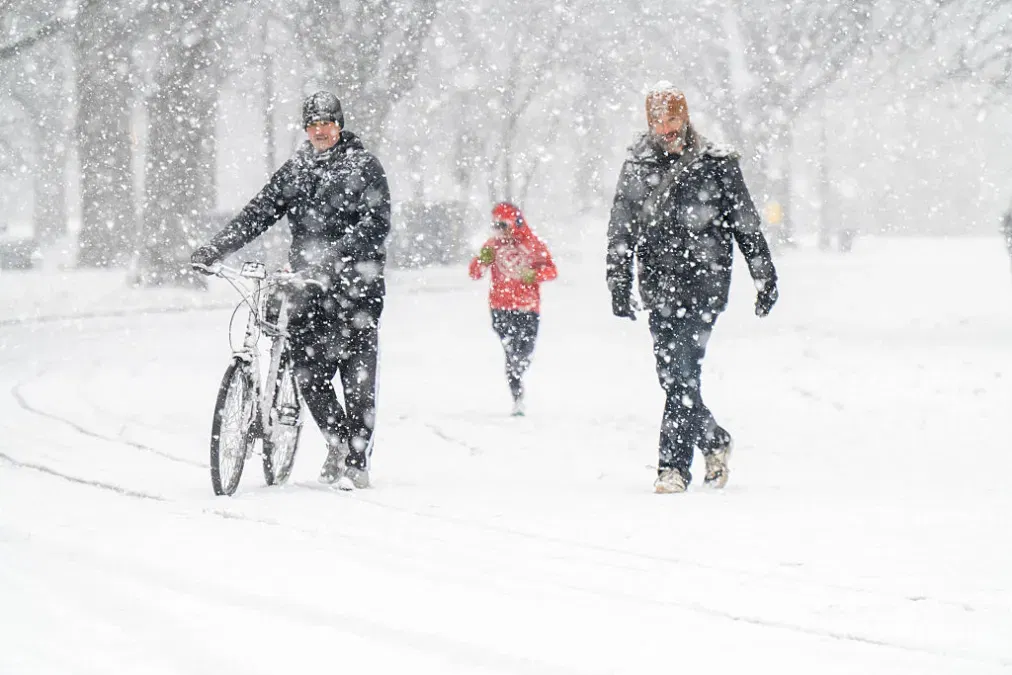
As an Arctic blast plunged temperatures to dangerous lows across much of the United States in January 2025, over 95 million Americans found themselves under cold weather alerts. From the northern Plains where wind chills reached -50°F to the Southeast facing rare winter storms, extreme cold warnings became a critical lifeline for communities unprepared for such severe conditions. Understanding what these warnings mean and how to respond can literally mean the difference between life and death when temperatures plummet to dangerous levels.
How Extreme Cold Warnings Work: The National Weather Service System
The National Weather Service issues extreme cold warnings when either temperatures or wind chills are expected to fall to or below 5 degrees Fahrenheit within the next 12 to 24 hours. According to NWS criteria, these warnings signal "extremely dangerous cold conditions or wind chill values are expected or occurring." The system represents the highest level of cold weather alert, indicating life-threatening conditions that require immediate action.
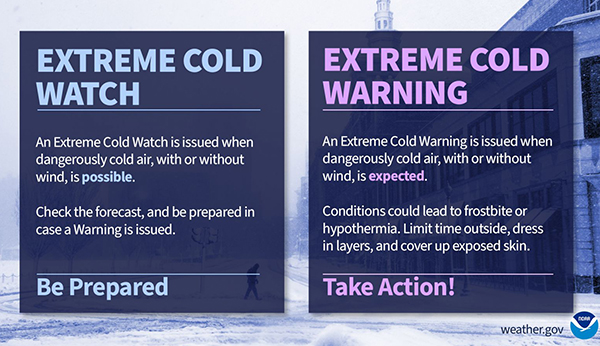
There's a specific hierarchy to cold weather alerts that helps people understand the severity and timing of threats. An Extreme Cold Watch means conditions are favorable for dangerous cold within the next 48 hours, giving people time to prepare. An Extreme Cold Warning (which replaced the Wind Chill Warning in recent years) indicates dangerous conditions are expected within 24 hours and require immediate protective action. A Cold Weather Advisory signals less severe but still hazardous conditions that could pose risks, especially for vulnerable populations.
Timeline: The January 2025 Arctic Outbreak That Tested the System
The extreme cold event that began on January 18, 2025, provided a real-world test of the warning system. The Arctic airmass first spilled south across the Plains, with North Dakota, Minnesota, and Wisconsin experiencing wind chills as low as -50°F. By January 19, the cold front pushed into the Southeast, bringing rare winter storm conditions to areas from Texas to Alabama. On January 22, extreme cold warnings remained in effect across Washington DC, Ohio, Pennsylvania, and multiple southern states as the system continued to affect over 75% of the United States.
What made this event particularly dangerous was its duration—multiple days of sub-zero temperatures and wind chills as low as -35°F in the Midwest. The National Weather Service in Chicago warned that these conditions could cause frostbite on exposed skin in as little as 10 minutes. Meanwhile, southern states like Alabama issued their own extreme cold warnings as temperatures plunged below freezing in regions unaccustomed to such conditions.
Why Extreme Cold Warnings Matter: Understanding the Real Dangers
Extreme cold presents several simultaneous threats that make these warnings so critical. Hypothermia occurs when the body's core temperature drops below 95°F, and it can develop even in temperatures above freezing if someone is wet or inadequately dressed. "If you're shivering for 10 or 15 minutes, that is a warning sign that you are maybe losing the battle there and your core temperature is starting to decrease," explains cold weather safety expert Dr. Gordon Giesbrecht.
Frostbite represents another immediate danger, with the first sign being numbness in extremities. "You feel numb because your nerves and receptors are so cold they're not working properly," says Giesbrecht. At wind chills of -35°F, frostbite can occur in as little as 10 minutes on exposed skin. Perhaps surprisingly, injuries from slipping on ice are actually more common than either hypothermia or frostbite during cold waves, emphasizing the need for cautious movement outdoors.
Current Status: Where Extreme Cold Warnings Are Most Critical
While the January 2025 event has passed, the systems that trigger extreme cold warnings remain actively monitored year-round. The National Weather Service continuously updates criteria based on regional vulnerabilities—what constitutes extreme cold in Florida differs significantly from Minnesota. Currently, most regions have established thresholds that trigger warnings, typically ranging from -10°F to -35°F wind chills depending on local acclimatization and infrastructure.
The warning system has evolved to be more intuitive, replacing technical terms like "wind chill warning" with the more understandable "extreme cold warning." This change reflects an understanding that people need clear, actionable information rather than meteorological jargon when making safety decisions.
What Happens Next: How to Prepare for Future Extreme Cold Events
Preparation begins long before any warning is issued. Home preparation includes ensuring heating systems are inspected by professionals, installing carbon monoxide detectors (especially important when using alternative heating sources), and insulating pipes to prevent freezing. Personal preparation involves assembling an emergency kit with blankets, non-perishable food, water, medications, and battery-powered devices.
When a warning is issued, specific actions become crucial: dress in multiple loose layers (tight clothing actually reduces insulation), cover all exposed skin, limit time outdoors especially during morning and evening hours, and check on vulnerable neighbors. Critically, avoid using ovens or camp stoves for heating indoors due to carbon monoxide risks, and always plug space heaters directly into wall outlets rather than extension cords.
The Bottom Line: Key Points to Remember About Extreme Cold Warnings
• Extreme cold warnings signal life-threatening conditions, typically when temperatures or wind chills fall to or below 5°F within 24 hours
• The January 2025 Arctic outbreak affected over 95 million Americans, demonstrating the widespread impact of such events
• Frostbite can occur in as little as 10 minutes at -35°F wind chills, while hypothermia develops when core body temperature drops below 95°F
• Preparation includes home heating system maintenance, emergency kits, and knowledge of proper layering techniques
• During warnings, limit outdoor exposure, dress in loose layers, and never use unsafe heating methods indoors
Understanding extreme cold warnings isn't just about meteorology—it's about recognizing when conditions become dangerous enough to change daily routines and take protective actions. As climate patterns continue to evolve, bringing more frequent and severe weather extremes, this knowledge becomes increasingly essential for personal and community safety.