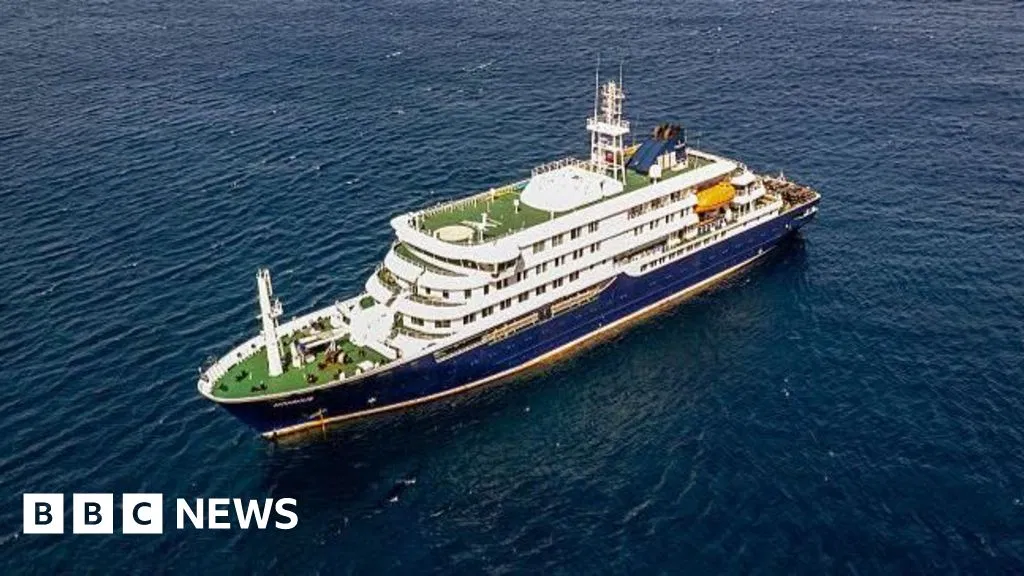
A deadly outbreak of hantavirus aboard a cruise ship off the coast of West Africa has brought global attention to this rare but severe viral disease. With three passengers dead and several others hospitalized, health officials are racing to understand how the infection spread and what risks it poses to the broader public. As the MV Hondius remains stranded near Cape Verde, here is what you need to know about hantavirus, how it spreads, its symptoms, and how it is treated.
What Is Hantavirus? A Rare but Deadly Infection
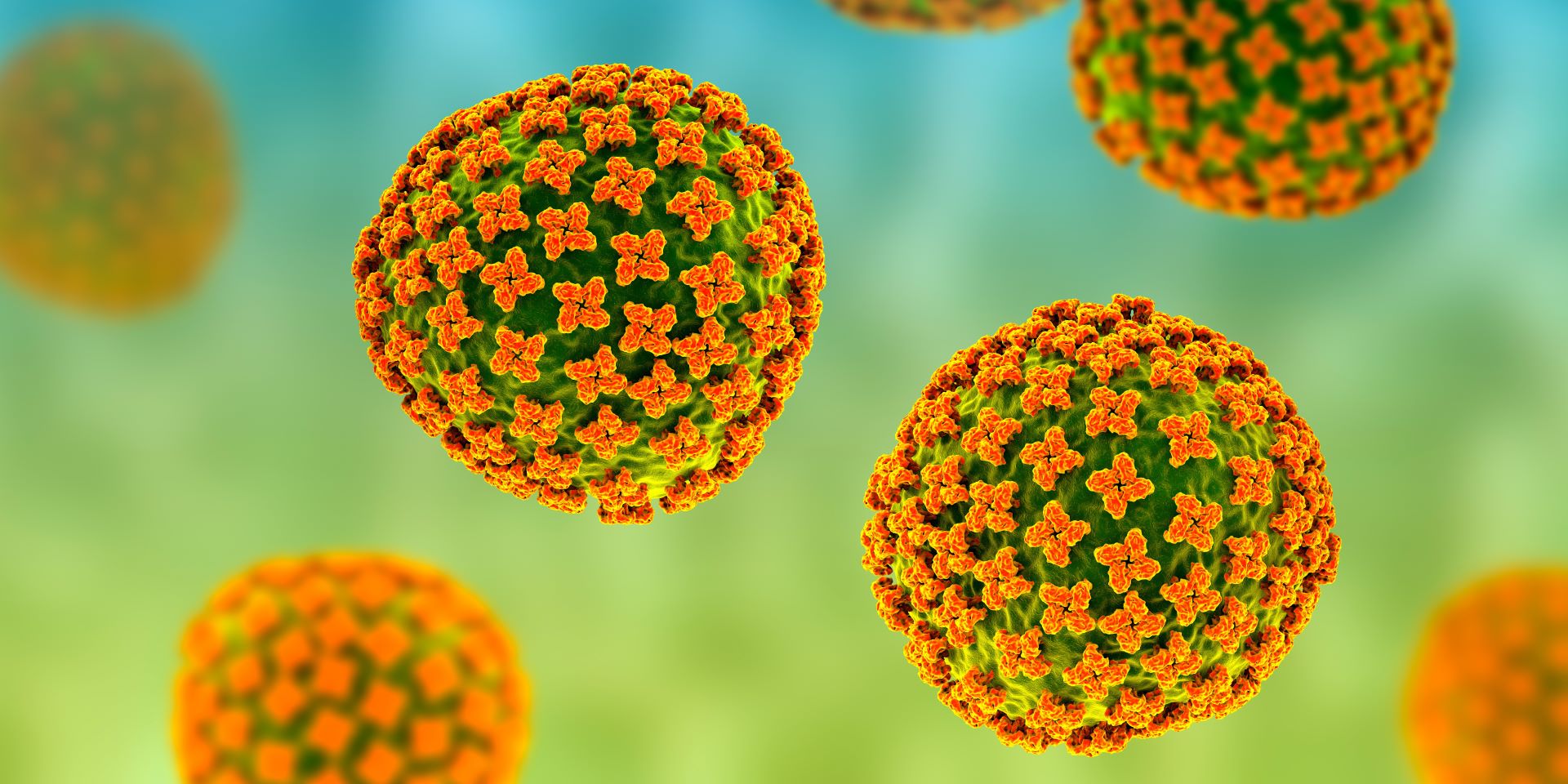
Hantaviruses are a family of viruses that can cause serious and sometimes fatal illness in humans. These viruses are primarily transmitted from rodents to people, making them a zoonotic disease. While hantaviruses have been known to science since the Korean War in the 1950s—and were officially classified by the World Health Organization in 1987—they remain uncommon in humans.
There are two major subgroups of hantaviruses. "New World" hantaviruses, found in the Americas, cause hantavirus pulmonary syndrome (HPS), which attacks the lungs. "Old World" hantaviruses, found primarily in Europe and Asia, cause hemorrhagic fever with renal syndrome (HFRS), which affects the kidneys. The strain involved in the current cruise ship outbreak is the Andes virus, a New World hantavirus found predominantly in South America, which is also one of the only strains documented to have the potential for rare human-to-human transmission.
How the Cruise Ship Outbreak Unfolded
The Dutch-flagged MV Hondius was traveling across the Atlantic Ocean when passengers began falling ill with severe respiratory symptoms. On May 2, 2026, a cluster of cases was reported to the World Health Organization. Three people have died, including an elderly married couple. According to the BBC, three patients with suspected hantavirus infections required evacuation to the Netherlands for medical treatment.
The ship, carrying nearly 150 passengers and crew—including 17 Americans—has been held off the coast of Cape Verde as health authorities investigate. On May 6, Spanish officials agreed to allow the ship to dock in the Canary Islands, where passengers will be screened and provided medical care. The WHO has confirmed that the Andes strain of hantavirus is involved, raising concerns because this strain can, in rare circumstances, spread between humans through close contact.
How Hantavirus Spreads: Rodents to Humans
Hantavirus is almost exclusively transmitted from rodents to humans. People become infected when they inhale aerosolized particles from the urine, droppings, or saliva of infected rodents. "Rats jump on ships or are carried onto them in cargo, they poop and pee, air currents aerosolize it, carry it, and it can get in the lungs, causing serious pulmonary illness," explained Dr. John Lednicky, a research professor at the University of Florida College of Public Health and Health Professions.
Transmission can also occur through a rodent bite or scratch, but this is rare. The virus does not spread through casual contact like influenza or COVID-19. "There is no concrete evidence that there is human-to-human transmission for most hantaviruses," said Dr. Safder Ganaie, assistant professor at the UF College of Medicine. "It's not nearly as airborne as influenza or other common respiratory viruses."
The Andes strain, however, is an exception. The WHO and health officials are investigating whether limited human-to-human transmission may have occurred among close contacts on the ship, such as between family members or cabin mates. "Human-to-human transmission of killer hantavirus suspected in cruise ship outbreak," reported CBC News, citing WHO officials who noted that while such transmission is uncommon, it has been documented in previous Andes virus outbreaks in South America.

Symptoms: From Flu-Like to Life-Threatening
Hantavirus symptoms typically appear 1 to 8 weeks after exposure. The early stage mimics the flu: fever, fatigue, muscle aches (especially in the thighs, hips, and back), headache, dizziness, chills, and abdominal issues like nausea, vomiting, and diarrhea. "The symptoms are very non-specific, especially in the beginning," said Dr. Amy Vittor, an associate professor of infectious disease at the University of Florida.
What makes hantavirus so dangerous is its rapid progression. Four to 10 days after the initial phase, late-stage symptoms appear: coughing, shortness of breath, and chest tightness as the lungs fill with fluid. The disease can progress to respiratory failure within hours. According to the CDC, 38% of people who develop respiratory symptoms from HPS die from the disease. For New World strains like Andes virus, the fatality rate can reach up to 50% without advanced medical intervention.
Diagnosis and Treatment
Diagnosing hantavirus in the first 72 hours is challenging because early symptoms are easily confused with influenza. Blood tests can detect antibodies or viral genetic material, but results may take days to weeks. Anyone who suspects exposure to rodents and develops symptoms should seek immediate medical attention and mention potential rodent contact.
There is no specific antiviral treatment approved for hantavirus in the United States. Care is supportive. For severe HPS cases, the most effective intervention is ECMO (extracorporeal membrane oxygenation), which temporarily takes over heart and lung function. "This decreases mortality from 50% down to 20%," Dr. Vittor explained. ECMO, however, requires a well-resourced intensive care unit and is not available everywhere.
Other supportive measures include oxygen therapy, intubation for breathing support, and dialysis for patients with HFRS who experience kidney failure. Doctors must carefully manage fluid levels, as over-administration of fluids can cause fluid buildup in the lungs. Steroids are not recommended as they can disrupt the immune response needed to fight the infection.
Prevention: Reducing Rodent Contact
Since hantavirus is spread by rodents, prevention focuses on minimizing contact with mice and rats. The CDC recommends sealing holes and gaps in homes and garages, placing traps to reduce rodent populations, and eliminating food sources that attract rodents. When cleaning areas with potential rodent contamination, experts warn against sweeping or vacuuming, which can aerosolize the virus. Instead, wet cleaning methods should be used.
On cruise ships and other vessels, prevention involves strict rodent control measures, regular inspections of cargo and supplies, and proper ventilation systems. The current outbreak has prompted renewed scrutiny of rodent control protocols in the maritime industry.
Where Things Stand Now
The MV Hondius is expected to dock at the Canary Islands, where Spanish authorities have prepared medical facilities to screen and treat passengers. The WHO continues to monitor the situation and has emphasized that the risk to the general public remains low. In 2025, eight countries in the Americas reported 229 hantavirus cases and 59 deaths—a case fatality rate of 25.7%.
Health officials are also investigating whether the Andes virus strain involved in this outbreak may have spread through human-to-human contact on the ship, which would be unusual but not unprecedented. "We are looking very carefully at the epidemiological data," said Dr. Maria Van Kerkhove, WHO director of epidemic and pandemic preparedness, in comments reported by CBC News.
Key Takeaways
- Hantavirus is a rare, rodent-borne virus causing severe respiratory or kidney disease
- Transmission is primarily through inhaling aerosolized rodent urine, droppings, or saliva
- The Andes strain involved in the cruise ship outbreak can rarely spread between humans
- Early symptoms (fever, muscle aches, fatigue) are easily mistaken for flu
- HPS progresses rapidly and has a 38% mortality rate; advanced life support like ECMO significantly improves survival
- No approved antiviral treatment exists; care is supportive
- Prevention means avoiding contact with rodents and their droppings