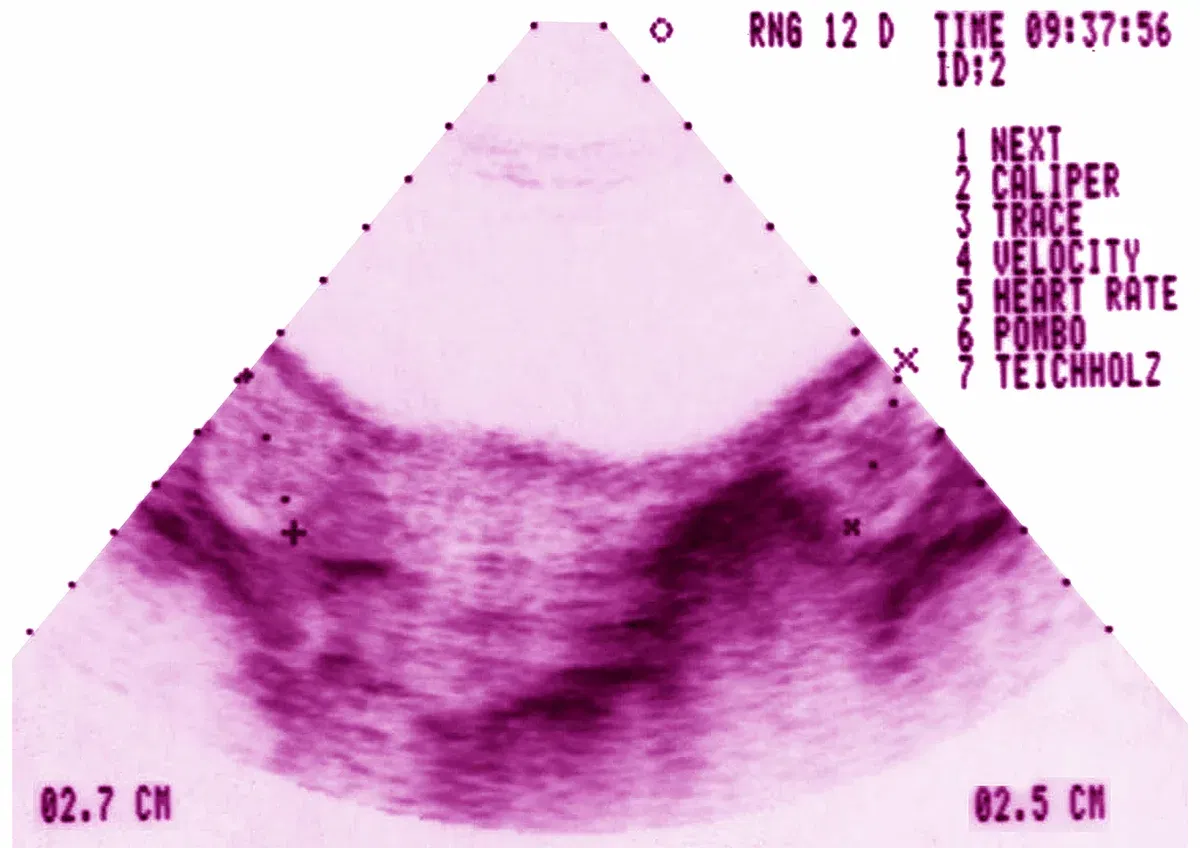
If you've come across the term "PMOS" recently and wondered what it means, you're not alone. Polycystic ovary syndrome (PCOS) — one of the most common hormonal conditions affecting people worldwide — has officially been renamed. After more than a decade of research, debate, and input from thousands of patients and clinicians, the condition is now called polyendocrine metabolic ovarian syndrome (PMOS). Here’s everything you need to know about what changed, why, and what it means for the millions of people living with the condition.
Why Scientists Renamed PCOS to PMOS
On May 12, 2026, a global science consortium published a landmark policy paper in The Lancet announcing that the term “polycystic ovary syndrome” would be replaced. The decision came after 11 years of research that included surveys from over 22,000 people — patients, healthcare professionals, and researchers — who overwhelmingly supported a name change.
The core problem with the old name was simple: it was inaccurate. Despite the term “polycystic ovaries,” many individuals diagnosed with the condition do not actually have ovarian cysts. The name focused exclusively on the ovaries and reproduction, while the condition is actually a multisystem disorder affecting hormones, metabolism, the cardiovascular system, and mental health.

“For too long, the narrow definition of PCOS has overlooked its metabolic and hormonal complexity, leaving many patients undiagnosed or misunderstood,” said Dr. Melanie Cree, a pediatric endocrinologist at the University of Colorado Anschutz Medical Campus who was one of the U.S. leaders involved in the renaming effort.
Timeline: How the PCOS-to-PMOS Renaming Unfolded
The journey to rename PCOS was a long one. Here are the key milestones:
- Early 2000s: Clinicians and researchers first begin questioning whether “polycystic ovary syndrome” accurately describes the condition.
- 2015: A formal effort to rename the condition begins, led by the Endocrine Society and international experts.
- 2015–2025: The consortium gathers input from over 22,000 patients and healthcare professionals through surveys and studies, with 86% of patients and 76% of health professionals supporting a name change.
- 2023: Survey results confirm that both patients and clinicians prefer a name that reflects the condition’s broad metabolic and endocrine effects.
- May 12, 2026: The new name — polyendocrine metabolic ovarian syndrome (PMOS) — is officially announced in The Lancet.
- 2026–2028: The consortium plans to work with the World Health Organization to update the International Classification of Diseases (ICD), with full international adoption expected by 2028.
What the New Name PMOS Means — And Why It Matters
The name PMOS was chosen carefully. Each part of the name reflects a key aspect of the condition:
- Polyendocrine — Recognizing that the condition involves multiple hormones (endocrine system) throughout the body, not just the ovaries.
- Metabolic — Acknowledging the strong metabolic impacts, including insulin resistance, obesity, type 2 diabetes risk, and cardiovascular complications.
- Ovarian — Retaining the role of the ovaries in the condition, without overemphasizing the reproductive aspects.
- Syndrome — Indicating that it is a collection of related symptoms rather than a single disease.
The Endocrine Society, which helped lead the renaming effort, called the change a crucial step toward improving diagnosis and care for the estimated 170 million people affected worldwide.

The name change is expected to reshape how the condition is diagnosed and treated by promoting earlier and more accurate diagnosis, supporting more holistic patient-centered care, reducing stigma associated with fertility-focused terminology, and expanding research into metabolic and systemic impacts.
“Language matters in medicine,” Dr. Cree explained. “The previous name often led to misconceptions and stigma, particularly around fertility. This change helps shift the conversation toward overall health rather than a single aspect of the condition.”
Common Symptoms of PMOS (Formerly PCOS)
PMOS symptoms can vary significantly from person to person and may change over time. According to the World Health Organization, possible symptoms include:
- Irregular, heavy, long, unpredictable, or absent menstrual periods
- Infertility or difficulty getting pregnant
- Acne or oily skin
- Excessive hair growth on the face or body (hirsutism)
- Male-pattern baldness or hair thinning on the scalp
- Weight gain, especially around the abdomen
- Skin tags or darkening of the skin
People with PMOS also face higher risks for other health conditions, including type 2 diabetes, high blood pressure, high cholesterol, heart disease, and endometrial cancer. The condition can also contribute to anxiety, depression, and negative body image due to symptoms such as infertility, obesity, and unwanted hair growth.
What Causes PMOS?
The exact cause of PMOS is not fully understood, but it is believed to involve a combination of genetic and environmental factors. Key contributing factors include:
- Insulin resistance: The body's cells don't respond properly to insulin, causing the pancreas to produce more insulin. High insulin levels can trigger the ovaries to produce more androgens (male hormones).
- Hormonal imbalances: Inappropriate hormonal signaling leads to higher-than-normal androgen levels and other imbalances that disrupt ovulation and cause other symptoms.
- Genetics: PMOS tends to run in families. Women with a family history of PMOS or type 2 diabetes are at higher risk.
- Inflammation: Low-grade chronic inflammation may also play a role in the development of the condition.
Importantly, researchers have found that PMOS likely affects men too, though it is diagnosed far less frequently in them. This is one of the key reasons the old name was seen as overly narrow.
Treatment Options for PMOS
While there is no cure for PMOS, symptoms can be managed effectively through a combination of lifestyle changes and medical treatments. Importantly, there is currently no FDA-approved therapeutic specifically for the condition, though researchers hope the name change will spur new drug development.
Common treatment approaches include:
- Lifestyle modifications: A healthy diet and regular exercise can help with weight management and reduce the risk of type 2 diabetes. Even modest weight loss can improve symptoms.
- Birth control medications: Hormonal contraceptives can help regulate menstrual cycles and reduce symptoms like acne and excess hair growth.
- Anti-androgen medications: These can reduce unwanted hair growth and acne.
- Fertility treatments: Medications like letrozole or clomiphene can stimulate ovulation. In-vitro fertilization (IVF) may also be an option.
- Metformin: A diabetes medication that can help with insulin resistance and may improve ovulation.
Where Things Stand Now
The name change was officially announced on May 12, 2026, and is already being adopted by major medical organizations and publications. The consortium behind the renaming is working with the WHO to update the International Classification of Diseases, which is expected to take approximately three years. This means PMOS could become the international medical standard by 2028.
Major health organizations, including the Endocrine Society, have already begun using the new terminology. Medical textbooks, clinical guidelines, and educational materials are being updated to reflect the change.
What This Means for the Future
Experts believe the renaming is far more than a cosmetic change. By moving beyond a narrow reproductive framing, PMOS is expected to usher in a new era of research, awareness, and improved patient outcomes. Researchers hope the name change will spark new studies into the condition’s genetic components and potential treatments.
“What makes this effort especially powerful is that it reflects the voices of thousands of patients and clinicians from around the world,” said Dr. Cree. “This renaming sets the foundation for meaningful change, from medical education to clinical guidelines to public awareness, and ultimately, better outcomes for patient care.”
Key Takeaways
- PCOS has been officially renamed to polyendocrine metabolic ovarian syndrome (PMOS) to better reflect the condition’s full scope.
- The renaming was supported by 22,000 survey respondents over 11 years of research.
- PMOS affects an estimated 170 million people worldwide, yet up to 70% remain undiagnosed.
- The new name emphasizes that PMOS is not just a reproductive disorder but a multisystem condition involving hormones, metabolism, and overall health.
- Full international adoption of the new terminology through the WHO is expected by 2028.