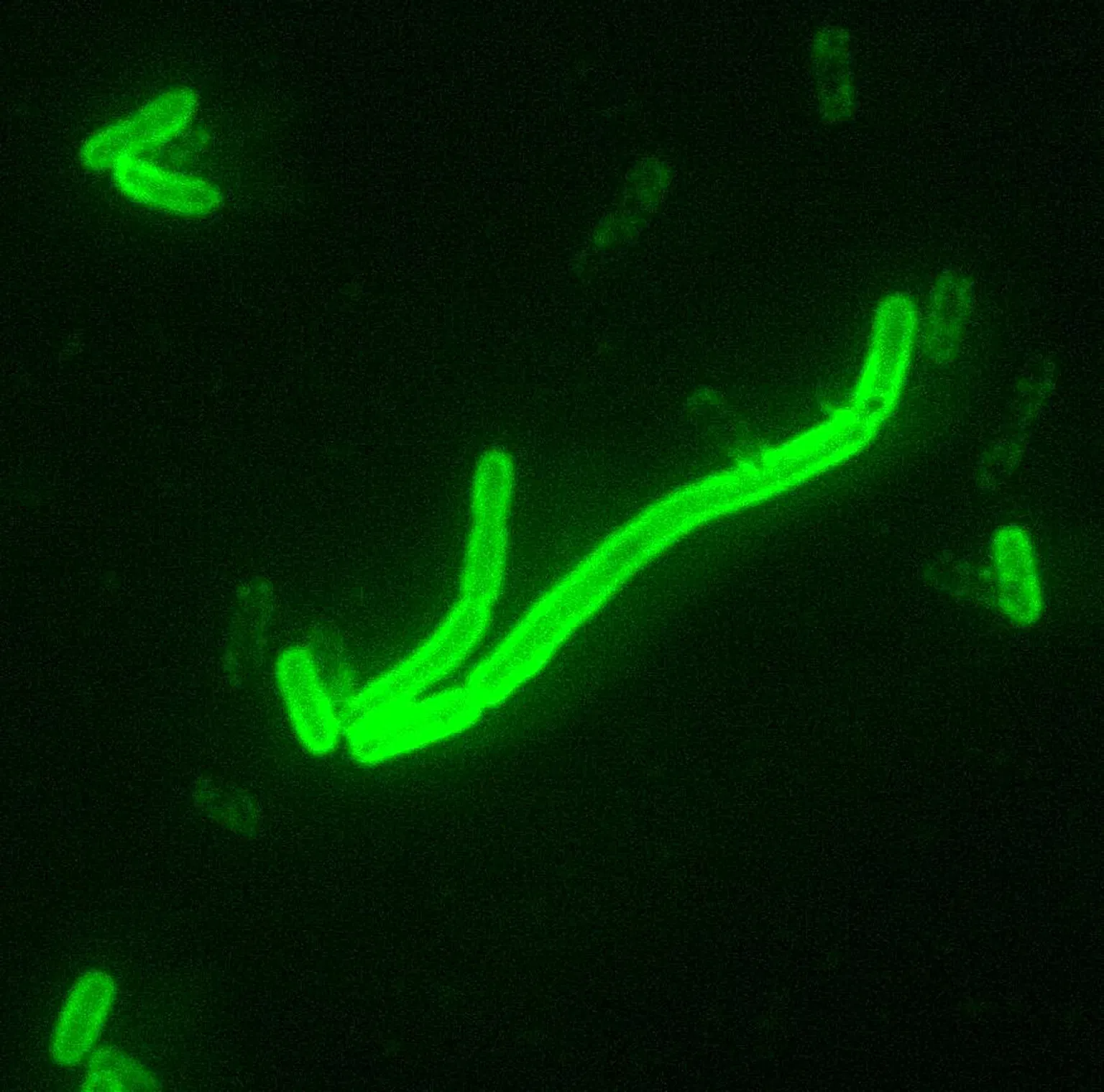
A researcher's death in a Siberian plague laboratory has pushed pneumonic plague — the most dangerous and only human-to-human transmissible form of the disease — back into global headlines. In early October 2026, Russian health authorities placed nearly 200 people under medical observation after a worker at the Irkutsk Anti-Plague Research Institute reportedly broke a test tube containing live Yersinia pestis bacteria and later died of a rapidly progressing pneumonia. The case has renewed attention on a centuries-old infection that, though rare today, remains one of the deadliest known pathogens when left untreated.
What Is Pneumonic Plague? The Deadliest Form of a Centuries-Old Disease
Pneumonic plague is a severe lung infection caused by the bacterium Yersinia pestis — the same microbe responsible for the bubonic plague of the Black Death. It is one of three main clinical forms of plague, alongside bubonic plague and septicemic (or septicaemic) plague.
- Bubonic plague, the most common form, causes painful, swollen lymph nodes called buboes and is typically spread by the bite of an infected flea.
- Septicemic plague occurs when the bacteria multiply directly in the bloodstream.
- Pneumonic plague occurs when Y. pestis infects the lungs, either after a person inhales the bacteria (primary pneumonic plague) or when untreated bubonic or septicemic plague spreads to the lungs (secondary pneumonic plague).
What sets pneumonic plague apart is its speed and its ability to pass from one person to another. Symptoms can appear within one to seven days of exposure — sometimes as quickly as 24 hours — and the disease is nearly always fatal without prompt treatment.
How Pneumonic Plague Spreads: From Fleas to Person-to-Person
In nature, Yersinia pestis cycles among wild rodents such as rats, squirrels, and prairie dogs, and it is usually passed to humans through the bite of an infected flea. But pneumonic plague takes a different and more dangerous route.
The disease can spread through face-to-face contact when an infected person coughs or sneezes, releasing respiratory droplets that contain the bacteria. If another person inhales those droplets, the bacteria can lodge directly in their lungs, causing primary pneumonic plague. This is the only form of plague that can spread from human to human, which is why health officials treat every suspected case as a potential public health emergency.
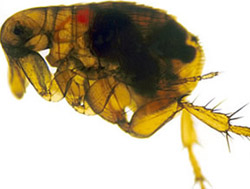
A person can also develop pneumonic plague secondarily, when an untreated flea-borne infection spreads from the lymph nodes or bloodstream into the lungs. Regardless of the route, the result is the same: a fast-moving pneumonia that can overwhelm the body within days.
Recognizing the Symptoms: What Pneumonic Plague Does to the Lungs
The early signs of pneumonic plague are often mistaken for the flu. According to the U.S. Centers for Disease Control and Prevention, patients typically develop:
- Sudden fever and chills
- Headache and body aches
- Weakness and fatigue
- Shortness of breath
- Chest pain
- A cough that may produce bloody or watery mucus
Within 24 hours of the first flu-like symptoms, the infection can progress to full pneumonia and, in severe cases, respiratory failure and shock. The World Health Organization notes that pneumonic plague has a case-fatality ratio of 30% to 100% if untreated — and that the pneumonic and septicemic forms are "invariably fatal unless treated early." That lethality is exactly why the Siberian lab case triggered such an aggressive response.
The Russia Case: How a Broken Test Tube Sparked a Quarantine
The outbreak began at a research institute in Irkutsk, a remote region of eastern Siberia that has long been home to anti-plague research facilities. According to media reports, a laboratory worker — identified in exile outlets as a woman in her late 20s — broke a test tube containing live Yersinia pestis around September 25, 2026. She later developed severe pneumonia of "unknown" origin and died.
Local authorities, including Alexei Tsydenov, head of the neighboring republic of Buryatia, confirmed the worker died from an unspecified form of plague. In response, nearly 200 people — including residents, colleagues, and contacts — were placed under medical observation, and Russian officials implemented what some reports described as "COVID-style" quarantine measures. The U.S. State Department said it was aware of the possible death and was monitoring the situation.
The incident highlights both the risks of working with live plague cultures and the speed with which pneumonic plague demands a public health response.
Treatment and Prevention: Why Early Antibiotics Are Critical
Despite its fearsome reputation, pneumonic plague is treatable — if caught early. Antibiotics are the cornerstone of care. First-line treatments include streptomycin and gentamicin, while doxycycline, ciprofloxacin, and levofloxacin are common alternatives. Because the disease progresses so quickly, treatment must begin as soon as pneumonic plague is suspected, often before laboratory confirmation.
People who have been in close contact with an infected person are typically given preventive (prophylactic) antibiotics, such as doxycycline or ciprofloxacin, for seven days after their last exposure. Supportive care — oxygen, intravenous fluids, and respiratory support — is also important for patients whose lungs are severely affected.
There is no widely available vaccine for plague in most countries. Prevention therefore relies on reducing contact with rodents and fleas, using insect repellent in areas where plague is present, and, in laboratory settings, strict biosafety protocols designed to prevent exposure to live bacteria.
The Bottom Line: Key Points to Remember
- Pneumonic plague is a lung infection caused by Yersinia pestis, the bacterium behind the Black Death.
- It is the only form of plague that spreads directly between people, through coughs and sneezes.
- Symptoms — fever, cough, chest pain, and bloody mucus — appear within one to seven days and can turn deadly within 24 hours.
- Untreated, pneumonic plague is nearly 100% fatal, but prompt antibiotics are highly effective.
- The 2026 Irkutsk lab case, in which a researcher died after a reported test-tube break, placed nearly 200 people under observation and shows why the disease remains a serious biosafety concern.