
Vibrio vulnificus is a type of bacteria that lives naturally in warm coastal waters, and it has earned a fearsome reputation as a "flesh-eating" pathogen. Found in higher concentrations from May through October when water temperatures rise, this bacterium is most prevalent in the Gulf of Mexico — including the waters off Louisiana — where it poses a serious health risk to swimmers, fishermen, and seafood lovers alike. Understanding what Vibrio vulnificus is, how it spreads, and how to protect yourself is essential, especially if you live in or visit coastal regions.
What Exactly Is Vibrio Vulnificus?
Vibrio vulnificus belongs to a family of bacteria called Vibrio, which includes about a dozen species known to cause illness in humans. These microorganisms are not the result of pollution or contamination — they are a natural part of the marine ecosystem. They thrive in salt water and brackish water, the mixture of fresh and salt water commonly found where rivers meet the ocean. Louisiana's extensive coastline, with its warm Gulf waters and numerous bays and estuaries, provides an ideal habitat for these bacteria.
The most common Vibrio species that cause illness in the United States are Vibrio parahaemolyticus, Vibrio vulnificus, and Vibrio alginolyticus. Among these, Vibrio vulnificus is by far the most dangerous. While many Vibrio infections result in relatively mild gastrointestinal symptoms, Vibrio vulnificus can trigger severe, rapidly progressing infections that turn fatal in a matter of days. The CDC estimates that about 80,000 cases of vibriosis occur in the United States each year, with roughly 52,000 of those cases linked to eating contaminated food — primarily raw or undercooked shellfish.
How Do People Get Infected? The Two Main Routes
There are two primary ways Vibrio vulnificus enters the human body, and understanding both is critical for prevention:
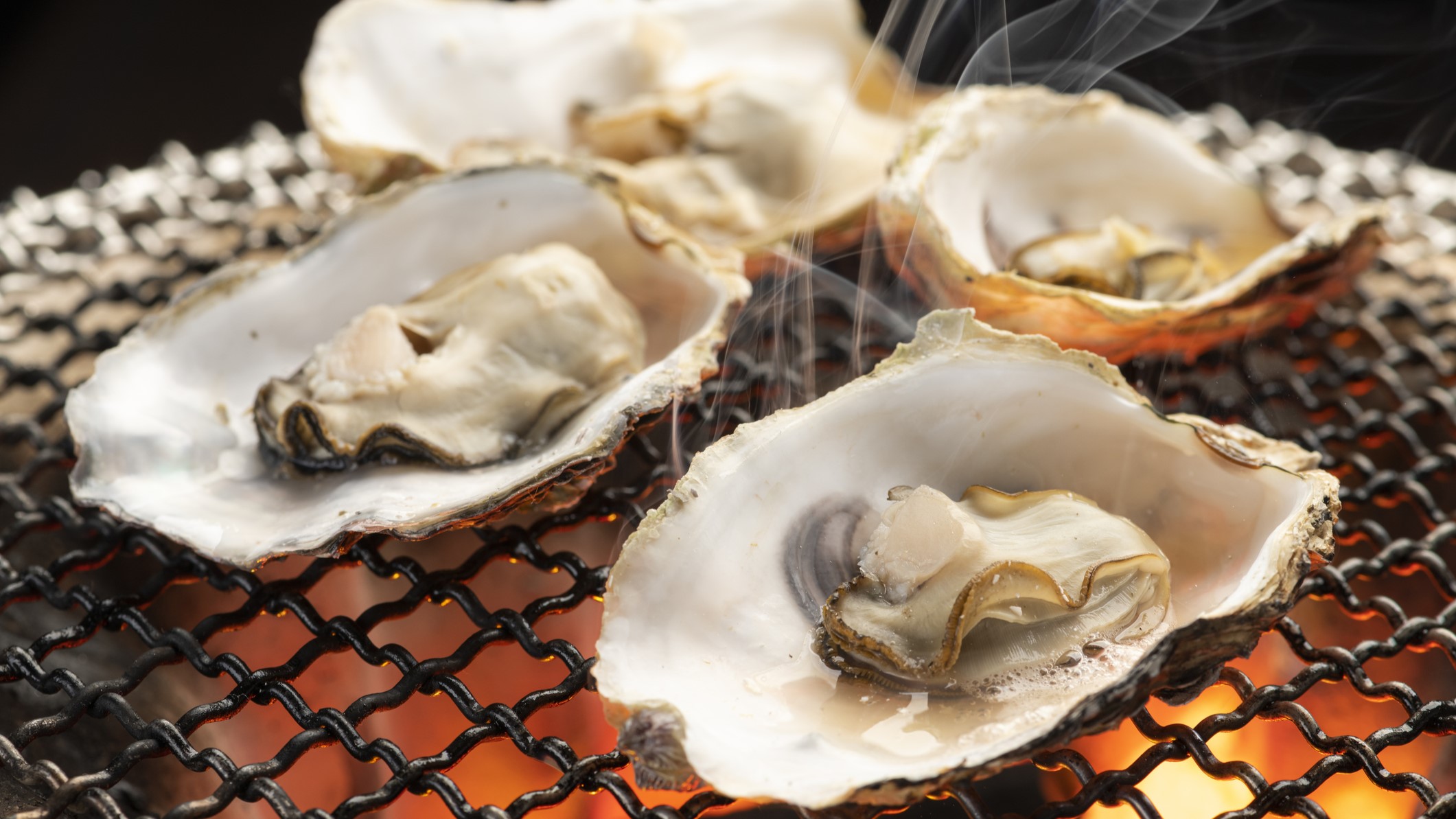
The first and most common route is through food. When people eat raw or undercooked shellfish — particularly oysters — they can ingest concentrated amounts of Vibrio bacteria. Oysters are filter feeders, meaning they pump large volumes of water through their bodies to extract nutrients. In doing so, they also concentrate any bacteria present in the water, including Vibrio vulnificus, within their tissues. A single raw oyster can contain enough bacteria to cause a life-threatening infection in a vulnerable person.
The second route is through open wounds. When someone with a cut, scrape, insect bite, or surgical wound enters coastal waters, Vibrio bacteria can enter the body directly through the break in the skin. This can also happen when handling raw seafood — the drippings or juices from raw shellfish or fish can infect cuts on the hands. Even seemingly minor wounds like a fresh tattoo, a blister, or a small scratch can serve as an entry point for the bacteria.
What makes this particularly concerning in Louisiana and along the Gulf Coast is that many people engage in activities that combine both risk factors — fishing, crabbing, shucking oysters, and swimming — sometimes with uncovered wounds they may not even notice.
Recognizing the Symptoms: What to Watch For
Symptoms of Vibrio vulnificus infection vary depending on how the bacteria entered the body, but they share one common characteristic: they worsen rapidly.
When the infection comes from eating contaminated seafood, symptoms typically begin within 24 hours and include watery diarrhea, stomach cramps, nausea, vomiting, fever, and chills. In most healthy people, this gastrointestinal illness resolves on its own. However, when Vibrio vulnificus enters the bloodstream — which is more likely in people with underlying health conditions — the situation becomes dire. Signs of a bloodstream infection include dangerously low blood pressure, high fever with chills, and blistering skin lesions that can appear anywhere on the body.
When the infection enters through a wound, the symptoms are localized but intense: redness, swelling, warmth, severe pain, and discoloration around the wound site, often accompanied by fever and a discharge of fluids. In the most severe cases, the bacteria can cause necrotizing fasciitis, a condition in which the flesh around the wound dies. This is why Vibrio vulnificus is often referred to in media reports as a "flesh-eating bacteria," though public health experts note that group A Streptococcus is more commonly responsible for necrotizing fasciitis in the United States.
The Cleveland Clinic emphasizes that symptoms get worse quickly. Anyone who develops these signs after eating raw seafood or exposing a wound to coastal waters should go to an emergency room immediately. Delaying treatment by even a few hours can be the difference between recovery and amputation — or between life and death.
Who Is Most at Risk?
Not everyone who encounters Vibrio vulnificus becomes seriously ill. For most healthy adults, the immune system can fight off a mild infection. However, certain groups face dramatically higher risks of severe illness and death. The CDC identifies the following as high-risk categories:
- People with liver disease, including cirrhosis, hepatitis, and chronic alcohol use
- Individuals with hemochromatosis, a condition causing excess iron in the blood that Vibrio bacteria thrive on
- Those with weakened immune systems from conditions like HIV/AIDS, cancer, or immunosuppressive medications
- People with diabetes
- Individuals taking medications that reduce stomach acid
For these individuals, the mortality rate from Vibrio vulnificus infection is staggering — about 1 in 5 people with the infection die, sometimes within 24 to 48 hours of becoming ill. Many survivors require intensive care or limb amputation to stop the spread of the infection. If you fall into any of these risk categories, avoiding raw shellfish entirely and protecting all wounds from seawater exposure is not just advisable — it is potentially life-saving.

How to Prevent Vibrio Vulnificus Infection
Prevention comes down to two straightforward rules: cook your seafood thoroughly and keep open wounds away from coastal waters. Here is what that means in practice.
For shellfish safety, the CDC provides specific cooking guidelines. Shellfish like oysters and clams should be boiled until the shells open, then boiled for an additional 3 to 5 minutes. Alternatively, add them to a steamer that is already steaming and cook for another 4 to 9 minutes. For shucked oysters, boil for at least 3 minutes, fry in oil at 375 degrees Fahrenheit for at least 3 minutes, broil 3 inches from heat for 3 minutes, or bake at 450 degrees for 10 minutes. Fish should be cooked to an internal temperature of 145 degrees Fahrenheit. Importantly, hot sauce, lemon juice, and alcohol do not kill Vibrio bacteria — only heat does.
When handling raw seafood, wash your hands thoroughly with soap and water afterward, and do not let raw seafood drippings contaminate other foods or kitchen surfaces. People at increased risk should wear protective gloves when handling raw shellfish.
For wound protection, cover any open wound — including cuts, scrapes, insect bites, tattoos, and surgical incisions — with a waterproof bandage before contact with coastal waters or raw seafood. If you get a cut while in the water, get out immediately and clean the wound thoroughly with soap and clean water. If any signs of infection develop, seek medical care right away and tell the healthcare provider about your water exposure.
How Is Vibrio Vulnificus Treated?
Time is the critical factor in treating Vibrio vulnificus infections. Because the bacteria can multiply and spread so rapidly, early antibiotic intervention is essential. Doctors typically prescribe a combination of antibiotics, including doxycycline and a third-generation cephalosporin. For wound infections, aggressive surgical debridement — the removal of dead and infected tissue — is often necessary to stop the infection from spreading further. In the most severe cases, amputation of the affected limb may be the only way to save the patient's life.
According to the Cleveland Clinic, anyone with suspected Vibrio vulnificus infection should go to the emergency department immediately rather than waiting for a primary care appointment. Emergency physicians are trained to recognize the signs and begin treatment without delay. The CDC also notes that telling your doctor about any recent raw seafood consumption or seawater exposure is crucial for prompt diagnosis, as these infections can be mistaken for other conditions without that context.
Key Takeaways About Vibrio Vulnificus
- Vibrio vulnificus is a naturally occurring bacterium found in warm coastal waters, especially in the Gulf of Mexico, with peak concentrations from May through October
- Infection occurs through two main routes: eating raw or undercooked shellfish (particularly oysters) and exposing open wounds to seawater or raw seafood drippings
- Symptoms progress rapidly and include gastrointestinal distress, fever, and in severe cases, blistering skin lesions and dangerously low blood pressure
- About 1 in 5 infected people die, sometimes within one to two days, and many survivors need intensive care or limb amputation
- People with liver disease, diabetes, weakened immune systems, or hemochromatosis face significantly higher risks
- Proper cooking is the only reliable method to kill the bacteria — hot sauce, lemon juice, and alcohol are ineffective
- Cover all wounds with waterproof bandages before contact with coastal waters or raw seafood, and seek emergency medical care immediately if symptoms appear after exposure