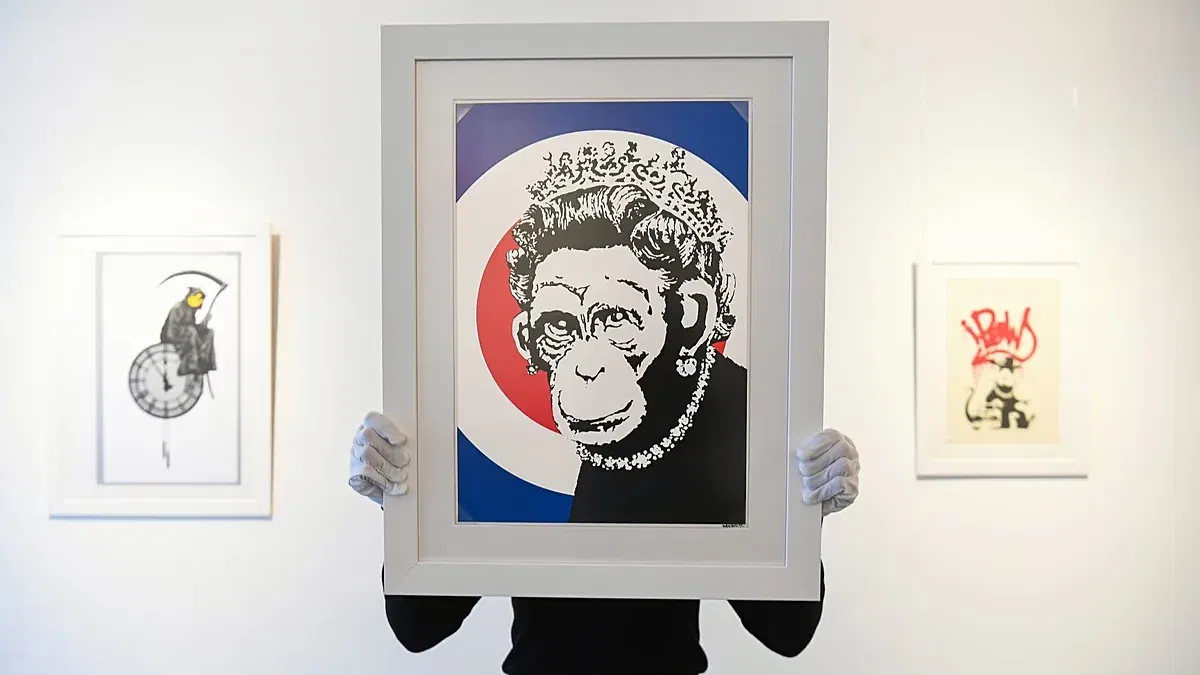
The decades-long mystery surrounding the identity of world-famous street artist Banksy has taken a dramatic turn with a new Reuters investigation claiming to have unmasked the elusive artist "beyond dispute." According to the report, Banksy is actually Robin Gunningham, a 51-year-old from Bristol who later changed his name to the more common David Jones to avoid identification. This revelation comes after years of speculation about the artist behind some of the most provocative and valuable street art in history, but Banksy's legal team has already pushed back, stating the claims violate the artist's privacy and could put him in danger.
Inside the Reuters Investigation: How Journalists Claim to Have Unmasked Banksy
The Reuters investigation, published in March 2026, represents one of the most comprehensive attempts to identify the anonymous artist. Journalists spent four years examining previously unreported business records, travel documents, and eyewitness accounts. Their key evidence centers around three main elements: Banksy's 2022 trip to Ukraine where he created murals in war-torn areas, photographs posted by former associates that allegedly show the artist at work, and a handwritten confession note from a 2000 arrest in New York where the individual identified themselves as Robin Gunningham.
According to the report, the Ukraine trip proved particularly revealing. Reuters claims to have traced travel records showing that someone using the name David Jones entered Ukraine on the exact same day that Banksy confirmed via Instagram that he was creating art in the country. This David Jones, the investigation asserts, is actually Robin Gunningham, who legally changed his name to avoid detection while traveling. The report also cites court documents from the 2000 arrest where Gunningham was charged with criminal mischief for graffiti, with the arrest record including a signed confession.
Timeline: The Evolution of Banksy's Mystery From Bristol to Global Fame
Banksy's journey from anonymous Bristol graffiti artist to international icon spans nearly three decades. The artist first gained attention in the late 1990s with stencil works appearing around Bristol and London. By the early 2000s, his distinctive style—combining satirical imagery with political commentary—began attracting mainstream attention. The 2010 documentary "Exit Through the Gift Shop" offered glimpses of the artist (with face obscured) but only deepened the mystery.
Speculation about Banksy's identity has followed predictable cycles: in 2008, The Mail on Sunday first named Robin Gunningham as Banksy, citing similar evidence to the Reuters report. In 2016, researchers used geographic profiling to suggest Banksy was likely Robin Gunningham. Throughout this period, other theories proliferated—that Banksy might be musician Robert del Naja of Massive Attack, Gorillaz co-founder Jamie Hewlett, or even a collective of artists rather than a single individual. The artist's team has consistently dismissed all such claims, and Banksy himself has never confirmed any identity theory.
How Banksy Creates His Iconic Art: The Stencil Technique Explained
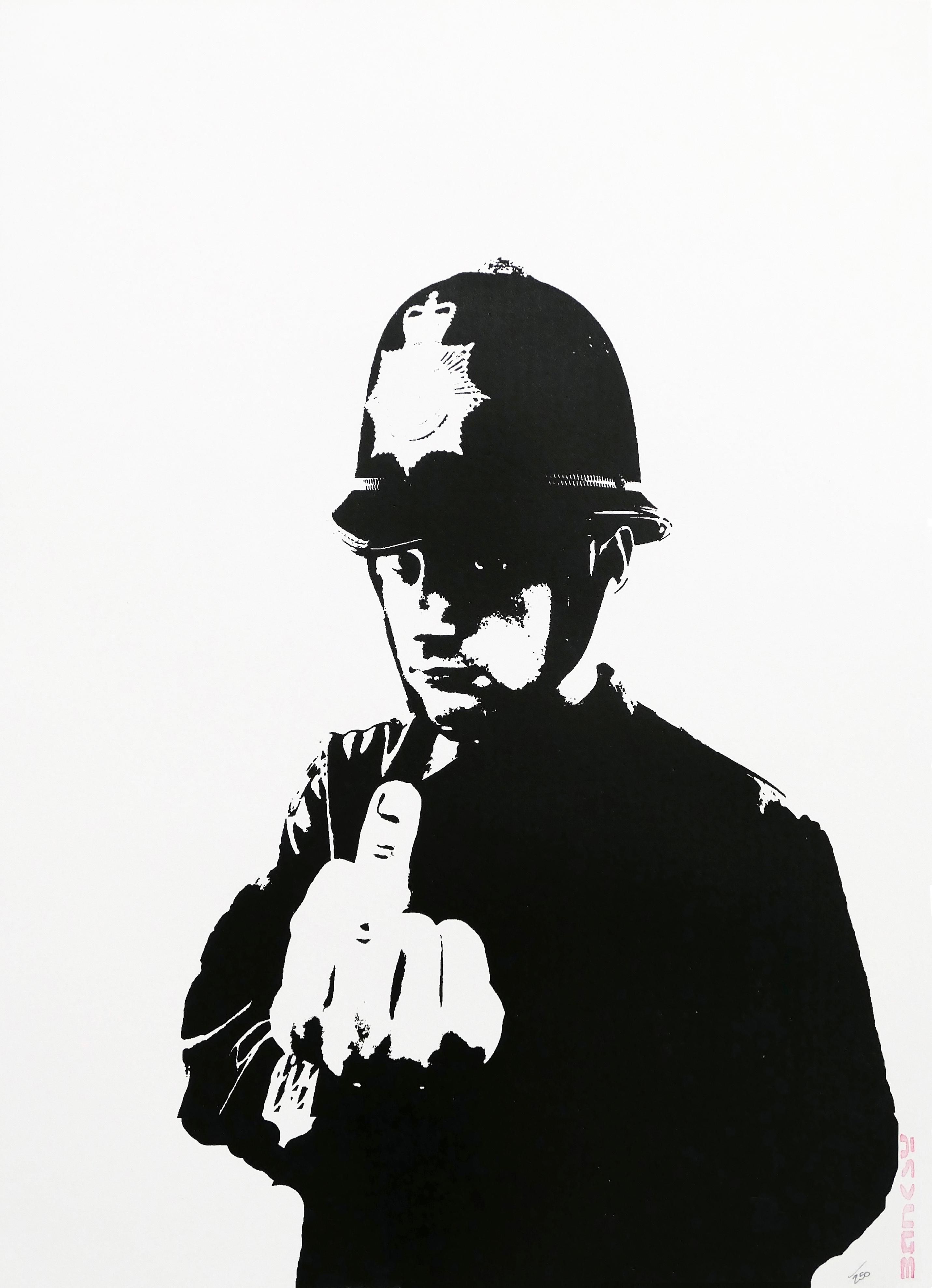
Understanding Banksy's art requires examining his signature technique: stenciling. Unlike traditional freehand graffiti, stenciling involves creating a template (usually from cardboard or acetate) that allows for rapid reproduction of an image. Banksy typically begins with a photograph, digitally or manually determining which areas will be cut out. Using a scalpel, he carefully removes these sections to create openings through which spray paint can pass.
This method offers several advantages that align with Banksy's need for speed and discretion. A complex stencil can be prepared in advance, then applied to a wall in minutes—crucial when creating illegal street art. The technique also produces clean, consistent lines and allows for layering multiple colors through different stencils. While some critics have dismissed stenciling as a "cheat," Banksy has elevated it to a sophisticated art form, creating intricate multi-layer works that convey powerful political and social messages.
Banksy primarily uses spray paint, favoring the medium for its portability and quick application. His 2019 venture "Gross Domestic Product" even featured a limited edition sculpture that functioned as a usable spray paint can called "Banksy™ Black," complete with the artist's typical tongue-in-cheek warning that "some of the contents may be missing."
Why Anonymity Matters: The Strategic Genius Behind Banksy's Hidden Identity
Banksy's anonymity serves multiple crucial functions beyond mere personal privacy. First and foremost, it provides legal protection—street art is technically vandalism, and revealing his identity could lead to prosecution for decades of work. But more importantly, anonymity shifts focus from the artist to the art itself. Without a public persona, biographical details, or celebrity distractions, viewers must engage directly with the messages in Banksy's work.
As explained in analyses of street artist psychology, anonymity allows the art to speak for itself, unmediated by personality or reputation. This is particularly significant for Banksy's politically charged pieces addressing war, consumerism, immigration, and authority. If the public knew Banksy's identity, his works might be interpreted through the lens of his personal background rather than their intended social commentary.
Banksy maintains his secrecy through several methods: working quickly under cover of darkness, wearing disguises during installations, and relying on a trusted team to handle logistics and communications. In an age of ubiquitous surveillance and social media, this level of anonymity becomes increasingly difficult to sustain—making the Reuters investigation claims particularly significant if verified.
Current Status: Legal Pushback and the Battle Over Banksy's Identity
Following the Reuters report, Banksy's legal representative Mark Stephens issued a strong rebuttal. "My client does not accept that many of the details contained within [the] enquiry are correct," Stephens stated. He emphasized that revealing Banksy's identity "would violate the artist's privacy, interfere with his art and put him in danger," adding that "working anonymously or under a pseudonym serves vital societal interests."
Stephens argued that anonymity protects freedom of expression by allowing creators "to speak truth to power without fear of retaliation, censorship or persecution." This position highlights the fundamental tension at the heart of the Banksy phenomenon: the public's curiosity versus the artist's right to privacy and protection. Reuters, for its part, contends that "the public has a deep interest in understanding the identity and career of a figure with his profound and enduring influence on culture, the art industry and international political discourse."
What Happens Next: Implications for Banksy's Art and Legacy
The Reuters investigation raises important questions about the future of Banksy's work and the street art world. If Banksy's identity becomes widely accepted as Robin Gunningham/David Jones, several outcomes seem possible. Some art market analysts suggest that authenticated Banksy works could increase in value with a confirmed identity, while others fear the opposite—that the mystery is intrinsic to the art's appeal and commercial worth.
More importantly, confirmed identification could potentially subject Banksy to legal action for past graffiti. However, given Banksy's global fame and the cultural value placed on his work, prosecution seems unlikely. The artist might also face increased scrutiny of his movements and activities, potentially limiting his ability to create new street art anonymously.
Regardless of the identity revelation's accuracy, Banksy's influence on contemporary art and culture remains undeniable. His works have redefined public art, challenged institutional authority, and brought street art into mainstream galleries and auction houses. The very debate about his identity underscores how thoroughly Banksy has embedded himself in global cultural consciousness—an anonymous figure whose absence of identity has become his most recognizable feature.
Key Takeaways: What We Know About Banksy Today
• Reuters claims Banksy is Robin Gunningham, 51, from Bristol, who changed his name to David Jones
• Evidence cited includes a 2022 Ukraine trip, associate photographs, and a 2000 arrest confession
• Banksy's lawyer denies the claims, emphasizing privacy and safety concerns
• The artist uses stencil techniques for speed and discretion, primarily with spray paint
• Anonymity protects Banksy legally and focuses attention on his art's messages
• Speculation about Banksy's identity has persisted for decades with multiple theories
• Regardless of identity, Banksy's impact on art and culture remains profound
The Banksy phenomenon demonstrates how mystery can become an integral part of artistic expression. Whether the Reuters investigation ultimately proves conclusive or joins previous unmasking attempts in the annals of speculation, the essential truth remains: Banksy's power derives not from who he is, but from what he creates. His art challenges viewers to see their world differently—to question authority, recognize injustice, and find beauty in unexpected places. In an era of overwhelming personal exposure, Banksy's continued anonymity, whether maintained or compromised, stands as a remarkable testament to the enduring power of art over artist.