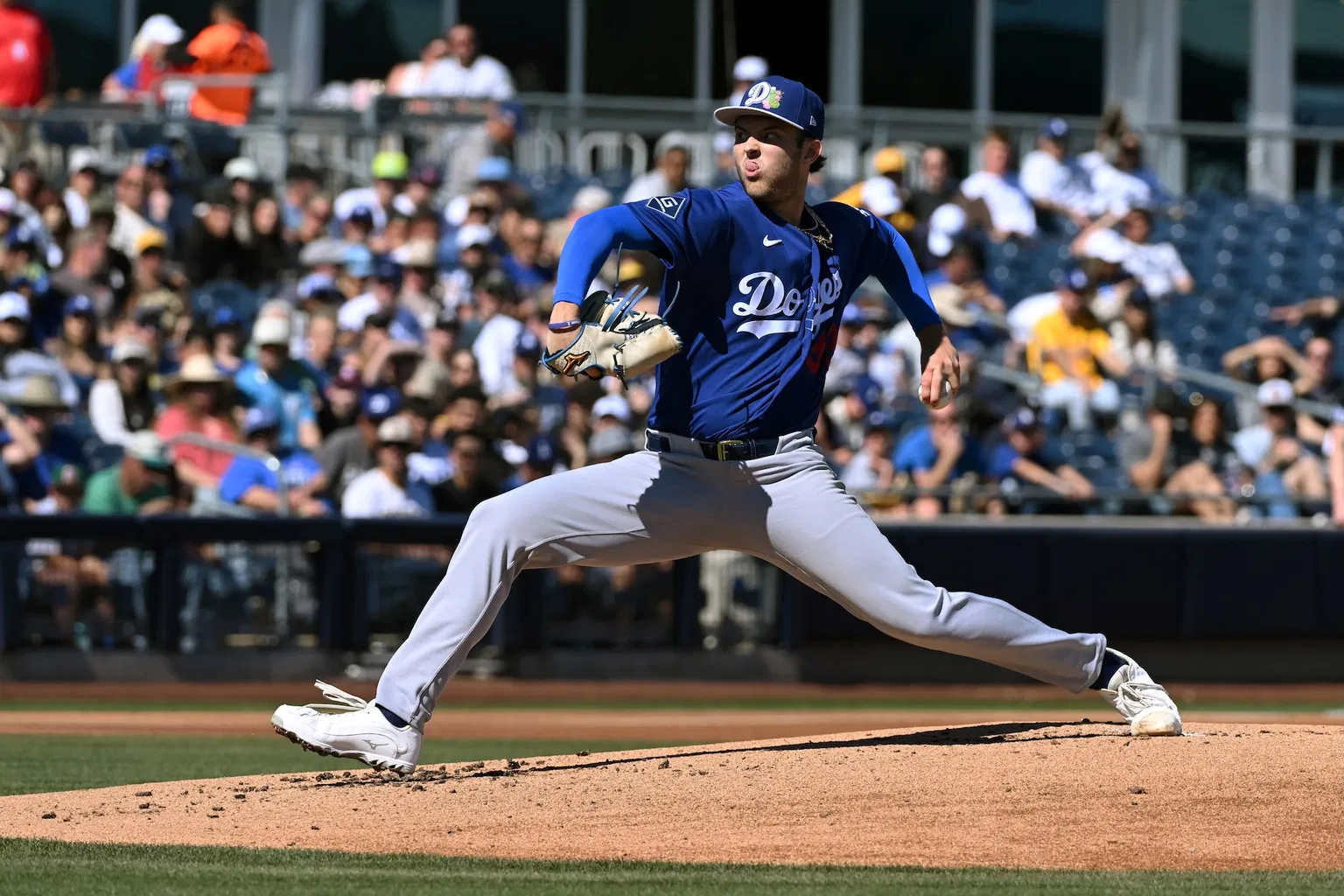
Major League Baseball, often called America's pastime, is a complex and fascinating sports organization that has captured the nation's attention for over a century. With 30 teams playing a grueling 162-game season followed by an intense postseason, MLB represents one of the most structured and historic professional sports leagues in the world. Whether you're a new fan trying to understand the basics or a casual viewer looking to deepen your knowledge, understanding how MLB works—from its unique two-league system to its playoff format and fundamental rules—provides a richer appreciation for the game.
Understanding MLB's Unique Two-League Structure
Unlike most professional sports leagues that operate as a single entity, Major League Baseball is divided into two separate but interconnected leagues: the American League (AL) and the National League (NL). This structure dates back to MLB's origins when these were actually competing leagues that eventually merged. Today, MLB consists of 30 teams divided equally between the two leagues, with 15 teams in each. Each league is further divided into three geography-based divisions: East, Central, and West, with five teams in each division. This organizational framework creates natural rivalries and determines playoff qualifications, as teams primarily compete within their own leagues for postseason berths.
The 162-Game Marathon: How the MLB Season Works
The MLB regular season is one of the longest in professional sports, running from late March or early April through early October. Each of the 30 teams plays exactly 162 games during this period, creating a staggering total of 2,430 regular season contests. The schedule is carefully balanced to ensure fairness, with teams playing more games against opponents within their own division and league than against teams from the other league. This marathon approach tests team depth, endurance, and consistency, as clubs must maintain performance across nearly six months of daily games. The season begins with spring training in February and March, where teams prepare in warmer climates before the official opening day marks the start of the regular season grind.
October Drama: Breaking Down MLB's Playoff Format
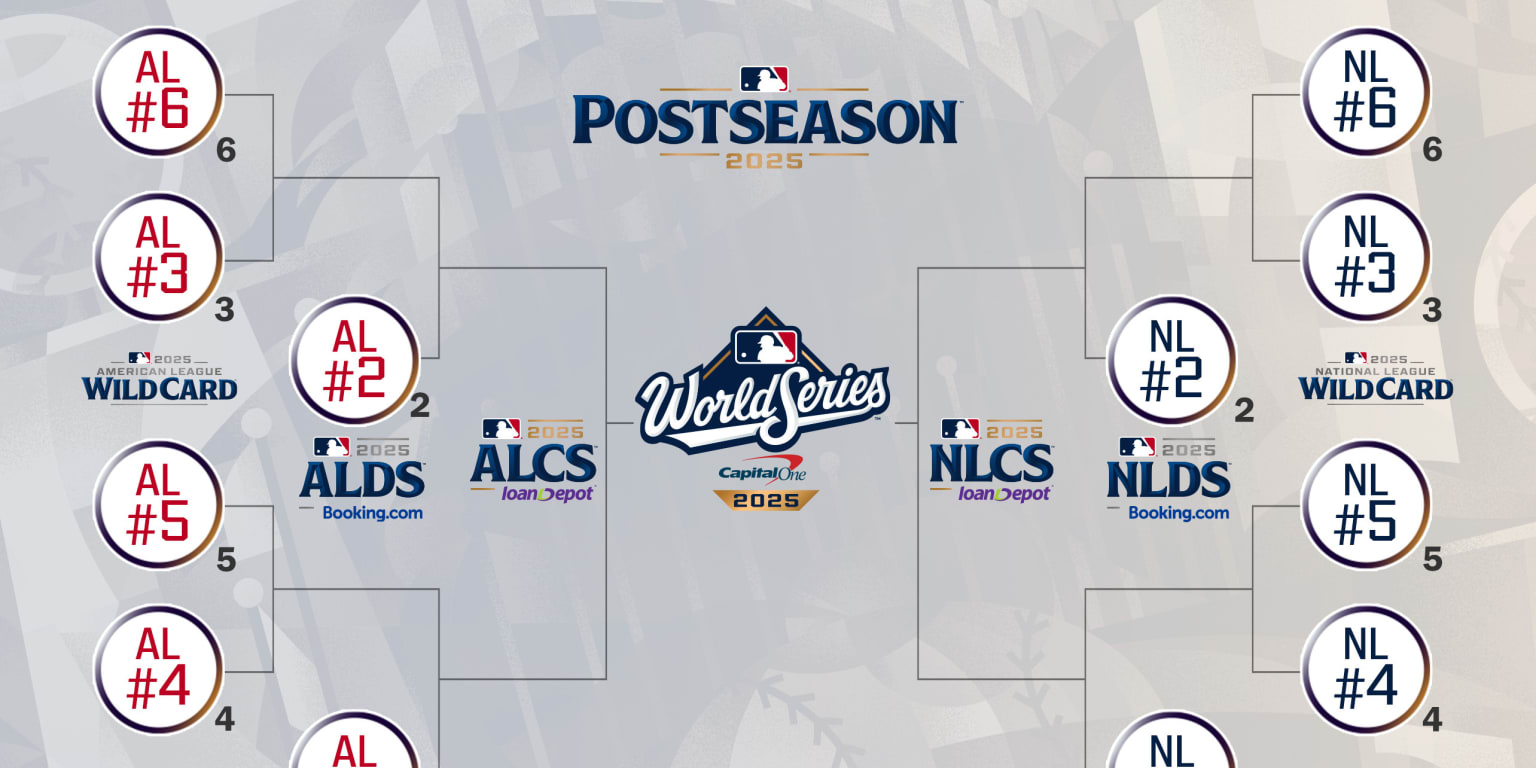
When the regular season concludes, the top teams advance to the postseason, where the MLB playoff format determines the World Series champion. Currently, 12 teams qualify for the playoffs—six from each league. This includes the three division winners from each league (the teams with the best record in their division) plus three wild card teams (the non-division winners with the next best records). The postseason begins with the Wild Card Series, a best-of-three round where the lower-seeded wild card teams face off. Winners advance to the Division Series (best-of-five), followed by the League Championship Series (best-of-seven) to determine each league's champion. The final stage is the World Series, a best-of-seven showdown between the American League and National League champions to crown MLB's ultimate winner.
From Pitch to Home Run: Basic Baseball Rules Explained
At its core, baseball is a game played between two teams of nine players who take turns batting and fielding. The objective is simple: score more runs than your opponent. Games are divided into nine innings, with each inning consisting of two halves—the top (visiting team bats) and bottom (home team bats). Each half-inning continues until the batting team records three outs. Runs are scored when a batter successfully circles all four bases (first, second, third, and home plate), either through a series of hits or a home run that clears the outfield fence. The defensive team attempts to record outs through various methods: striking out the batter (three missed swings), catching a batted ball before it touches the ground, or tagging a runner with the ball before they reach a base.
The Evolution of MLB Rules: Designated Hitter and Beyond
One of the most significant rule differences between MLB's two leagues was the designated hitter (DH) rule, which has now become universal. For decades, the American League used the DH—a player who bats in place of the pitcher but doesn't play defense—while National League pitchers had to bat for themselves. This created strategic differences between the leagues, with AL teams building lineups around powerful hitters who didn't need to field, while NL managers had to make difficult decisions about when to substitute pitchers. In 2022, MLB implemented the universal DH, meaning both leagues now use the designated hitter. Other important rules include the three-batter minimum for pitchers (with some exceptions), extra innings starting with a runner on second base to speed up games, and various safety measures like concussion protocols and anti-collision rules at home plate.
Behind the Scenes: How MLB Teams Are Organized
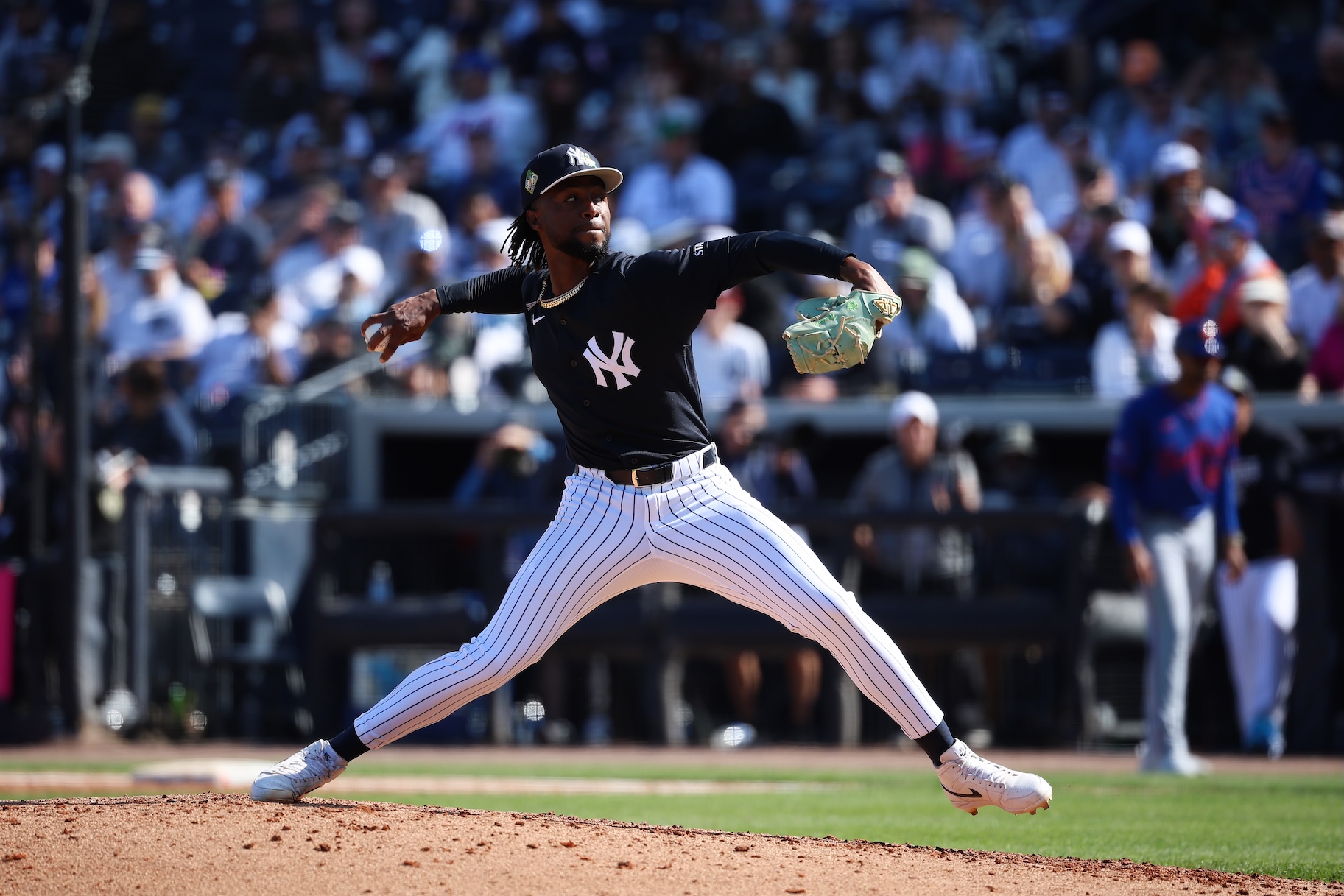
Each MLB franchise operates as a complex organization with multiple layers of management and player development systems. The front office handles business operations, contracts, and long-term strategy, while the coaching staff works directly with players on daily preparation and in-game decisions. Below the major league roster, each team maintains a farm system of minor league affiliates at various levels (Triple-A, Double-A, Single-A, and Rookie leagues) where young players develop before reaching the majors. Teams also employ extensive scouting departments to evaluate talent at amateur levels (high school and college) and in international markets. The MLB draft occurs each June, where teams select eligible amateur players in reverse order of the previous season's standings, giving poorer-performing teams earlier picks to promote competitive balance.
The Business of Baseball: How MLB Operates as a League
MLB functions as a single entity legally, with the commissioner's office overseeing league-wide operations, rule enforcement, and business interests. Unlike some sports leagues that have salary caps, MLB uses a luxury tax system where teams exceeding a certain payroll threshold pay penalties, which are then redistributed to smaller-market teams. Revenue sharing helps ensure competitive balance by distributing national broadcasting revenues and other league-wide income more evenly among franchises. MLB also negotiates collective bargaining agreements with the MLB Players Association, which represents player interests on issues like salaries, working conditions, and free agency rules. These business structures have evolved significantly over decades, particularly since the reserve clause was eliminated in the 1970s, allowing players to become free agents and negotiate with any team after fulfilling their initial contracts.
Getting Started as an MLB Fan: Key Things to Know
For newcomers to baseball, several aspects make following MLB particularly enjoyable. The season's length means there's almost always a game to watch from April through October. Key statistics to understand include batting average (hits divided by at-bats), ERA (earned run average for pitchers), and OPS (on-base plus slugging, measuring overall offensive contribution). MLB's rich history includes legendary records like Joe DiMaggio's 56-game hitting streak and Cal Ripken Jr.'s 2,632 consecutive games played. The league also has unique traditions like the seventh-inning stretch, where fans stand and sing "Take Me Out to the Ball Game" during the middle of the seventh inning. With streaming services and MLB.TV offering access to every game, plus the annual excitement of the World Series, there's never been a better time to understand and enjoy America's pastime in all its complex, strategic, and historic glory.