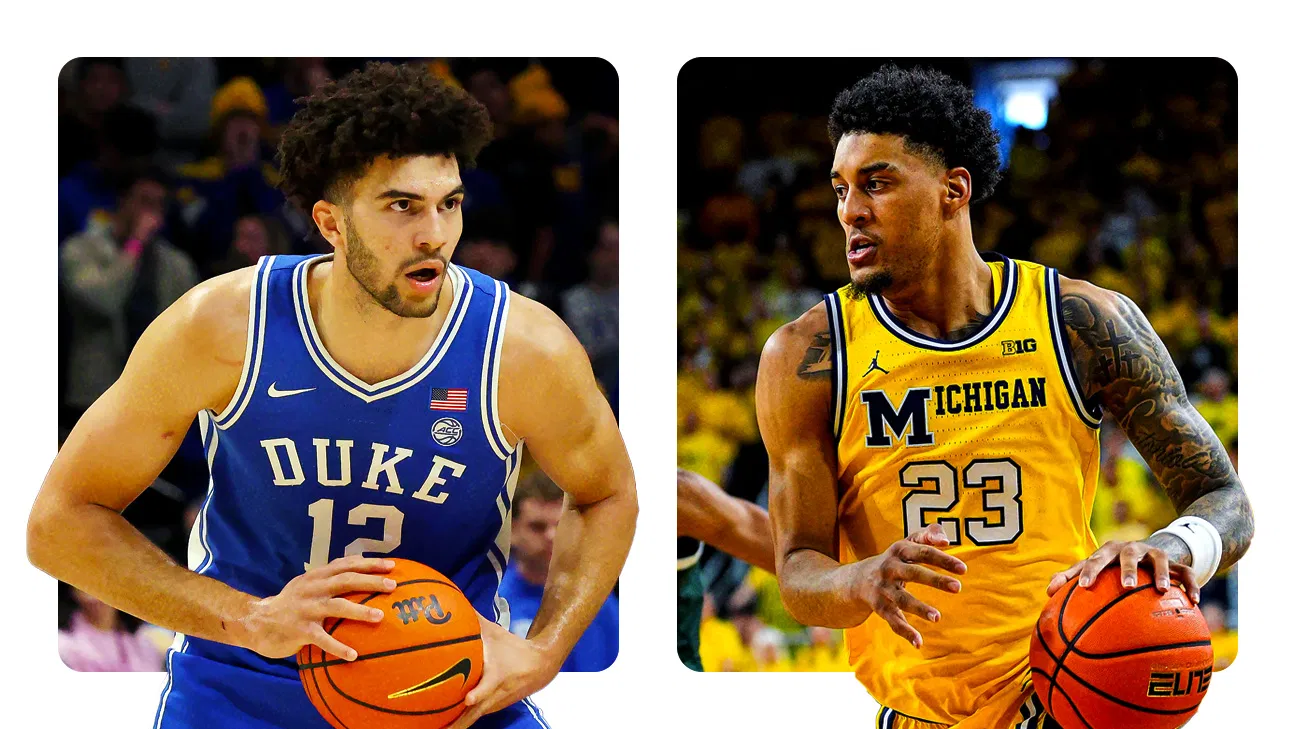
Every March, college basketball takes center stage as 68 teams compete in the NCAA Division I men's basketball tournament, famously known as March Madness. This three-week spectacle captivates millions of fans who fill out brackets, watch thrilling upsets, and witness Cinderella stories unfold. Whether you're a seasoned bracketologist or a first-time viewer, understanding how this iconic tournament works can enhance your enjoyment of one of sports' most unpredictable events. The 2026 edition promises all the usual drama, with Selection Sunday setting the stage on March 15 and the championship game scheduled for April 6 in Indianapolis.
What Is March Madness? The Tournament That Grips a Nation
March Madness is the term used to describe the annual men's and women's NCAA Division I basketball tournament (Source: ESPN). The tournament features 68 teams playing in a single-elimination bracket where one loss ends a team's season (Source: RedandBlack). This format creates the high-stakes drama that has made March Madness a cultural phenomenon, with games broadcast across CBS, TBS, TNT, and truTV reaching millions of viewers.
The tournament has grown from humble beginnings in 1939 when it started as an eight-team competition (Source: Olympics.com). Today, it's a multi-billion dollar event that dominates sports conversation every spring. The term "March Madness" itself was coined by Illinois high school official Henry V. Porter in 1939, though it didn't become widely associated with the NCAA tournament until the 1980s (Source: NCAA.com).
How the Tournament Works: Understanding the 68-Team Bracket
The NCAA tournament bracket is divided into four regions: East, West, Midwest, and South. Each region features 16 teams seeded from 1 to 16, with the top seeds generally facing the weakest opponents in the early rounds. The tournament begins with the "First Four" games, where eight teams compete for four spots in the main 64-team bracket.
The selection process is managed by the NCAA Division I Men's Basketball Committee, which uses a three-phase approach: selecting the 37 best at-large teams, seeding the entire field of 68 teams, and placing teams into the bracket while considering geographic balance and other factors (Source: NCAA.org). Teams qualify for the tournament in two ways: by winning their conference tournament (automatic bid) or by receiving an at-large bid from the selection committee based on their regular season performance.
The 2026 March Madness Schedule: Key Dates and Viewing Information
The 2026 tournament follows a familiar timeline that begins in mid-March and concludes in early April. Here are the key dates for the men's tournament (Source: NCAA.com):
- Selection Sunday: March 15, 2026 at 6 p.m. ET on CBS
- First Four: March 17-18, 2026 at UD Arena in Dayton, Ohio
- First Round: March 19-20, 2026 at various sites across the country
- Second Round: March 21-22, 2026
- Sweet 16: March 26-27, 2026
- Elite Eight: March 28-29, 2026
- Final Four: April 4, 2026 at Lucas Oil Stadium in Indianapolis
- National Championship: April 6, 2026 at Lucas Oil Stadium
Games will be broadcast across multiple networks, with CBS and Turner Sports sharing coverage. Streaming options include March Madness Live, Paramount+, and other platform-specific services.
How Teams Are Selected: The Science Behind the Bracket
The NCAA selection committee evaluates teams using several metrics, including the NET (NCAA Evaluation Tool) rankings, quadrant wins, strength of schedule, and overall record. The committee meets in Indianapolis during Selection Week to debate and finalize the field.
According to NCAA.org, the selection process involves three distinct phases: First, the committee selects the 37 best at-large teams to join the 31 automatic qualifiers. Second, they seed all 68 teams from 1 to 68. Third, they place teams into the bracket, ensuring conference opponents don't meet too early and considering geographic preferences for team placement.
The seeding follows a "S-curve" pattern where the top overall seed is placed in the region closest to their campus, the second overall seed in another region, and so on. This creates balanced regions and sets up potential exciting matchups in later rounds.
How to Fill Out Your Bracket: Expert Tips for March Madness Success
Filling out a March Madness bracket involves predicting the winner of every game in the tournament before it begins (Source: Covers.com). While perfect brackets are nearly impossible—the odds are roughly 1 in 120.2 billion—following some strategic tips can improve your chances in office pools and friendly competitions.
Here are five expert-recommended strategies for bracket success:
- Don't Get Too Cute Early: While upsets are part of March Madness, top seeds usually advance in the first round. Only about 20% of 12-seeds defeat 5-seeds historically.
- Focus on Matchups, Not Just Seeds: Some teams match up better against certain styles of play. Look at tempo, defensive strengths, and three-point shooting when evaluating close matchups.
- Consider Recent Performance: Teams entering the tournament on hot streaks often outperform their seeding. Pay attention to conference tournament results.
- Balance Risk and Safety: Mix some predictable picks with a few calculated upsets. Most successful brackets have 1-2 major upsets in the early rounds but favor favorites in later rounds.
- Watch for Injury News: Key player injuries announced between Selection Sunday and tip-off can dramatically change a team's prospects.
According to bracketology experts, the most common mistake beginners make is picking too many upsets early. While Cinderella stories are memorable, favorites win most games for a reason.
The History of March Madness: From 8 Teams to a Cultural Phenomenon
The NCAA tournament has evolved dramatically since its inception in 1939. The first tournament featured just eight teams, with Oregon defeating Ohio State for the championship. The field expanded to 16 teams in 1951, 32 in 1975, 64 in 1985, and finally 68 in 2011 with the addition of the "First Four" games.
The term "March Madness" entered the basketball lexicon in 1939 when Illinois high school official Henry V. Porter used it to describe the excitement of the state's high school basketball tournament (Source: NCAA.com). The phrase gained national prominence in the 1980s when CBS broadcaster Brent Musburger used it during NCAA tournament coverage, and it eventually became the tournament's official trademark.
Some of the tournament's most memorable moments include North Carolina State's miraculous championship in 1983, Villanova's perfect game against Georgetown in 1985, and UMBC's historic upset of #1 seed Virginia in 2018—the first time a 16-seed ever defeated a 1-seed.
Why March Madness Captivates America: The Psychology of the Tournament
March Madness succeeds because it combines several elements that appeal to both hardcore sports fans and casual viewers. The single-elimination format creates immediate drama—every game could be a team's last. The bracket itself provides a tangible connection for fans, allowing them to participate through office pools and online challenges.
The tournament also delivers compelling narratives: Cinderella stories of small schools defeating powerhouses, redemption arcs for teams that fell short in previous years, and the pursuit of perfection for undefeated teams. These storylines, combined with the concentrated three-week schedule, create a sense of urgency and communal experience that few other sporting events can match.
Economically, March Madness generates billions in advertising revenue, gambling activity, and lost workplace productivity—estimated at $13.3 billion in 2025 according to some analysts. Yet this economic impact reflects the tournament's embedded place in American culture.
Looking Ahead: The Future of March Madness
As college sports continue to evolve with conference realignment, NIL (Name, Image, Likeness) deals, and potential changes to athlete compensation, March Madness remains a constant. The NCAA has explored expanding the tournament field to 72 or 76 teams, though any changes would need to balance tradition with growing demand for inclusion.
The 2026 tournament will feature familiar venues but may incorporate new technologies like enhanced streaming experiences, virtual reality options, and interactive bracket features. What won't change is the tournament's ability to deliver unforgettable moments and unite basketball fans across the country.
Whether you're watching to see if your alma mater makes a deep run, competing in a bracket pool with friends, or simply enjoying the drama of elimination basketball, March Madness offers something for everyone. Understanding how the tournament works—from selection to championship—only deepens the appreciation for this unique American sporting tradition.