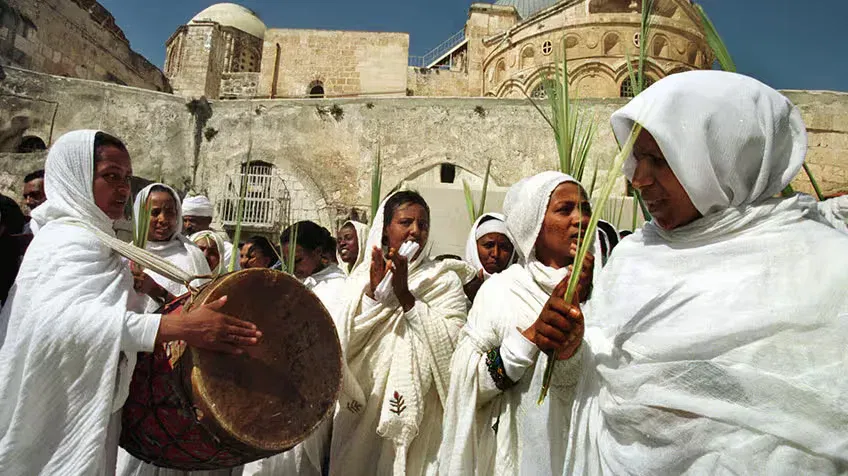
As Christians around the world prepare for the most sacred week of their faith, Palm Sunday 2026 arrives on March 29 with both traditional celebrations and somber realities. This year, the ancient procession from the Mount of Olives into Jerusalem has been cancelled due to ongoing conflict, marking a departure from centuries of tradition. Yet from Poland to the Philippines, believers continue to find creative ways to commemorate Jesus' triumphal entry into Jerusalem, waving everything from palm fronds to willow branches as they begin the journey through Holy Week toward Easter.
Understanding Palm Sunday: The Biblical Story Behind the Holiday
Palm Sunday is the Christian moveable feast that falls on the Sunday before Easter, commemorating Jesus' triumphal entry into Jerusalem one week before His resurrection. According to biblical accounts in Matthew 21:1-11, Mark 11:1-11, Luke 19:28-44, and John 12:12-19, Jesus rode into the holy city on a donkey as crowds spread their cloaks and palm branches on the road before him, shouting "Hosanna to the Son of David! Blessed is he who comes in the name of the Lord!"
This event fulfilled the prophecy of Zechariah 9:9: "Rejoice greatly, Daughter Zion! Shout, Daughter Jerusalem! See, your king comes to you, righteous and victorious, lowly and riding on a donkey, on a colt, the foal of a donkey." The palm branches symbolized victory and peace in Jewish tradition, making this reception a royal welcome for Jesus as he entered Jerusalem to celebrate Passover before his crucifixion.
The Palm Sunday Timeline: From Jesus' Entry to Modern Observances
Palm Sunday marks the beginning of Holy Week, the final seven days of Jesus' earthly ministry that culminate in Easter Sunday. The historical timeline begins with Jesus' entry into Jerusalem on what we now call Palm Sunday, followed by his cleansing of the temple on Monday, teaching in the temple on Tuesday, the Last Supper on Thursday, crucifixion on Good Friday, and resurrection on Easter Sunday.
In modern times, Palm Sunday falls on different dates each year based on the lunar calendar used to calculate Easter. For 2026, Palm Sunday occurs on March 29, with Holy Week continuing through April 4 (Holy Saturday) and Easter Sunday on April 5. The date moves annually, with future Palm Sundays scheduled for March 21, 2027; April 9, 2028; and March 25, 2029 according to liturgical calendars.
Global Traditions: How Palm Sunday is Celebrated Around the World
While the core meaning of Palm Sunday remains constant across Christianity, cultural expressions vary dramatically around the globe. In countries where palm trees don't grow, communities have developed unique alternatives that reflect both their faith and local traditions.
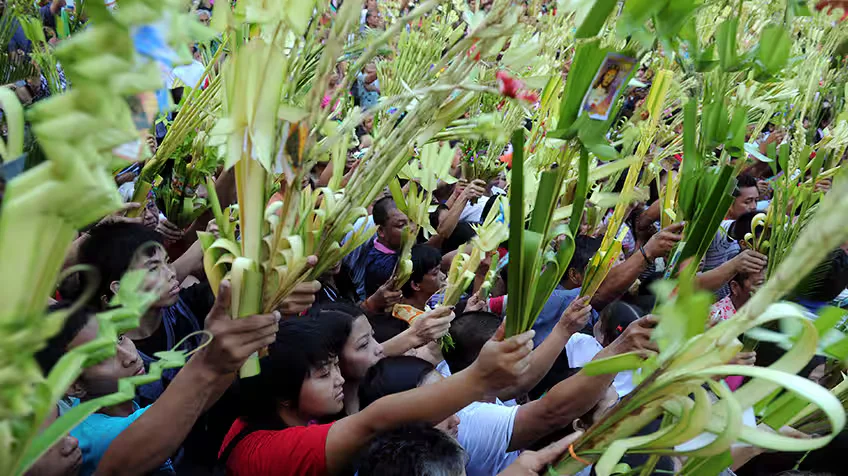
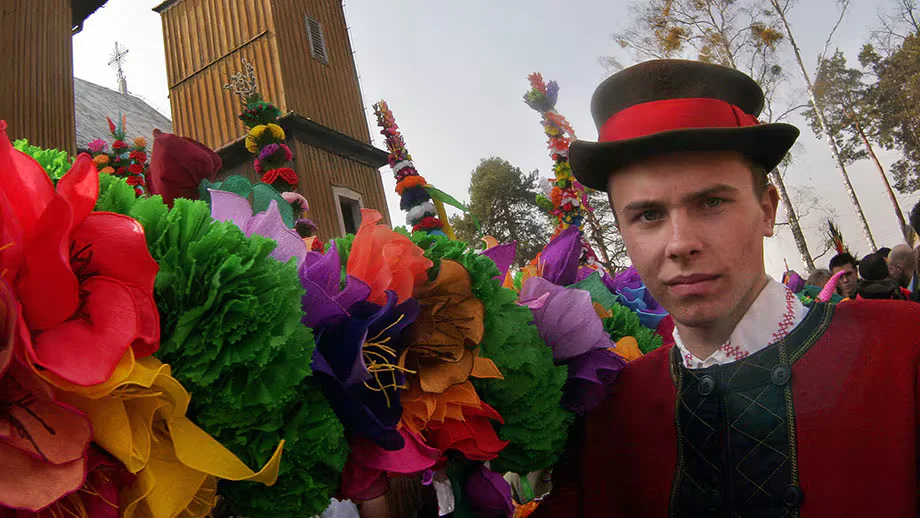
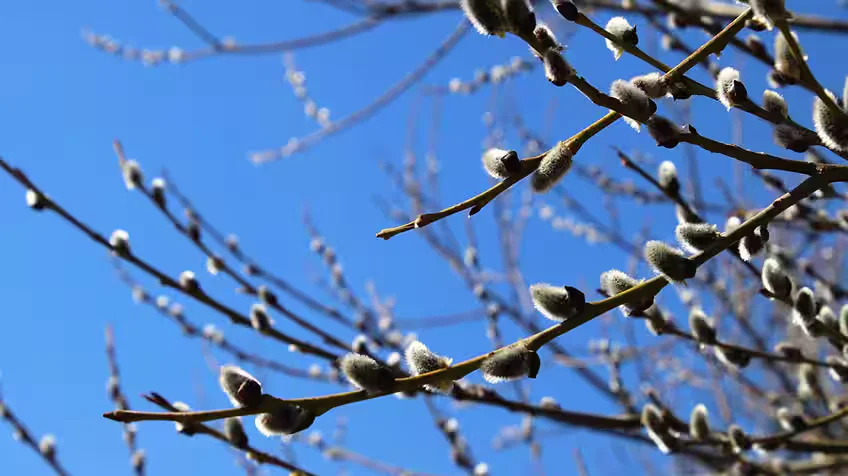
In Poland, where palm trees are scarce, people create elaborate artificial palm leaves decorated with tissue paper flowers and ribbons, with some reaching over 30 meters in height and requiring multiple people to carry them. The Philippines has developed the art of weaving palm fronds into intricate shapes called "palaspas," which are blessed at church and brought home for good luck. Meanwhile, in Latvia and Bulgaria, pussy willow branches replace palm fronds, giving the day names like "Pussy Willow Sunday" or "Flower Day."
Ethiopian Christians call the day "Hosanna" after the cheer shouted to Jesus, weaving palm fronds into elaborate rings to wear throughout the day. In Finland, children dress as Easter witches and go door-to-door offering willow branches for candy, while in Haiti, celebrations blend Catholic and local Voodoo traditions with processions featuring drums, maracas, and trumpets.
Why Palm Sunday Matters: Theological Significance and Modern Relevance
Palm Sunday represents a crucial turning point in Christian theology, marking both Jesus' public acknowledgment as the Messiah and the beginning of his journey toward the cross. The crowds who welcomed him with palm branches expected a political liberator who would overthrow Roman rule, but Jesus came as a spiritual savior whose kingdom was "not of this world." This disconnect between popular expectation and divine purpose is central to understanding the events that followed.
The holiday serves as a reminder that true leadership often comes in unexpected forms, and that spiritual transformation matters more than political power. For modern believers, Palm Sunday invites reflection on how we welcome Christ into our lives—whether with superficial enthusiasm like the cheering crowds, or with genuine commitment to follow wherever he leads, even to difficult places.
Current Challenges: Palm Sunday 2026 in a World of Conflict
This year's Palm Sunday observance comes with particular poignancy as the Latin Patriarchate of Jerusalem announced the cancellation of the traditional procession from the Mount of Olives into Jerusalem due to ongoing war in the region. This marks a significant departure from a tradition dating back centuries, where pilgrims would retrace Jesus' path while waving palm branches.
Cardinal Pierbattista Pizzaballa, the Latin Patriarch of Jerusalem, emphasized that while public processions are suspended, the spiritual significance of Palm Sunday remains undiminished. Churches worldwide are encouraged to pray for peace in the Holy Land while finding alternative ways to observe the day's traditions. This situation highlights how global events can impact religious observances while also demonstrating the resilience of faith traditions in adapting to challenging circumstances.
Looking Ahead: How to Observe Palm Sunday Today
For those seeking to observe Palm Sunday in 2026, many churches will distribute palm branches or local alternatives during services, often weaving them into crosses as keepsakes. Families can read the biblical accounts together, discuss the meaning of Jesus' entry into Jerusalem, and perhaps incorporate elements from global traditions—whether creating woven palm art like in the Philippines or using local greenery like willow branches.
As Holy Week begins, Palm Sunday serves as both a celebration and a solemn reminder of what lies ahead. The same crowds shouting "Hosanna" on Sunday would be calling for crucifixion by Friday, a stark lesson in the fickleness of public opinion and the cost of true commitment. Whether through grand processions or simple family observances, Palm Sunday continues to mark the start of Christianity's most sacred journey from triumph to sacrifice to resurrection.
Key Takeaways: What to Remember About Palm Sunday
• Palm Sunday falls on the Sunday before Easter, March 29 in 2026
• The holiday commemorates Jesus' triumphal entry into Jerusalem with crowds waving palm branches
• Biblical accounts appear in all four Gospels: Matthew, Mark, Luke, and John
• Traditions vary globally, with cultures using palm fronds, willow branches, or artificial palms
• Palm Sunday begins Holy Week, leading to Maundy Thursday, Good Friday, and Easter Sunday
• Despite current challenges in some regions, the spiritual significance of the day continues worldwide