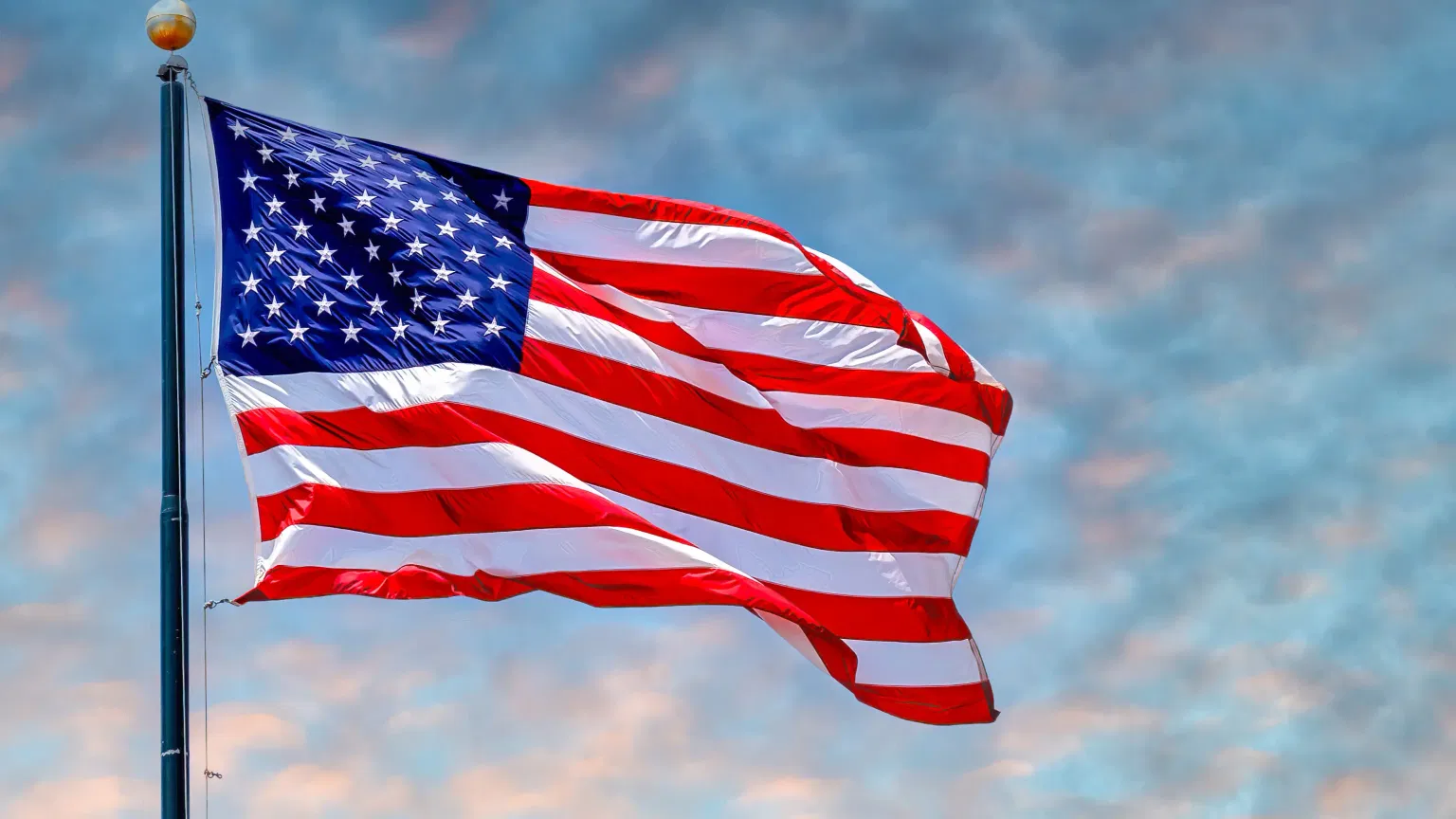
Every third Monday in February, Americans enjoy a day off work and school for a holiday that most people call Presidents Day. But what many don't realize is that this federal holiday has a more complicated history and official name than most people realize. Officially, at the federal government level, the holiday is still called "Washington's Birthday," yet it rarely falls on George Washington's actual birthday of February 22. This educational guide explains everything you need to know about Presidents Day – from its origins as a celebration of America's first president to its modern role as a day honoring all U.S. commanders-in-chief.
What Exactly Is Presidents Day?
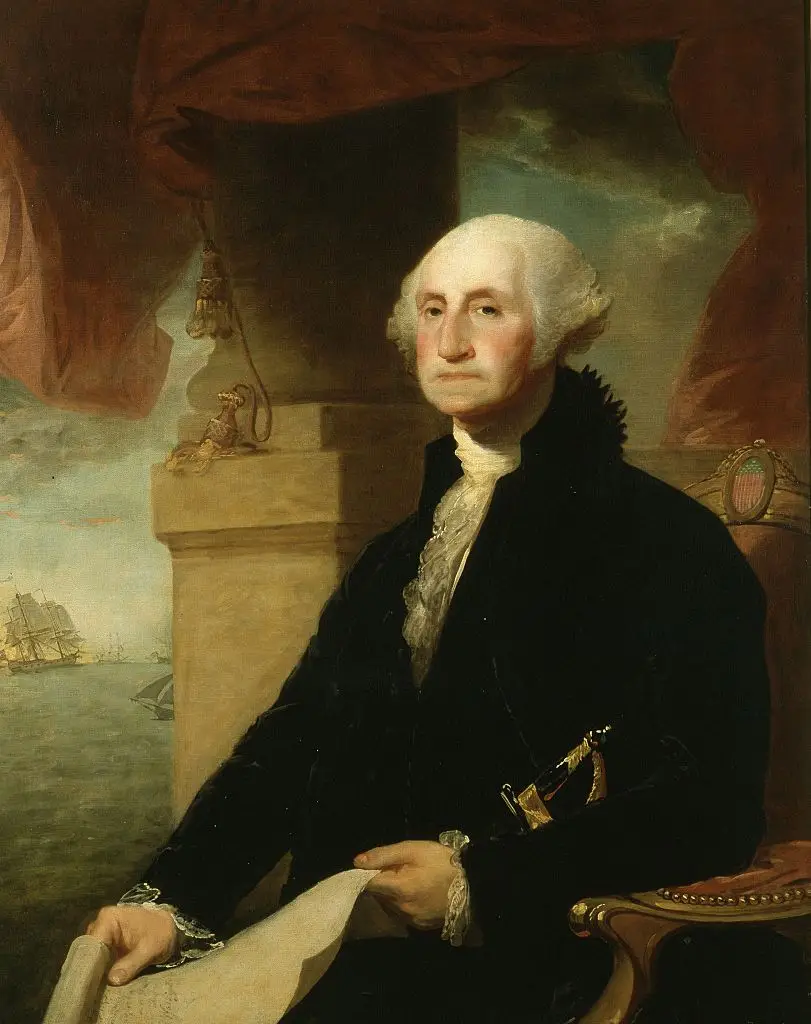
Despite the common name "Presidents Day," the official federal holiday is actually designated as "Washington's Birthday" in the United States Code. The holiday was originally established to honor George Washington, the nation's first president who was born on February 22, 1732. Over time, the celebration expanded to include Abraham Lincoln, who was born on February 12, and eventually evolved into a day that recognizes all American presidents.
The History Behind Washington's Birthday
The origins of Presidents Day date back to 1879 when Congress passed legislation making Washington's Birthday a federal holiday for government offices in Washington, D.C. By 1885, the holiday was expanded to be observed nationwide. According to Lindsay Chervinsky, executive director of the George Washington Presidential Library at Mount Vernon, Americans had a tradition of celebrating monarchs' birthdays before the Revolution, and they naturally transitioned to celebrating Washington's birthday during the Revolutionary War.
"By 1778, states and localities were celebrating Washington's birthday, largely because it was common practice to have a sort of a birthday celebration, and he was a good stand-in," Chervinsky explained in an interview with TIME magazine. Washington's Birthday became one of the earliest federal holidays in the United States, alongside Independence Day.
From Washington's Birthday to Presidents Day
The transformation from Washington's Birthday to the commonly used "Presidents Day" began with the Uniform Monday Holiday Act of 1971. This legislation moved several federal holidays to Mondays to create consistent three-day weekends for American workers. Washington's Birthday was shifted from its fixed date of February 22 to the third Monday in February.
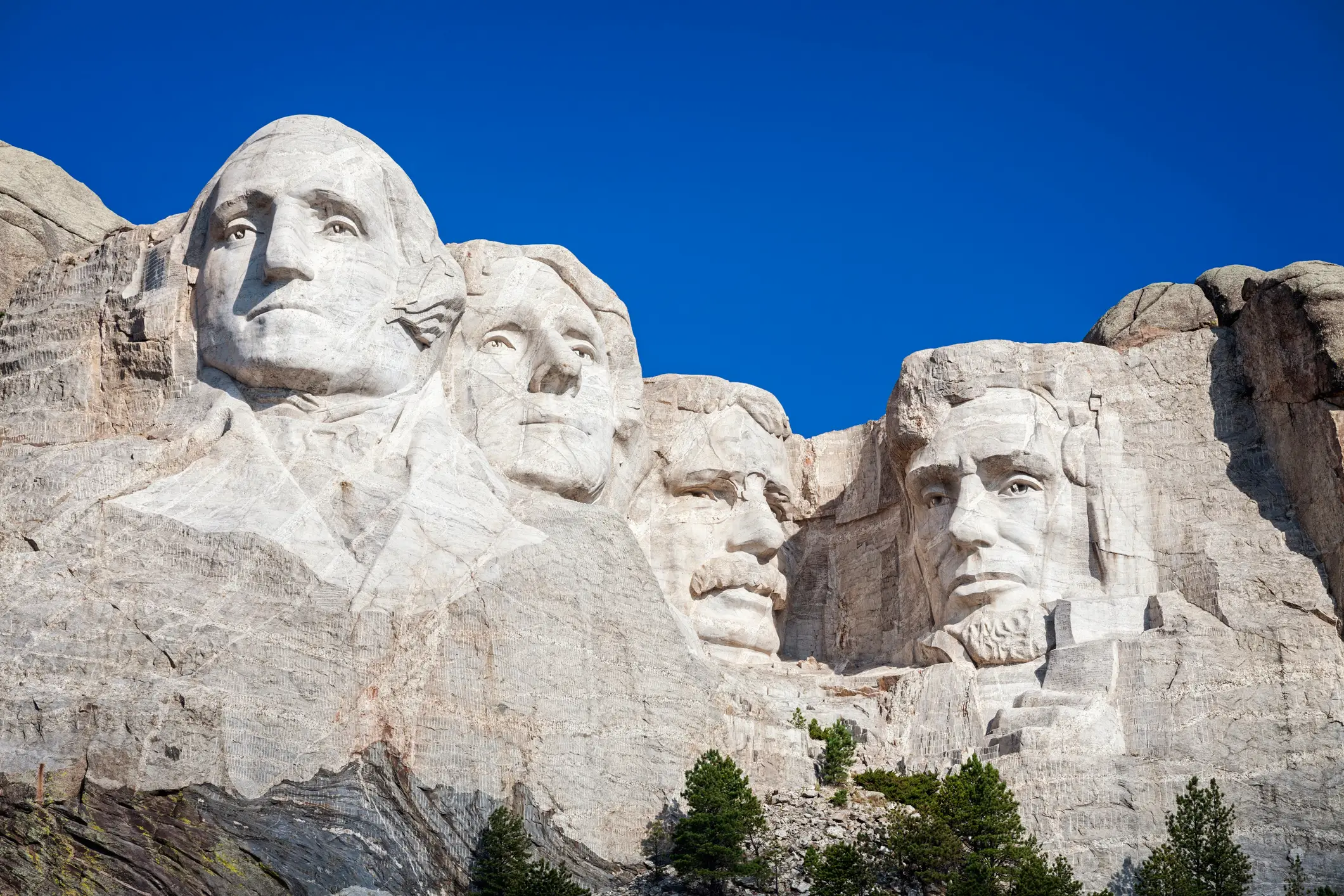
This change had several important effects. First, it meant the holiday would never actually fall on Washington's February 22 birthday (it can occur between February 15 and 21). Second, the Monday placement created a long weekend that boosted travel and retail activity. Retailers began advertising "Presidents Day" sales, and the name gradually entered common usage, especially in marketing contexts. The holiday also began to be seen as a celebration of all U.S. presidents rather than just George Washington.
When Is Presidents Day Celebrated?
Presidents Day is always observed on the third Monday of February. This means the date changes each year, falling between February 15 and February 21. The Monday placement was specifically designed to create a three-day weekend for workers and families. For 2026, Presidents Day falls on Monday, February 16, but it's important to check annual calendars as the exact date shifts each year.
Is Presidents Day Really a Federal Holiday?
Yes, Presidents Day is absolutely a federal holiday. Under Section 6103(a) of Title 5 of the United States Code, the holiday is officially listed as "Washington's Birthday." As a federal holiday, non-essential federal government offices are closed, and federal employees receive paid time off. Most state and local governments, as well as many businesses and schools, also observe the holiday.
Washington's Birthday holds a special distinction as the first federal holiday dedicated to celebrating one person's birthdate. The only other federal holiday with this distinction is Martin Luther King Jr. Day, which honors the civil rights leader born on January 15. The United States observes 11 federal holidays annually, with Presidents Day being one of them.
What's Open and Closed on Presidents Day?
Understanding what's open and closed on Presidents Day helps with planning your holiday activities. As a federal holiday, certain services and institutions close while others remain open:
Closed on Presidents Day:
- Federal, state, and local government offices: All non-essential government offices are closed
- U.S. Postal Service: Post offices are closed with no regular mail delivery or pickup
- Banks and credit unions: Most major banks including Bank of America, Chase, Citibank, and Wells Fargo are closed (TD Bank is an exception and typically remains open)
- Stock markets: The New York Stock Exchange and NASDAQ are closed
- Public schools: Most public schools close for the holiday
Open on Presidents Day:
- Most retail stores: Major retailers like Walmart, Target, Best Buy, Costco, and Home Depot generally remain open, often with special Presidents Day sales
- Grocery stores: Chains like Kroger, Trader Joe's, and Aldi typically operate normal hours
- Restaurants and fast food: Most dining establishments remain open
- UPS and FedEx: These delivery services generally operate, though sometimes with modified schedules
- Public transportation: Usually operates on a holiday schedule
How Americans Celebrate Presidents Day Today
Modern Presidents Day celebrations vary across the country. For many Americans, it's simply a welcome three-day weekend – a chance to travel, spend time with family, or shop the numerous sales that retailers promote. However, the holiday also serves educational purposes:
- Educational activities: Schools often teach about presidential history in the days leading up to the holiday
- Historical reenactments: Some communities host events featuring historical interpreters
- Museum programs: Historical sites and museums offer special Presidents Day programming
- Presidential trivia and games: Families and educators use the day to learn about different presidents
- Community parades: Some towns host Presidents Day parades featuring historical themes
Presidents Day also provides an opportunity to reflect on the presidency as an institution and the individuals who have held the office. As presidential historian Mike Purdy notes, "What we need to remember is that we wouldn't have the incredible opportunities and society we do today without the men who have served as president for more than 230 years."
Key Takeaways About Presidents Day
- Official vs. common name: The federal holiday is officially "Washington's Birthday" but commonly called "Presidents Day"
- Historical origin: Created in 1879 to honor George Washington's February 22 birthday
- Date change: Moved to the third Monday in February by the 1971 Uniform Monday Holiday Act
- Federal holiday status: Yes, it's one of 11 federal holidays with government closures
- Modern meaning: Has evolved to honor all U.S. presidents, not just Washington
- Practical impact: Government offices, post offices, and banks close; most retail stores remain open with sales
- Educational value: Provides opportunity to learn about presidential history and the American presidency
Whether you spend Presidents Day shopping, learning about history, or simply enjoying a day off, understanding the holiday's origins and meaning adds depth to the experience. From its beginnings as a simple birthday celebration for George Washington to its current status as a day honoring all presidents, Presidents Day reflects both America's history and its evolving traditions.