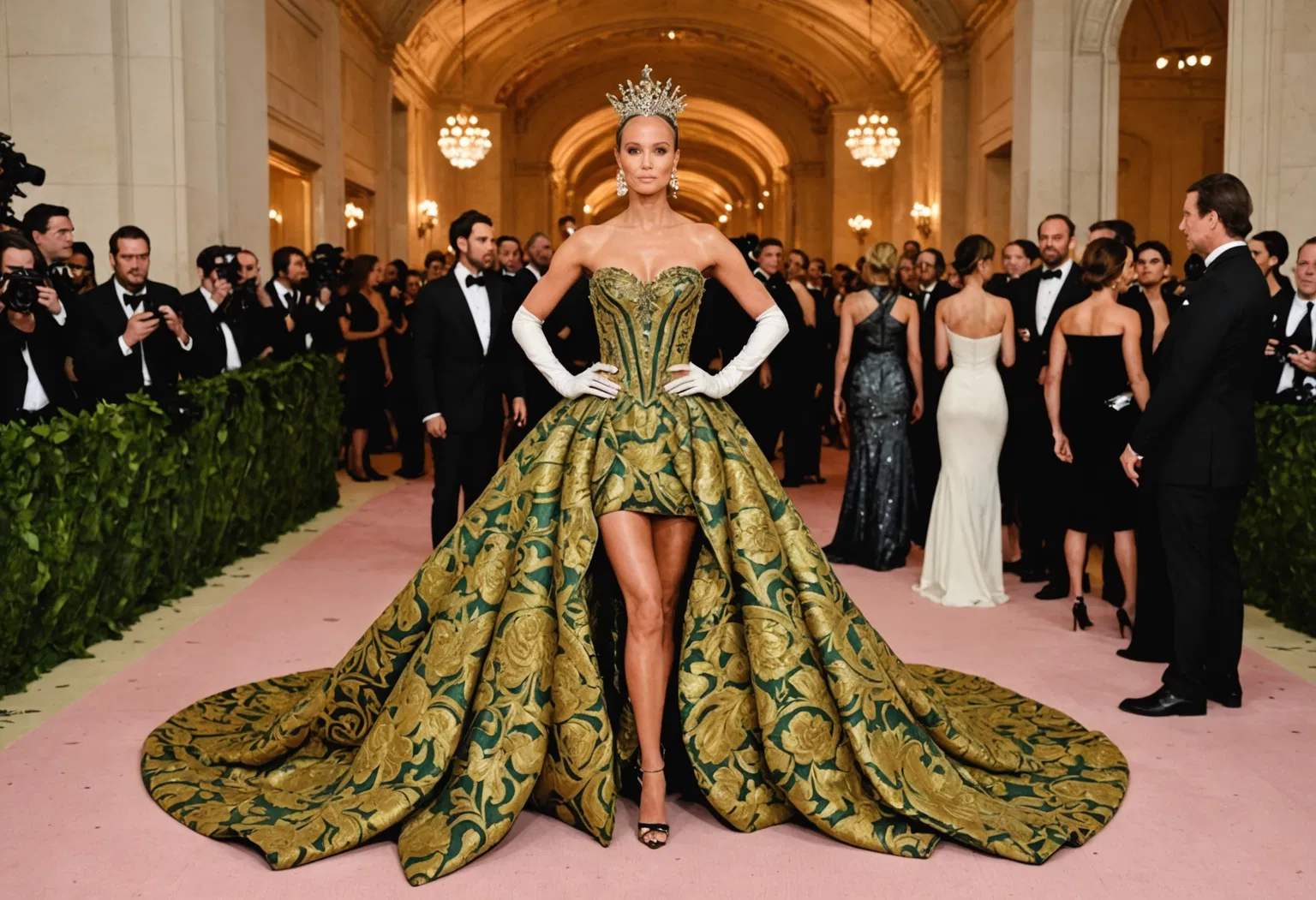
The first Monday in May is widely recognized as fashion's biggest night — the Met Gala, formally known as the Costume Institute Benefit. Each year, the world's most famous designers, celebrities, and cultural figures ascend the steps of the Metropolitan Museum of Art in New York City for a night that blends high fashion, art history, and philanthropy. But behind the dazzling red carpet and A-list guest list lies a decades-long mission to fund one of the most important fashion collections in the world. Here's everything you need to know about the Met Gala, how it started, and what made the 2026 edition so historic.
The Birth of a Fashion Institution
The Met Gala was founded in 1948 by fashion publicist Eleanor Lambert as a midnight dinner at the Waldorf-Astoria hotel. Tickets cost just $50, and the event was designed to raise money for the then-newly established Costume Institute at the Metropolitan Museum of Art. The first galas were modest industry affairs, attended by New York's fashion elite. The event truly transformed in the 1970s when legendary Vogue editor Diana Vreeland became a special consultant to the Costume Institute. Vreeland introduced themed exhibitions and turned the gala into a glamorous cultural event. In 1995, Vogue editor-in-chief Anna Wintour took over as chair and elevated the gala to stratospheric heights — turning it into the celebrity-studded, globally televised spectacle it is today. The date moved permanently to the first Monday in May, and tickets now cost upwards of $75,000 per person, with tables reaching $350,000.
How the Met Gala Works: Themes, Dress Codes, and Co-Chairs
Every year, the Met Gala follows the theme of the Costume Institute's spring exhibition. The theme determines the dress code for the evening, setting the creative direction for designers and their celebrity clients. A rotating group of co-chairs — usually a mix of fashion icons, musicians, actors, and athletes — helps host the evening alongside Anna Wintour. The 2025 theme, "Superfine: Tailoring Black Style," explored Black dandyism and was inspired by scholar Monica Miller's book on the subject. "Superfine" examined how Black men have used fashion as a tool for self-expression and resistance from the 18th century to today. The 2026 theme — "Costume Art" — marks a broader exploration of fashion's relationship with fine art.
The 2026 Met Gala: 'Costume Art' and 'Fashion Is Art'
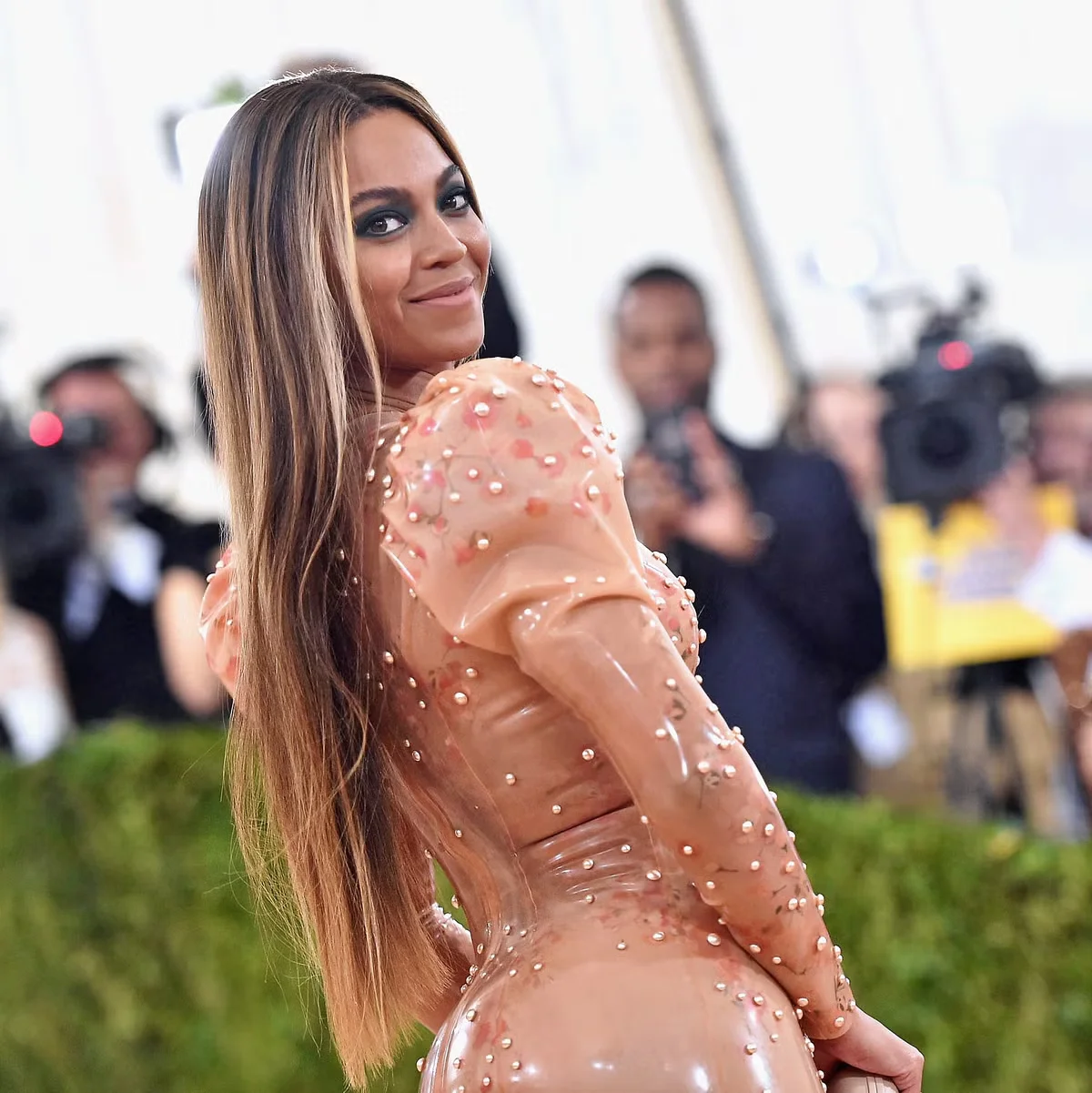
The 2026 Met Gala took place on May 4, 2026, with the theme "Costume Art" and a dress code of "Fashion Is Art." The accompanying exhibition, which opens to the public on May 10 and runs through January 10, 2027, explores the relationship between clothing and the human form across 5,000 years of art history. Andrew Bolton, the curator in charge of the Costume Institute, explained the vision: "What connects every curatorial department and what connects every single gallery in the museum is fashion, or the dressed body. It's the common thread throughout the whole museum." The exhibition brings together garments from the Costume Institute with artworks spanning millennia, examining how fashion and fine art have engaged with the body across time. It is organized around different ways the body appears in art — from classical sculptures and depictions of nudity to pregnant and aging figures, expanding representation in both art and fashion.
This year's co-chairs were Anna Wintour, Nicole Kidman, Venus Williams, and Beyoncé — marking Beyoncé's first Met Gala appearance since 2016. The host committee was co-chaired by Anthony Vaccarello and Zoë Kravitz, with Jeff Bezos and Lauren Sánchez Bezos serving as honorary chairs and lead sponsors. On the red carpet, the "Fashion Is Art" dress code inspired guests to treat their looks as wearable masterpieces. Designers created dramatic, architectural silhouettes — think molded bodices resembling marble statues, exaggerated hips and shoulders, and illusion gowns that mimicked the anatomical studies featured in the exhibition. The presence of Rei Kawakubo's Comme des Garçons pieces in the exhibition — known for distorting and obscuring the body's natural shape — pointed toward bold, avant-garde looks that prioritized structure and volume over conventional glamour.
Iconic Met Gala Themes Through the Years
Since themes were formalized in 1995, the Met Gala has produced some of the most memorable moments in fashion history. The 2018 theme, "Heavenly Bodies: Fashion and the Catholic Imagination," remains one of the most talked-about — Rihanna arrived as a pope in a bejeweled mitre and pearl-trimmed cape, while Zendaya channeled Joan of Arc in chainmail armor. The 2019 theme, "Camp: Notes on Fashion," took inspiration from Susan Sontag's 1964 essay and encouraged maximalist, theatrical dressing — Lady Gaga delivered four outfit changes on the red carpet, and Billy Porter was carried in by shirtless men wearing Egyptian-inspired gold wings. Other notable themes include "China: Through the Looking Glass" (2015), "Manus x Machina: Fashion in an Age of Technology" (2016), and "Rei Kawakubo/Comme des Garçons: Art of the In-Between" (2017). The 2024 theme, "Sleeping Beauties: Reawakening Fashion," celebrated rare and fragile garments from the Costume Institute's collection.
Beyond the Red Carpet: Why the Met Gala Matters
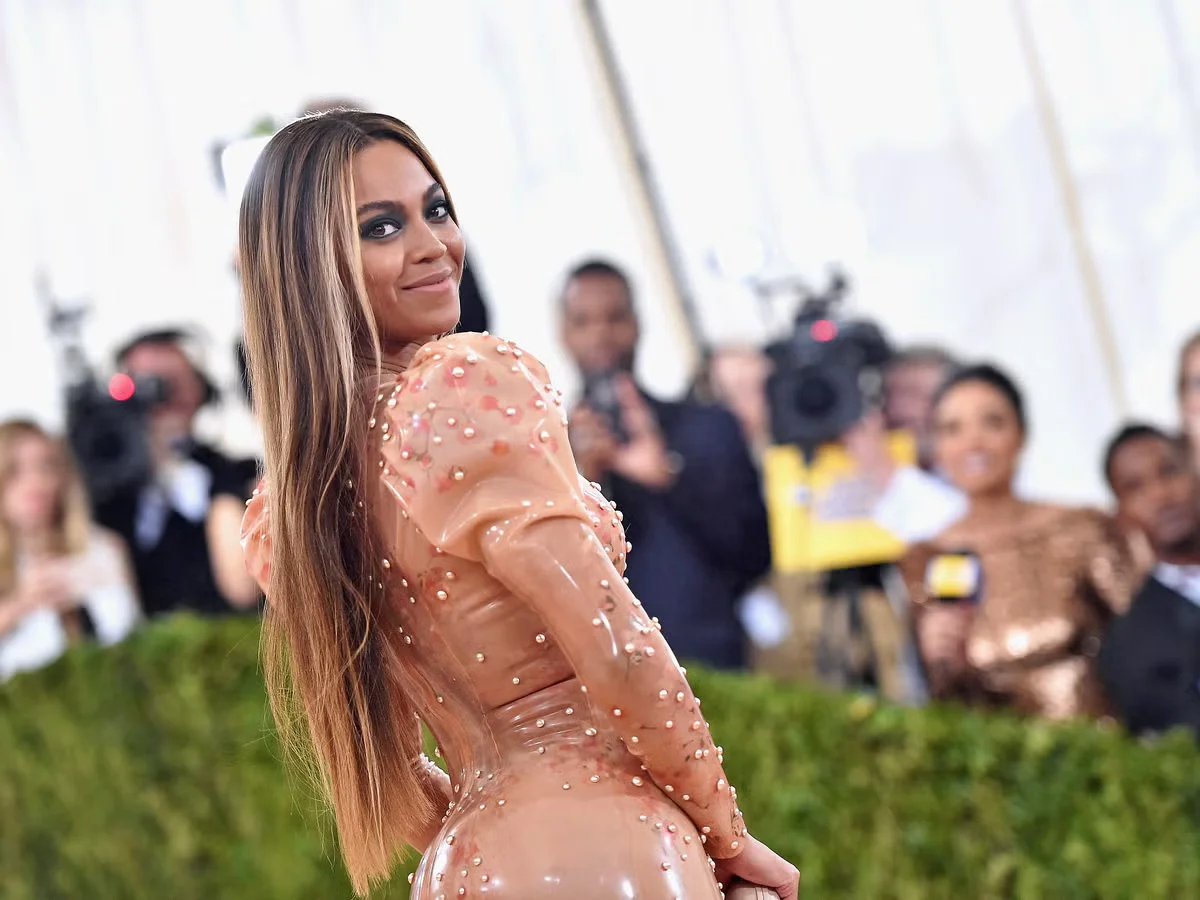
While the red carpet photos dominate social media for days, the Met Gala's primary purpose remains fundraising for the Costume Institute. The Institute houses a collection of more than 33,000 costumes and accessories spanning seven centuries, making it one of the largest and most comprehensive fashion collections in the world. Funds raised at the gala support acquisitions, conservation, exhibitions, and educational programming. Over the years, the event has raised tens of millions of dollars, ensuring that fashion history is preserved and studied alongside the other arts at the Met. The gala also serves as a cultural barometer, reflecting broader conversations about identity, representation, and the role of fashion in society. The 2025 theme "Superfine: Tailoring Black Style" and the 2026 theme "Costume Art" both engaged with questions about who gets to be represented in museums and how fashion intersects with art, race, and the body.
Key Takeaways: Everything You Need to Know About the Met Gala
- What it is: An annual fundraising gala for the Metropolitan Museum of Art's Costume Institute, also known as the Costume Institute Benefit.
- When it started: 1948, founded by fashion publicist Eleanor Lambert as a midnight dinner with $50 tickets.
- When it's held: The first Monday in May, every year.
- Who runs it: Vogue editor-in-chief Anna Wintour has chaired the event since 1995.
- Why themes matter: Each year's theme matches the Costume Institute's spring exhibition, setting the dress code and creative direction.
- The 2026 edition: Theme was "Costume Art" with a "Fashion Is Art" dress code. Co-chairs included Anna Wintour, Nicole Kidman, Venus Williams, and Beyoncé.
- The bigger picture: Beyond the celebrity spectacle, the gala funds conservation, exhibitions, and acquisitions for one of the world's most important fashion collections.