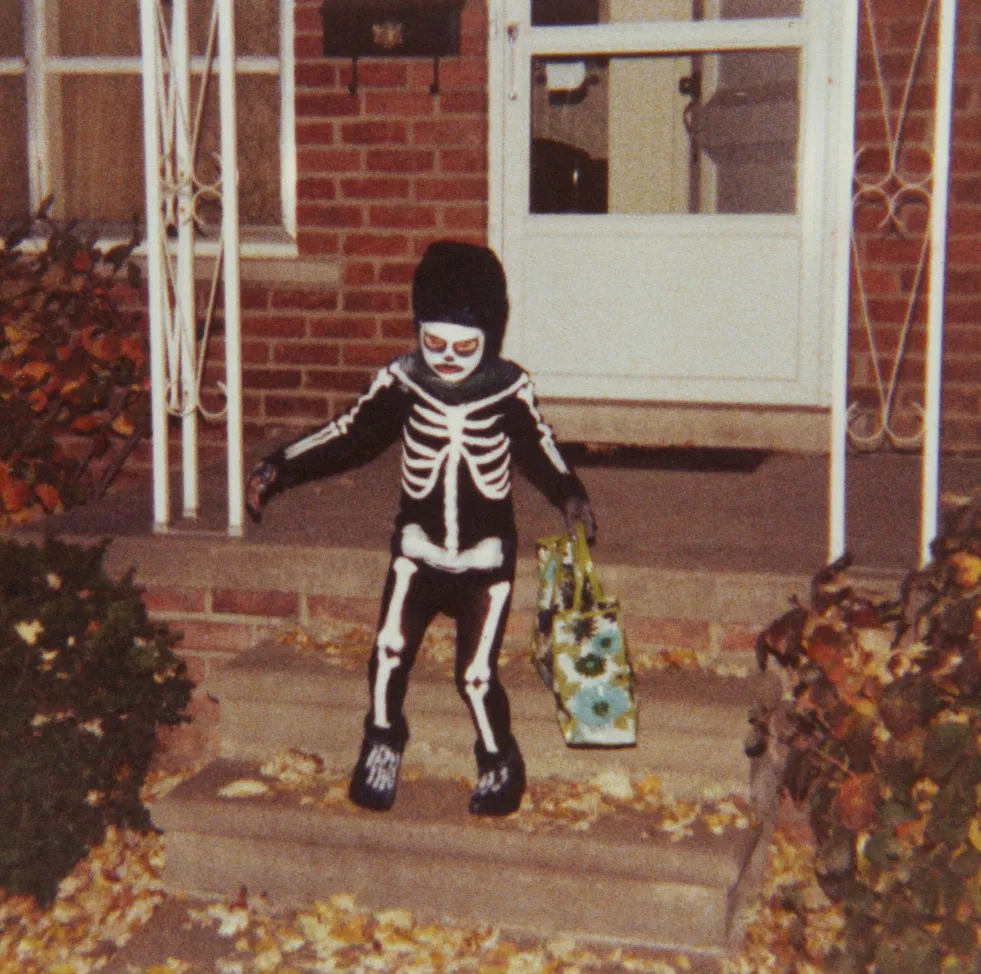
If you are planning for Halloween and wondering what time trick or treating starts, the short answer is that most neighborhoods begin trick-or-treating around sunset, which in late October typically falls between 5 and 6 p.m. There is no single nationwide rule in the United States—not even a uniform statewide rule—so the exact start time depends on where you live, the age of your trick-or-treaters, and the informal signals your neighbors use. The busiest trick-or-treating window, according to the child-safety nonprofit Safe Kids Worldwide, runs from 5:30 p.m. to 9:30 p.m., with most families heading out just as the sky begins to dim and the porch lights start flicking on.
Sunset, Not the Clock, Usually Sets the Start Time
In most communities, the start of trick-or-treating is tied less to a specific hour and more to the setting sun. By late October, the sun goes down before 7 p.m. in much of the country, and on Halloween it often slips below the horizon right around 6 p.m. That natural cue is what gets most doorbells ringing. In fact, most families start their rounds within an hour of sunset, give or take 30 minutes to an hour depending on the region.
Families with very young children frequently begin even earlier—around 4 p.m. or 5 p.m., while there is still daylight—so little ones can finish before bedtime and avoid navigating dark streets. Older kids, tweens, and teenagers tend to start later, heading out near sunset or after dark, when the atmosphere feels more like Halloween. In one popular discussion among parents, a participant noted that the youngest trick-or-treaters arrive as early as 5 p.m., bigger kids come out once it is getting dark, and teenagers often keep going after 8 p.m. This layered schedule is part of why the answer to this question is a range rather than a single fixed time.
The Most Common Trick-or-Treating Hours
If you want a single, widely used reference point, Safe Kids Worldwide—a nonprofit focused on preventing childhood injuries—describes the most popular trick-or-treating hours as 5:30 p.m. to 9:30 p.m. That four-hour window is the period when drivers are urged to be especially alert for children moving between houses, and the organization notes that the riskiest time for trick-or-treaters is between 6 p.m. and 7 p.m., when foot traffic peaks and visibility is fading.
Many families and community guides narrow that range down further. A commonly cited respectable window is 6 p.m. to 9 p.m., while experienced parents often describe 5 p.m. to 7 p.m. as the sweet spot—early enough for younger children but late enough that most neighbors are home from work and ready with candy. Etiquette experts interviewed by PEOPLE suggest thinking of trick-or-treating hours as roughly 4 p.m. to 9:30 p.m., and add that knocking on doors after 9:30 p.m. is generally considered too late.
How Cities Set Official Trick-or-Treat Hours
Because there is no federal or statewide standard, many cities, towns, and even homeowners associations publish their own recommended trick-or-treat hours each year. These are often announced by local officials or boards of trustees in the days leading up to October 31. A few examples show how much the schedule can vary: Atlanta's suggested hours run 5 p.m. to 9 p.m., Boston's run 5 p.m. to 8 p.m., and Buffalo's run 5 p.m. to 8 p.m. Some communities set even tighter windows, such as 6 p.m. to 8 p.m., while others leave the timing entirely up to neighbors.
In cities like San Antonio, there is no single official trick-or-treat time at all; instead, organized events start as early as 3 p.m., with sunset coming around 6:48 p.m. and families spreading out through the evening. The takeaway is to check your local city or township announcement, neighborhood newsletter, or community group for the hours that apply where you live—especially if you are new to the area.
What the Porch Light Really Means
The porch light is the unspoken language of Halloween night. The nearly universal rule is simple: if a home's porch light is on, the household is participating and trick-or-treaters are welcome to ring the bell. If the porch light is off—or the house is dark—skip it. As one widely shared etiquette reminder puts it, a lit porch light means come on up, while a dark porch means keep walking.
This signal also helps answer the practical question of when to stop. Once the porch lights start turning off up and down the block, the neighborhood is effectively closing up for the night. Teaching children to respect the porch light rule keeps the evening pleasant for everyone and avoids awkward knocks on the doors of people who are not handing out candy or who have simply run out.
Why Trick-or-Treating Happens After Dark
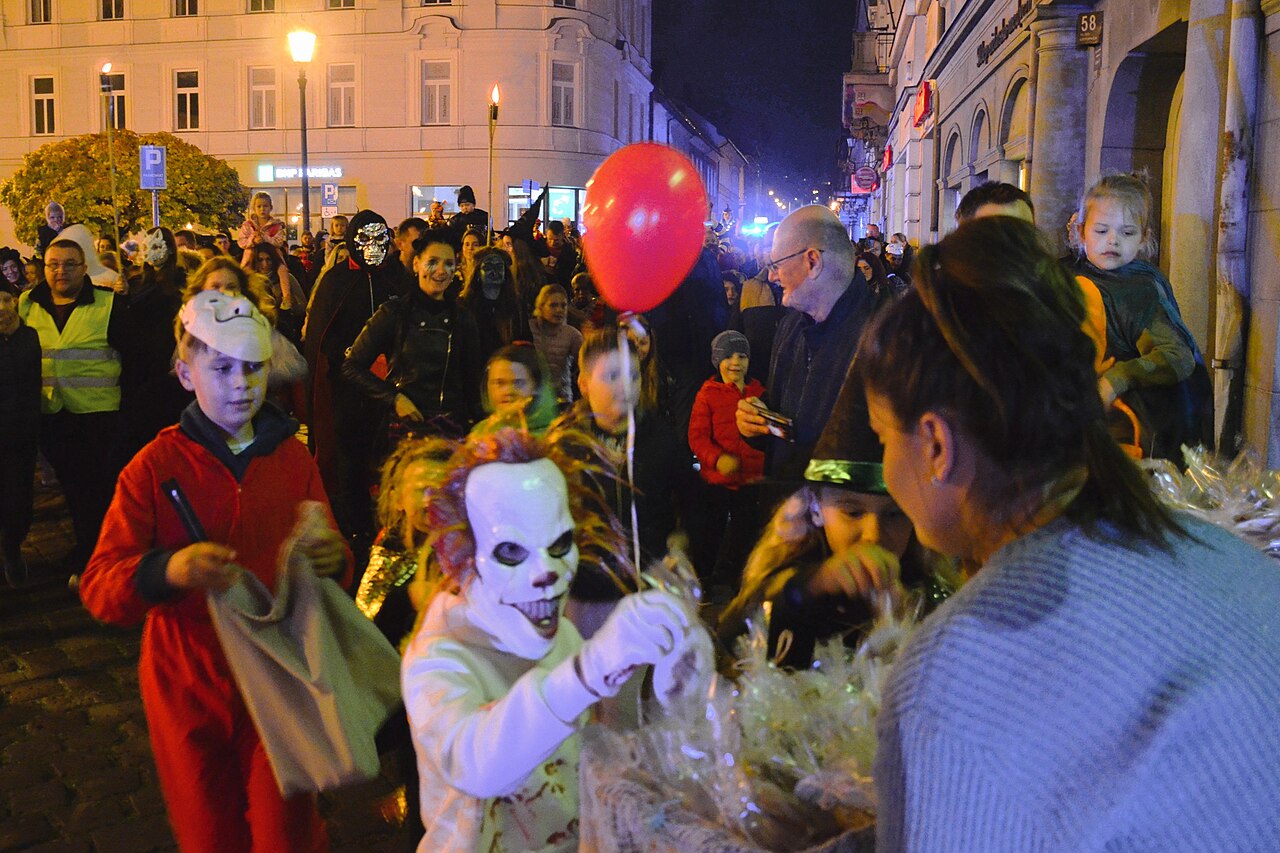
Trick-or-treating's evening timing is not an accident—it is baked into the holiday's history. The tradition traces back to the ancient Celtic festival of Samhain, celebrated on the night of October 31, when people believed the boundary between the living and the dead blurred and spirits roamed the earth. To keep those spirits at bay, villagers lit bonfires and wore costumes, sometimes going door to door for offerings.
In the Middle Ages, a related custom called souling emerged: poor people and children went from house to house offering prayers for the dead in exchange for small cakes known as soul cakes. In Scotland and Ireland, a similar practice called guising had children dressing in costume and performing songs, poems, or jokes in return for treats. These traditions crossed the Atlantic with immigrants and eventually evolved into the modern, candy-filled, after-dark tradition we know today—which is why the whole event is centered on the evening rather than the afternoon.
When to Stop Trick-or-Treating
Just as there is no universal start time, there is no universal end time—but most neighborhoods wrap up between 8 p.m. and 9 p.m. Many official city windows close at 8 p.m., and even in communities with later hours, foot traffic thins out quickly after 9 p.m. Knocking on doors after 9:30 p.m. is widely considered bad form, especially on a school night or once a home's lights have gone dark.
A good rule of thumb is to watch the neighborhood itself: when the porch lights begin turning off and the sidewalks empty out, it is time to head home. Families with younger children typically finish much earlier, often by 7 p.m. or 8 p.m., while teenagers may continue a little later—but they, too, should respect the porch light signal and quiet down as the evening winds down. Some towns even set age limits for participants, such as 16 and under, to keep the tradition geared toward kids.
The Bottom Line: What Time Should You Start?
To sum up the answer to what time trick or treating starts:
- Most neighborhoods start around sunset, generally between 5 p.m. and 6 p.m.
- The most popular trick-or-treating hours are 5:30 p.m. to 9:30 p.m., according to Safe Kids Worldwide.
- Families with young children often begin earlier, around 4 p.m. to 5 p.m., while it is still light.
- Many cities set official windows—commonly 5 p.m. to 8 p.m. or 6 p.m. to 8 p.m.—so check local announcements.
- The porch light is your best guide: light on means welcome, light off means skip.
- Most trick-or-treating wraps up between 8 p.m. and 9 p.m., and after 9:30 p.m. is generally too late.
Whenever you head out, aim to start before full dark if you are with young children, carry a flashlight or glow stick for visibility, and follow your neighborhood's cues. That way, everyone gets to enjoy the candy, the costumes, and the community spirit—without ringing any doorbells after the last porch light goes out.