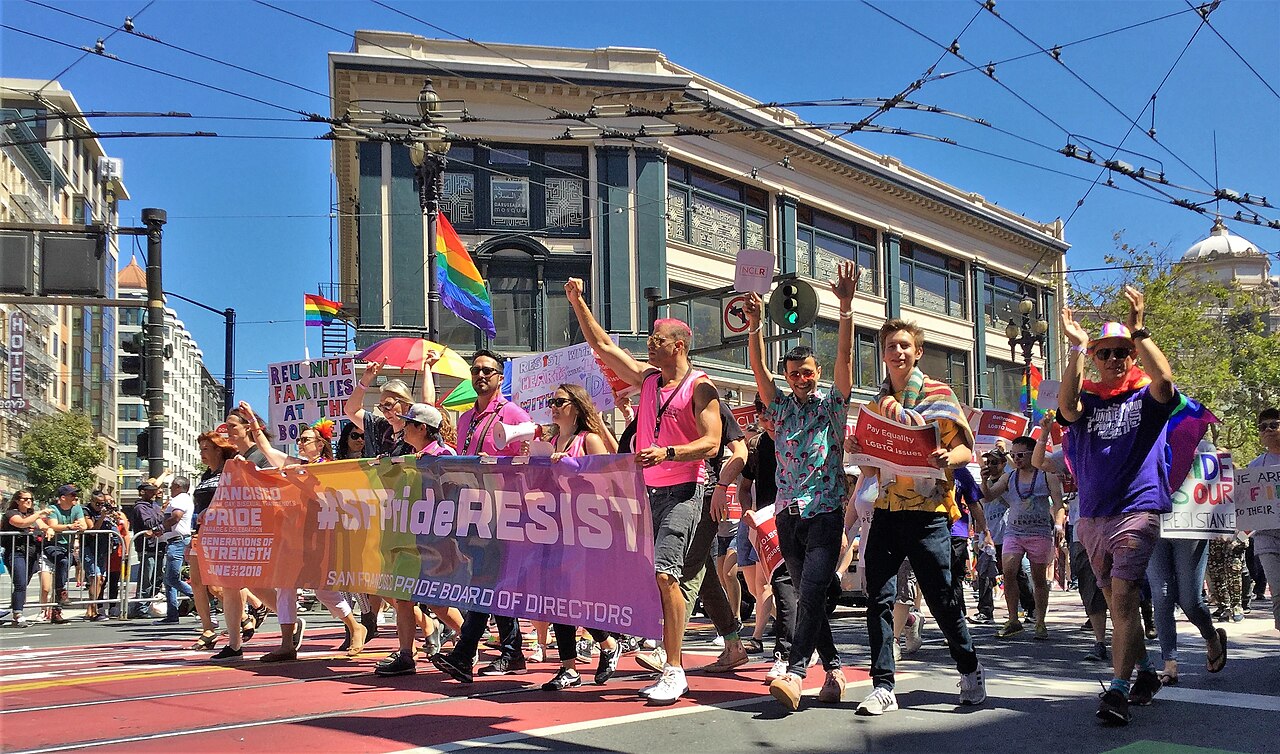
Pride Month is the annual worldwide celebration of LGBTQ+ culture, identity, and rights that takes place every June. But when exactly is Pride Month, and how did it begin? Pride Month is observed throughout the entire month of June each year, from June 1 through June 30. In 2024, Pride Month began on Saturday, June 1 and ended on Sunday, June 30. The month-long celebration honors the 1969 Stonewall Uprising in Manhattan and recognizes the impact that lesbian, gay, bisexual, transgender, and queer individuals have had on history locally, nationally, and internationally. Today, Pride Month events attract millions of participants around the world through parades, concerts, workshops, and community gatherings.
How the Stonewall Uprising Sparked a Movement
The story of Pride Month begins in the early morning hours of June 28, 1969. At the Stonewall Inn, a popular gay bar located on Christopher Street in New York City's Greenwich Village, police conducted a routine raid that would change history. At the time, LGBTQ+ individuals faced widespread discrimination and police harassment. Bars catering to gay patrons were often targeted by authorities, and simply being in such an establishment could lead to arrest.
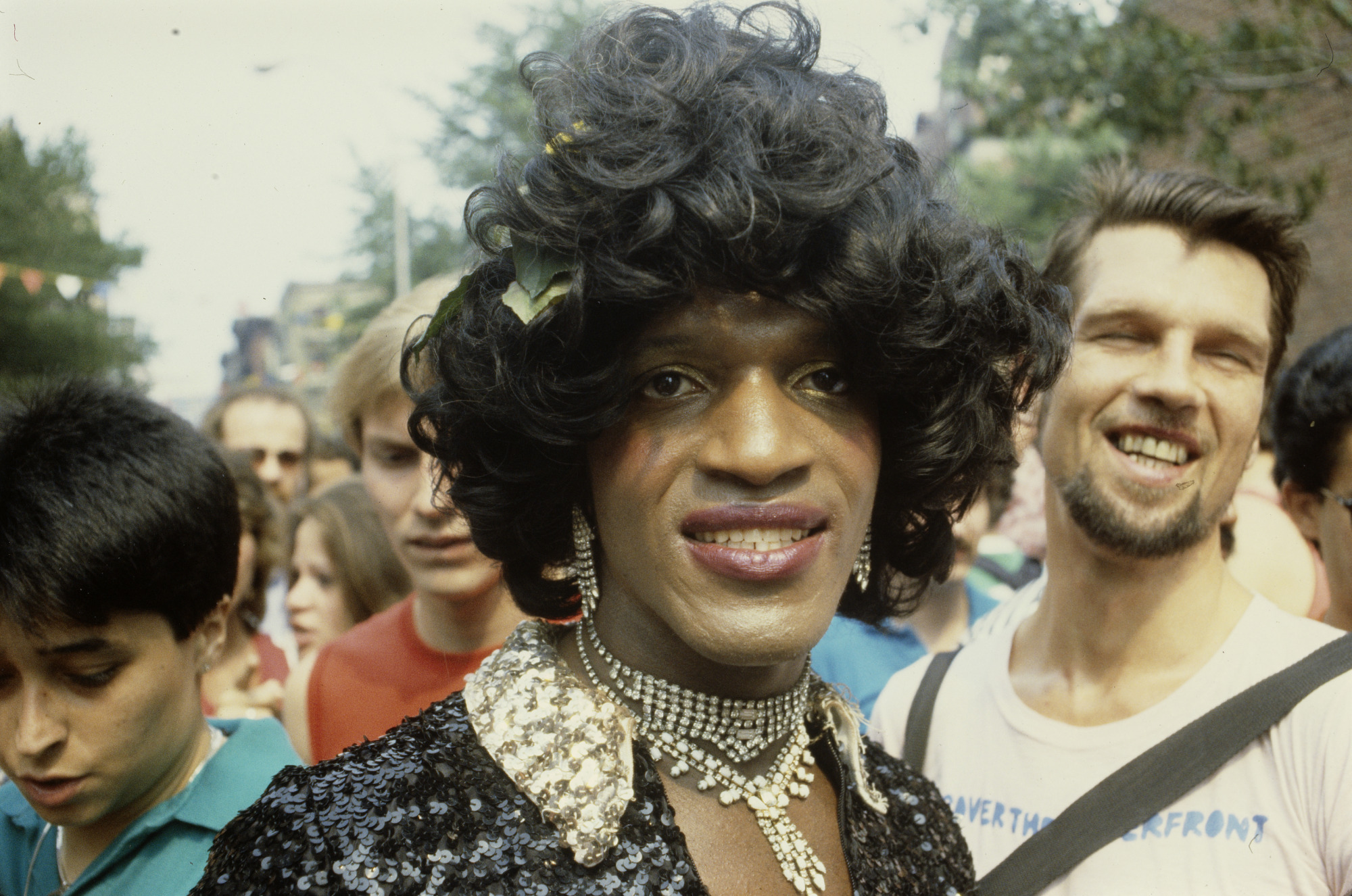
On that night, however, the patrons fought back. Tensions that had been building for years finally erupted, leading to spontaneous riots and demonstrations that stretched over six days. The Stonewall Uprising became a tipping point for the Gay Liberation Movement in the United States. As Katherine Ott, curator at the Smithsonian's National Museum of American History, reflected: "For me the reason to remember the Stonewall uprising is in recognition of the daily acts of courage the rioters took that got them to the bar that night." Key figures in the uprising included Marsha P. Johnson, a self-identified drag queen and prominent gay liberation activist, and Sylvia Rivera, who together went on to cofound the Street Transvestite Action Revolutionaries (STAR).
Timeline: From Stonewall to the First Pride Parade
The path from the 1969 riots to the modern Pride Month celebration unfolded over several key milestones:
- June 28, 1969 — Police raid the Stonewall Inn in New York City, sparking riots that last six days and galvanize the gay rights movement.
- November 1969 — The Eastern Regional Conference of Homophile Organizations (ERCHO) votes to organize a national annual demonstration called Christopher Street Liberation Day.
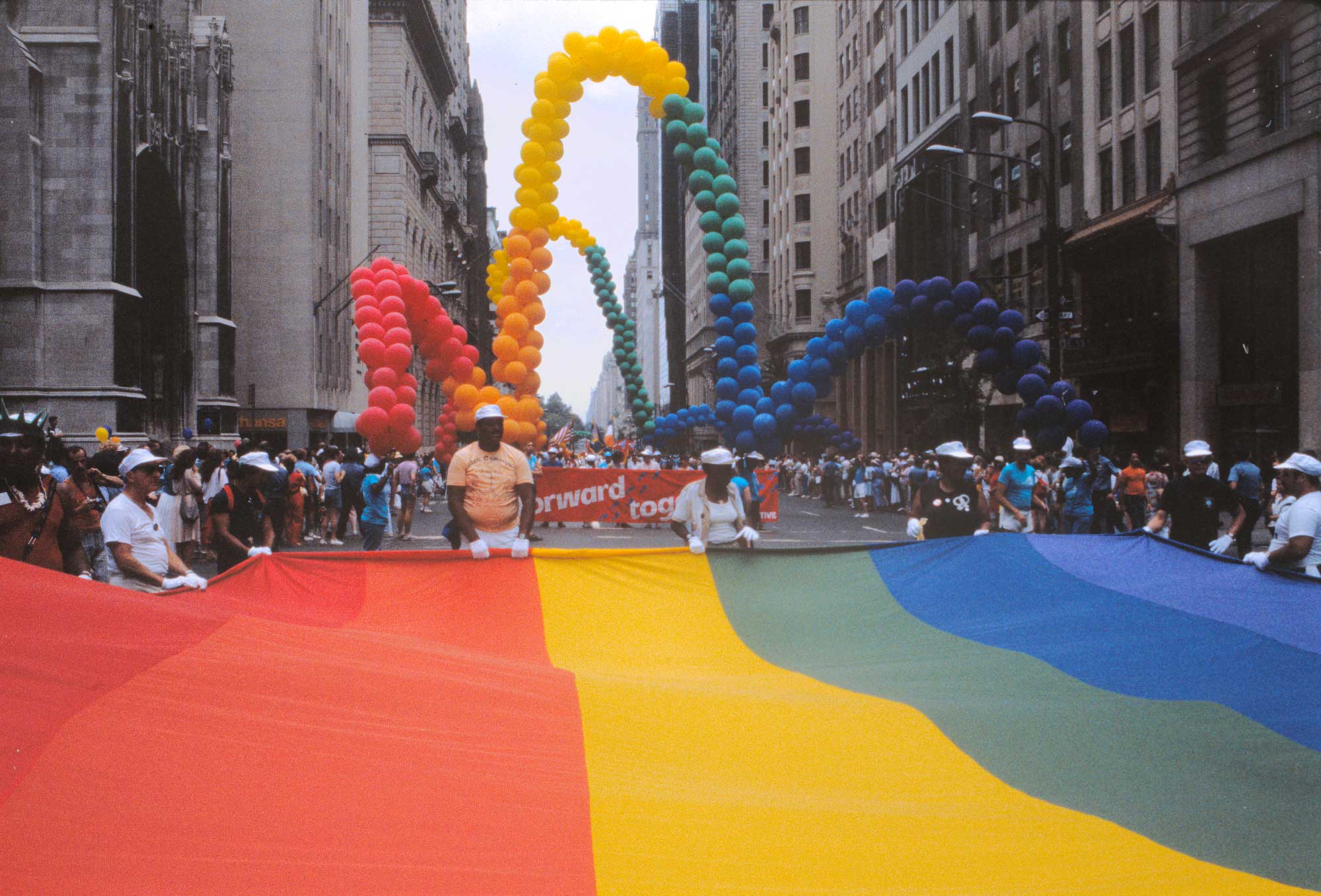
- June 28, 1970 — The first Pride march is held on the one-year anniversary of the Stonewall Uprising. Between 3,000 and 5,000 marchers participate in New York City, with simultaneous events in Los Angeles, San Francisco, and Chicago.
- 1970s–1980s — What started as "Gay Pride Day" on the last Sunday in June expands into month-long celebrations in major cities across the United States and beyond.
- 1999 — President Bill Clinton issues the first proclamation declaring June as "Gay & Lesbian Pride Month."
- 2000 — President Clinton issues another proclamation designating June as Pride Month.
- 2009 — President Barack Obama issues a proclamation declaring June as Lesbian, Gay, Bisexual, and Transgender Pride Month.
- Today — Pride Month is celebrated in countries around the world, with major parades drawing millions of attendees in cities like New York, San Francisco, Madrid, and Toronto.
Why the Stonewall Uprising Matters: Understanding the Impact
Before Stonewall, LGBTQ+ individuals in the United States faced severe legal and social oppression. Homosexuality was criminalized in almost every state. Employment and housing discrimination were rampant and legal. Gay bars were often controlled by organized crime because legitimate establishments refused to serve LGBTQ+ patrons. Police raids on gay establishments were routine, and those arrested risked having their names published in newspapers, which could cost them their jobs, families, and housing.
According to the Library of Congress, the first Pride march was meant to "commemorate the Christopher Street Uprisings of last summer in which thousands of homosexuals went to the streets to demonstrate against centuries of abuse... from government hostility to employment and housing discrimination, Mafia control of Gay bars, and anti-Homosexual laws." The Stonewall Uprising jolted the LGBTQ+ community into collective action, transforming a small, often underground movement into a widespread civil rights campaign. Within two years of Stonewall, gay rights groups had formed in every major U.S. city and in many countries around the world.
Where Things Stand Now: Pride Month Today
Today, Pride Month has grown far beyond its origins. Celebrations include pride parades, picnics, parties, workshops, symposia, and concerts. Memorials are also held during this month for community members who have been lost to hate crimes or HIV/AIDS. The purpose of the commemorative month, as stated by the Library of Congress, is to recognize the impact that lesbian, gay, bisexual, and transgender individuals have had on history at the local, national, and international levels.
While June remains the official Pride Month in the United States, Canada, France, Ireland, and many other countries, some cities and nations hold their Pride events on alternate dates to accommodate weather or avoid conflicts with other local events. New Zealand, for example, observes Pride Month in March, and many cities worldwide host Pride events at various times throughout the year. In 2024, AP News reported that LGBTQ+ Pride Month kicked off with events around the globe, with millions expected to participate in parades and celebrations honoring both the progress made and the ongoing fight for equality.
What Happens Next: The Future of Pride Month
As Pride Month continues to evolve, celebrations are becoming more inclusive, with growing recognition of the unique challenges faced by transgender individuals and people of color within the LGBTQ+ community. Many modern Pride events place a strong emphasis on intersectionality and the ongoing struggle for equal rights. While significant progress has been made since 1969 — including the legalization of same-sex marriage in many countries and expanded anti-discrimination protections — advocates stress that the fight for full equality is not yet over. Pride Month remains both a celebration of how far the community has come and a reminder of the work still ahead.
The Bottom Line: Key Points to Remember
- When is Pride Month? Pride Month takes place every June from the 1st to the 30th.
- Why June? June was chosen because it marks the anniversary of the 1969 Stonewall Uprising, which began on June 28.
- How it started: The first Pride march occurred on June 28, 1970, exactly one year after the Stonewall riots.
- What it represents: Pride Month honors the LGBTQ+ community's history, celebrates identity and diversity, and advocates for continued progress toward equality.
- Who was involved: Key figures include Marsha P. Johnson, Sylvia Rivera, Frank Kameny, and Lilli Vincenz, among many other activists who fought for LGBTQ+ rights.